Is Jo Malone ethical and cruelty-free?
Not really — Jo Malone fails 2 of the 4 ethics signals we track, including its animal-testing position, and holds no third-party certification we can verify.
Jo Malone London, owned by Estée Lauder Companies, offers luxury fragrances and body products with some sustainability initiatives but lacks comprehensive ethical certifications, does not claim to be fully vegan, and its parent company's animal testing stance raises concerns due to sales in China.
The evidence, signal by signal
Cruelty-freeflagged
Parent company Estée Lauder allows animal testing where required by law, including in China.
Vegan optionsunverified
No official vegan product line; some products contain animal-derived ingredients.
Sells in mainland Chinaflagged
Selling through mainland Chinese retail has historically triggered post-market animal testing.
Third-party certifiedunverified
We don't track any of this brand's products yet, so product-level certifications are unchecked.
Public pledges: Aims for 100% recycled or FSC-certified paper packaging by 2025 and offers refillable fragrances.
Scored with our public methodology. Profile last updated 2026-09-20.
Research notes on Jo Malone
Compiled from the brand's own statements and the public sources listed below, last reviewed 2026-09-20. We don't stock Jo Malone products, so nothing here is checked against product records.
Overview
Jo Malone London is a British luxury fragrance and lifestyle brand founded in 1994 and acquired by Estée Lauder Companies (ELC) in 1999. Known for its elegant colognes, candles, and body products, the brand markets itself as offering personalized, simple luxury. However, its ethical profile is shaped largely by its parent corporation’s policies. Jo Malone does not have independent ethical certifications (e.g., B Corp, Fair Trade, Leaping Bunny) and does not position itself as a fully vegan or cruelty-free brand. ELC sells products in mainland China, where animal testing is required for certain imported cosmetics, which conflicts with strict cruelty-free standards.
Certifications
- No Leaping Bunny, PETA Beauty Without Bunnies, or other major cruelty-free certifications.
- No B Corp certification.
- No Fair Trade or Rainforest Alliance certifications for its ingredients.
- Jo Malone holds no specific organic or natural certifications; products may contain synthetic ingredients.
Animal Testing & Vegan Range
Jo Malone London is not classified as cruelty-free by major watchdog organizations. Its parent company, Estée Lauder Companies, does not rule out animal testing where required by law, including in China (where animal testing is mandatory for imported cosmetics. The brand does not have a dedicated vegan product line; many products contain beeswax, lanolin, or other animal-derived ingredients. There is no official statement from Jo Malone confirming that any of its products are vegan.
Sustainability Pledges
Jo Malone has implemented several environmental initiatives. In 2020, the brand committed to using 100% recycled or Forest Stewardship Council (FSC)-certified paper for all paperboard packaging by 2025. It also introduced refillable fragrances and a candle recycling program in select markets. Estée Lauder Companies’ broader sustainability goals include reducing Scope 1 and 2 greenhouse gas emissions by 50% by 2030 from a 2019 baseline, and sourcing 100% renewable electricity globally by 2025. However, Jo Malone does not provide a standalone sustainability report and its commitments are less transparent than many dedicated ethical brands.
Sourcing & Labor
Jo Malone sources ingredients globally, including natural extracts from flowers, spices, and woods. The brand claims responsible sourcing but does not disclose specific supplier audits or labor practices publicly. Estée Lauder Companies publishes a Supplier Code of Conduct and states it expects compliance with labor, human rights, and environmental standards. However, there are no third-party certifications (like Fair Trade) verifying these claims for Jo Malone’s supply chain. Labor practices in the luxury fragrance industry have been criticized for lack of transparency, and Jo Malone is not an exception.
Controversies Context
No major scandals have been publicly associated with Jo Malone London. However, persistent ethical concerns stem from its parent company’s stance on animal testing and sale in China. In 2021, Estée Lauder reportedly removed some products from Chinese mandatory animal testing lists by using existing animal test data, but the company still allows new products to be tested on animals if required. For committed cruelty-free shoppers, this makes Jo Malone an avoidable brand. Additionally, the brand’s luxury packaging (e.g., glass, ribbons) creates high waste, though recycling efforts are nascent.
Bottom Line
Jo Malone London offers high-quality, luxurious scents but falls short for ethically conscious shoppers prioritizing cruelty-free, vegan, or fully sustainable products. While it has some environmental strides, the lack of independent certifications, vegan options, and parent company’s limited animal-testing policy means it cannot be recommended as an ethical leader. For fragrance lovers who can compromise on animal testing, the brand provides a premium experience with moderate sustainability promises. However, more transparent, cruelty-free alternatives exist (e.g., Lush, Pacifica, or Abel).
Better-scoring alternatives to Jo Malone
Same categories, higher ethics scores, verified certifications.

The ultimate multi-tasker for minimalist hosts; one bottle can wash hands, body, hair, and even dishes.
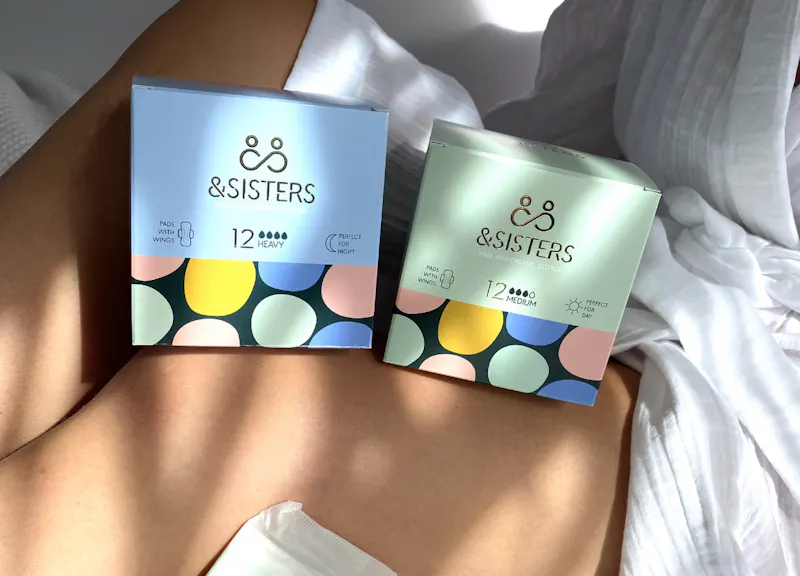
A UK-based, women-owned B Corp offering the highest ethical standard in menstrual care. This bulk 'Sisterhood' bundle features GOTS organic cotton tampons and pads with RSPO-segregated inputs, ensuring zero deforestation.
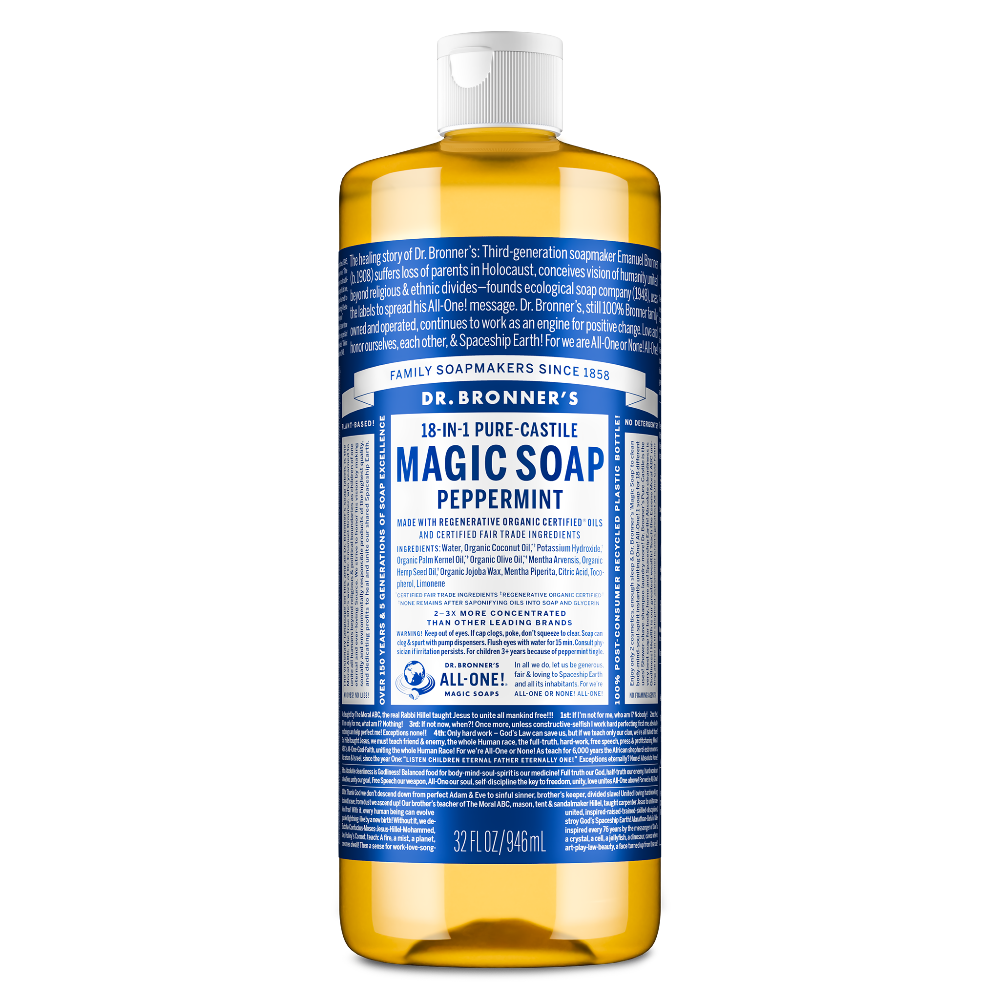
The gold standard of ethical cleaning. A highly concentrated, multi-surface liquid soap made from organic oils and fair trade ingredients in 100% PCR packaging.

The gold standard of ethical soaps, featuring regenerative organic palm oil and a legacy of fair-trade advocacy and radical transparency.
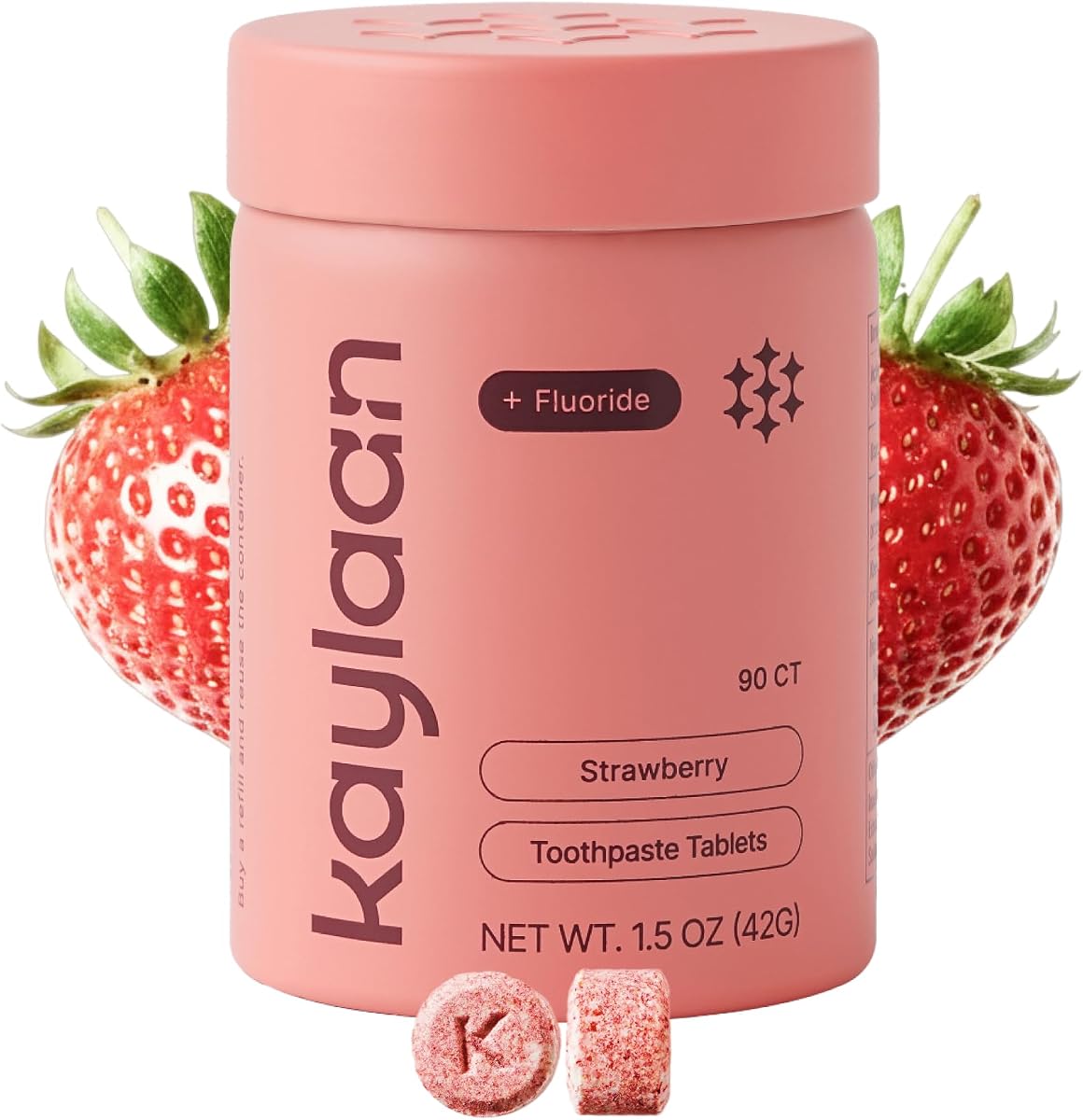
A zero-waste oral care system consisting of fluoride-free tablets in a refillable glass jar, featuring ingredients sourced from ethical Eastern European partners.

A high-potency, carbon-extracted rosehip oil designed specifically for sensitive skin, backed by rigorous B Corp standards and organic agricultural sourcing.
More on Jo Malone
Is Jo Malone ethical? FAQs
Is Jo Malone cruelty-free?+
Parent company Estée Lauder allows animal testing where required by law, including in China.
Does Jo Malone have vegan products?+
No official vegan product line; some products contain animal-derived ingredients.
Does Jo Malone sell in mainland China?+
Selling through mainland Chinese retail has historically triggered post-market animal testing.
What is Jo Malone's ethics score?+
We don't score any Jo Malone products yet, so there is no ethics score. The signals above come from the brand profile and the sources listed on this page.
What are the best alternatives to Jo Malone?+
Higher-scoring alternatives include Dr. Bronner's 18-in-1 Pure-Castile Soap (Travel Size) by Dr. Bronner's, RSPO-Segregated Organic Intimate Care & Menstrual Set by &SISTERS, Dr. Bronner's Pure-Castile Liquid Soap (Peppermint) by Dr. Bronner's.