Is Kartell sustainable?
Broadly yes — Kartell averages 76/100 on EthiCompare, and its packaging, sourcing and certification record hold up better than most brands we track. Its stated commitments, per the brand profile we hold: Kartell pledges to increase recycled material use, achieve carbon neutrality by 2030, and design for circularity (e.g., fully recyclable products).
We read sustainability as verifiable practice, not marketing: third-party certification, packaging design, sourcing disclosure and published, dated targets. Claims without evidence score as unverified.
The evidence behind the answer
Cruelty-freenot independently verified
Kartell does not conduct animal testing on its products or ingredients.
Third-party certifiedverified
We record 3 distinct certifications across this brand's products.
Scored with our public methodology.
What Kartell's products show
Of the 1 Kartell product we score, 1 holds at least one sustainability or labour certification on file, and the ethics score is 76/100.
| Product | Organic | Fair labour | Recyclable / compostable | Plastic-free packaging | Relevant certifications | Score |
|---|---|---|---|---|---|---|
| The Re-Chair | Unverified | Unverified | Unverified | Unverified | Global Recycled Standard, B Corp, Cradle to Cradle | 76 |
"Yes" means a matching certification, label or material note is recorded for that product; "Unverified" means we hold no evidence either way, not that the answer is no.
How to check this yourself
Sustainability claims are only as good as the evidence behind them. Before you buy:
- Prefer independent certifications with a public register (B Corp, Fair Trade, FSC, GOTS, USDA Organic) over self-declared badges.
- Check whether the claim covers the whole product or one ingredient, and whether packaging is genuinely recyclable where you live.
- Look for dated, measurable targets and progress reports rather than open-ended pledges.
More on Kartell
Better-scoring alternatives to Kartell

Authentic Indian Khadi (hand-spun, hand-woven) cotton curtains. A premium, small-batch textile that supports the village industries of Karnataka, offering natural insulation and light blocking.

This GOTS-certified organic cotton blanket offers year-round comfort with a high-end texture that empty-nesters love for guest rooms.

A vibrant, durable accent rug handwoven in Ghana using local sisal and organic cotton, providing a vegan and biodegradable alternative to synthetic polyester rugs.
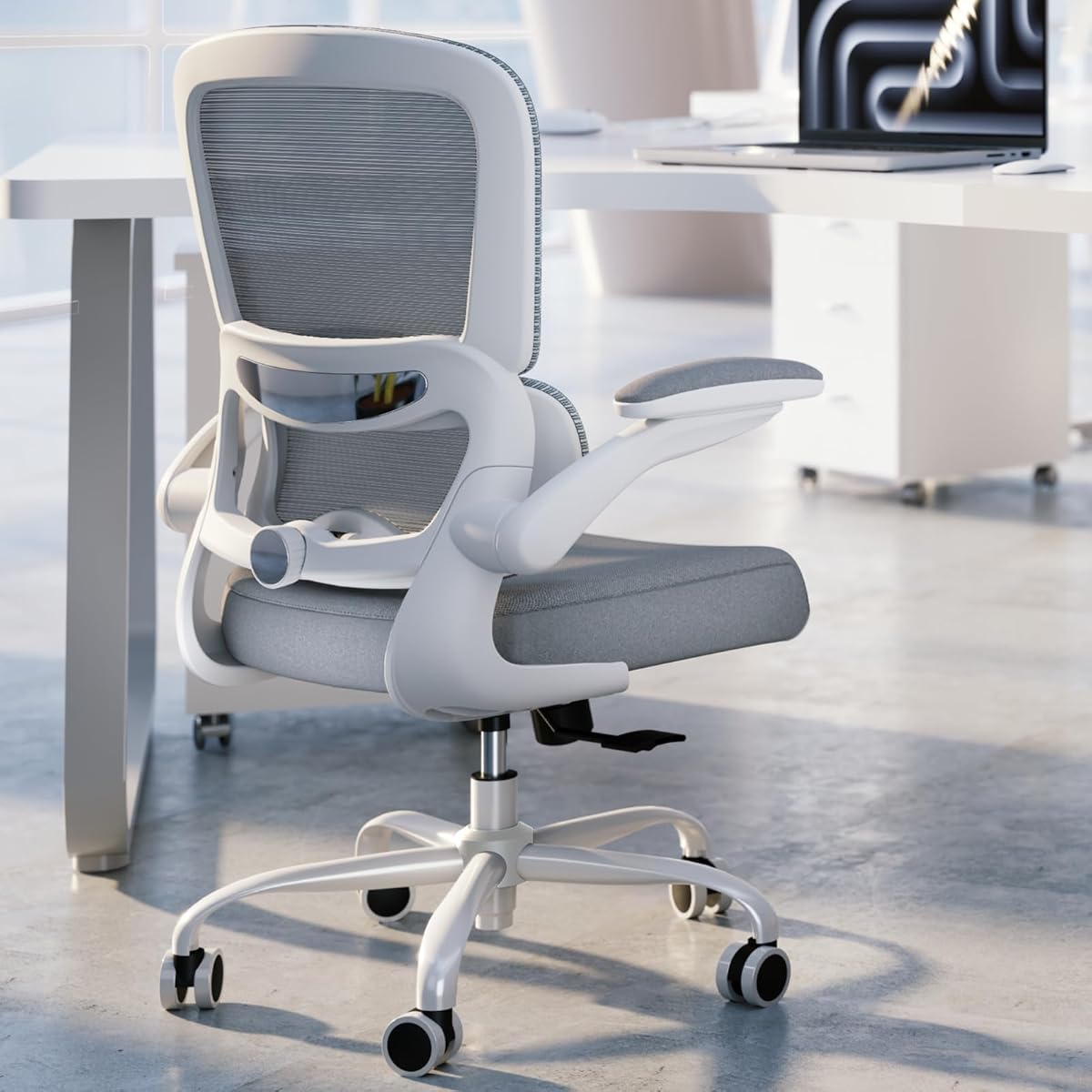
A revolutionary 3D-printed chair made from upcycled food waste and plant-based resins, manufactured on-demand in the USA to eliminate waste.

A luxury, handcrafted pillow made from GOLS-certified organic latex and GOTS-certified organic cotton. This pillow is carbon negative and specifically designed to provide adjustable support for all sleeper types while adhering to the highest environmental standards.

A revolutionary piece of furniture made entirely from recycled plastic waste. Pentatonic leads the circular economy movement with this modular, high-design seating solution.
Kartell: frequently asked
Is Kartell sustainable?+
Broadly yes — Kartell averages 76/100 on EthiCompare, and its packaging, sourcing and certification record hold up better than most brands we track. Its stated commitments, per the brand profile we hold: Kartell pledges to increase recycled material use, achieve carbon neutrality by 2030, and design for circularity (e.g., fully recyclable products). Of the 1 Kartell product we score, 1 holds at least one sustainability or labour certification on file, and the ethics score is 76/100.
Kartell: Cruelty-free?+
Kartell does not conduct animal testing on its products or ingredients.
Kartell: Vegan options?+
All Kartell products are vegan as they are made from synthetic materials and contain no animal-derived components.
Kartell: Third-party certified?+
We record 3 distinct certifications across this brand's products.
What is Kartell's ethics score?+
Kartell averages 76/100 across 1 product we score on certifications, sourcing, labour, packaging and transparency.