Is Lancôme ethical and cruelty-free?
Not really — Lancôme fails 2 of the 4 ethics signals we track, including its animal-testing position, and holds no third-party certification we can verify.
Lancôme, a French luxury cosmetics brand owned by L'Oréal, is recognized for its high-quality skincare, makeup, and fragrances but faces ethical scrutiny due to its parent company's animal testing practices and lack of robust sustainability certifications.
The evidence, signal by signal
Cruelty-freeflagged
Products sold in China may be subject to mandatory animal testing; L'Oréal uses alternatives where possible but brand is not considered cruelty-free.
Vegan optionsunverified
No dedicated vegan range; some products may be vegan but not labeled or certified.
Sells in mainland Chinaflagged
Selling through mainland Chinese retail has historically triggered post-market animal testing.
Third-party certifiedunverified
We don't track any of this brand's products yet, so product-level certifications are unchecked.
Public pledges: Participates in L'Oréal for the Future program with goals for carbon neutrality, sustainable packaging, and water reduction, but lacks specific independent certifications.
Scored with our public methodology. Profile last updated 2026-09-20.
Research notes on Lancôme
Compiled from the brand's own statements and the public sources listed below, last reviewed 2026-09-20. We don't stock Lancôme products, so nothing here is checked against product records.
Overview
Lancôme, founded in 1935 by Armand Petitjean, is a prestigious French cosmetics brand renowned for its luxury skincare, makeup, and fragrances. It is a wholly owned subsidiary of the L'Oréal Group, the world's largest cosmetics company. Lancôme operates globally, with a strong presence in department stores, standalone boutiques, and online. The brand positions itself as a purveyor of elegance and innovation, leveraging advanced formulations and high-end marketing. However, its ethical profile is closely tied to L'Oréal's corporate policies, which have drawn criticism from animal rights and sustainability advocates.
Certifications
Lancôme holds no major independent ethical certifications, such as Leaping Bunny, Cruelty Free International, or PETA's Beauty Without Bunnies. The brand is not certified vegan or organic by recognized bodies like COSMOS or USDA Organic. L'Oréal has a 'Cruelty Free Beauty' initiative for its European operations, but this is not third-party verified and does not extend globally. Products marketed in China undergo mandatory animal testing, which precludes participation in most cruelty-free certification schemes.
Animal testing & vegan range
Lancôme's animal testing policy is complex. In regions where animal testing is required by law, such as China (for locally manufactured products), its products are tested on animals. L'Oréal states it uses alternatives where possible and has committed to not testing on animals for products sold in the European Union. However, because Lancôme sells in China and its parent company conducts animal testing for compliance in some markets, the brand is not considered cruelty-free by groups like PETA or Leaping Bunny. Lancôme does not offer a dedicated vegan range, though some individual products may be vegan. The brand does not prominently label or certify vegan products.
Sustainability pledges
L'Oréal has a sustainability program called 'L'Oréal for the Future', which includes goals for reducing carbon emissions, water usage, and waste across its value chain. Lancôme participates in this program, aiming for carbon neutrality at its manufacturing sites by 2025 and using sustainable packaging, including recycled materials and refillable options. However, the brand lacks specific, publicly reported sustainability targets for its own products. Lancôme has no formal endorsement from organizations like the UN Global Compact or B Corp certification. Environmental advocates note that the brand's heavy reliance on single-use luxury packaging and global supply chains limits its overall sustainability impact.
Sourcing & labor
Lancôme sources ingredients globally, including natural extracts (e.g., rose, shea butter) often from localized farms. L'Oréal has a 'Respect for the Plant' charter and works with suppliers to promote fair labor practices, but there are no independent audits or certifications (e.g., Fair Trade, Rainforest Alliance) for Lancôme's supply chain. The brand does not publish detailed supplier lists or labor audits. L'Oréal's labor policies align with international standards, but reports of labor issues in supplier factories have been occasionally noted in the broader L'Oréal supply chain. Transparency on sourcing remains limited.
Controversies context
No major scandals or controversies are specifically associated with Lancôme itself. However, the brand has faced indirect criticism due to L'Oréal's past controversies, including a 2017 fine for anticompetitive practices and ongoing debates about animal testing for products sold in China. Lancôme has also been accused of overpackaging luxury items, contributing to plastic waste. Consumer complaints often center on high prices and limited inclusivity in shade ranges, but no major public outcry has occurred.
Bottom line
Lancôme offers premium, effective cosmetics with a strong heritage, but its ethical standing is undermined by its parent company's animal testing in China and lack of independent certifications. The brand's sustainability commitments are part of a broader corporate program, yet transparency gaps and luxury packaging practices detract from its credibility. For ethical consumers prioritizing cruelty-free, vegan, or highly sustainable brands, Lancôme may not align with their values unless purchasing in EU markets where animal testing is not required. The brand is best suited for individuals seeking luxury efficacy over strict ethical standards.
Better-scoring alternatives to Lancôme
Same categories, higher ethics scores, verified certifications.

The ultimate multi-tasker for minimalist hosts; one bottle can wash hands, body, hair, and even dishes.
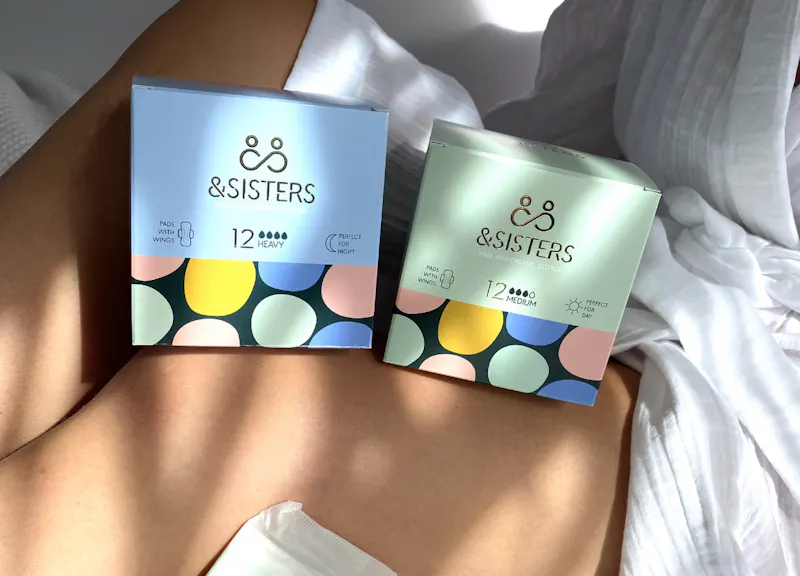
A UK-based, women-owned B Corp offering the highest ethical standard in menstrual care. This bulk 'Sisterhood' bundle features GOTS organic cotton tampons and pads with RSPO-segregated inputs, ensuring zero deforestation.
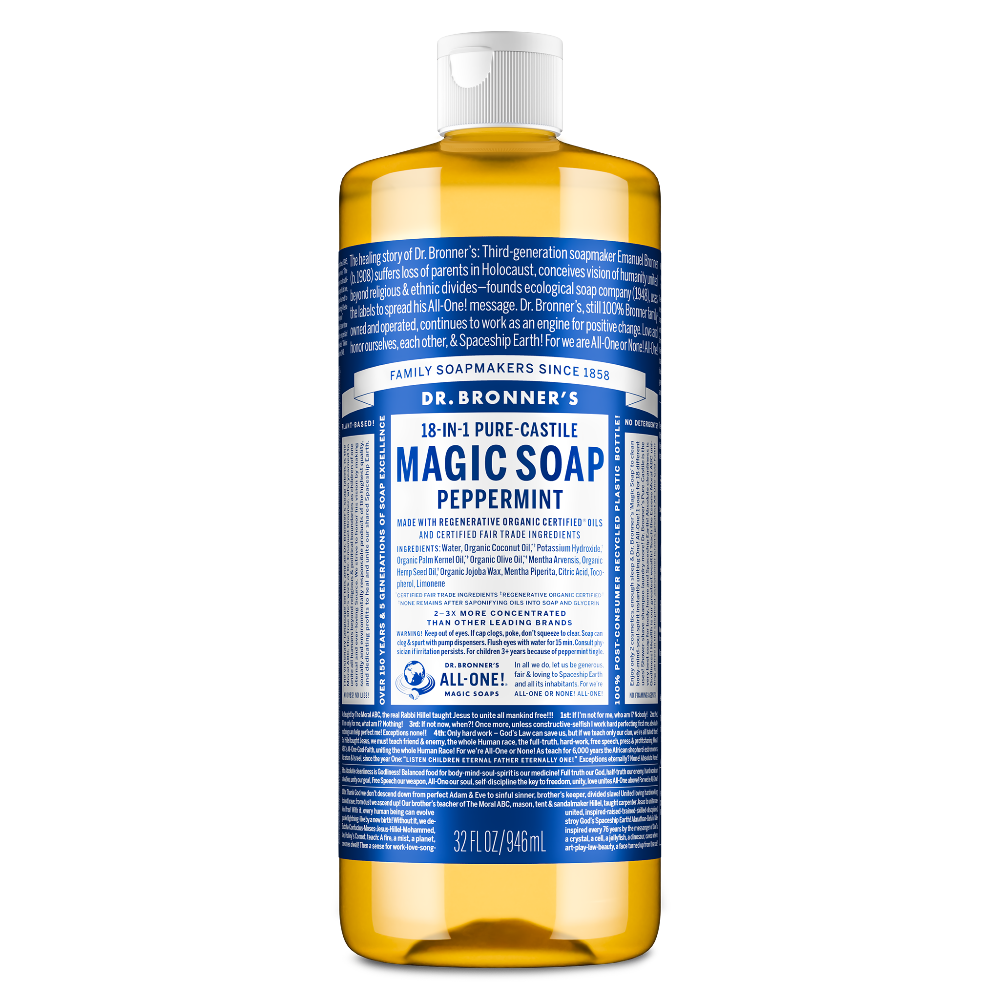
The gold standard of ethical cleaning. A highly concentrated, multi-surface liquid soap made from organic oils and fair trade ingredients in 100% PCR packaging.

The gold standard of ethical soaps, featuring regenerative organic palm oil and a legacy of fair-trade advocacy and radical transparency.
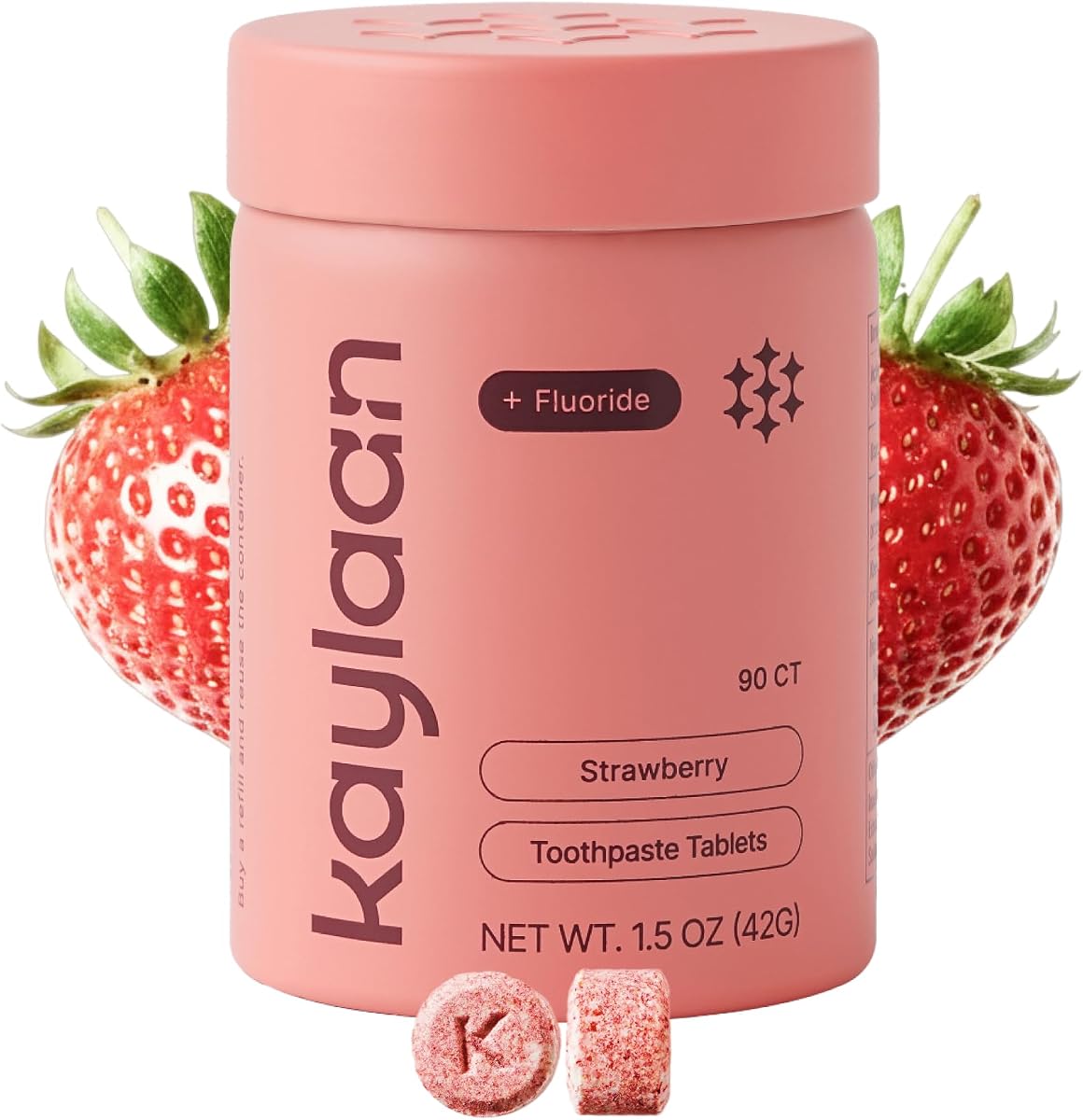
A zero-waste oral care system consisting of fluoride-free tablets in a refillable glass jar, featuring ingredients sourced from ethical Eastern European partners.

A high-potency, carbon-extracted rosehip oil designed specifically for sensitive skin, backed by rigorous B Corp standards and organic agricultural sourcing.
More on Lancôme
Is Lancôme ethical? FAQs
Is Lancôme cruelty-free?+
Products sold in China may be subject to mandatory animal testing; L'Oréal uses alternatives where possible but brand is not considered cruelty-free.
Does Lancôme have vegan products?+
No dedicated vegan range; some products may be vegan but not labeled or certified.
Does Lancôme sell in mainland China?+
Selling through mainland Chinese retail has historically triggered post-market animal testing.
What is Lancôme's ethics score?+
We don't score any Lancôme products yet, so there is no ethics score. The signals above come from the brand profile and the sources listed on this page.
What are the best alternatives to Lancôme?+
Higher-scoring alternatives include Dr. Bronner's 18-in-1 Pure-Castile Soap (Travel Size) by Dr. Bronner's, RSPO-Segregated Organic Intimate Care & Menstrual Set by &SISTERS, Dr. Bronner's Pure-Castile Liquid Soap (Peppermint) by Dr. Bronner's.