Is Lean Cuisine ethical and cruelty-free?
Not really — Lean Cuisine fails 2 of the 4 ethics signals we track, including its animal-testing position, and holds no third-party certification we can verify.
Lean Cuisine, a brand under Nestlé, offers frozen meals marketed for weight management and convenience, but faces ethical concerns over parent company practices, limited certifications, and moderate sustainability efforts.
The evidence, signal by signal
Cruelty-freeflagged
Nestlé does not test finished products on animals unless required by law.
Vegan optionsunverified
No dedicated vegan range; a few meals may be accidentally vegan.
Sells in mainland Chinaflagged
Selling through mainland Chinese retail has historically triggered post-market animal testing.
Third-party certifiedunverified
We don't track any of this brand's products yet, so product-level certifications are unchecked.
Public pledges: Nestlé aims for net-zero emissions by 2050 and uses recycled packaging, but Lean Cuisine has no specific independent sustainability certification.
Scored with our public methodology. Profile last updated 2026-09-28.
Research notes on Lean Cuisine
Compiled from the brand's own statements and the public sources listed below, last reviewed 2026-09-28. We don't stock Lean Cuisine products, so nothing here is checked against product records.
Overview
Lean Cuisine is a frozen food brand owned by Nestlé, launched in 1981 to provide low-calorie, portion-controlled meals. It is widely available in the US and Canada, focusing on convenience for health-conscious consumers. As part of Nestlé, the brand inherits the parent company's complex ethical landscape, including controversies over water privatization, infant formula marketing, and environmental footprint. Lean Cuisine itself has no major controversies on record, but its ethical standing is shaped by Nestlé's global policies.
Certifications
Lean Cuisine products do not carry widely recognized third-party certifications such as Fair Trade, Organic (USDA), Non-GMO Project Verified, or Rainforest Alliance. Some meals may contain ingredients from certified sources, but the brand does not prominently market any overarching certification. Nestlé has its own certification for cocoa and coffee through its 'Nestlé Cocoa Plan' and 'Nestlé Coffee' programs, but these are not directly applied to Lean Cuisine. The brand lacks a clear, independent ethical certification scheme for its core product line.
Animal testing & vegan range
Nestlé states it does not test finished products on animals unless required by law, and only uses animal testing for ingredients as a last resort, adhering to the 3Rs (Replacement, Reduction, Refinement). Lean Cuisine does not have a dedicated vegan product range; most meals contain meat, dairy, or eggs. A few options may be accidentally vegan (e.g., some vegetable-based meals), but the brand does not label them as such nor commit to vegan certification. For strict vegan or cruelty-free consumers, Lean Cuisine is not a reliable choice.
Sustainability pledges
Nestlé has published a sustainability roadmap aiming for net-zero emissions by 2050, with a focus on regenerative agriculture, packaging reduction, and renewable energy. For Lean Cuisine, packaging includes recyclable materials, but many trays are still non-recyclable due to mixed materials. Nestlé’s 'Plastic Transition' program targets 9.5% recycled content by 2025, but Lean Cuisine’s meals have not met higher standards like 100% compostable packaging. Water stewardship is also a key pledge, though Nestlé has been criticized for water extraction practices in some regions. Overall, sustainability commitments exist but are often seen as insufficient by environmental watchdogs.
Sourcing & labor
Nestlé has a 'Responsible Sourcing' policy covering human rights, labor conditions, and environmental standards. It publishes an annual 'Tackling Child Labour' report, particularly for cocoa and coffee supply chains. However, reports of child labor in West African cocoa farms persist, and Nestlé has faced lawsuits over forced labor in Thailand’s fishing industry. For Lean Cuisine, ingredients like vegetables, grains, and meats are sourced from diverse suppliers, but the brand does not provide specific supplier transparency or fair-trade premiums. Labor practices in Nestlé’s own US manufacturing facilities are subject to standard US labor laws, with no major violations reported for Lean Cuisine.
Controversies context
There are no major controversies specifically tied to Lean Cuisine. However, as a Nestlé product, it is implicated in broader criticisms of the parent company: baby formula marketing in developing countries, water privatization in the US and elsewhere, and deforestation risks in palm oil supply chains. Nestlé has been the target of boycotts and ethical investment divestment calls. These issues may affect consumer perception of Lean Cuisine, even if not directly linked to the frozen meal line.
Bottom line
Lean Cuisine offers convenient, low-calorie meals but lacks strong ethical credentials. It has no major independent certifications, no vegan range, and modest sustainability efforts that are overshadowed by Nestlé’s broader controversies. Ethical consumers prioritizing transparency, fair labor, and environmental impact may find better alternatives among certified organic or plant-based frozen meal brands.
High-scoring food & nutrition picks to compare
Top-scoring products from other brands in the category Lean Cuisine sells in. A starting point for comparison, not proof that each one beats Lean Cuisine.

The gold standard for ethical food production, this coconut oil uses regenerative organic practices and fair trade labor to set a benchmark for corporate responsibility.
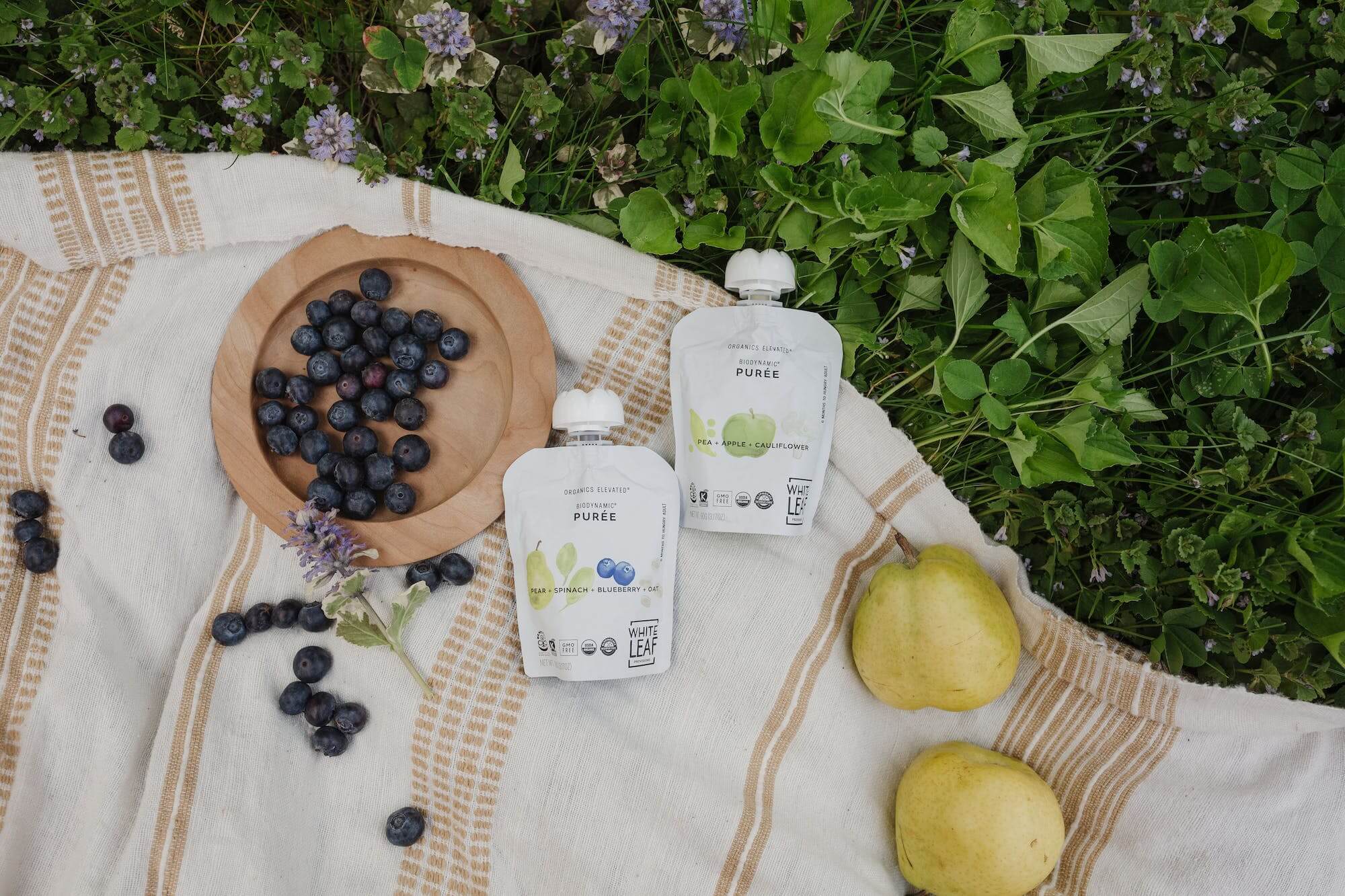
The gold standard in baby food, offering Demeter-certified biodynamic ingredients that exceed organic standards for soil health and purity.

Exquisite heirloom Malagasy cocoa produced entirely at the source in Madagascar. This professional-grade bulk trunk supports direct-trade and lemur habitat conservation.

A nutrient-dense heirloom grain sourced through fully transparent supply chains that support regenerative farming practices in the Peruvian Andes.

A women-owned B Corp that prioritizes equitable purchasing and environmental stewardship through long-term farmer partnerships.

The gold standard in European baby food, Holle's Demeter-certified porridges offer chemical-free nutrition for infants. A top-rated staple for health-conscious parents in urban environments.
More on Lean Cuisine
Is Lean Cuisine ethical? FAQs
Is Lean Cuisine cruelty-free?+
Nestlé does not test finished products on animals unless required by law.
Does Lean Cuisine have vegan products?+
No dedicated vegan range; a few meals may be accidentally vegan.
Does Lean Cuisine sell in mainland China?+
Selling through mainland Chinese retail has historically triggered post-market animal testing.
What is Lean Cuisine's ethics score?+
We don't score any Lean Cuisine products yet, so there is no ethics score. The signals above come from the brand profile and the sources listed on this page.
What are the best alternatives to Lean Cuisine?+
High-scoring food & nutrition products to compare include Dr. Bronner’s Whole Kernel Virgin Coconut Oil by Dr. Bronner's, Biodynamic Veggie & Grain Pouch Variety Pack (24-Pack) by White Leaf Provisions, Luxury Single-Origin Dark Chocolate Professional Collection - 20kg Chef's Trunk by Beyond Good.