Is Marc Jacobs ethical and cruelty-free?
Not really — Marc Jacobs fails 2 of the 4 ethics signals we track, including its animal-testing position, and holds no third-party certification we can verify.
Marc Jacobs is a New York-based luxury fashion brand known for its bold aesthetic and ready-to-wear collections, with intellectual property co-owned by WHP Global and G-III Apparel Group and an operating business owned by G-III. The brand has not earned major certifications, lacks a full vegan product line, and has no public policy against animal testing, though it must comply with Chinese regulations for its retail operations in the country.
The evidence, signal by signal
Cruelty-freeflagged
No published policy against animal testing; products sold in China may be subject to mandatory animal testing for cosmetics.
Vegan optionsunverified
We have not verified certified vegan formulations for this brand.
Sells in mainland Chinaflagged
Selling through mainland Chinese retail has historically triggered post-market animal testing.
Third-party certifiedunverified
We don't track any of this brand's products yet, so product-level certifications are unchecked.
Public pledges: Lacks brand-specific public commitments.
Scored with our public methodology. Profile last updated 2026-11-02.
Research notes on Marc Jacobs
Compiled from the brand's own statements and the public sources listed below, last reviewed 2026-11-02. We don't stock Marc Jacobs products, so nothing here is checked against product records.
Overview
Marc Jacobs is a globally recognized luxury fashion house founded in 1984 by designer Marc Jacobs. The brand is headquartered in New York City; LVMH, its former majority owner from 1997, sold Marc Jacobs in a deal that closed on 1 September 2026, with its intellectual property now co-owned 50/50 by WHP Global and G-III Apparel Group through a joint venture, its operating business owned by G-III, and Marc Jacobs remaining founder and creative director. Known for its eclectic, often provocative designs, Marc Jacobs produces ready-to-wear clothing, handbags, accessories, fragrances, and footwear. The brand has an international retail presence, but fashion-store locations do not by themselves establish animal-testing obligations for its licensed cosmetics or fragrances.
Certifications
Marc Jacobs does not currently hold any widely recognized third-party ethical certifications such as B Corp, Fair Trade, or Leaping Bunny. The brand is not certified cruelty-free by organizations like PETA or the Cruelty Free International. Similarly, it lacks environmental certifications such as Cradle to Cradle, OEKO-TEX, or Global Organic Textile Standard (GOTS). This absence of certification may be a concern for ethically minded consumers seeking independent verification of sustainability or animal-welfare claims.
Animal testing & vegan range
Marc Jacobs has not publicly adopted a fixed policy against animal testing. Eligible ordinary cosmetics imported into mainland China can qualify for animal-testing exemptions under rules effective from May 2021, so market presence alone does not establish whether a Marc Jacobs fragrance undergoes animal testing. The brand does not offer a dedicated vegan product line, and many of its leather goods and accessories use animal-derived materials such as cowhide, lambskin, and silk. While some synthetic alternatives may appear occasionally, the overall range is not vegan-friendly.
Sustainability pledges
Marc Jacobs has made limited public sustainability commitments. However, Marc Jacobs itself has not published a standalone sustainability report, and specific, measurable targets for the brand are not available. The use of recycled or organic materials is not prominently featured in its collections.
Sourcing & labor
We have not yet reviewed WHP Global’s or G-III Apparel Group’s own labor policies for this profile. However, the complexity and opacity of luxury supply chains make independent verification difficult. Marc Jacobs’ products are manufactured in various countries, including Italy, France, and China, with no publicly available list of factories.
Controversies context
Marc Jacobs has generally avoided major, sustained ethical controversies. In November 2011, the UK Advertising Standards Authority upheld complaints about a Marc Jacobs Oh, Lola! perfume advertisement featuring Dakota Fanning and ruled that it must not appear again. Additionally, the brand’s use of fur has been criticized by animal-rights groups, though it has not resulted in a large-scale boycott. These incidents are relatively minor compared to other fashion brands and have not led to significant long-term reputational damage.
Bottom line
Marc Jacobs is a style-driven luxury brand that offers high-fashion aesthetics but falls short on ethical transparency and animal-welfare commitments. Its lack of certifications, absence of a clear anti-animal-testing policy, and reliance on animal-derived materials make it a poor choice for cruelty-free and vegan consumers. Brand-specific sustainability detail remains limited. For shoppers prioritizing ethics, Marc Jacobs may not be the most aligned option unless and until it publishes robust, independent commitments.
Sources
- LVMH LIFE 360 Environmental Strategy
- PETA Cruelty-Free Brands List (Not Included)
- Marc Jacobs Official Website - About
- China Cosmetics Animal Testing Laws - Humane Society International
- LVMH Social & Environmental Responsibility Report
- G-III and WHP Global – complete acquisition of Marc Jacobs (Sep 2026)
Better-scoring alternatives to Marc Jacobs
Same categories, higher ethics scores, verified certifications.

The ultimate multi-tasker for minimalist hosts; one bottle can wash hands, body, hair, and even dishes.
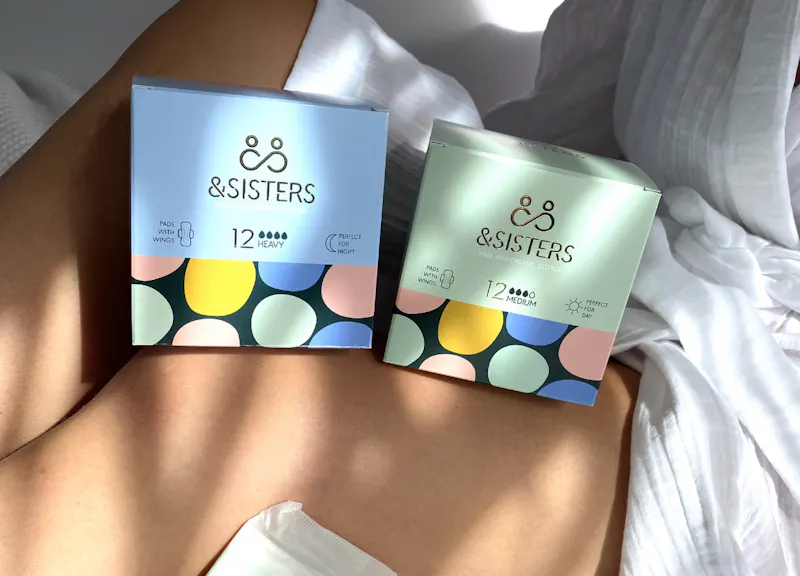
A UK-based, women-owned B Corp offering the highest ethical standard in menstrual care. This bulk 'Sisterhood' bundle features GOTS organic cotton tampons and pads with RSPO-segregated inputs, ensuring zero deforestation.
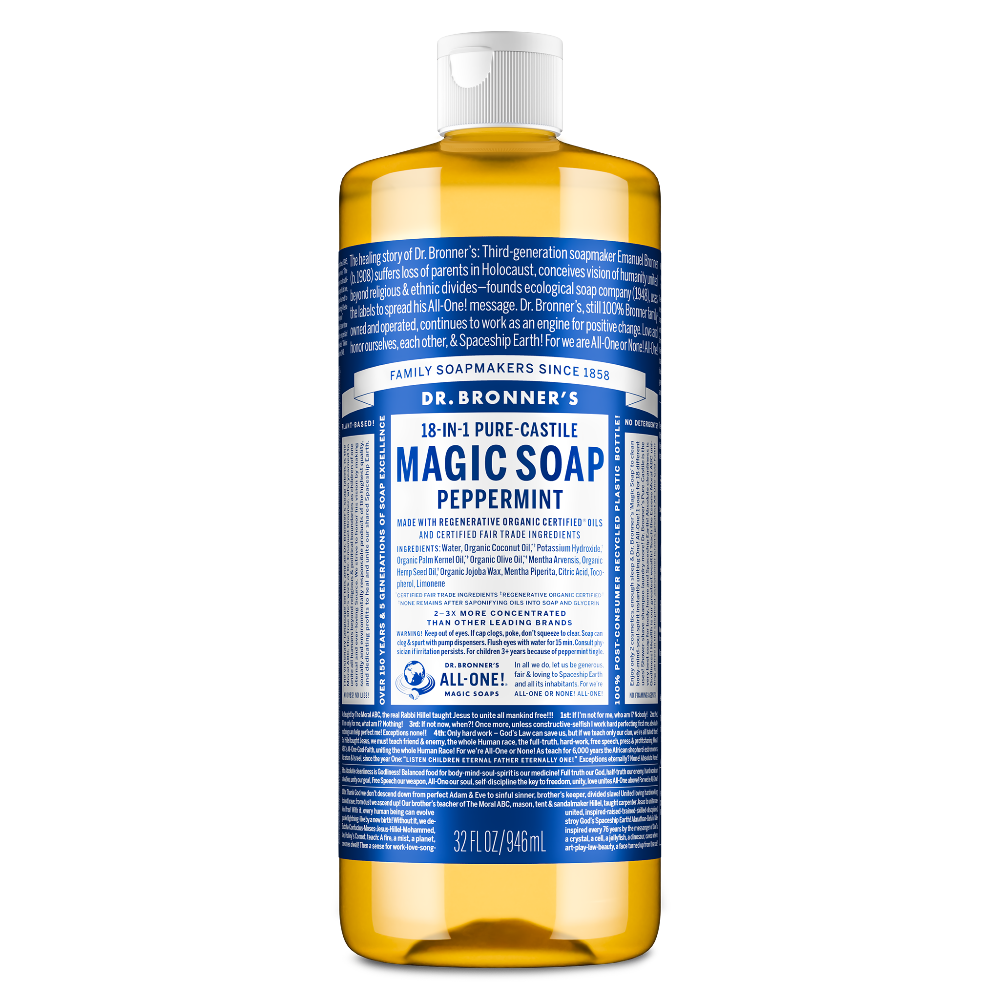
The gold standard of ethical cleaning. A highly concentrated, multi-surface liquid soap made from organic oils and fair trade ingredients in 100% PCR packaging.

The gold standard of ethical soaps, featuring regenerative organic palm oil and a legacy of fair-trade advocacy and radical transparency.
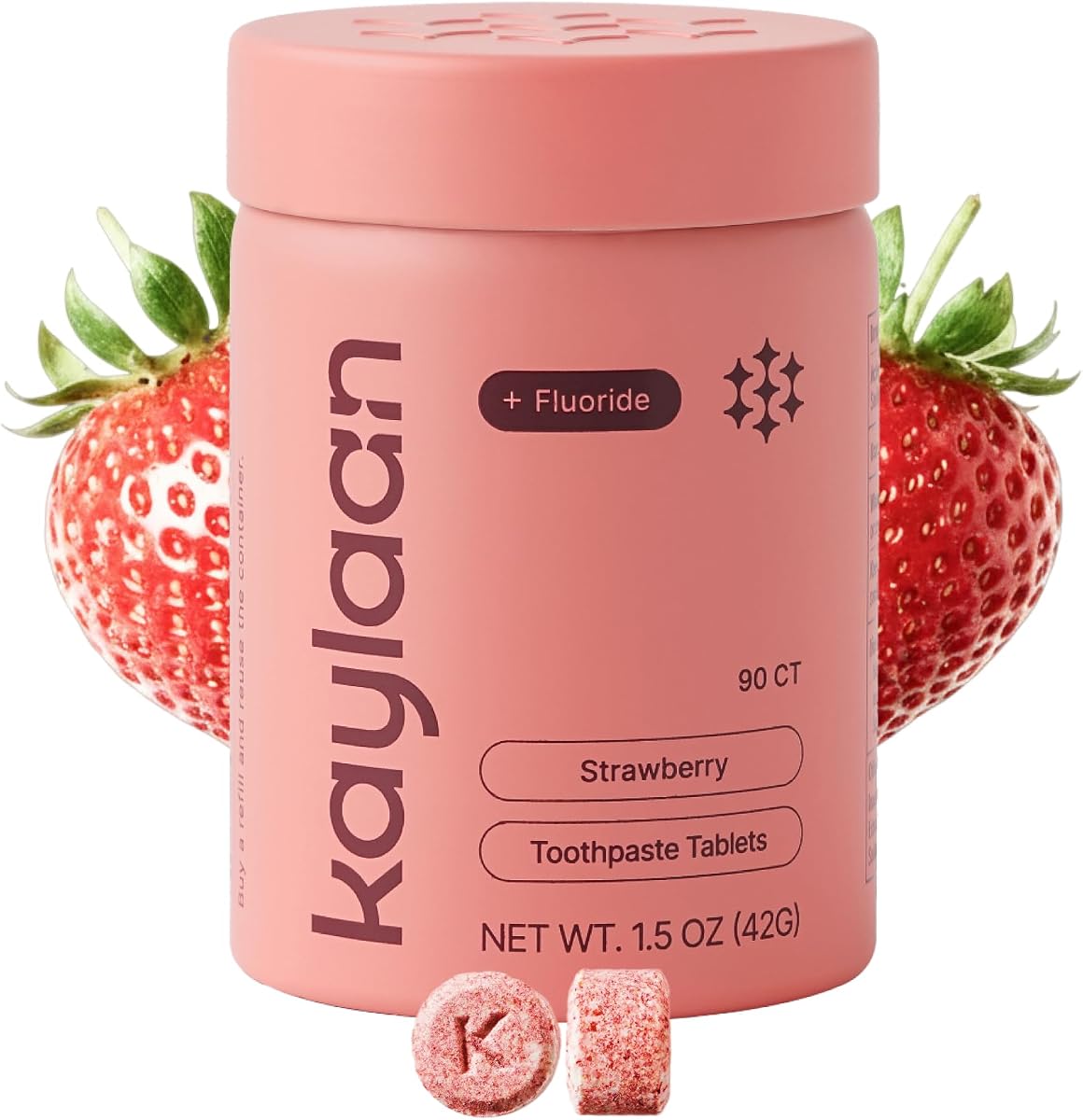
A zero-waste oral care system consisting of fluoride-free tablets in a refillable glass jar, featuring ingredients sourced from ethical Eastern European partners.

A high-potency, carbon-extracted rosehip oil designed specifically for sensitive skin, backed by rigorous B Corp standards and organic agricultural sourcing.
More on Marc Jacobs
Is Marc Jacobs ethical? FAQs
Is Marc Jacobs cruelty-free?+
No published policy against animal testing; products sold in China may be subject to mandatory animal testing for cosmetics.
Does Marc Jacobs have vegan products?+
We have not verified certified vegan formulations for this brand.
Does Marc Jacobs sell in mainland China?+
Selling through mainland Chinese retail has historically triggered post-market animal testing.
What is Marc Jacobs' ethics score?+
We don't score any Marc Jacobs products yet, so there is no ethics score. The signals above come from the brand profile and the sources listed on this page.
What are the best alternatives to Marc Jacobs?+
Higher-scoring alternatives include Dr. Bronner's 18-in-1 Pure-Castile Soap (Travel Size) by Dr. Bronner's, RSPO-Segregated Organic Intimate Care & Menstrual Set by &SISTERS, Dr. Bronner's Pure-Castile Liquid Soap (Peppermint) by Dr. Bronner's.