Is Metamucil ethical and cruelty-free?
Not really — Metamucil fails 2 of the 4 ethics signals we track, including its animal-testing position, and holds no third-party certification we can verify.
Metamucil, a Procter & Gamble brand, offers psyllium-based fiber supplements with a long-standing safety record and no major controversies, but its ethical profile is tempered by the parent company's mixed record on animal testing and limited public sustainability commitments.
The evidence, signal by signal
Cruelty-freeflagged
Procter & Gamble conducts or commissions animal testing where required by law, but does not test finished Metamucil products on animals unless legally mandated.
Vegan optionsunverified
Metamucil does not have a certified vegan product line; some sugar-free varieties are likely vegan but not labeled as such.
Sells in mainland Chinaflagged
Selling through mainland Chinese retail has historically triggered post-market animal testing.
Third-party certifiedunverified
We don't track any of this brand's products yet, so product-level certifications are unchecked.
Public pledges: No brand-specific sustainability pledges; covered by P&G's broader goals on packaging recycled content and carbon neutrality by 2040.
Scored with our public methodology. Profile last updated 2026-09-18.
Research notes on Metamucil
Compiled from the brand's own statements and the public sources listed below, last reviewed 2026-09-18. We don't stock Metamucil products, so nothing here is checked against product records.
Overview
Metamucil, owned by Procter & Gamble (P&G), is one of the most recognized brands of dietary fiber supplements in the United States. Its primary active ingredient, psyllium husk, is derived from the Plantago ovata plant. The brand focuses on digestive health, cholesterol management, and blood sugar control. While Metamucil itself has a clean safety profile with clinical studies supporting its efficacy, the ethical considerations largely stem from the practices of its parent company, P&G, which has a mixed record on animal testing and environmental sustainability.
Certifications
Metamucil products are not widely certified by independent third-party ethical standards. The brand does not carry a Leaping Bunny or PETA certification. Some products may have a Non-GMO Project verification, but this is not consistent across the full product line. The brand also lacks Fair Trade, B Corp, or Organic certifications. As of 2025, there are no prominent certifications that specifically address ethical sourcing or environmental impact for the Metamucil brand.
Animal Testing & Vegan Range
Procter & Gamble, Metamucil's parent, conducts or commissions animal testing where required by law, particularly for new ingredients or claims. However, for established ingredients like psyllium, testing is minimal. Metamucil does not market a specific vegan product line, and the Original flavor powder contains sugar (which may be processed using bone char) and is not labeled vegan. Some sugar-free varieties use artificial sweeteners and may be considered vegan, but the absence of explicit vegan labeling makes it uncertain. The brand does not hold a cruelty-free certification.
Sustainability Pledges
Metamucil itself has no publicly stated, brand-specific sustainability pledges. As part of P&G, it falls under the parent company's broader environmental goals, which include commitments to reduce plastic packaging, increase recycled content, and achieve carbon neutrality by 2040. However, P&G has been criticized for reliance on virgin plastics and slow progress toward recyclability goals. Psyllium farming has a relatively low environmental footprint, but Metamucil does not highlight water usage, agricultural practices, or supply chain emissions specific to psyllium.
Sourcing & Labor
Psyllium is primarily sourced from India and Pakistan, where the Plantago ovata plant is grown. There is limited public information about Metamucil's specific labor practices or supplier audits. P&G has a Supplier Ethical Sourcing Program that requires compliance with labor laws and prohibits child labor, but reports of poor working conditions in Indian pharmaceutical supply chains raise concerns. The brand does not have a Fair Trade certification, and the price volatility of psyllium may pressure margins, occasionally affecting farmer incomes.
Controversies Context
Metamucil itself has no major documented controversies. It has not been involved in health-related scandals, deceptive marketing lawsuits, or significant consumer complaints. However, its parent company P&G has faced controversies, including allegations of greenwashing, deforestation in palm oil supply chains, and animal testing for non-essential products. These indirect issues can be relevant for consumers evaluating the brand's ethical alignment. Overall, the brand maintains a reputation for safety and efficacy.
Bottom Line
Metamucil is a reliable and science-backed product for fiber supplementation, with no direct ethical scandals. However, for consumers seeking cruelty-free, vegan-certified, or highly sustainable supplements, the brand falls short due to P&G's animal testing policies, lack of ethical certifications, and limited transparency in sourcing. It is a middle-ground choice: safe and effective, but not a leader in ethical practices.
Better-scoring alternatives to Metamucil
Same categories, higher ethics scores, verified certifications.

The ultimate multi-tasker for minimalist hosts; one bottle can wash hands, body, hair, and even dishes.
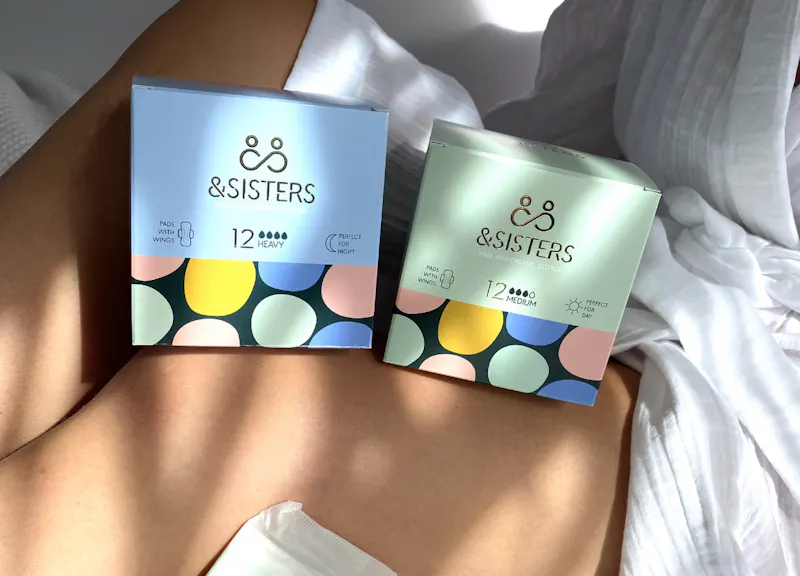
A UK-based, women-owned B Corp offering the highest ethical standard in menstrual care. This bulk 'Sisterhood' bundle features GOTS organic cotton tampons and pads with RSPO-segregated inputs, ensuring zero deforestation.
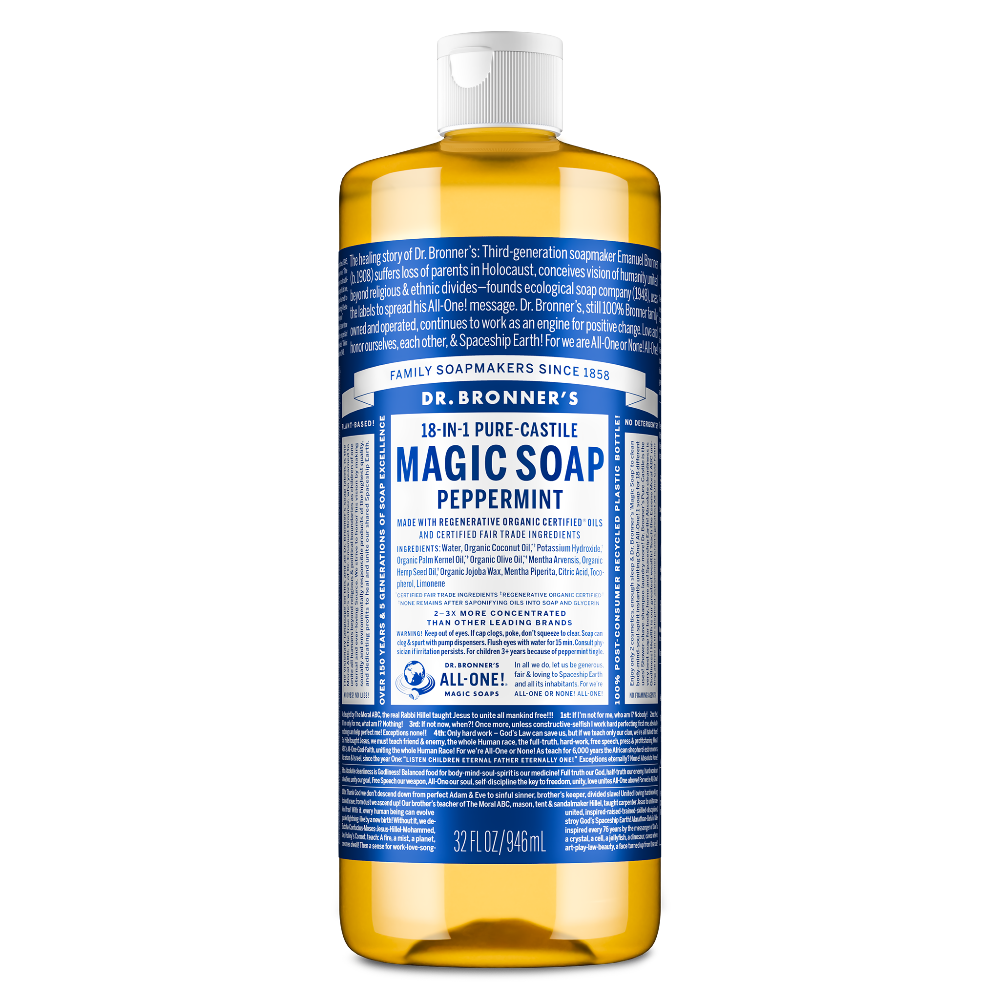
The gold standard of ethical cleaning. A highly concentrated, multi-surface liquid soap made from organic oils and fair trade ingredients in 100% PCR packaging.

The gold standard of ethical soaps, featuring regenerative organic palm oil and a legacy of fair-trade advocacy and radical transparency.
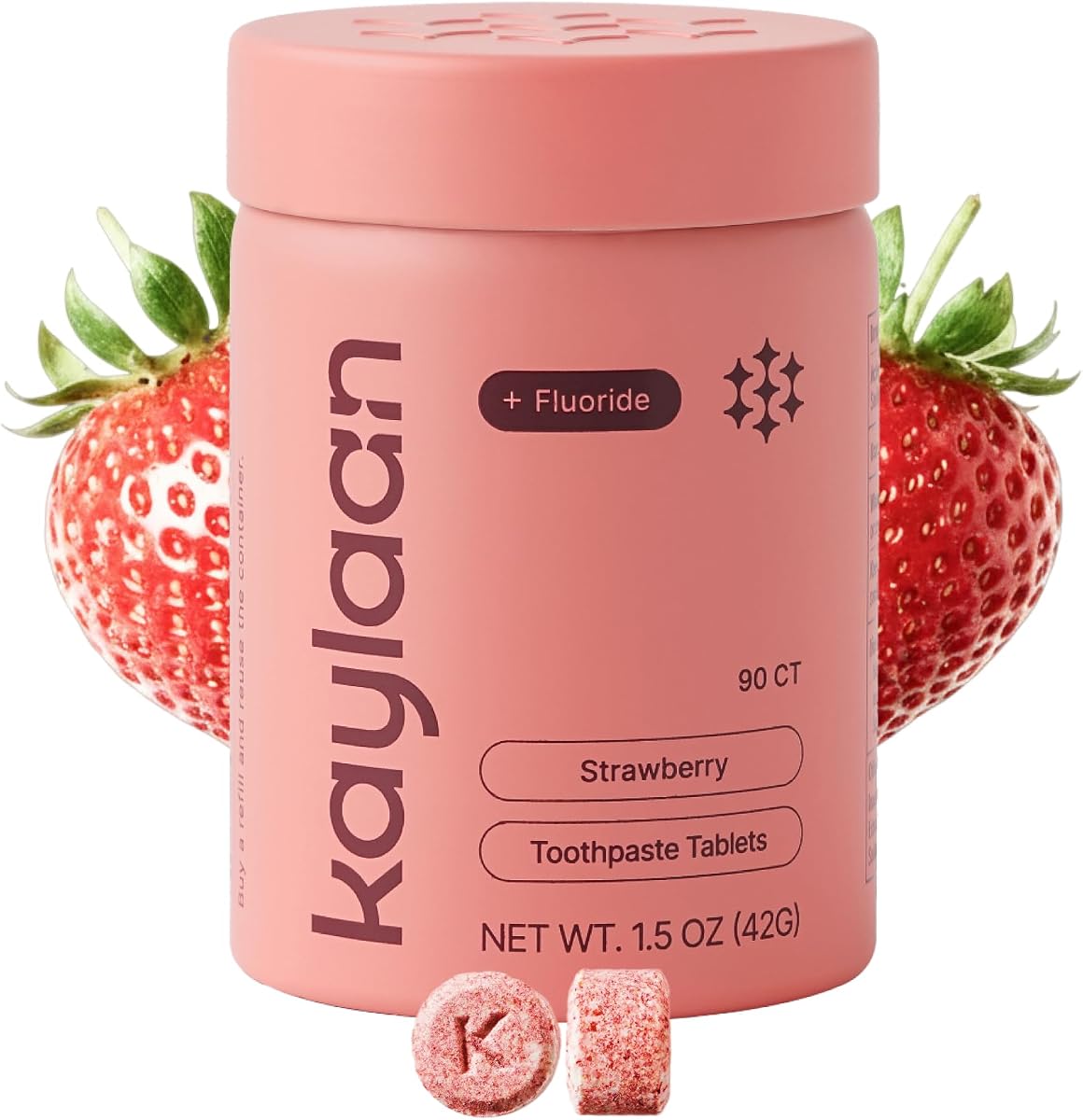
A zero-waste oral care system consisting of fluoride-free tablets in a refillable glass jar, featuring ingredients sourced from ethical Eastern European partners.

A high-potency, carbon-extracted rosehip oil designed specifically for sensitive skin, backed by rigorous B Corp standards and organic agricultural sourcing.
More on Metamucil
Is Metamucil ethical? FAQs
Is Metamucil cruelty-free?+
Procter & Gamble conducts or commissions animal testing where required by law, but does not test finished Metamucil products on animals unless legally mandated.
Does Metamucil have vegan products?+
Metamucil does not have a certified vegan product line; some sugar-free varieties are likely vegan but not labeled as such.
Does Metamucil sell in mainland China?+
Selling through mainland Chinese retail has historically triggered post-market animal testing.
What is Metamucil's ethics score?+
We don't score any Metamucil products yet, so there is no ethics score. The signals above come from the brand profile and the sources listed on this page.
What are the best alternatives to Metamucil?+
Higher-scoring alternatives include Dr. Bronner's 18-in-1 Pure-Castile Soap (Travel Size) by Dr. Bronner's, RSPO-Segregated Organic Intimate Care & Menstrual Set by &SISTERS, Dr. Bronner's Pure-Castile Liquid Soap (Peppermint) by Dr. Bronner's.