Is Mucinex ethical and cruelty-free?
We do not yet have enough verified data to score Mucinex.
Mucinex, owned by Reckitt Benckiser, is a leading over-the-counter brand specializing in respiratory health products. While it holds no major ethical controversies, its parent company has faced criticism for environmental pollution and animal testing practices, though Mucinex itself is not tested on animals.
The evidence, signal by signal
Cruelty-freeunverified
Mucinex products are not tested on animals by the company, but some ingredients may be tested by third-party suppliers.
Vegan optionsunverified
We have not verified certified vegan formulations for this brand.
Third-party certifiedunverified
We don't track any of this brand's products yet, so product-level certifications are unchecked.
Public pledges: Reckitt Benckiser aims for 100% recyclable packaging by 2030 and carbon neutral operations by 2040.
Scored with our public methodology. Profile last updated 2026-10-05.
How we reached this verdict on Mucinex
Each signal is built from the product records and certifications we hold for Mucinex, its brand profile and the sources that profile lists. Scores are AI-assisted catalogue assessments, not audits, so check the named certificate or policy before relying on it. Where a claim cannot be confirmed from those records, the signal is marked unclear rather than assumed positive.
How to read this page
Four questions decide most ethical-shopping decisions about a brand like Mucinex. Work through them in order.
- 1Testing: is there third-party cruelty-free certification, and does the brand sell in markets where animal testing can still be required?
- 2Ingredients and materials: vegan formulation is a separate question from cruelty-free, and a brand can be one without the other.
- 3Ownership: a certified brand inside a group that still tests, or that is linked to documented controversies, is a different decision than an independent one.
- 4Packaging and transparency: refills, recycled content and published supplier data are where most brands quietly lose points.
Research notes on Mucinex
Compiled from the brand's own statements and the public sources listed below, last reviewed 2026-10-05. We don't stock Mucinex products, so nothing here is checked against product records.
Overview
Mucinex is a brand of over-the-counter medications primarily used to relieve chest congestion and cold symptoms. It is manufactured by Reckitt Benckiser (RB), a British multinational consumer goods company. RB also owns brands like Dettol, Lysol, and Nurofen. Mucinex products are widely available in the US and Canada. The brand is known for its trademarked 'BubblePak' delivery system. As of 2025, Mucinex has not been the subject of any major ethical scandals, but its parent company's broader practices warrant examination.
Certifications
Mucinex products are not certified by Leaping Bunny, PETA, or any major cruelty-free certification body. They do not carry organic, Fair Trade, or B Corp certifications. Some products are sold in recyclable packaging, but no external eco-labels (e.g., FSC, Cradle to Cradle) are prominently associated with the brand.
Animal testing & vegan range
Reckitt Benckiser states that it does not test finished products on animals unless required by law. However, some ingredients may be tested by third-party suppliers. Mucinex products are not marketed as vegan, and many contain active ingredients like guaifenesin that are synthetically produced. The brand does not offer a specific vegan product line.
Sustainability pledges
Reckitt has committed to reducing plastic use by 35% by 2025 and achieving 100% recyclable or reusable packaging by 2030. However, Mucinex’s packaging still often includes plastic blister packs and external cardboard that are not widely recycled. The company also has a goal to be carbon neutral in its operations by 2040. Critics note that progress has been slow, and the brand has not provided detailed public reports on Mucinex-specific supply chain emissions.
Sourcing & labor
Reckitt Benckiser has a global supply chain code of conduct that prohibits child labor, forced labor, and discrimination. They require suppliers to meet these standards. However, independent audits have flagged instances of non-compliance in the past, particularly in lower-tier suppliers. There is no publicly available information about labor practices specific to Mucinex ingredient sourcing.
Controversies context
While Mucinex itself has no major controversies, Reckitt Benckiser has faced legal actions over misleading advertising for other brands (e.g., Dettol) and environmental violations at manufacturing facilities. In 2023, RB paid a fine for water pollution in the UK. These issues do not directly involve Mucinex but reflect on the parent company's ethics. The brand has not been linked to any health scandals, product recalls, or labor disputes.
Bottom line
Mucinex is a functional brand with no standout ethical failures but also no strong ethical leadership. Its parent company has made sustainability promises but has not fully delivered. If you prioritize cruelty-free or vegan personal care, you may want to consider alternatives. However, for effective respiratory relief without major controversy, Mucinex remains a mainstream choice.
High-scoring health & wellness picks to compare
Top-scoring products from other brands in the category Mucinex sells in. A starting point for comparison, not proof that each one beats Mucinex.

A fluoride-free, 70% organic toothpaste that leads the industry in fair trade sourcing and activist corporate governance.

A hand-crafted, raw wellness balm produced by women’s cooperatives in Ghana, ideal for gluten-free skin nutrition and head-to-toe hydration.

A gold-standard adaptogenic supplement produced through regenerative agriculture and fair trade partnerships with small family farmers in India.

A premium, hypoallergenic lumbar support pillow made from 100% GOLS organic certified latex and GOTS organic cotton, ideal for posture correction during downsizing transitions.

The gold standard for eco-friendly yoga mats, made from sustainably harvested natural rubber with a tree planted for every mat sold.
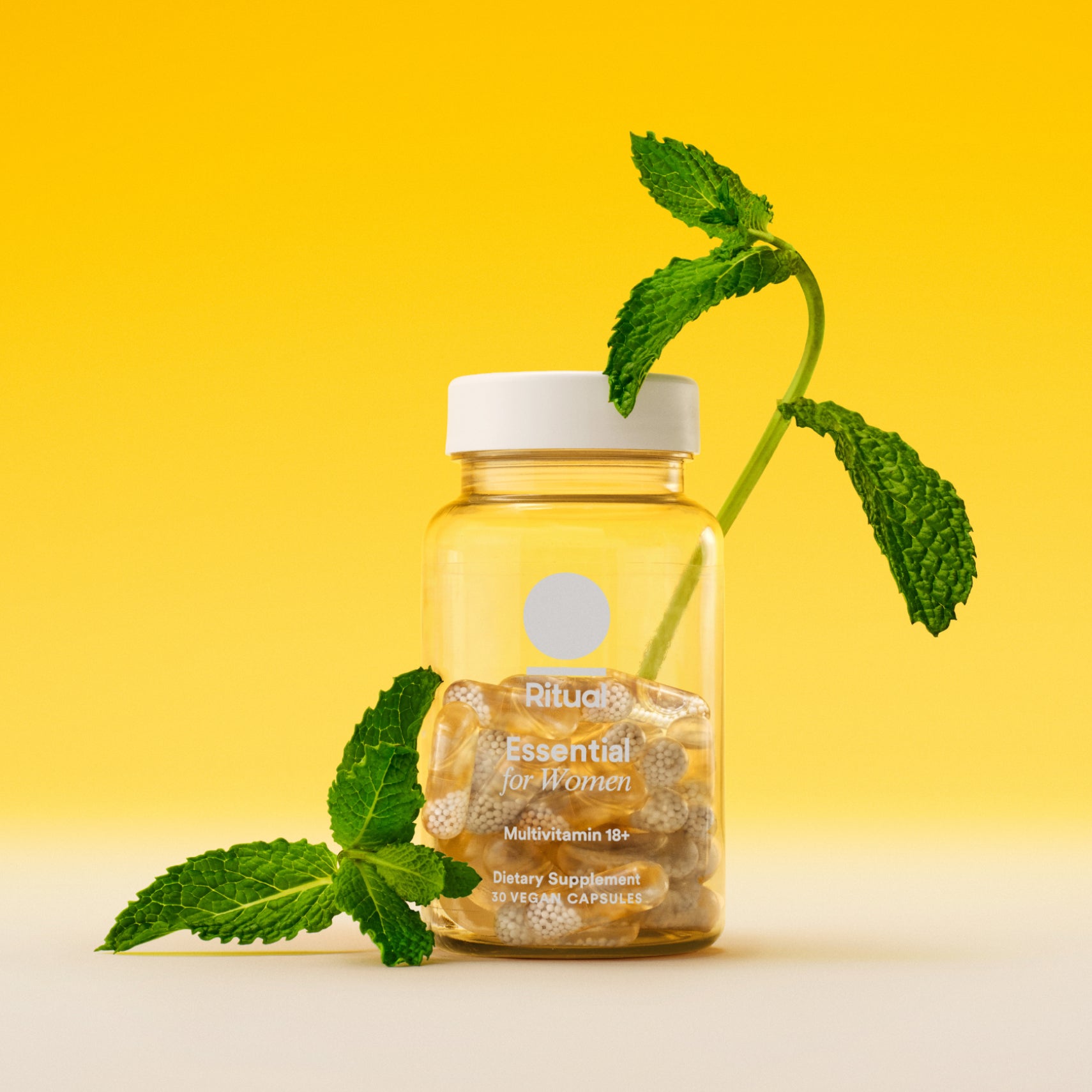
A transparently sourced, delayed-release multivitamin designed specifically for women, featuring a traceable supply chain and high-quality vegan ingredients.
More on Mucinex
What the score looks at
Each 0–100 score is an AI-assisted catalogue assessment with five recorded dimensions, not a fixed-weight calculation or an audit. Brands cannot buy a position, and a missing disclosure limits what can be assessed rather than being assumed positive.
Animal welfare
Third-party cruelty-free and vegan certification, animal-derived inputs, testing policy in every market the brand sells in.
Materials & sourcing
Organic, recycled or regenerative inputs, traceability to farm or mill, deforestation and biodiversity risk.
Labour & human rights
Living-wage commitments, published supplier lists, audit results and remediation, Fair Trade certification.
Packaging & waste
Recycled content, plastic intensity, refill or take-back options, real end-of-life recyclability.
Transparency
Public reporting, verifiable claims, parent-company disclosure and how quickly the brand answers questions.
Reading the score
Leader
80–100
Multiple independent certifications, published supply chain, credible reductions.
Strong
65–79
Solid certified core with one weak pillar, usually packaging or labour disclosure.
Mixed
50–64
Real progress in places, significant gaps elsewhere — read the detail before buying.
Weak
0–49
Little verified evidence, or an ownership structure that contradicts the marketing.
Six checks for any ethical purchase
A ranking gets you to a shortlist; these checks tell you whether a specific product is right for your household. Work through them in order — the first two rule out most greenwashing on their own.
Buying checklist
- Check the certification, not the adjective: a logo from Leaping Bunny, Vegan Society, GOTS, Fair Trade or B Corp is auditable; the words "natural" and "clean" are not.
- Look up the parent company — a certified brand owned by a group that still tests where the law requires it is a different decision than an independent one.
- Read the full ingredient or material list, not the front-of-pack claim; a single animal-derived or high-impact input can undo the rest.
- Prefer refills, concentrates and take-back schemes: packaging is usually the fastest win in this category.
- Compare cost per use rather than shelf price, including dose, refill costs and how long you will actually use the item.
- Buy the thing you will actually finish or wear a hundred times; the lowest-impact purchase is still the one you do not replace.
Is Mucinex ethical? FAQs
Is Mucinex cruelty-free?+
Mucinex products are not tested on animals by the company, but some ingredients may be tested by third-party suppliers.
Does Mucinex have vegan products?+
We have not verified certified vegan formulations for this brand.
What is Mucinex's ethics score?+
We don't score any Mucinex products yet, so there is no ethics score. The signals above come from the brand profile and the sources listed on this page.
What are the best alternatives to Mucinex?+
High-scoring health & wellness products to compare include Dr. Bronner's All-One Toothpaste by Dr. Bronner's, Single Origin Shea Butter (Unrefined) by Baraka, Organic India Ashwagandha Capsules by Organic India.