Is mudpuppy ethical and cruelty-free?
Not really — mudpuppy fails 2 of the 4 ethics signals we track, including its animal-testing position, and holds no third-party certification we can verify.
Mudpuppy, a subsidiary of Galison, is a US-based puzzle and game brand known for its vibrant, educational products. It holds FSC certification and contributes to environmental causes via 1% for the Planet, though it lacks comprehensive public disclosures on labor sourcing and animal testing policies.
The evidence, signal by signal
Cruelty-freeflagged
No official policy on animal testing of components or finished products; not required under CPSIA.
Vegan optionsunverified
No dedicated vegan range; most paper-based puzzles are vegan but not labeled.
Sells in mainland Chinaflagged
Selling through mainland Chinese retail has historically triggered post-market animal testing.
Third-party certifiedunverified
We don't track any of this brand's products yet, so product-level certifications are unchecked.
Public pledges: mudpuppy uses recycled PCW paper, vegetable-based inks, and donates 1% of sales to environmental groups.
Scored with our public methodology. Profile last updated 2026-09-04.
Research notes on mudpuppy
Compiled from the brand's own statements and the public sources listed below, last reviewed 2026-09-04. We don't stock mudpuppy products, so nothing here is checked against product records.
Overview
Mudpuppy, founded in 2000 and headquartered in New York, is a boutique brand specializing in children’s puzzles, games, and activity books. The brand is a division of Galison, a stationery company with a focus on design and sustainability. Mudpuppy’s products are widely sold in the US and internationally, including China. The brand is particularly noted for its ‘Classic World Map Jigsaw Puzzle’ (often rated around 76/100 on ethical product comparison sites) and its commitment to using recycled materials and plant-based inks. While Mudpuppy does not have a dedicated global labor audit program, its parent company Galison has a code of conduct for suppliers. The brand has avoided major controversies, but its supply chain transparency remains limited compared to industry leaders.
Certifications
Mudpuppy holds two key third-party certifications: FSC Certified (Forest Stewardship Council) for its paper-based puzzles, ensuring that the wood fiber used originates from responsibly managed forests. It is also a member of 1% for the Planet, pledging 1% of annual sales to environmental nonprofits. Mudpuppy does not currently hold B Corp or Fair Trade certifications. The brand uses vegetable-based inks, but this claim is not independently verified by a certification body. For consumers seeking verified eco-labels, the FSC and 1% for the Planet seals are the most reliable indicators.
Animal testing & vegan range
Mudpuppy does not produce toys or puzzles that are typically subject to animal testing (e.g., cosmetics or electronics). The company states that it does not test finished products on animals, but it does not provide a formal policy on ingredient or component testing by suppliers. Most Mudpuppy products, including puzzles and games made from paper, cardboard, and pigments, are vegan (free from animal-derived materials). However, the brand does not label products as ‘vegan’ or provide a specific vegan product range. Consumers concerned about animal-derived glues or dyes should contact Mudpuppy directly for item-level confirmation.
Sustainability pledges
Mudpuppy has made several public sustainability commitments. The brand uses post-consumer waste (PCW) recycled paper for puzzle boxes and inserts, and all puzzles are printed with vegetable-based inks. Through its 1% for the Planet membership, Mudpuppy donates to environmental organizations such as the National Forest Foundation and Ocean Conservancy. The brand also produces a line of ‘Mudpuppy Eco’ products made from 100% recycled materials. However, the company does not publish a comprehensive sustainability report or set specific carbon reduction targets. Its pledges are communicated primarily through product packaging and its website, and there is no third-party audit of these claims beyond FSC chain-of-custody.
Sourcing & labor
Mudpuppy’s puzzles are manufactured in China, with assembly and packaging also largely based there. The company’s parent, Galison, has a Supplier Code of Conduct that requires compliance with local labor laws, prohibition of child and forced labor, and safe working conditions. However, Mudpuppy does not publicly disclose factory lists, audit reports, or a social compliance program. There have been no reports of labor violations specific to Mudpuppy or Galison, but the lack of transparency is a concern for ethically conscious buyers. Compared to brands that share factory info and SA8000 or BSCI certifications, Mudpuppy’s labor transparency is below average.
Controversies context
Mudpuppy has no major controversies on record. It has not been implicated in scandals related to labor abuses, environmental violations, or product safety issues. The brand’s products comply with US Consumer Product Safety Improvement Act (CPSIA) regulations, including lead and phthalate limits. Some consumer feedback has noted that puzzle pieces can have minor dust or quality variance, but there are no systemic ethical issues. The absence of controversy is a positive sign, but it should be weighed against the brand’s relative lack of independent verification for its ethical claims.
Bottom line
Mudpuppy is a solid choice for consumers seeking FSC-certified, eco-minded puzzles with a charitable contribution component. Its strengths lie in its certifications, use of recycled materials, and clean controversy record. However, the brand falls short on supply chain transparency and lacks a formal animal testing policy or vegan product designation. It sells products in China and sources from there, but without public factory audits. Overall, Mudpuppy earns a moderate-to-good ethical rating, best suited for shoppers who prioritize environmental certifications over fully transparent labor practices.
High-scoring toys & games picks to compare
Top-scoring products from other brands in the category mudpuppy sells in. A starting point for comparison, not proof that each one beats mudpuppy.

Handcrafted in Egypt using organic cotton, these rattles support fair trade practices and sustainable agriculture in the Nile Delta.

A masterpieces of sustainable wooden design, this fire station is crafted from PlanWood and reclaimed rubberwood, utilizing a zero-waste production process.
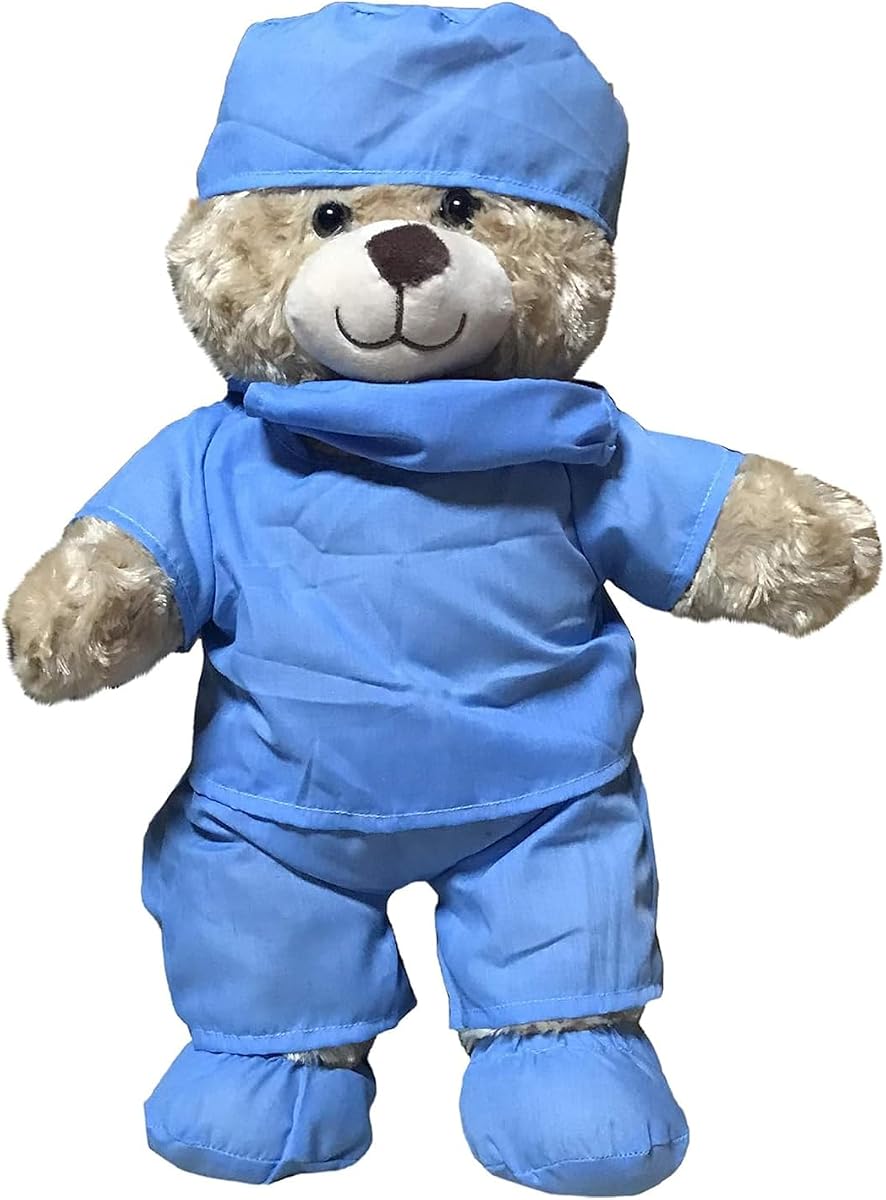
A Women-owned, BIPOC-led brand producing hand-stuffed organic cotton bears through a fair-trade welfare-to-work program.

Hand-knit heirloom dolls that provide 10 meals to children in need for every doll sold, crafted by artisans in Peru under fair trade conditions.

A handmade, modular wooden board game set produced in the Netherlands by a social enterprise that provides stable employment and craft training to refugees and newcomers.

Handcrafted plush toys using GOTS-certified organic cotton from Peru, featuring regional wildlife to educate guests on biodiversity.
More on mudpuppy
Is mudpuppy ethical? FAQs
Is mudpuppy cruelty-free?+
No official policy on animal testing of components or finished products; not required under CPSIA.
Does mudpuppy have vegan products?+
No dedicated vegan range; most paper-based puzzles are vegan but not labeled.
Does mudpuppy sell in mainland China?+
Selling through mainland Chinese retail has historically triggered post-market animal testing.
What is mudpuppy's ethics score?+
We don't score any mudpuppy products yet, so there is no ethics score. The signals above come from the brand profile and the sources listed on this page.
What are the best alternatives to mudpuppy?+
High-scoring toys & games products to compare include Organic Cotton Veggie Rattles by Under the Nile, PlanWorld Fire Station by PlanToys, Earth-Safe Organic Teddy Bear by Bears for Humanity.