Is Nice 'n Easy ethical and cruelty-free?
Not really — Nice 'n Easy fails 2 of the 4 ethics signals we track, including its animal-testing position, and holds no third-party certification we can verify.
Nice 'n Easy, a Clairol brand owned by Coty Inc., offers affordable at-home hair color but lacks third-party certifications and robust ethical commitments, balancing accessibility with limited transparency on animal testing and sustainability.
The evidence, signal by signal
Cruelty-freeflagged
Parent company Coty Inc. does not test on animals except where required by law, and sales in China likely trigger mandatory animal testing for hair dyes.
Vegan optionsunverified
No certified vegan range exists; some products may contain animal-derived ingredients, but the brand does not label them.
Sells in mainland Chinaflagged
Selling through mainland Chinese retail has historically triggered post-market animal testing.
Third-party certifiedunverified
We don't track any of this brand's products yet, so product-level certifications are unchecked.
Public pledges: Coty Inc. targets net-zero emissions by 2040 and 100% renewable electricity by 2030, but Nice 'n Easy-specific packaging and recycling commitments are not public.
Scored with our public methodology. Profile last updated 2026-09-19.
Research notes on Nice 'n Easy
Compiled from the brand's own statements and the public sources listed below, last reviewed 2026-09-19. We don't stock Nice 'n Easy products, so nothing here is checked against product records.
Overview
Nice 'n Easy is a widely recognized hair-dye brand under the Clairol umbrella, which is owned by the global beauty conglomerate Coty Inc. Known for its 'root touch-up' and permanent color kits, the brand positions itself as a user-friendly, budget-friendly option for consumers. However, from an ethical standpoint, Nice 'n Easy operates within a complex supply chain that raises questions about animal testing, environmental impact, and labor practices. While there are no major controversies on record, the brand's parent company has faced criticism over sustainability and transparency. This profile evaluates publicly available data to help consumers make informed choices.
Certifications
Nice 'n Easy does not carry any widely recognized third-party certifications such as Leaping Bunny, Cruelty Free International, Vegan Society, Fair Trade, or B Corp. The brand also lacks USDA Organic or Ecocert credentials. This absence is notable for a mass-market product, suggesting limited commitment to independent verification of ethical claims. Some ingredients may be derived from natural sources, but no certification backs these assertions.
Animal testing & vegan range
Coty Inc., the parent company, has a mixed record on animal testing. As of 2025, Coty states it does not test finished products on animals except where required by law (e.g., China's pre-market testing mandates). However, Coty sells products in mainland China via retail channels and online, which historically required animal testing for imported cosmetics. Since 2021, China has relaxed some testing requirements for 'ordinary' cosmetics, but hair dyes (classified as 'special use') still face mandatory animal testing. Therefore, Nice 'n Easy likely continues to be subject to animal testing for compliance in China. The brand does not offer a certified vegan range, and while some products may be plant-derived, there is no official labeling. Consumers seeking cruelty-free options should note that Nice 'n Easy is not listed on any major cruelty-free certification database.
Sustainability pledges
Coty Inc. has published a 'Beauty That Lasts' sustainability strategy, targeting net-zero greenhouse gas emissions by 2040, 100% renewable electricity by 2030, and reduced water use in manufacturing. However, these commitments are corporate-wide and not specific to Nice 'n Easy. The brand's packaging is predominantly plastic, with no public targets for recycled content or recyclability. Coty reports using some PCR (post-consumer recycled) materials across its portfolio, but the percentage allocated to Nice 'n Easy is unclear. The brand does not have a take-back or refill program. Given Low consumer visibility, sustainability pledges remain aspirational rather than audited.
Sourcing & labor
Coty's supply chain risk is moderate. The company has a Supplier Code of Conduct aligned with UN Guiding Principles on Business and Human Rights, including prohibitions on child labor and forced labor. However, third-party audits are not publicly disclosed in detail. Hair dye ingredients like PPD (paraphenylenediamine) and other synthetic chemicals are sourced from global suppliers, and traceability is limited. Coty is a signatory to the Responsible Mica Initiative, aiming to eliminate child labor in mica mining. This is relevant as some hair colors contain mica for shimmer effects. Overall, labor practices appear compliant with industry standards but lack the transparency of brands that provide fully traceable supply chains or Fair Trade certifications.
Controversies context
There are no major scandals directly tied to Nice 'n Easy. However, the broader Clairol brand has faced historical lawsuits related to hair dye allergies (though not unique to Nice 'n Easy). Coty Inc. has been involved in disputes over testing methods with animal rights groups, but no active boycotts or high-profile controversies are currently recorded. This neutral record may be due to the brand's lower profile rather than proactive ethics.
Bottom line
Nice 'n Easy offers convenience and affordability but falls short for the ethically conscious consumer. Without certifications, a clear animal-testing policy that accounts for China sales, or visible sustainability initiatives, it ranks low among ethical hair-color brands. For comparable products with better ethics, consider brands certified by Leaping Bunny or such as Naturtint or Overtone. If you value transparency and cruelty-free assurance, avoid Nice 'n Easy until Coty provides third-party verification and China sales cessation.
Better-scoring alternatives to Nice 'n Easy
Same categories, higher ethics scores, verified certifications.

The ultimate multi-tasker for minimalist hosts; one bottle can wash hands, body, hair, and even dishes.
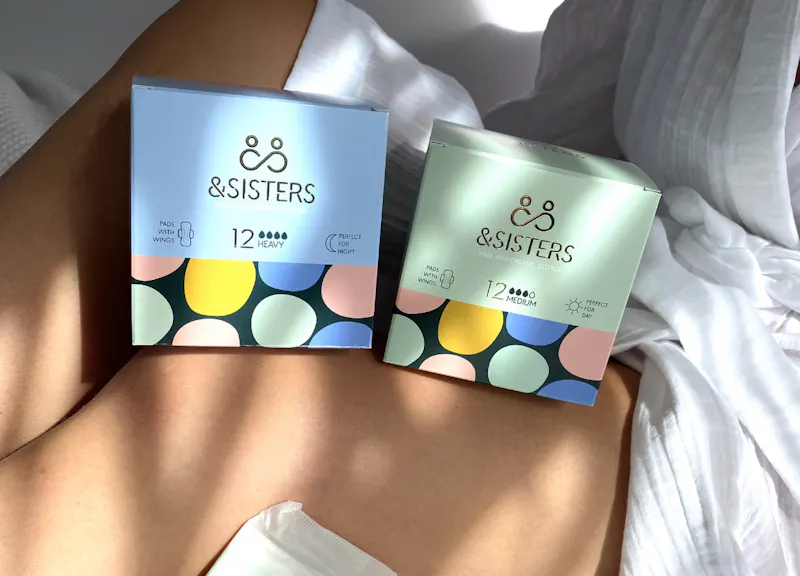
A UK-based, women-owned B Corp offering the highest ethical standard in menstrual care. This bulk 'Sisterhood' bundle features GOTS organic cotton tampons and pads with RSPO-segregated inputs, ensuring zero deforestation.
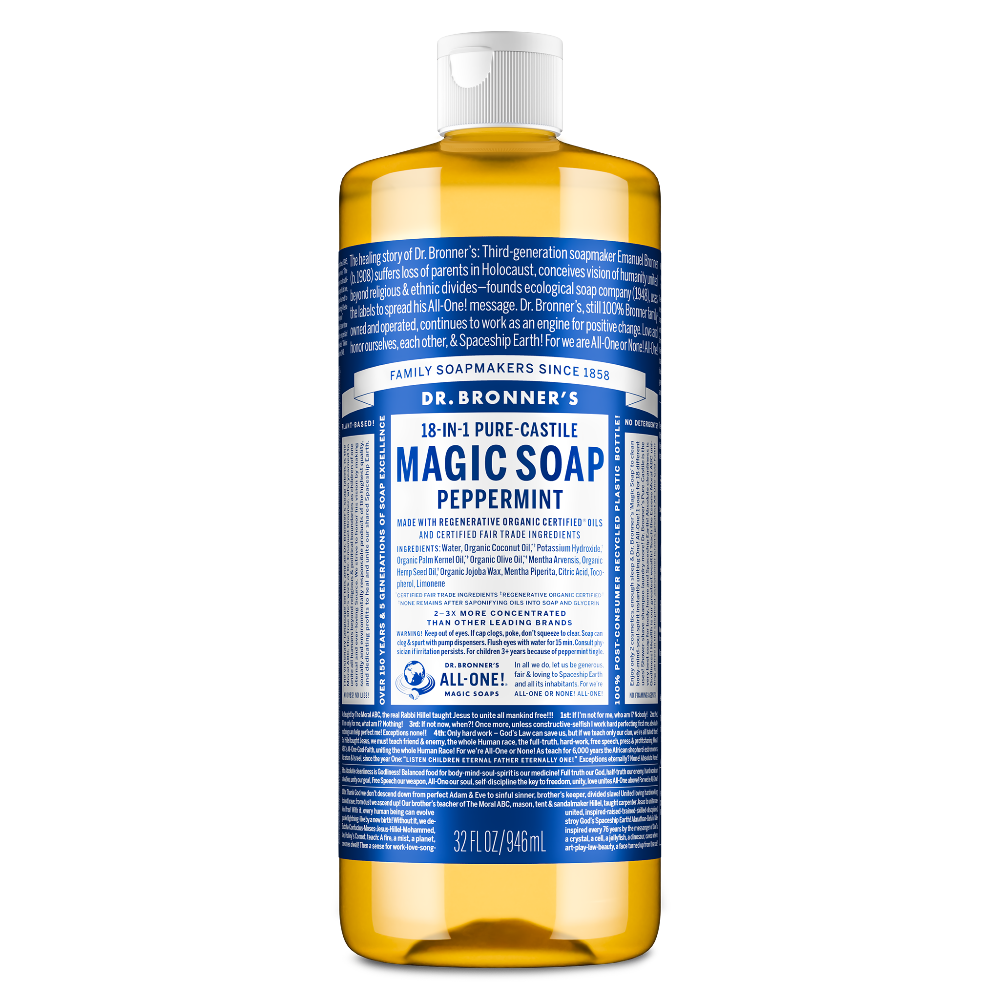
The gold standard of ethical cleaning. A highly concentrated, multi-surface liquid soap made from organic oils and fair trade ingredients in 100% PCR packaging.

The gold standard of ethical soaps, featuring regenerative organic palm oil and a legacy of fair-trade advocacy and radical transparency.
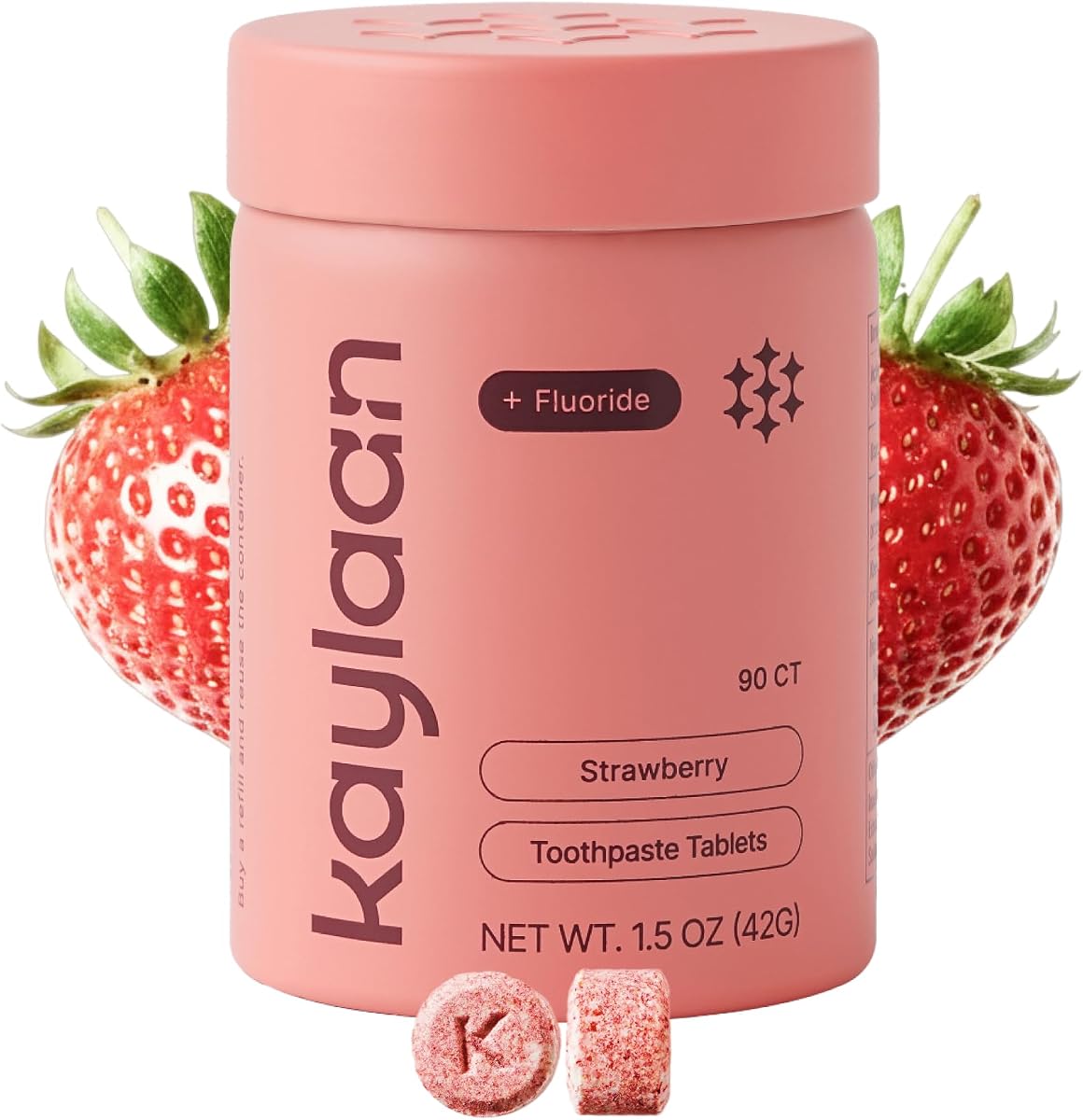
A zero-waste oral care system consisting of fluoride-free tablets in a refillable glass jar, featuring ingredients sourced from ethical Eastern European partners.

A high-potency, carbon-extracted rosehip oil designed specifically for sensitive skin, backed by rigorous B Corp standards and organic agricultural sourcing.
More on Nice 'n Easy
Is Nice 'n Easy ethical? FAQs
Is Nice 'n Easy cruelty-free?+
Parent company Coty Inc. does not test on animals except where required by law, and sales in China likely trigger mandatory animal testing for hair dyes.
Does Nice 'n Easy have vegan products?+
No certified vegan range exists; some products may contain animal-derived ingredients, but the brand does not label them.
Does Nice 'n Easy sell in mainland China?+
Selling through mainland Chinese retail has historically triggered post-market animal testing.
What is Nice 'n Easy's ethics score?+
We don't score any Nice 'n Easy products yet, so there is no ethics score. The signals above come from the brand profile and the sources listed on this page.
What are the best alternatives to Nice 'n Easy?+
Higher-scoring alternatives include Dr. Bronner's 18-in-1 Pure-Castile Soap (Travel Size) by Dr. Bronner's, RSPO-Segregated Organic Intimate Care & Menstrual Set by &SISTERS, Dr. Bronner's Pure-Castile Liquid Soap (Peppermint) by Dr. Bronner's.