Is Orbit ethical and cruelty-free?
Mixed — Orbit clears 1 of 4 ethics signals and fails 1, so it depends which issue matters most to you.
Orbit is a major chewing gum brand owned by Mars, Incorporated, with no major ethical controversies on record but also lacking robust third-party certifications for animal testing or sustainability. Its vegan status is partially clear, and it has made some environmental pledges, though the parent company faces scrutiny over labor practices and animal testing policies.
The evidence, signal by signal
Cruelty-freeverified
Mars does not test finished products on animals unless required by law, but lacks Leaping Bunny or PETA certification.
Vegan optionsunverified
Most standard Orbit gums are vegan, but no official vegan certification or dedicated vegan range exists.
Sells in mainland Chinaflagged
Selling through mainland Chinese retail has historically triggered post-market animal testing.
Third-party certifiedunverified
We don't track any of this brand's products yet, so product-level certifications are unchecked.
Public pledges: Mars aims for net-zero emissions by 2050, 100% recyclable packaging by 2025, and RSPO-certified palm oil sourcing.
Scored with our public methodology. Profile last updated 2026-10-03.
Research notes on Orbit
Compiled from the brand's own statements and the public sources listed below, last reviewed 2026-10-03. We don't stock Orbit products, so nothing here is checked against product records.
Overview
Orbit is a brand of sugar-free chewing gum owned by Mars, Incorporated, one of the world's largest confectionery and pet care companies. Originally launched in the 1970s, Orbit is widely available globally and is known for its dental health positioning, often carrying the American Dental Association Seal of Acceptance. As a subsidiary of Mars, Orbit operates under the company’s broader sustainability and corporate responsibility frameworks. While Mars has made some public commitments, the brand itself does not hold prominent ethical certifications, and consumers seeking transparency on animal testing or vegan status may need to dig deeper into parent company policies.
Certifications
Orbit does not carry widely recognized third-party ethical certifications such as Fair Trade, Rainforest Alliance, or Vegan Society certification. The main external certification associated with the brand is the American Dental Association (ADA) Seal of Acceptance for certain Orbit products, which is specific to dental health claims, not ethical production. Mars, its parent company, is a member of the Roundtable on Sustainable Palm Oil (RSPO) and participates in the International Cocoa Initiative, but these are not brand-specific labels.
Animal testing & vegan range
Mars, Incorporated has a formal policy stating that it does not conduct animal testing on finished products unless required by law. However, some ingredients may be tested by third parties, and the company has not secured Leaping Bunny or PETA cruelty-free certification. Most Orbit gum products are vegan, as they typically do not contain animal-derived ingredients (e.g., gelatin), but some flavors or regional variations may use beeswax or other non-vegan components. Mars does not label Orbit products as vegan, so consumers should check individual ingredient lists. The brand does not offer a dedicated vegan range.
Sustainability pledges
Mars has set several sustainability targets, including achieving net-zero greenhouse gas emissions across its full value chain by 2050, reducing plastic packaging, and sourcing 100% of its palm oil from certified sustainable sources by 2022 (RSPO certification). Orbit packaging is typically made from non-recyclable plastic blister packs, though Mars has committed to making all packaging recyclable, reusable, or compostable by 2025. The company also participates in waste reduction initiatives, but specific Orbit-branded sustainability claims are limited.
Sourcing & labor
Mars has a Human Rights Policy and a Supplier Code of Conduct aimed at preventing forced labor, child labor, and unsafe working conditions in its supply chain. The company publishes an annual Sustainability Report and participates in the Sedex platform for ethical trade audits. However, like many large multinationals, Mars has faced criticism over opaque supply chains, particularly in cocoa and mint sourcing. Orbit uses synthetic flavorings and sweeteners, which reduces reliance on controversial raw materials, but the parent company’s overall labor practices remain under scrutiny from advocacy groups such as KnowTheChain, which has rated Mars below average on transparency and remediation.
Controversies context
No major controversies have been directly linked to the Orbit brand. Mars, as a whole, has faced criticism over its use of plastics (particularly non-recyclable blister packaging), the health impacts of its products (e.g., sugar content, though Orbit is sugar-free), and historical reports of child labor in its cocoa supply chain. However, Orbit has not been the subject of specific scandals or consumer boycotts. The brand generally maintains a low ethical risk profile but is not considered a leader in sustainability or animal welfare.
Bottom line
Orbit is a convenient, widely available sugar-free gum from a large parent company with some sustainability ambitions, but it lacks the certifications and transparency that ethically conscious consumers often seek. If you prioritize vegan labeling, cruelty-free certification, or fully traceable sourcing, you may want to explore smaller, dedicated alternatives. Mars’ ongoing improvements in packaging and climate goals are positive, but brand-level accountability remains limited.
High-scoring food & nutrition picks to compare
Top-scoring products from other brands in the category Orbit sells in. A starting point for comparison, not proof that each one beats Orbit.

The gold standard in baby food, offering Demeter-certified biodynamic ingredients that exceed organic standards for soil health and purity.

The gold standard for ethical food production, this coconut oil uses regenerative organic practices and fair trade labor to set a benchmark for corporate responsibility.

Exquisite heirloom Malagasy cocoa produced entirely at the source in Madagascar. This professional-grade bulk trunk supports direct-trade and lemur habitat conservation.

A dairy-free, palm-oil-free alternative to mainstream hazelnut spreads, crafted in Italy with high-quality organic ingredients.
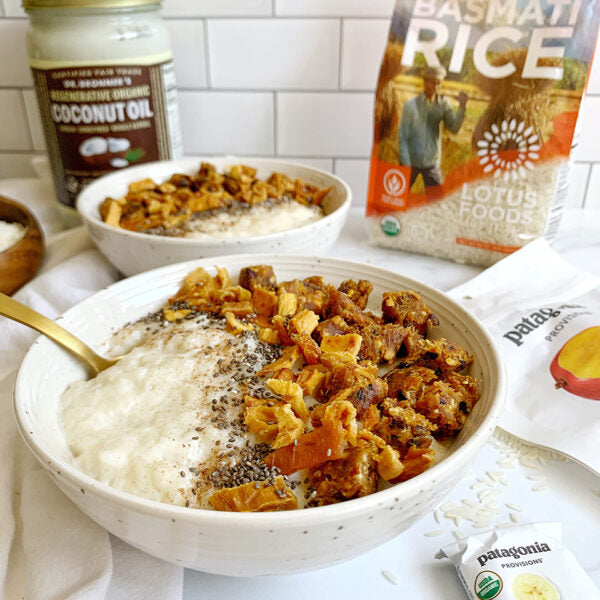
A pioneer in regenerative agriculture, Patagonia Provisions offers a snack that actively restores soil health while ensuring fair compensation for family farmers in Nicaragua.

A nutrient-dense heirloom grain sourced through fully transparent supply chains that support regenerative farming practices in the Peruvian Andes.
More on Orbit
Is Orbit ethical? FAQs
Is Orbit cruelty-free?+
Mars does not test finished products on animals unless required by law, but lacks Leaping Bunny or PETA certification.
Does Orbit have vegan products?+
Most standard Orbit gums are vegan, but no official vegan certification or dedicated vegan range exists.
Does Orbit sell in mainland China?+
Selling through mainland Chinese retail has historically triggered post-market animal testing.
What is Orbit's ethics score?+
We don't score any Orbit products yet, so there is no ethics score. The signals above come from the brand profile and the sources listed on this page.
What are the best alternatives to Orbit?+
High-scoring food & nutrition products to compare include Biodynamic Veggie & Grain Pouch Variety Pack (24-Pack) by White Leaf Provisions, Dr. Bronner’s Whole Kernel Virgin Coconut Oil by Dr. Bronner's, Luxury Single-Origin Dark Chocolate Professional Collection - 20kg Chef's Trunk by Beyond Good.