Is Prilosec OTC ethical and cruelty-free?
Not really — Prilosec OTC fails 2 of the 4 ethics signals we track, including its animal-testing position, and holds no third-party certification we can verify.
Prilosec OTC, a leading over-the-counter heartburn medication brand owned by Procter & Gamble (P&G), lacks major ethical controversies but offers limited transparency on animal testing and sustainability for its specific product line. Its ethical profile is largely defined by its parent company's policies, which include some sustainability goals but continue animal testing where required by law.
The evidence, signal by signal
Cruelty-freeflagged
Parent company P&G conducts or permits animal testing where required by law (e.g., China regulatory requirements), but strives to reduce and replace animal testing with alternative methods.
Vegan optionsunverified
We have not verified certified vegan formulations for this brand.
Sells in mainland Chinaflagged
Selling through mainland Chinese retail has historically triggered post-market animal testing.
Third-party certifiedunverified
We don't track any of this brand's products yet, so product-level certifications are unchecked.
Public pledges: P&G aims for 100% recyclable packaging by 2030 and 50% emissions reduction, but Prilosec OTC has no product-specific sustainability certifications.
Scored with our public methodology. Profile last updated 2026-09-18.
Research notes on Prilosec OTC
Compiled from the brand's own statements and the public sources listed below, last reviewed 2026-09-18. We don't stock Prilosec OTC products, so nothing here is checked against product records.
Overview
Prilosec OTC (omeprazole magnesium) is a proton pump inhibitor (PPI) used to treat frequent heartburn. It is manufactured and marketed by Procter & Gamble (P&G), a multinational consumer goods corporation headquartered in Cincinnati, Ohio. Prilosec OTC is not a standalone ethical brand; its practices are governed by P&G’s corporate policies. P&G has made public commitments to sustainability, including waste reduction and renewable energy, but the brand itself does not carry third-party certifications like Fair Trade or Leaping Bunny. No major controversies are on record for Prilosec OTC specifically, but P&G has faced criticism over animal testing, palm oil sourcing, and plastic waste in other product lines.
Certifications
Prilosec OTC does not hold independent ethical certifications (e.g., USDA Organic, Fair Trade, Leaping Bunny, or B Corp). P&G participates in some industry certifications for other brands (e.g., Rainforest Alliance for certain beauty products), but these do not apply to Prilosec OTC. The product is FDA-approved for over-the-counter use in the United States.
Animal testing & vegan range
Testing policy: P&G states it is committed to reducing animal testing and uses alternative methods where possible, but conducts or commissions animal testing when required by regulatory authorities (e.g., for new ingredients or in certain countries like China). Prilosec OTC, as an existing drug, is subject to prior safety data; however, P&G does not claim the brand is entirely cruelty-free. Vegan range: Prilosec OTC is a medication and does not have a vegan-specific range. The product itself contains inactive ingredients (e.g., magnesium stearate) that are often plant-derived, but no vegan certification exists. Consumers seeking vegan or cruelty-free alternatives may need to consult other brands.
Sustainability pledges
P&G has broad sustainability goals: reducing greenhouse gas emissions by 50% by 2030 (from 2020 baseline), achieving 100% renewable electricity, and making all packaging recyclable or reusable by 2030. For Prilosec OTC specifically, the packaging is typically a plastic bottle and cardboard box, but P&G does not provide product-level sustainability data. Palm oil derivatives (used in some excipients) may be present; P&G is a member of the Roundtable on Sustainable Palm Oil (RSPO) but has not publicly disclosed the percentage of certified sustainable palm oil used in this specific product. No water stewardship or biodiversity commitments are linked to Prilosec OTC.
Sourcing & labor
Prilosec OTC is manufactured primarily in the United States (e.g., P&G’s plant in Puerto Rico or contract manufacturers). P&G has a Supplier Ethical Sourcing Program aligned with amfori BSCI and UN Guiding Principles on Business and Human Rights, covering labor rights, health and safety, and environmental standards. However, no specific supply chain audits or third-party verification for Prilosec OTC ingredients (e.g., omeprazole, excipients) are publicly available. The active pharmaceutical ingredient (API) is likely sourced from global suppliers, some of which may be in countries with lower labor standards.
Controversies context
No major controversies are specifically associated with Prilosec OTC. However, P&G has faced litigation and criticism over misleading “natural” claims in other product categories (e.g., Pantene, Tide). In 2023, P&G was sued over PFAS (perfluorinated chemicals) in certain beauty products, but this does not involve Prilosec OTC. Additionally, P&G continues to sell products in China, where animal testing is legally required for imported cosmetics and new pharmaceutical ingredients, though Prilosec OTC (a non-cosmetic drug) may be subject to different regulations. No boycotts or major scandals are known for this specific brand.
Bottom line
Prilosec OTC is a functional medication with no major ethical red flags, but it lacks significant positive ethical differentiation. Consumers concerned about animal testing or sustainability may want to explore alternative brands with transparent certifications (e.g., EA Pharma, or generic omeprazole manufactured by companies with Leaping Bunny approval). For a product where efficacy and affordability are top priorities, Prilosec OTC remains a widely trusted option, but its ethical profile is wholly dependent on P&G’s corporate efforts, which are a mixed bag.
Better-scoring alternatives to Prilosec OTC
Same categories, higher ethics scores, verified certifications.

The ultimate multi-tasker for minimalist hosts; one bottle can wash hands, body, hair, and even dishes.
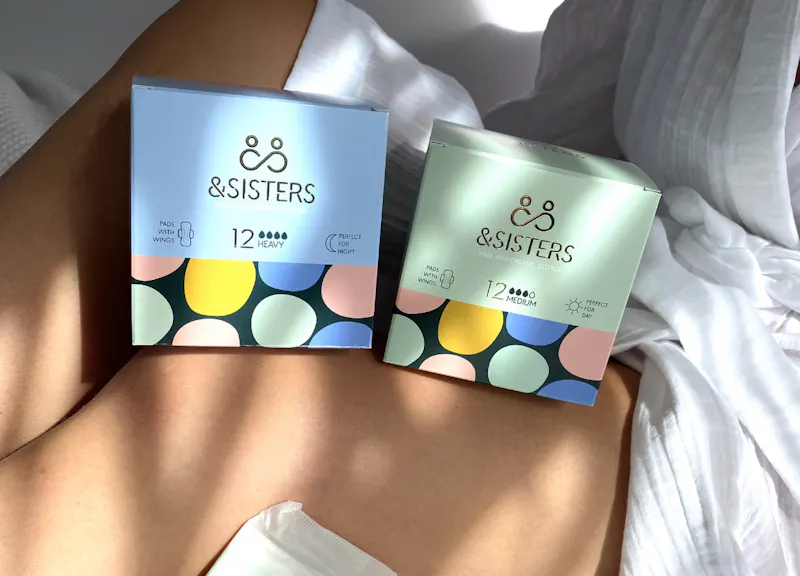
A UK-based, women-owned B Corp offering the highest ethical standard in menstrual care. This bulk 'Sisterhood' bundle features GOTS organic cotton tampons and pads with RSPO-segregated inputs, ensuring zero deforestation.
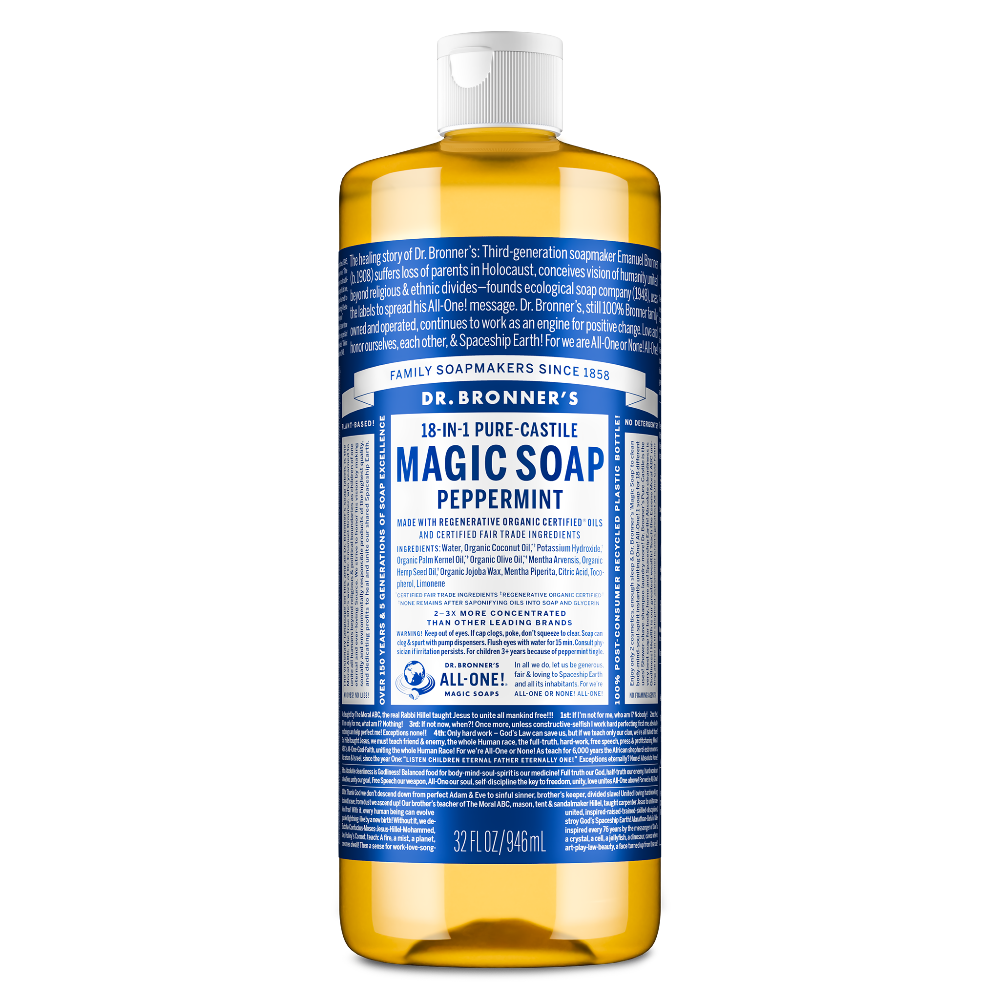
The gold standard of ethical cleaning. A highly concentrated, multi-surface liquid soap made from organic oils and fair trade ingredients in 100% PCR packaging.

The gold standard of ethical soaps, featuring regenerative organic palm oil and a legacy of fair-trade advocacy and radical transparency.
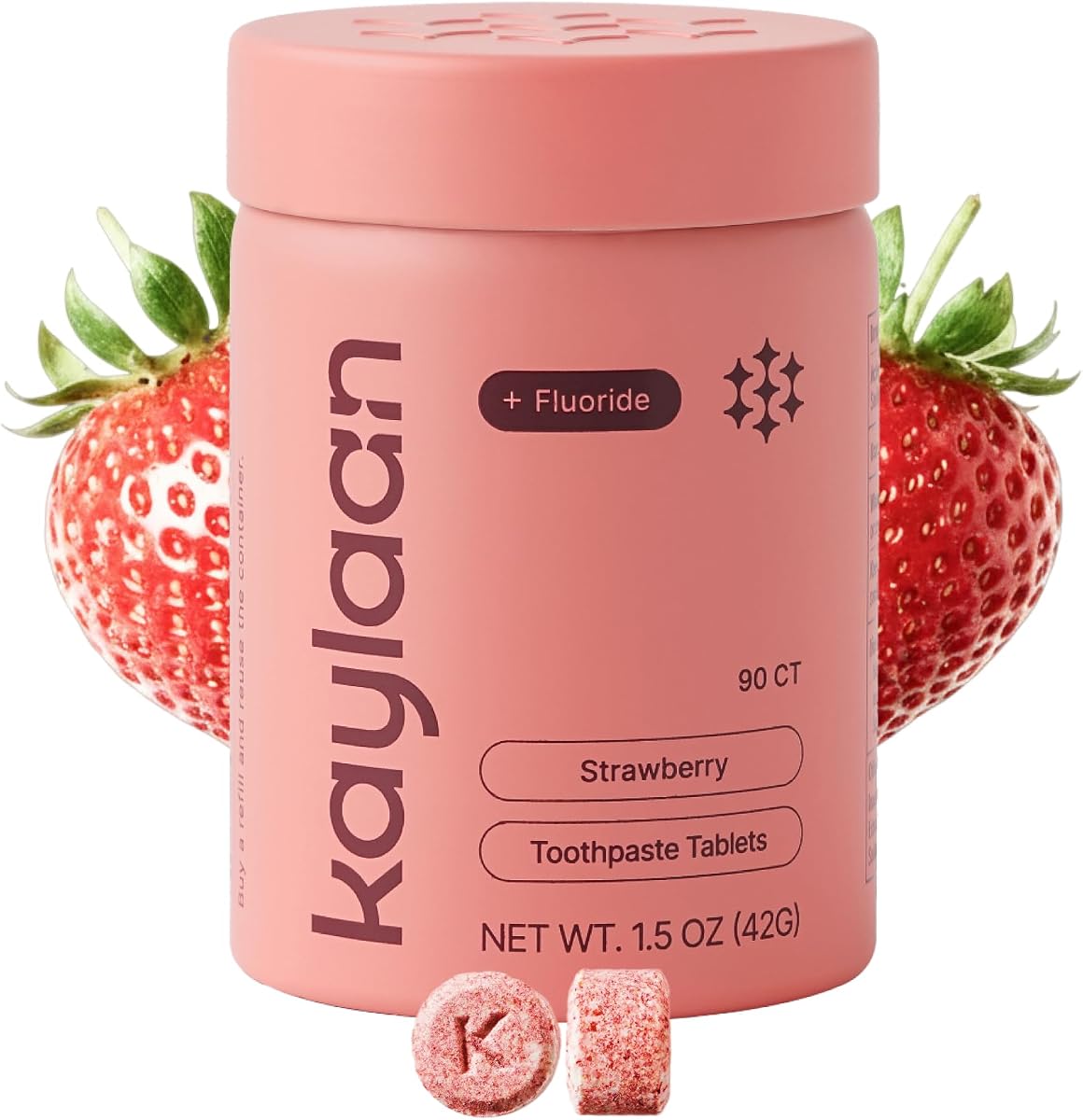
A zero-waste oral care system consisting of fluoride-free tablets in a refillable glass jar, featuring ingredients sourced from ethical Eastern European partners.

A high-potency, carbon-extracted rosehip oil designed specifically for sensitive skin, backed by rigorous B Corp standards and organic agricultural sourcing.
More on Prilosec OTC
Is Prilosec OTC ethical? FAQs
Is Prilosec OTC cruelty-free?+
Parent company P&G conducts or permits animal testing where required by law (e.g., China regulatory requirements), but strives to reduce and replace animal testing with alternative methods.
Does Prilosec OTC have vegan products?+
We have not verified certified vegan formulations for this brand.
Does Prilosec OTC sell in mainland China?+
Selling through mainland Chinese retail has historically triggered post-market animal testing.
What is Prilosec OTC's ethics score?+
We don't score any Prilosec OTC products yet, so there is no ethics score. The signals above come from the brand profile and the sources listed on this page.
What are the best alternatives to Prilosec OTC?+
Higher-scoring alternatives include Dr. Bronner's 18-in-1 Pure-Castile Soap (Travel Size) by Dr. Bronner's, RSPO-Segregated Organic Intimate Care & Menstrual Set by &SISTERS, Dr. Bronner's Pure-Castile Liquid Soap (Peppermint) by Dr. Bronner's.