Is Redken ethical and cruelty-free?
Mixed — Redken clears 1 of 4 ethics signals and fails 1, so it depends which issue matters most to you.
Redken, a professional hair care brand owned by L'Oréal, offers salon-grade products with a focus on science-driven innovation, but ethical concerns arise from its parent company's history of animal testing and limited standalone sustainability commitments.
The evidence, signal by signal
Cruelty-freeverified
L'Oréal states no animal testing except where required by law, but Redken is sold in China where regulatory animal testing may apply for imported goods.
Vegan optionsunverified
Select products labeled vegan; no full vegan line.
Sells in mainland Chinaflagged
Selling through mainland Chinese retail has historically triggered post-market animal testing.
Third-party certifiedunverified
We don't track any of this brand's products yet, so product-level certifications are unchecked.
Public pledges: Pursues L'Oréal's 2025 targets for recycled packaging and water reduction, but no brand-specific standalone commitments.
Scored with our public methodology. Profile last updated 2026-09-19.
Research notes on Redken
Compiled from the brand's own statements and the public sources listed below, last reviewed 2026-09-19. We don't stock Redken products, so nothing here is checked against product records.
Overview
Redken was founded in 1960 by Jheri Redding and Paula Kent, pioneering the fusion of salon expertise with scientific research. Now a subsidiary of L'Oréal USA (part of the L'Oréal Group), Redken is widely available in salons and retail, known for its color-treated hair care, styling products, and professional formulations. The brand emphasizes pH-balanced ingredients and protein-rich formulas, but its ethical profile is deeply tied to L'Oréal's global policies on animal testing, sustainability, and labor practices.
Certifications
Redken products do not carry widely recognized third-party certifications such as Leaping Bunny, PETA Beauty Without Bunnies, B Corp, or Vegan Action. As a L'Oréal brand, it adheres to the parent company's self-certified 'safe' ingredient list, but no independent ethical seals are currently displayed on packaging or official channels. Some products are marked as 'vegan' on L'Oréal's website, though this varies by region and formulation.
Animal Testing & Vegan Range
L'Oréal, Redken's parent company, states it does not test any products or ingredients on animals except where required by law (e.g., China). However, as of 2025, Redken is sold in mainland China via cross-border e-commerce and physical stores, which historically required animal testing for imported cosmetics. L'Oréal claims compliance with China's post-2021 exemption policies for 'ordinary' cosmetics, but enforcement remains inconsistent. Redken does not have a fully vegan product line; a subset of items (e.g., certain styling gels and shampoos) may be labeled vegan, but the brand does not market itself as a cruelty-free or vegan brand.
Sustainability Pledges
Redken's sustainability efforts fall under L'Oréal's 'Sharing Beauty With All' program, which targets carbon neutrality, water conservation, and sustainable packaging. Specific initiatives include using 100% recycled plastic (PCR) for some bottle lines by 2025 (ongoing) and reducing water consumption in manufacturing. However, Redken has not released standalone sustainability reports, and its refill stations are limited to select salons. Critics note that many products still use virgin plastics and non-recyclable pumps.
Sourcing & Labor
L'Oréal has a publicly available Code of Ethics and conducts audits of its supply chain through the 'Together for Good' program. The supplier code mandates fair wages, non-discrimination, and safe working conditions, but third-party oversight is not disclosed at the Redken brand level. Raw ingredients such as shea butter, coconut oil, and synthetic compounds are sourced globally, with L'Oréal committing to 'green chemistry' principles. There are no documented major labor controversies specific to Redken as of 2025.
Controversies Context
No major independent scandals are associated with Redken directly. However, the brand faces indirect criticism due to L'Oréal's historical ties to animal testing regimes (including China pre-2021) and the overall cosmetics industry's reliance on petrochemicals and microplastics (e.g., polyethylene glycol). Some environmental advocates highlight that Redken's marketing of 'professional' formulations may encourage excessive product usage, but this is not a formal controversy.
Bottom Line
Redken offers effective products validated by salon professionals, but its ethical standing is hindered by parent-company policies on animal testing and incremental sustainability steps. Eco-conscious consumers may prefer brands with explicit cruelty-free certifications, fully vegan lines, and transparent supply chains. For those prioritizing performance over ethics, Redken remains a widely available option, but it does not align with strict ethical standards.
Better-scoring alternatives to Redken
Same categories, higher ethics scores, verified certifications.

The ultimate multi-tasker for minimalist hosts; one bottle can wash hands, body, hair, and even dishes.
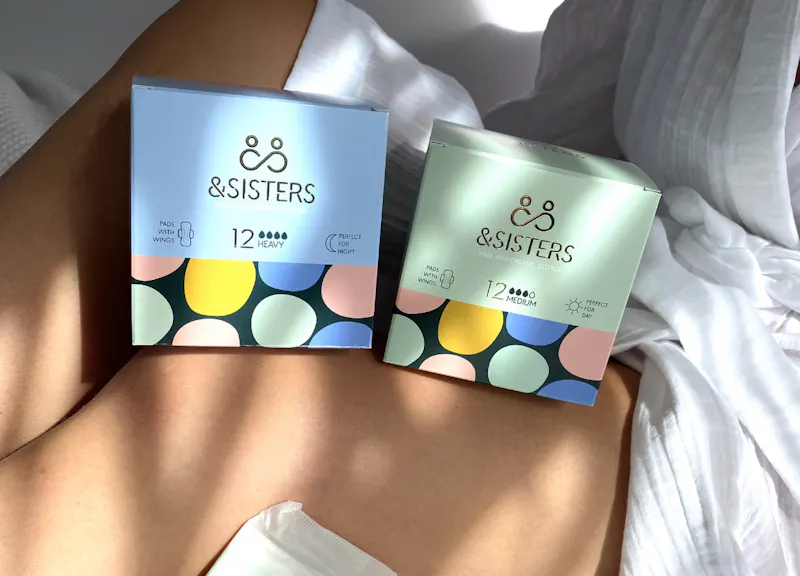
A UK-based, women-owned B Corp offering the highest ethical standard in menstrual care. This bulk 'Sisterhood' bundle features GOTS organic cotton tampons and pads with RSPO-segregated inputs, ensuring zero deforestation.
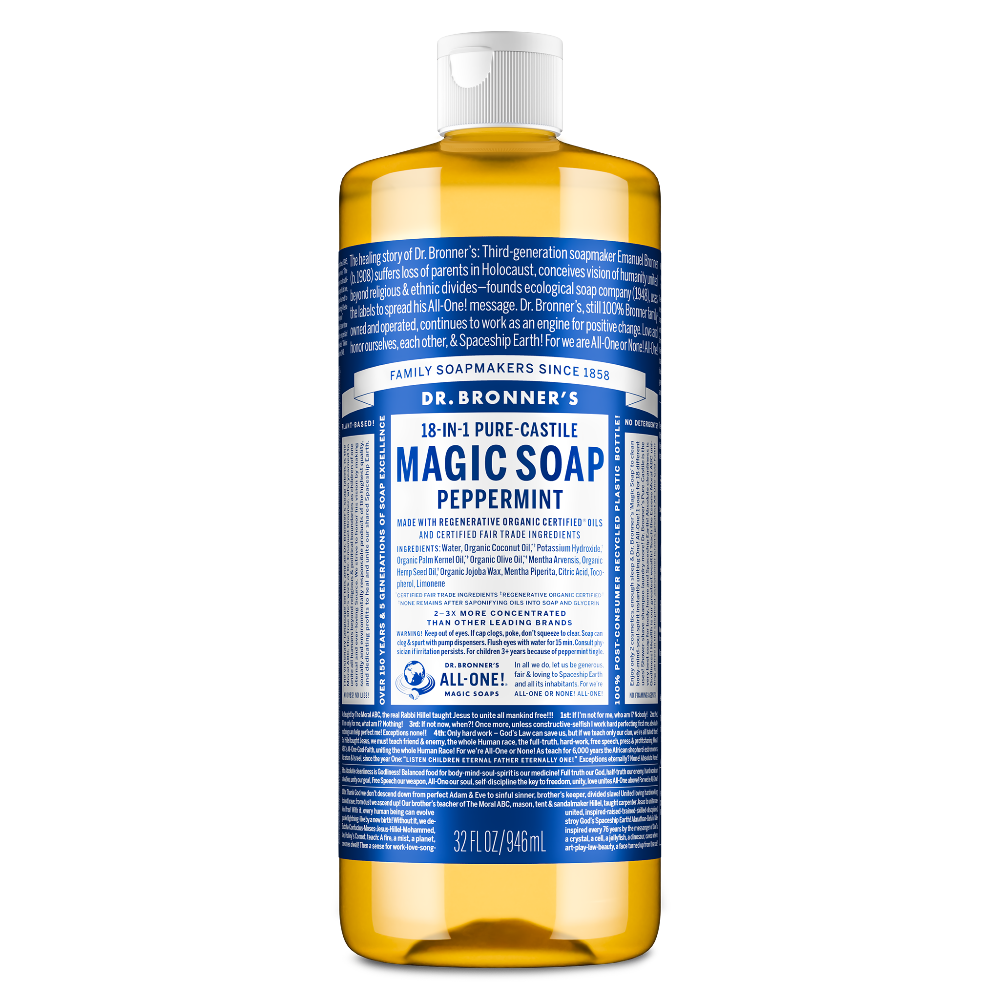
The gold standard of ethical cleaning. A highly concentrated, multi-surface liquid soap made from organic oils and fair trade ingredients in 100% PCR packaging.

The gold standard of ethical soaps, featuring regenerative organic palm oil and a legacy of fair-trade advocacy and radical transparency.
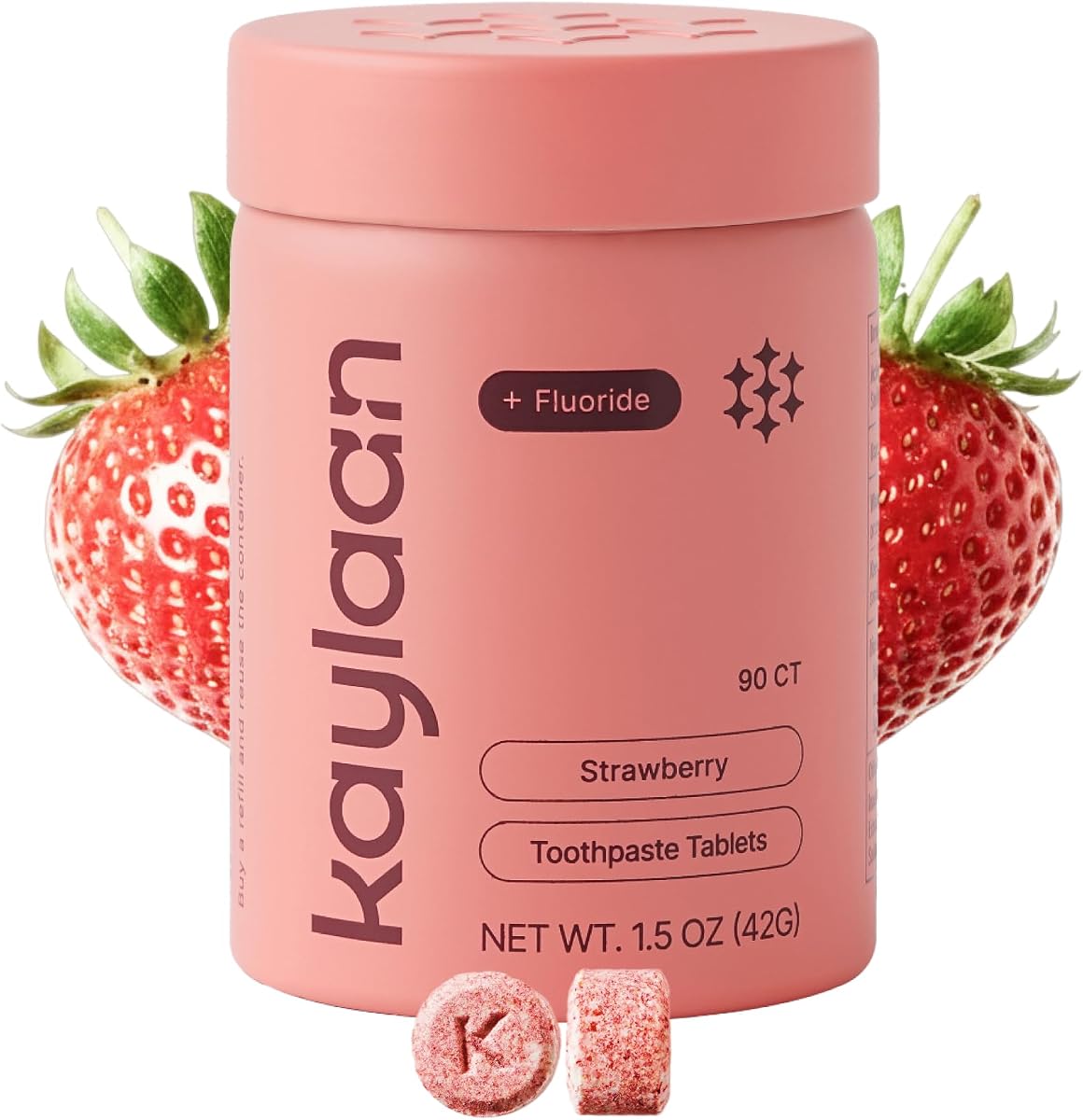
A zero-waste oral care system consisting of fluoride-free tablets in a refillable glass jar, featuring ingredients sourced from ethical Eastern European partners.

A high-potency, carbon-extracted rosehip oil designed specifically for sensitive skin, backed by rigorous B Corp standards and organic agricultural sourcing.
More on Redken
Is Redken ethical? FAQs
Is Redken cruelty-free?+
L'Oréal states no animal testing except where required by law, but Redken is sold in China where regulatory animal testing may apply for imported goods.
Does Redken have vegan products?+
Select products labeled vegan; no full vegan line.
Does Redken sell in mainland China?+
Selling through mainland Chinese retail has historically triggered post-market animal testing.
What is Redken's ethics score?+
We don't score any Redken products yet, so there is no ethics score. The signals above come from the brand profile and the sources listed on this page.
What are the best alternatives to Redken?+
Higher-scoring alternatives include Dr. Bronner's 18-in-1 Pure-Castile Soap (Travel Size) by Dr. Bronner's, RSPO-Segregated Organic Intimate Care & Menstrual Set by &SISTERS, Dr. Bronner's Pure-Castile Liquid Soap (Peppermint) by Dr. Bronner's.