Is Rexona ethical and cruelty-free?
Not really — Rexona fails 2 of the 4 ethics signals we track, including its animal-testing position, and holds no third-party certification we can verify.
Rexona, a Unilever brand, is a mass-market antiperspirant and deodorant leader with some sustainability commitments but lacks third-party ethical certifications and is not fully cruelty-free due to sales in China.
The evidence, signal by signal
Cruelty-freeflagged
Parent company Unilever does not test finished products on animals except where required by law; Rexona sells in China where regulatory animal testing may apply.
Vegan optionsunverified
Some variants are vegan, but the brand lacks a certified vegan product line.
Sells in mainland Chinaflagged
Selling through mainland Chinese retail has historically triggered post-market animal testing.
Third-party certifiedunverified
We don't track any of this brand's products yet, so product-level certifications are unchecked.
Public pledges: Unilever 'Clean Future' goals: 100% recyclable packaging by 2025, 50% carbon reduction per dose by 2030; refillable formats in select markets.
Scored with our public methodology. Profile last updated 2026-09-16.
Research notes on Rexona
Compiled from the brand's own statements and the public sources listed below, last reviewed 2026-09-16. We don't stock Rexona products, so nothing here is checked against product records.
Overview
Rexona (known as Sure in the UK, Degree in the US, and Shield in parts of Africa) is a global antiperspirant and deodorant brand owned by the Anglo-Dutch consumer goods giant Unilever. Founded in Australia in 1908, it now sells in over 100 countries. As part of Unilever, Rexona operates under the company’s broader sustainability framework, but does not carry independent ethical certifications such as B Corp, Fair Trade, or Leaping Bunny. The brand focuses on “clinical protection” and “movement” marketing, but its ethical profile is mixed: it has made progress in plastic reduction and gender-inclusive product design, yet remains untested for full cruelty-free status due to regulatory requirements in China.
Certifications
Rexona does not hold any major third-party ethical certifications. It is not B Corp certified, nor does it carry Fair Trade, Rainforest Alliance, or Vegan Society logos on its packaging. Unilever has committed to third-party certification for some of its other brands (e.g., Ben & Jerry’s is B Corp, Lipton uses Rainforest Alliance), but Rexona remains outside those programs. The brand’s environmental claims rely on Unilever’s internal “Clean Future” strategy rather than independent eco-labels.
Animal testing & vegan range
Rexona is not certified cruelty-free. Unilever states it does not test finished products on animals except where required by law. Since Rexona sells in mainland China (where animal testing is mandatory for imported cosmetics until 2024 policy shifts), the brand cannot claim to be fully cruelty-free. The brand does offer some vegan deodorants (e.g., certain “Clinical Protection” and “Dry Comfort” variants without animal-derived ingredients), but there is no official vegan certification or comprehensive vegan product list.
Sustainability pledges
Rexona participates in Unilever’s “Clean Future” initiative, which aims at 100% recyclable plastic packaging by 2025, halving virgin plastic use, and reducing carbon footprint by 50% per dose by 2030. The brand has introduced refillable deodorant sticks in select markets (e.g., Australia, UK using aluminum or paper-based packaging). However, most Rexona products still use mixed-plastic aerosol cans and non-recyclable components. The brand also supports the “Move for Good” program, donating deodorant to underserved communities, but this is not a core sustainability measure.
Sourcing & labor
As a Unilever brand, Rexona falls under Unilever’s Responsible Sourcing Policy, which requires suppliers to comply with the Unilever Code of Business Principles. This includes prohibitions on child labor, forced labor, and discrimination. Unilever is a signatory to the United Nations Global Compact and publishes an annual Sustainability Report with supply chain audits. However, specific ingredient traceability for Rexona (e.g., palm oil derivatives, aluminum compounds) is not publicly detailed. The brand has not faced major labor scandals, but systemic risks persist in global cosmetics supply chains.
Controversies context
No major controversies are recorded for Rexona. The brand has been criticized by animal rights groups (e.g., PETA, Cruelty Free International) for selling in China, and by environmental advocates for the use of aluminum salts and plastic waste. Some consumers have raised concerns about alleged links between antiperspirant aluminum and breast cancer (though scientific consensus finds no credible evidence). These issues are common across the mass-market deodorant sector, and Rexona has not been uniquely targeted in campaigns.
Bottom line
Rexona is a convenient, widely available deodorant with some sustainability ambition via its parent company, but it lacks independent certifications, is not reliably cruelty-free, and does not offer a fully verified vegan range. For ethically conscious consumers, there are better-scoring alternatives from certified B Corps or Leaping Bunny-approved brands. However, if affordability and availability are priorities, Rexona’s Unilever-backed labor policies and gradual packaging improvements offer a moderate ethical baseline.
Better-scoring alternatives to Rexona
Same categories, higher ethics scores, verified certifications.

The ultimate multi-tasker for minimalist hosts; one bottle can wash hands, body, hair, and even dishes.
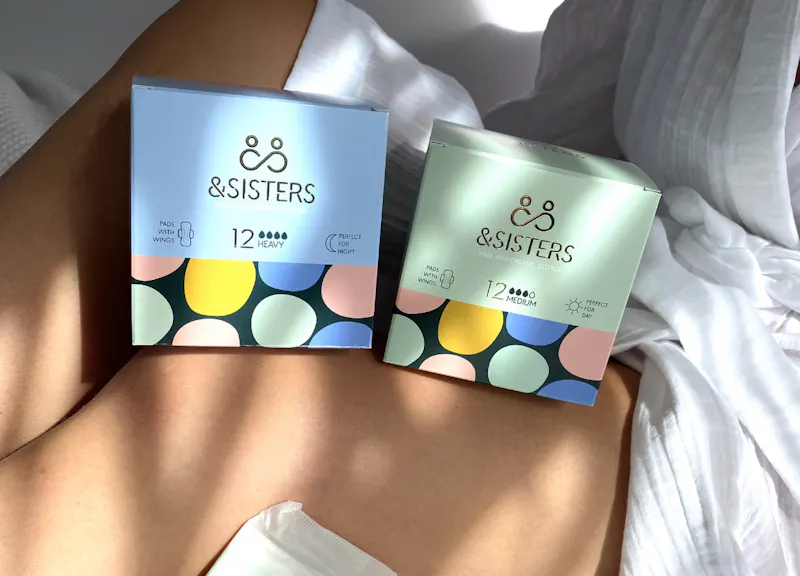
A UK-based, women-owned B Corp offering the highest ethical standard in menstrual care. This bulk 'Sisterhood' bundle features GOTS organic cotton tampons and pads with RSPO-segregated inputs, ensuring zero deforestation.
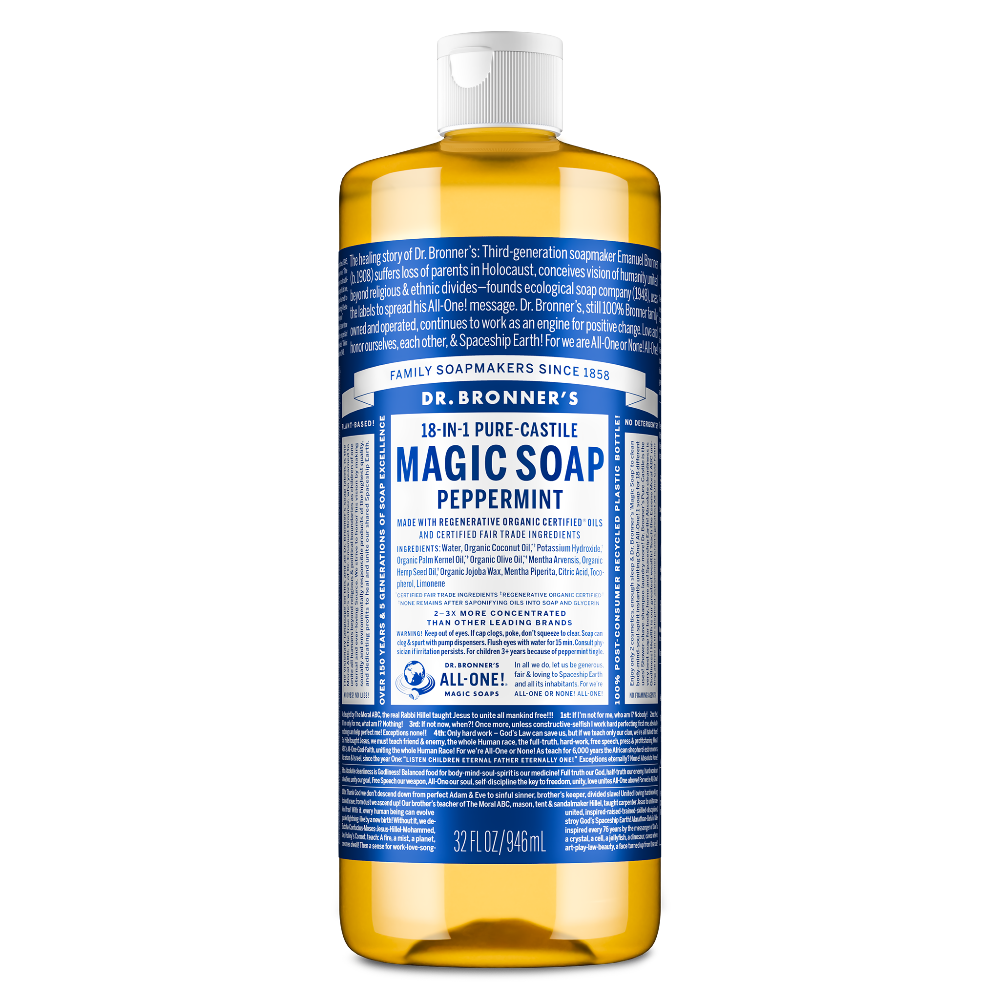
The gold standard of ethical cleaning. A highly concentrated, multi-surface liquid soap made from organic oils and fair trade ingredients in 100% PCR packaging.

The gold standard of ethical soaps, featuring regenerative organic palm oil and a legacy of fair-trade advocacy and radical transparency.
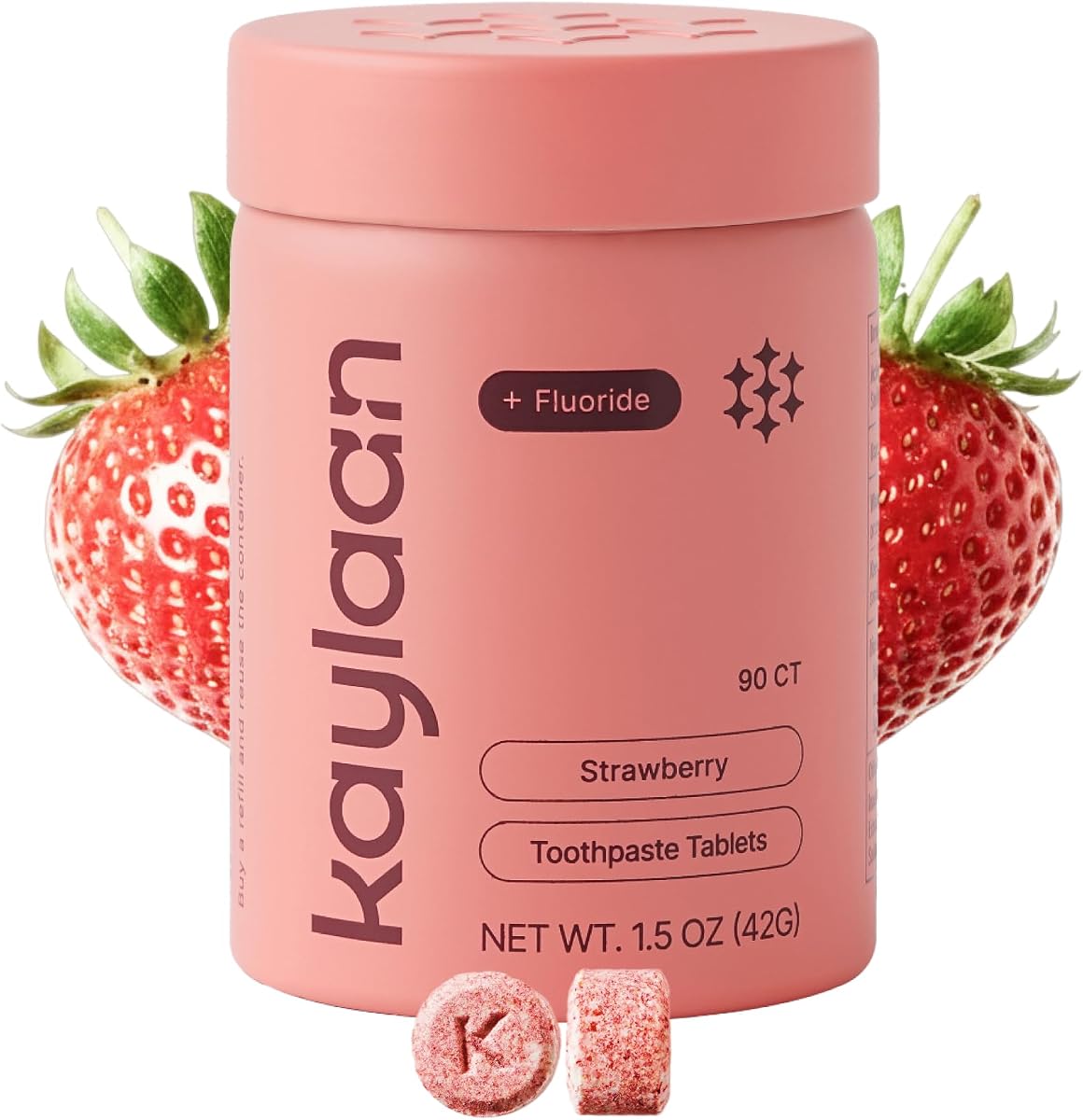
A zero-waste oral care system consisting of fluoride-free tablets in a refillable glass jar, featuring ingredients sourced from ethical Eastern European partners.

A high-potency, carbon-extracted rosehip oil designed specifically for sensitive skin, backed by rigorous B Corp standards and organic agricultural sourcing.
More on Rexona
Is Rexona ethical? FAQs
Is Rexona cruelty-free?+
Parent company Unilever does not test finished products on animals except where required by law; Rexona sells in China where regulatory animal testing may apply.
Does Rexona have vegan products?+
Some variants are vegan, but the brand lacks a certified vegan product line.
Does Rexona sell in mainland China?+
Selling through mainland Chinese retail has historically triggered post-market animal testing.
What is Rexona's ethics score?+
We don't score any Rexona products yet, so there is no ethics score. The signals above come from the brand profile and the sources listed on this page.
What are the best alternatives to Rexona?+
Higher-scoring alternatives include Dr. Bronner's 18-in-1 Pure-Castile Soap (Travel Size) by Dr. Bronner's, RSPO-Segregated Organic Intimate Care & Menstrual Set by &SISTERS, Dr. Bronner's Pure-Castile Liquid Soap (Peppermint) by Dr. Bronner's.