Is Rolo ethical and cruelty-free?
Not really — Rolo fails 2 of the 4 ethics signals we track, including its animal-testing position, and holds no third-party certification we can verify.
Rolo, owned by multinational confectionery giant Nestlé, is a popular chocolate caramel candy brand. While it lacks specific ethical certifications and is not cruelty-free due to Nestlé’s animal-testing policies, it has made some sustainability pledges regarding packaging and cocoa sourcing, though overall ethical performance is constrained by its parent company’s broader controversies.
The evidence, signal by signal
Cruelty-freeflagged
Nestlé does not test finished products on animals unless required by law, but ingredients may be tested for regulatory compliance, and Rolo is sold in China where such testing may occur.
Vegan optionsunverified
No; Rolo contains milk and is not vegan.
Sells in mainland Chinaflagged
Selling through mainland Chinese retail has historically triggered post-market animal testing.
Third-party certifiedunverified
We don't track any of this brand's products yet, so product-level certifications are unchecked.
Public pledges: Nestlé pledges 100% recyclable or reusable packaging by 2025, net-zero emissions by 2050, and sourcing cocoa through the Nestlé Cocoa Plan, but progress is disputed.
Scored with our public methodology. Profile last updated 2026-10-03.
Research notes on Rolo
Compiled from the brand's own statements and the public sources listed below, last reviewed 2026-10-03. We don't stock Rolo products, so nothing here is checked against product records.
Overview
Rolo is a brand of chocolate-covered caramel candies, originally launched in the UK in 1937 and now sold globally. The brand is owned by Nestlé S.A., one of the world’s largest food and beverage companies. Nestlé has faced significant ethical criticism over the years, including for water privatization, infant formula marketing, and child labor in cocoa supply chains. As a result, Rolo inherits these ethical challenges. While Rolo itself has no independent ethical certifications or specific brand-level initiatives, it is subject to Nestlé’s overall corporate policies on sustainability, sourcing, and animal testing.
Certifications
Rolo products do not carry widely recognized ethical certifications such as Fair Trade, Rainforest Alliance, or B Corp. Some Rolo varieties sold in specific markets may use Nestlé Cocoa Plan cocoa, which is verified by an external auditor (e.g., UTZ/ Rainforest Alliance merger), but this is not a product-level certification. No organic, vegan, or non-GMO certifications are present. The brand is not certified cruelty-free by organizations like Leaping Bunny or PETA.
Animal testing & vegan range
Nestlé states it does not test finished products on animals unless required by law. However, Nestlé’s ingredients or products may be tested on animals to meet regulatory requirements in certain markets (e.g., China). Rolo is not a vegan product; it contains milk and milk derivatives. Nestlé does offer a limited number of vegan confectionery items under other brands, but Rolo is not included. Rolo is not considered cruelty-free as Nestlé’s policy does not rule out animal testing for ingredients or where required by law, and the brand sells in China where animal testing is mandatory for imported cosmetics but not for food, though regulatory testing for food additives can still occur.
Sustainability pledges
As part of Nestlé, Rolo benefits from Nestlé’s sustainability commitments. Nestlé has pledged to make 100% of its packaging recyclable or reusable by 2025. The company is also a participant in the Nestlé Cocoa Plan, which aims to improve cocoa farming practices, eliminate child labor, and increase traceability. However, Nestlé has been criticized for slow progress and ongoing child labor issues in its cocoa supply chain. Rolo packaging is generally plastic wrap or foil, and recyclability varies by region. Nestlé has also committed to net-zero emissions by 2050, but specific brand-level targets for Rolo are not published.
Sourcing & labor
Rolo’s key ingredients—cocoa, sugar, milk, and caramel—are sourced globally. Nestlé has faced repeated allegations of child labor and forced labor in West African cocoa farms, especially in Ivory Coast and Ghana. While Nestlé has programs like the Nestlé Cocoa Plan and Income Accelerator, independent reports (e.g., from the U.S. Department of Labor) continue to find child labor in its supply chain. Nestlé also sources palm oil, sugar, and dairy, each with associated environmental and social risks. The company has a Human Rights Policy but has been criticized for insufficient implementation. Rolo does not have a separate sourcing policy.
Controversies context
No major controversies are recorded specifically for the Rolo brand. However, its parent company Nestlé is one of the most boycotted companies globally, with ongoing controversies over water bottling, deforestation, unethical marketing of baby formula, and labor abuses. These controversies indirectly affect Rolo’s ethical standing. Consumers concerned about child labor, animal testing, and corporate ethics should consider these factors when evaluating Rolo.
Bottom line
Rolo is not an ethical brand by most standards. It lacks independent certifications, is not vegan or cruelty-free, and its parent company Nestlé faces serious ethical criticisms. While Nestlé has made some sustainability pledges, implementation is slow and often contested. For consumers prioritizing animal welfare, fair labor, and transparency, Rolo is not recommended. Look for certified Fair Trade or B Corp chocolate brands as alternatives.
High-scoring food & nutrition picks to compare
Top-scoring products from other brands in the category Rolo sells in. A starting point for comparison, not proof that each one beats Rolo.
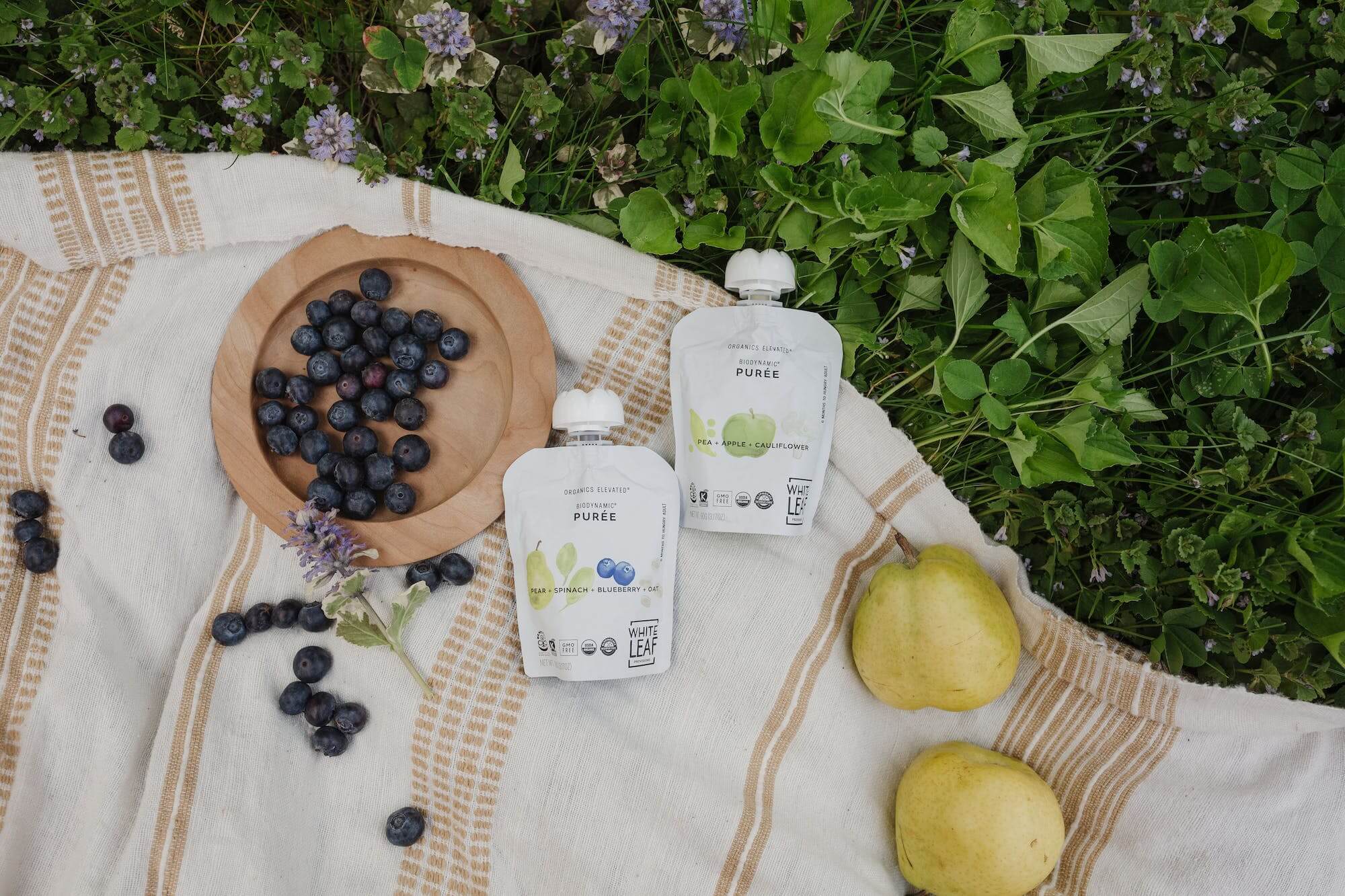
The gold standard in baby food, offering Demeter-certified biodynamic ingredients that exceed organic standards for soil health and purity.

The gold standard for ethical food production, this coconut oil uses regenerative organic practices and fair trade labor to set a benchmark for corporate responsibility.

Exquisite heirloom Malagasy cocoa produced entirely at the source in Madagascar. This professional-grade bulk trunk supports direct-trade and lemur habitat conservation.

A dairy-free, palm-oil-free alternative to mainstream hazelnut spreads, crafted in Italy with high-quality organic ingredients.
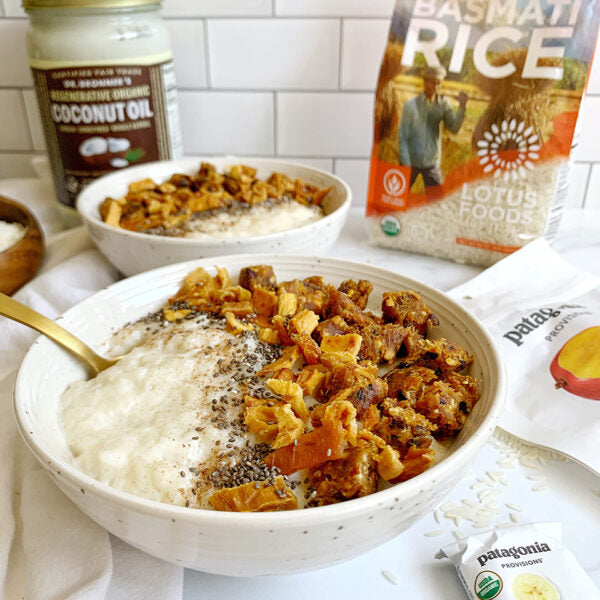
A pioneer in regenerative agriculture, Patagonia Provisions offers a snack that actively restores soil health while ensuring fair compensation for family farmers in Nicaragua.

A nutrient-dense heirloom grain sourced through fully transparent supply chains that support regenerative farming practices in the Peruvian Andes.
More on Rolo
Is Rolo ethical? FAQs
Is Rolo cruelty-free?+
Nestlé does not test finished products on animals unless required by law, but ingredients may be tested for regulatory compliance, and Rolo is sold in China where such testing may occur.
Does Rolo have vegan products?+
No; Rolo contains milk and is not vegan.
Does Rolo sell in mainland China?+
Selling through mainland Chinese retail has historically triggered post-market animal testing.
What is Rolo's ethics score?+
We don't score any Rolo products yet, so there is no ethics score. The signals above come from the brand profile and the sources listed on this page.
What are the best alternatives to Rolo?+
High-scoring food & nutrition products to compare include Biodynamic Veggie & Grain Pouch Variety Pack (24-Pack) by White Leaf Provisions, Dr. Bronner’s Whole Kernel Virgin Coconut Oil by Dr. Bronner's, Luxury Single-Origin Dark Chocolate Professional Collection - 20kg Chef's Trunk by Beyond Good.