Is salt & stone ethical and cruelty-free?
Largely yes — we don't stock salt & stone, but 1 of 4 ethics signals we track are verified in its favour, based on its published policies and third-party certifications.
Salt & Stone is a relatively new, high-integrity brand focusing on natural, performance-driven skincare and sun care. It earns strong ethical scores across its top products due to its commitment to vegan formulations, Leaping Bunny certification, and environmental giving via 1% for the Planet, though its sunscreen does not offer a vegan range.
The evidence, signal by signal
Cruelty-freeunverified
We do not test on animals, and we require the same from our ingredient suppliers.
Vegan optionsunverified
Dedicated vegan range includes all deodorants and lip balms; sunscreen is not labeled vegan.
Sells in mainland Chinaverified
The brand does not sell through channels that require mainland China post-market testing.
Third-party certifiedunverified
We don't track any of this brand's products yet, so product-level certifications are unchecked.
Public pledges: Climate Neutral Certified for select products, member of 1% for the Planet, FSC Certified paper packaging, and committed to reducing virgin plastic use.
Scored with our public methodology. Profile last updated 2026-10-19.
Research notes on salt & stone
Compiled from the brand's own statements and the public sources listed below, last reviewed 2026-10-19. We don't stock salt & stone products, so nothing here is checked against product records.
Overview
Founded in 2019 by Nima Jalali and based in Los Angeles, Salt & Stone has quickly built a reputation for clean, effective, and ethically-minded body care. The brand specializes in natural deodorants, sunscreens, and lip balms, all formulated without aluminum, parabens, phthalates, or synthetic fragrances. With a mission to merge performance with responsibility, Salt & Stone is positioned as a transparent, outdoor-friendly brand that prioritizes both human health and environmental impact. Its products consistently score in the low-to-mid 80s on ethical assessment platforms, reflecting strong but not perfect practices.
Certifications
Salt & Stone holds several third-party certifications that verify its ethical claims. All products are Cruelty-Free and most carry the Leaping Bunny certification, which requires no animal testing at any stage of production. The brand is also a proud member of 1% for the Planet, committing at least 1% of annual sales to environmental nonprofits. Its deodorants are certified Vegan, and some products (like the sunscreen stick and eucalyptus deodorant) are Climate Neutral Certified, meaning the company measures, reduces, and offsets its entire carbon footprint. The eucalyptus deodorant also features FSC Certified packaging, ensuring paper sources are responsibly managed.
Animal testing & vegan range
Salt & Stone maintains a strict no-animal-testing policy across its entire supply chain, verified by Leaping Bunny. The brand does not sell in mainland China, where post-market animal testing is required for imported cosmetics. Its testing policy is clear: “We do not test on animals, and we require the same from our ingredient suppliers.” For vegan consumers, the brand offers a dedicated vegan range that includes all deodorants and lip balms. However, the sunscreen stick is not marked as vegan (it may contain beeswax or other animal-derived ingredients), so vegans should check individual product labels.
Sustainability pledges
Salt & Stone has made several credible environmental commitments. It is a certified Climate Neutral brand for select products, meaning it offsets all carbon emissions from production to shipping. Through its partnership with 1% for the Planet, it supports grassroots environmental organizations. The brand also uses eco-friendly packaging: deodorant tubes are made from sustainably sourced paper (FSC Certified), and outer cartons are made from recycled materials. Additionally, the company has stated a goal to reduce virgin plastic use and is exploring refillable options. While not fully circular, these pledges represent a meaningful step toward sustainability.
Sourcing & labor
Salt & Stone provides limited public information about its sourcing and labor practices. The brand does not publish a supplier list or factory audit reports. It states that ingredients are sourced from “reliable, ethical partners,” but there are no certifications like Fair Trade or B Corp to verify labor conditions. The brand is relatively small and new, which may explain the lack of detailed supply chain transparency. For conscientious shoppers, this is a gray area: no controversies have emerged, but proactive disclosure would strengthen its ethical profile.
Controversies context
As of 2025, Salt & Stone has no major controversies on record. No lawsuits, labor disputes, or consumer safety warnings have been reported. The brand maintains a clean public image, likely due to its small scale, transparent communication, and avoidance of animal testing. The only minor criticism is its lack of full vegan product line (the sunscreen is not labeled vegan) and the absence of detailed sourcing information. Overall, the brand is considered low-risk and trustworthy by most ethical product review platforms.
Bottom line
Salt & Stone is a strong choice for consumers seeking effective, natural deodorants and sunscreens without animal testing and with a clear environmental commitment. Its certifications—Leaping Bunny, Climate Neutral, 1% for the Planet—are well-regarded. The brand’s main weaknesses are the absence of full vegan range and limited supply chain transparency. If you prioritize cruelty-free, climate-conscious products with a clean safety record, Salt & Stone is a reliable option.
High-scoring beauty & personal care picks to compare
Top-scoring products from other brands in the category salt & stone sells in. A starting point for comparison, not proof that each one beats salt & stone.
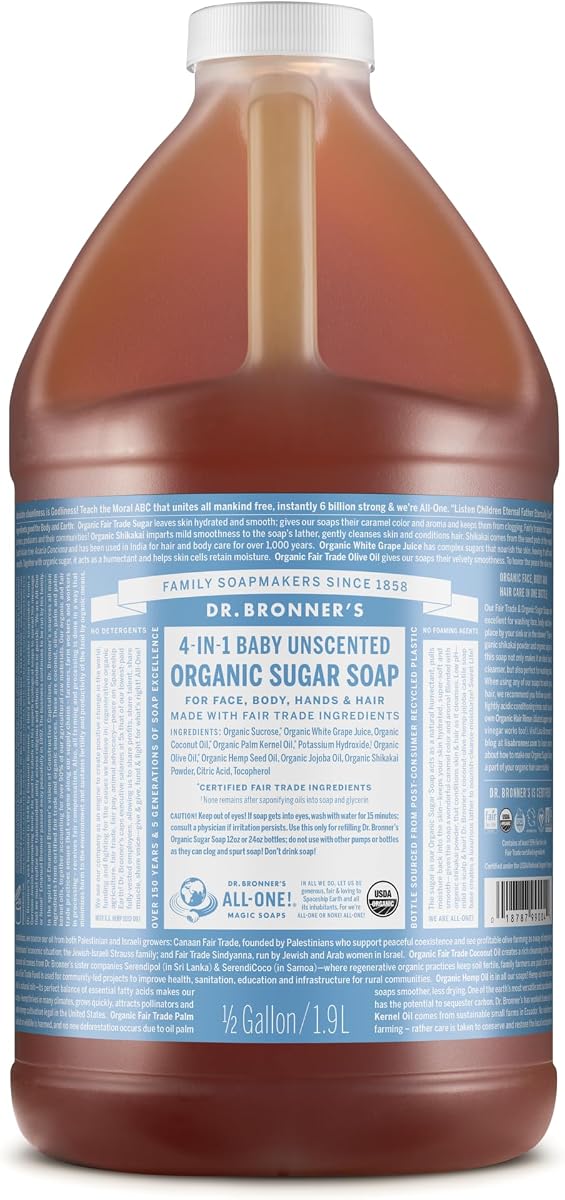
A multi-use, fair-trade organic soap that is gentle enough for pets yet effective at removing grime and odors.
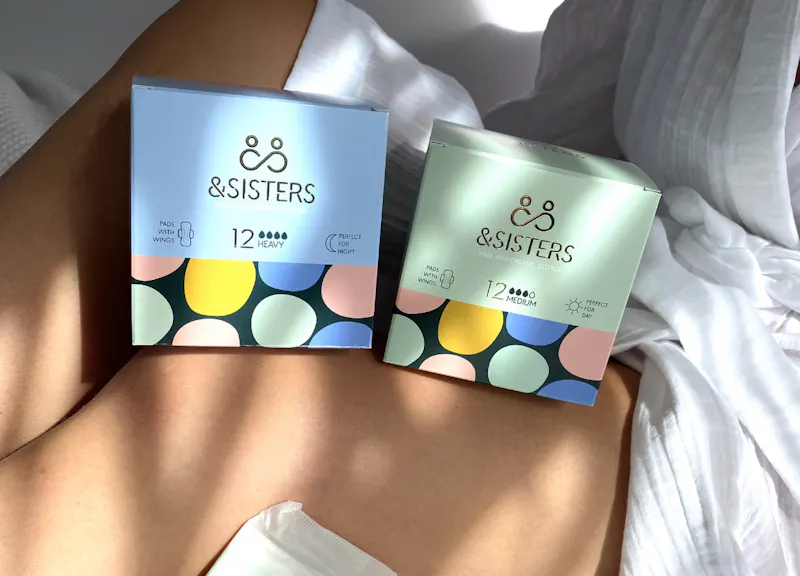
A UK-based, women-owned B Corp offering the highest ethical standard in menstrual care. This bulk 'Sisterhood' bundle features GOTS organic cotton tampons and pads with RSPO-segregated inputs, ensuring zero deforestation.
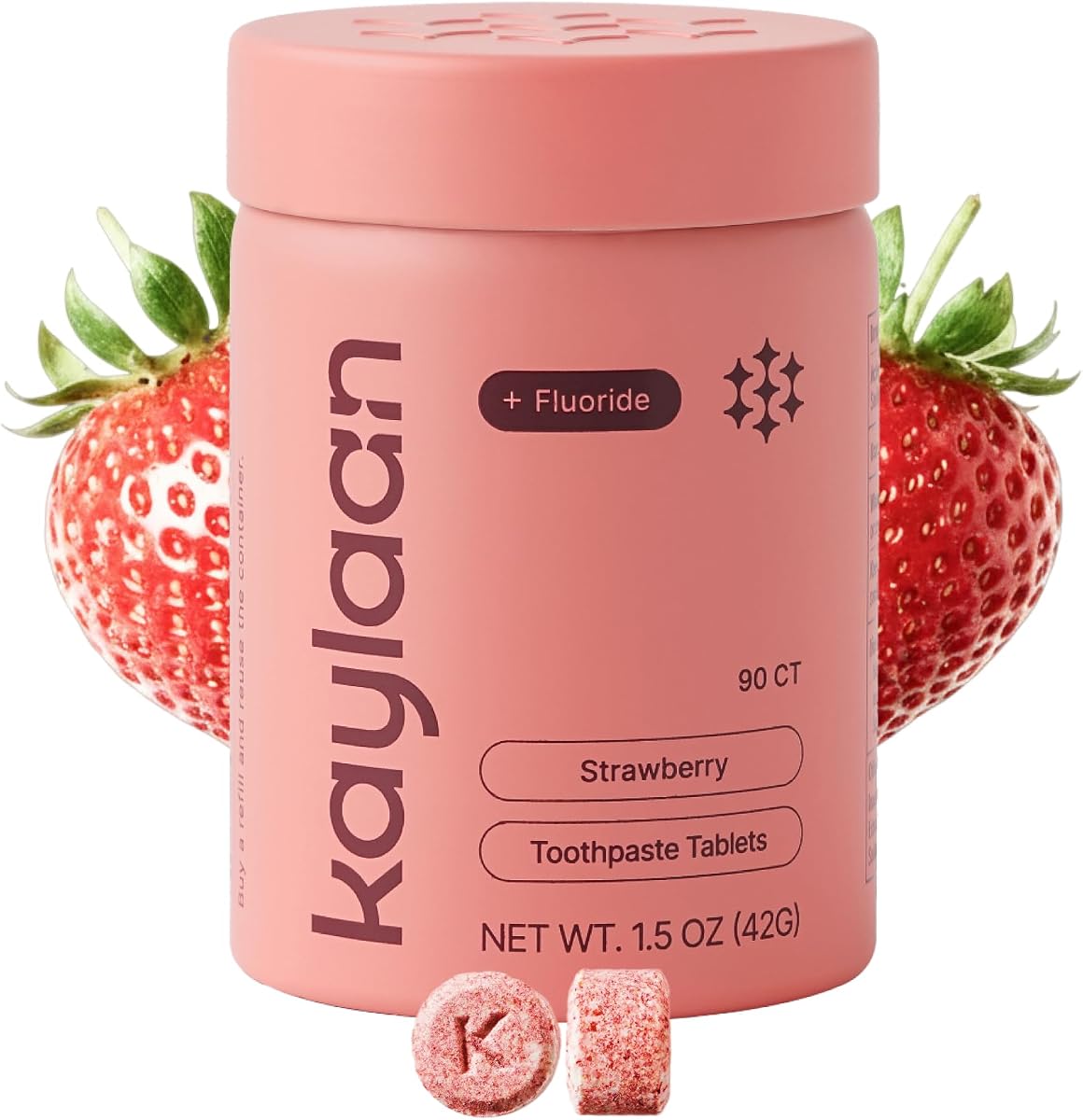
A zero-waste oral care system consisting of fluoride-free tablets in a refillable glass jar, featuring ingredients sourced from ethical Eastern European partners.

A high-potency, carbon-extracted rosehip oil designed specifically for sensitive skin, backed by rigorous B Corp standards and organic agricultural sourcing.
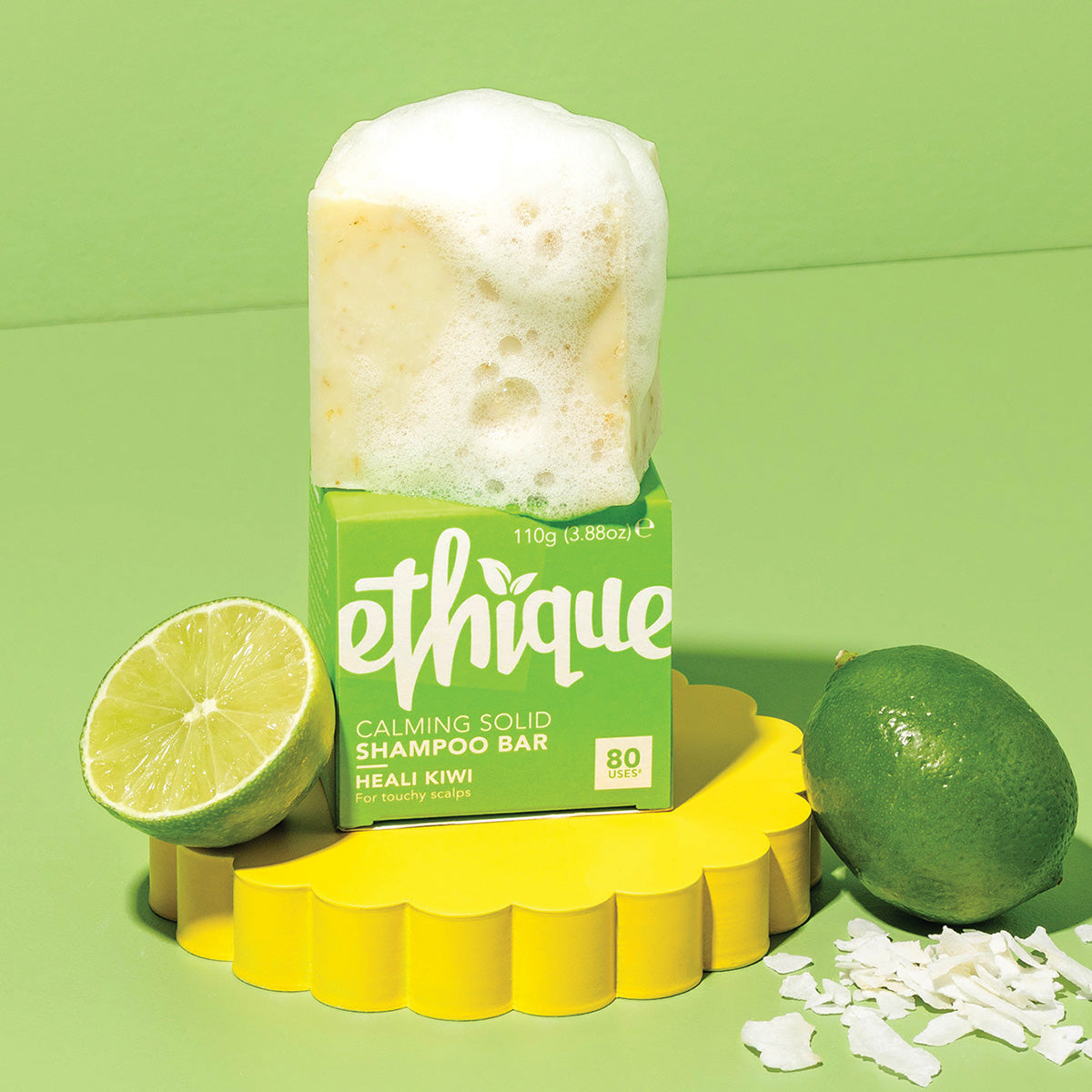
A plastic-free, highly concentrated shampoo bar that replaces three plastic bottles, featuring fair-trade ingredients and carbon-neutral shipping.

A moisturizing, sulfate-free bubble bath featuring handcrafted fair-trade shea butter and calming lavender oil.
More on salt & stone
Is salt & stone ethical? FAQs
Is salt & stone cruelty-free?+
We do not test on animals, and we require the same from our ingredient suppliers.
Does salt & stone have vegan products?+
Dedicated vegan range includes all deodorants and lip balms; sunscreen is not labeled vegan.
Does salt & stone sell in mainland China?+
The brand does not sell through channels that require mainland China post-market testing.
What is salt & stone's ethics score?+
We don't score any salt & stone products yet, so there is no ethics score. The signals above come from the brand profile and the sources listed on this page.
What are the best alternatives to salt & stone?+
High-scoring beauty & personal care products to compare include Dr. Bronner’s 4-in-1 Organic Sugar Soap by Dr. Bronner's, RSPO-Segregated Organic Intimate Care & Menstrual Set by &SISTERS, Natural Whitening Toothpaste Tablets Set by Kaylaan.