Is Scharffen Berger ethical and cruelty-free?
Largely yes — we don't stock Scharffen Berger, but 1 of 3 ethics signals we track are verified in its favour, based on its published policies and third-party certifications.
Scharffen Berger is a privately owned craft chocolate brand whose website states that all its chocolate is made with cacao from Rainforest Alliance Certified farms. Its ethical profile is moderate, with limited transparency on labor and animal testing policies.
The evidence, signal by signal
Cruelty-freeverified
Parent company Hershey states no animal testing on products unless required by law.
Vegan optionsunverified
Most dark chocolate products are vegan, but no dedicated vegan range or certification is offered.
Third-party certifiedunverified
We don't track any of this brand's products yet, so product-level certifications are unchecked.
Public pledges: No brand-specific sustainability goals.
Scored with our public methodology. Profile last updated 2026-11-02.
How we reached this verdict on Scharffen Berger
Each signal is built from the product records and certifications we hold for Scharffen Berger, its brand profile and the sources that profile lists. Scores are AI-assisted catalogue assessments, not audits, so check the named certificate or policy before relying on it. Where a claim cannot be confirmed from those records, the signal is marked unclear rather than assumed positive.
How to read this page
Four questions decide most ethical-shopping decisions about a brand like Scharffen Berger. Work through them in order.
- 1Testing: is there third-party cruelty-free certification, and does the brand sell in markets where animal testing can still be required?
- 2Ingredients and materials: vegan formulation is a separate question from cruelty-free, and a brand can be one without the other.
- 3Ownership: a certified brand inside a group that still tests, or that is linked to documented controversies, is a different decision than an independent one.
- 4Packaging and transparency: refills, recycled content and published supplier data are where most brands quietly lose points.
Research notes on Scharffen Berger
Compiled from the brand's own statements and the public sources listed below, last reviewed 2026-11-02. We don't stock Scharffen Berger products, so nothing here is checked against product records.
Overview
Scharffen Berger Chocolate Maker, founded in 1996 in California, was a pioneer in the American craft chocolate movement, emphasizing single-origin and bean-to-bar production. Acquired by The Hershey Company in 2005 and sold in 2020, the brand returned to private ownership under CEO Paul Cherrie with investment firm Hampton Roads Capital and is now made in Ashland, Oregon. Scharffen Berger has a reputation for high-quality, dark chocolate with complex flavor profiles. The brand publishes a Rainforest Alliance sourcing statement, although this does not provide detailed public wage or supplier-level labor disclosures. The brand's distribution includes select online and retail outlets; it does not appear to sell in China directly or through major Chinese e-commerce platforms.
Certifications
Scharffen Berger states that all its chocolate uses cacao from Rainforest Alliance Certified farms, a commitment it dates to 2012. The official listing for Scharffen Berger’s 62% Semisweet Dark Chocolate Baking Chunks describes the product as non-GMO and certified kosher dairy. The brand has no B Corp certification or similar third-party verification of social or environmental practices.
Animal testing & vegan range
Scharffen Berger’s core product line—dark chocolate bars, cocoa powder, and baking chocolate—is primarily plant-based and inherently vegan, but the brand does not market a specific vegan range or hold vegan certification. Some products may contain dairy (e.g., milk chocolate varieties), but the majority of dark chocolate SKUs are vegan-friendly. We have not yet reviewed the current owner's animal testing policies.
Sustainability pledges
Scharffen Berger states a commitment to purchasing cacao only from Rainforest Alliance Certified cooperatives. The brand emphasizes high-quality, small-batch production, but there is no public information on carbon footprint reduction, water usage, or packaging sustainability goals specific to Scharffen Berger.
Sourcing & labor
The brand sources cocoa from various origins (e.g., Caribbean, South America, Africa) but does not disclose specific farms or cooperatives. The brand’s Rainforest Alliance sourcing statement does not itself publish supplier-level audit reports or detailed wage and working-condition data. No Fairtrade or direct trade partnerships are specifically listed for Scharffen Berger.
Controversies context
As stated, no major controversies are on record for Scharffen Berger specifically. The brand has not been implicated in scandals or boycotts. The lack of independent certification does not imply wrongdoing but limits positive ethical claims.
Bottom line
Scharffen Berger offers high-quality chocolate with a craft heritage, but its ethical profile is average at best. Shoppers seeking certified ethical options may prefer brands with explicit Fair Trade, Organic, or B Corp labels. For those prioritizing taste over certifications, Scharffen Berger remains a solid choice. The brand’s limited transparency and lack of independent verification mean it cannot be recommended as a top ethical chocolate brand.
High-scoring food & nutrition picks to compare
Top-scoring products from other brands in the category Scharffen Berger sells in. A starting point for comparison, not proof that each one beats Scharffen Berger.

The gold standard for ethical food production, this coconut oil uses regenerative organic practices and fair trade labor to set a benchmark for corporate responsibility.
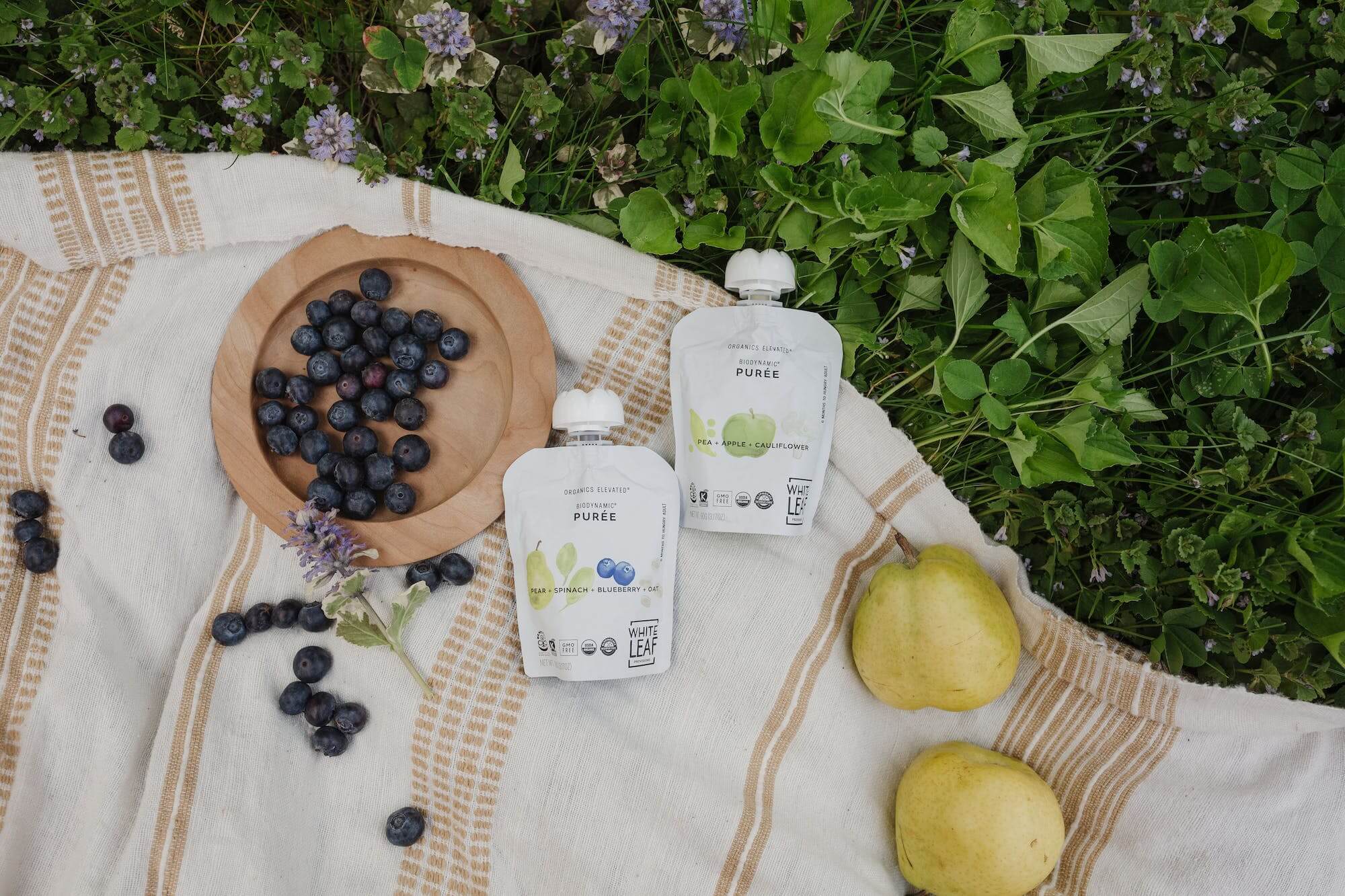
The gold standard in baby food, offering Demeter-certified biodynamic ingredients that exceed organic standards for soil health and purity.

Exquisite heirloom Malagasy cocoa produced entirely at the source in Madagascar. This professional-grade bulk trunk supports direct-trade and lemur habitat conservation.

A nutrient-dense heirloom grain sourced through fully transparent supply chains that support regenerative farming practices in the Peruvian Andes.

A women-owned B Corp that prioritizes equitable purchasing and environmental stewardship through long-term farmer partnerships.

The gold standard in European baby food, Holle's Demeter-certified porridges offer chemical-free nutrition for infants. A top-rated staple for health-conscious parents in urban environments.
More on Scharffen Berger
What the score looks at
Each 0–100 score is an AI-assisted catalogue assessment with five recorded dimensions, not a fixed-weight calculation or an audit. Brands cannot buy a position, and a missing disclosure limits what can be assessed rather than being assumed positive.
Animal welfare
Third-party cruelty-free and vegan certification, animal-derived inputs, testing policy in every market the brand sells in.
Materials & sourcing
Organic, recycled or regenerative inputs, traceability to farm or mill, deforestation and biodiversity risk.
Labour & human rights
Living-wage commitments, published supplier lists, audit results and remediation, Fair Trade certification.
Packaging & waste
Recycled content, plastic intensity, refill or take-back options, real end-of-life recyclability.
Transparency
Public reporting, verifiable claims, parent-company disclosure and how quickly the brand answers questions.
Reading the score
Leader
80–100
Multiple independent certifications, published supply chain, credible reductions.
Strong
65–79
Solid certified core with one weak pillar, usually packaging or labour disclosure.
Mixed
50–64
Real progress in places, significant gaps elsewhere — read the detail before buying.
Weak
0–49
Little verified evidence, or an ownership structure that contradicts the marketing.
Six checks for any ethical purchase
A ranking gets you to a shortlist; these checks tell you whether a specific product is right for your household. Work through them in order — the first two rule out most greenwashing on their own.
Buying checklist
- Check the certification, not the adjective: a logo from Leaping Bunny, Vegan Society, GOTS, Fair Trade or B Corp is auditable; the words "natural" and "clean" are not.
- Look up the parent company — a certified brand owned by a group that still tests where the law requires it is a different decision than an independent one.
- Read the full ingredient or material list, not the front-of-pack claim; a single animal-derived or high-impact input can undo the rest.
- Prefer refills, concentrates and take-back schemes: packaging is usually the fastest win in this category.
- Compare cost per use rather than shelf price, including dose, refill costs and how long you will actually use the item.
- Buy the thing you will actually finish or wear a hundred times; the lowest-impact purchase is still the one you do not replace.
Is Scharffen Berger ethical? FAQs
Is Scharffen Berger cruelty-free?+
Parent company Hershey states no animal testing on products unless required by law.
Does Scharffen Berger have vegan products?+
Most dark chocolate products are vegan, but no dedicated vegan range or certification is offered.
What is Scharffen Berger's ethics score?+
We don't score any Scharffen Berger products yet, so there is no ethics score. The signals above come from the brand profile and the sources listed on this page.
What are the best alternatives to Scharffen Berger?+
High-scoring food & nutrition products to compare include Dr. Bronner’s Whole Kernel Virgin Coconut Oil by Dr. Bronner's, Biodynamic Veggie & Grain Pouch Variety Pack (24-Pack) by White Leaf Provisions, Luxury Single-Origin Dark Chocolate Professional Collection - 20kg Chef's Trunk by Beyond Good.