Is Shiseido ethical and cruelty-free?
Not really — Shiseido fails 2 of the 4 ethics signals we track, including its animal-testing position, and holds no third-party certification we can verify.
Shiseido is a prestigious Japanese cosmetics brand with a long history and significant global presence. It has made notable strides in sustainability and cruelty-free practices, though it continues to sell in China, where animal testing may be required by law, and is not fully vegan.
The evidence, signal by signal
Cruelty-freeflagged
Finished products are not tested on animals globally, but animal testing may occur for products sold in China where required by law.
Vegan optionsunverified
Shiseido offers a limited selection of vegan products but no dedicated vegan line or certification.
Sells in mainland Chinaflagged
Selling through mainland Chinese retail has historically triggered post-market animal testing.
Third-party certifiedunverified
We don't track any of this brand's products yet, so product-level certifications are unchecked.
Public pledges: Aims for carbon neutrality by 2026, net-zero by 2050, 100% recycled packaging by 2025, and 50% recycled plastic use.
Scored with our public methodology. Profile last updated 2026-09-23.
Research notes on Shiseido
Compiled from the brand's own statements and the public sources listed below, last reviewed 2026-09-23. We don't stock Shiseido products, so nothing here is checked against product records.
Overview
Founded in 1872 in Tokyo, Japan, Shiseido is one of the world's oldest cosmetics companies, known for luxury skincare, makeup, and fragrances. It operates in over 120 countries and is owned by the Shiseido Company, Limited (TYO: 4911). The brand is built on a philosophy of blending Eastern and Western aesthetics, with a strong emphasis on research and innovation. Shiseido has committed to sustainability through its 'Vision 2020' and subsequent 'Shiseido Sustainability Blueprint 2030', focusing on reducing environmental impact, ensuring ethical sourcing, and promoting social responsibility. However, due to its sales in mainland China, it faces challenges regarding animal testing policies, as Chinese regulations require testing for imported cosmetics in some circumstances.
Certifications
Shiseido holds several notable certifications: it is a member of the Roundtable on Sustainable Palm Oil (RSPO), indicating commitment to sustainable palm oil sourcing. It also has ISO 14001 certification for environmental management systems in some of its facilities. Additionally, many Shiseido products are certified by the Forest Stewardship Council (FSC) for packaging materials. However, the brand is not Leaping Bunny certified, nor does it carry the Vegan Society trademark. Some specific product lines, such as the 'Ulé' brand, may have organic certifications, but overall, the company does not feature a universal cruelty-free or vegan certification.
Animal testing & vegan range
Shiseido states it does not test finished products on animals and has a 'global policy against animal testing' for cosmetic products. However, because it sells products in mainland China, where animal testing is legally mandated for imported cosmetics (under certain conditions, such as for general-use products after 2021 there have been exemptions for products produced locally or under specific waivers), the claim is nuanced. The company has not fully eliminated animal testing for its China market, as some products sold there are subject to testing. Shiseido offers a small but growing range of vegan products, such as certain items in its 'Shiseido White Lucent' and 'Vital Perfection' lines, but the brand is not fully vegan and does not have a dedicated vegan certification. Official statements indicate that they are working to reduce animal testing but currently cannot guarantee that all products are cruelty-free across all markets.
Sustainability pledges
Shiseido's sustainability commitments are outlined in its 'Shiseido Sustainability Blueprint 2030'. Key pledges include: achieving carbon neutrality across its own operations by 2026 and net-zero by 2050; using 100% recycled or sustainably sourced paper for all packaging by 2025; reducing water consumption by 50% per unit of production; and moving toward 50% recycled plastic in packaging. The company also aims to source all key raw materials (like palm oil, paper, and cotton) from certified sustainable sources by 2025. They have introduced refillable products and packaging reduction initiatives. However, critics note that many of these pledges are long-term and progress is still being monitored.
Sourcing & labor
Shiseido has a comprehensive Supplier Code of Conduct that covers human rights, fair labor practices, safety, and environmental standards. They are a signatory to the United Nations Global Compact and adhere to international labor standards. The company sources raw materials like camellia oil, rice bran, and botanical extracts from various regions. They have programs to support local communities, such as partnerships with farmers in Japan for sustainable agriculture. However, there are limited independent audits of their supply chain, and some labor practices in the cosmetics industry are scrutinized for fair wages and working conditions. No major scandals have been reported, but transparency on specific supplier audits remains limited for the general public.
Controversies context
Shiseido has largely avoided major ethical controversies. The primary ethical concern is its continued presence in China and the associated animal testing requirements. This has led to some consumer criticism and a lack of cruelty-free certification. There have been no significant reports of labor abuses, human rights violations, or environmental disasters linked directly to the brand. In 2020, the company faced a class action lawsuit over alleged false advertising regarding 'plumping' effects of some moisturizers, but it was settled quietly without admission of wrongdoing. Overall, Shiseido is seen as a relatively transparent and ethical brand, albeit with the standard trade-offs for selling in China.
Bottom line
Shiseido is a globally respected brand with strong sustainability goals and a commitment to ethical sourcing, but it falls short of being fully cruelty-free or vegan due to its China market involvement. For consumers who prioritize animal testing policies above all, Shiseido may not be suitable. However, for those seeking a luxury brand with genuine environmental efforts and a good overall ethical stance, it is a reasonable choice. The brand's transparency and concrete pledges make it a more ethical option compared to many traditional cosmetics giants.
Better-scoring alternatives to Shiseido
Same categories, higher ethics scores, verified certifications.

The ultimate multi-tasker for minimalist hosts; one bottle can wash hands, body, hair, and even dishes.
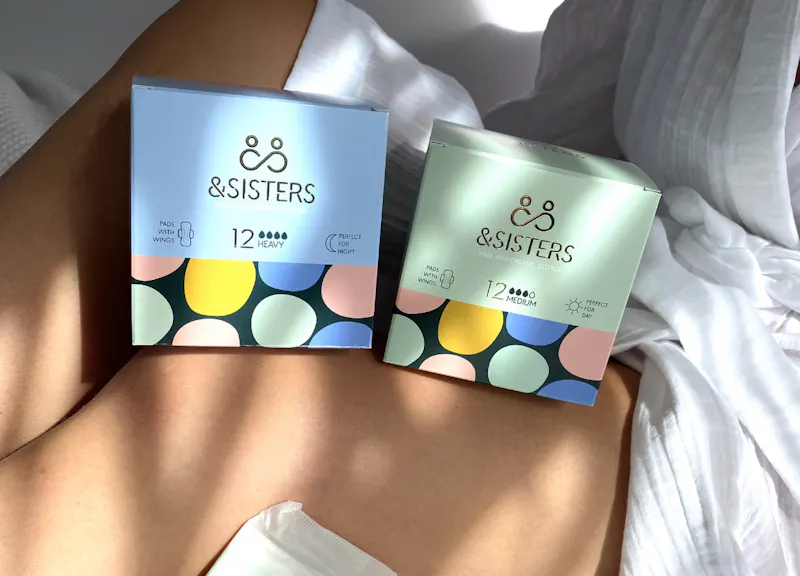
A UK-based, women-owned B Corp offering the highest ethical standard in menstrual care. This bulk 'Sisterhood' bundle features GOTS organic cotton tampons and pads with RSPO-segregated inputs, ensuring zero deforestation.
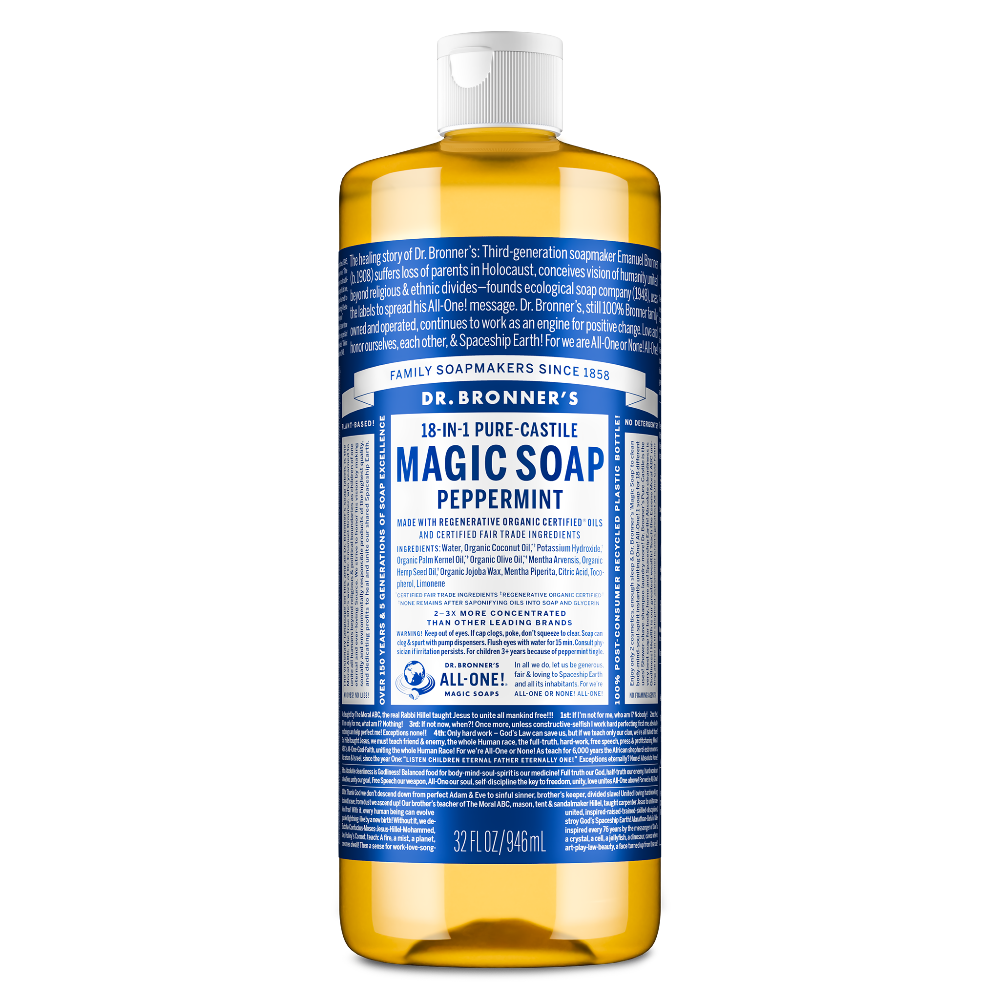
The gold standard of ethical cleaning. A highly concentrated, multi-surface liquid soap made from organic oils and fair trade ingredients in 100% PCR packaging.

The gold standard of ethical soaps, featuring regenerative organic palm oil and a legacy of fair-trade advocacy and radical transparency.
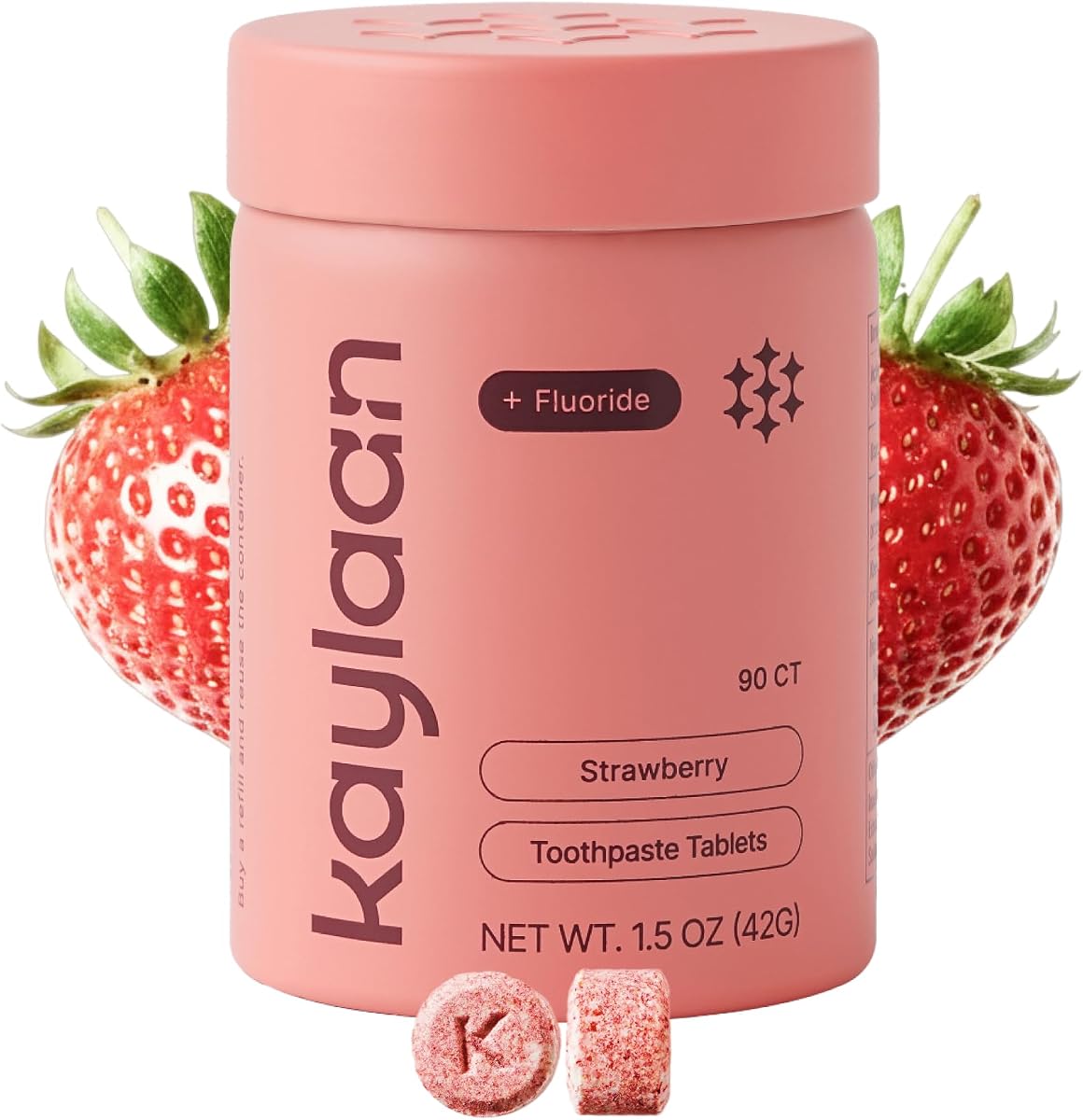
A zero-waste oral care system consisting of fluoride-free tablets in a refillable glass jar, featuring ingredients sourced from ethical Eastern European partners.

A high-potency, carbon-extracted rosehip oil designed specifically for sensitive skin, backed by rigorous B Corp standards and organic agricultural sourcing.
More on Shiseido
Is Shiseido ethical? FAQs
Is Shiseido cruelty-free?+
Finished products are not tested on animals globally, but animal testing may occur for products sold in China where required by law.
Does Shiseido have vegan products?+
Shiseido offers a limited selection of vegan products but no dedicated vegan line or certification.
Does Shiseido sell in mainland China?+
Selling through mainland Chinese retail has historically triggered post-market animal testing.
What is Shiseido's ethics score?+
We don't score any Shiseido products yet, so there is no ethics score. The signals above come from the brand profile and the sources listed on this page.
What are the best alternatives to Shiseido?+
Higher-scoring alternatives include Dr. Bronner's 18-in-1 Pure-Castile Soap (Travel Size) by Dr. Bronner's, RSPO-Segregated Organic Intimate Care & Menstrual Set by &SISTERS, Dr. Bronner's Pure-Castile Liquid Soap (Peppermint) by Dr. Bronner's.