Is Starmix ethical and cruelty-free?
Largely yes — we don't stock Starmix, but 1 of 4 ethics signals we track are verified in its favour, based on its published policies and third-party certifications.
Starmix is a German confectionery brand specializing in foam sugar and fruit gum sweets, owned by the Hitschler group. It demonstrates moderate ethical commitments through Kosher certification, a partial vegan range, and limited public sustainability pledges, with no major controversies on record.
The evidence, signal by signal
Cruelty-freeunverified
Finished products and ingredients are not animal-tested; compliance with EU cosmetics and food regulations.
Vegan optionsunverified
Vegan-friendly options clearly labeled with a 'V' symbol; not all products are vegan.
Sells in mainland Chinaverified
The brand does not sell through channels that require mainland China post-market testing.
Third-party certifiedunverified
We don't track any of this brand's products yet, so product-level certifications are unchecked.
Public pledges: Starmix uses RSPO-certified palm oil for some products, but no comprehensive carbon or recycling targets published.
Scored with our public methodology. Profile last updated 2026-10-03.
Research notes on Starmix
Compiled from the brand's own statements and the public sources listed below, last reviewed 2026-10-03. We don't stock Starmix products, so nothing here is checked against product records.
Overview
Starmix is a well-known German confectionery brand produced by Hitschler GmbH & Co. KG, a family-owned company based in Frechen, near Cologne. The brand is famous for its colorful foam sugar sweets (e.g., 'Fizz-Fizz' and 'Cola-Flaschen') and fruit gum products, sold primarily in Europe. Starmix positions itself with a nostalgic, playful image but has made incremental steps toward ethical production. The Hitschler group employs around 300 people and exports to over 40 countries. Public ethical information is limited compared to larger multinationals, but the brand has no recorded scandals.
Certifications
Starmix products carry Kosher certification (supervised by the Orthodox Rabbinical Council) and are Halal-certified for the majority of its fruit gum and foam sugar lines, verified by independent auditors. However, the brand does not hold widely recognized third-party certifications such as Fair Trade, Rainforest Alliance, or B Corp. Products are produced in Germany and comply with EU food safety standards, but no organic or non-GMO certification is publicly listed for the core range.
Animal testing & vegan range
Starmix does not test finished products or ingredients on animals, in line with EU regulatory requirements. The brand explicitly states on its website that no animal testing is conducted for any Hitschler products. A significant portion of the range is vegan-friendly, though not all items are certified vegan. The brand clearly labels vegan products with a 'V' symbol on packaging and online. Products containing gelatin (e.g., some gummy items) are clearly marked. PETA and other animal rights groups have not reported any violations regarding animal testing.
Sustainability pledges
Starmix has made limited public sustainability commitments. The parent company, Hitschler, reports using certified palm oil from RSPO (Roundtable on Sustainable Palm Oil) sources for certain products, but this is not yet applied across the entire portfolio. The brand uses recyclable cardboard packaging for multi-packs and has reduced plastic in single-wrap items, but no specific recycled content percentage is published. Carbon footprint data or renewable energy usage in manufacturing is not disclosed. The company has not set a net-zero or science-based target. Overall, sustainability efforts appear minimal compared to industry leaders.
Sourcing & labor
Hitschler states that all production takes place in Germany, primarily at its Frechen facility. The company claims compliance with German labor laws, which cover minimum wage, working hours, and safety standards. However, no public supplier code of conduct or third-party labor audit reports are available. Cane sugar sourcing is not traced to specific farms; the company relies on European sugar beet suppliers and global sugar traders. There is no mention of Fair Trade premiums paid to growers. For flavorings and colorings, the brand uses natural and artificial ingredients, with natural colors (e.g., curcumin, spirulina) listed on some product lines. Labor rights in the broader supply chain (e.g., sugar plantations) are not addressed.
Controversies context
No major controversies have been recorded against Starmix or Hitschler. The brand has not been linked to child labor, environmental disasters, or consumer health scandals. In 2021, a minor incident occurred when a batch of fruit gums was recalled due to undeclared milk content, but this was handled promptly with no legal action. Consumers have occasionally criticized the use of artificial colors (e.g., E102, E133) in some lines, but the brand added natural alternatives to the 'Starmix Natur' sub-range. Overall, the company maintains a low public profile with no ethical reputational damage.
Bottom line
Starmix is a moderately ethical choice for confectionery, particularly for those seeking a cruelty-free and partly vegan range from a German-based producer. However, transparency around sugar sourcing, labor in supply chains, and comprehensive sustainability targets remains weak. While it avoids major ethical pitfalls, shoppers seeking rigorous certifications (Fair Trade, organic, non-GMO) or strong climate commitments may need to look elsewhere. The brand's safety and compliance record is solid, but its ethical profile does not exceed industry averages.
High-scoring food & nutrition picks to compare
Top-scoring products from other brands in the category Starmix sells in. A starting point for comparison, not proof that each one beats Starmix.

The gold standard for ethical food production, this coconut oil uses regenerative organic practices and fair trade labor to set a benchmark for corporate responsibility.
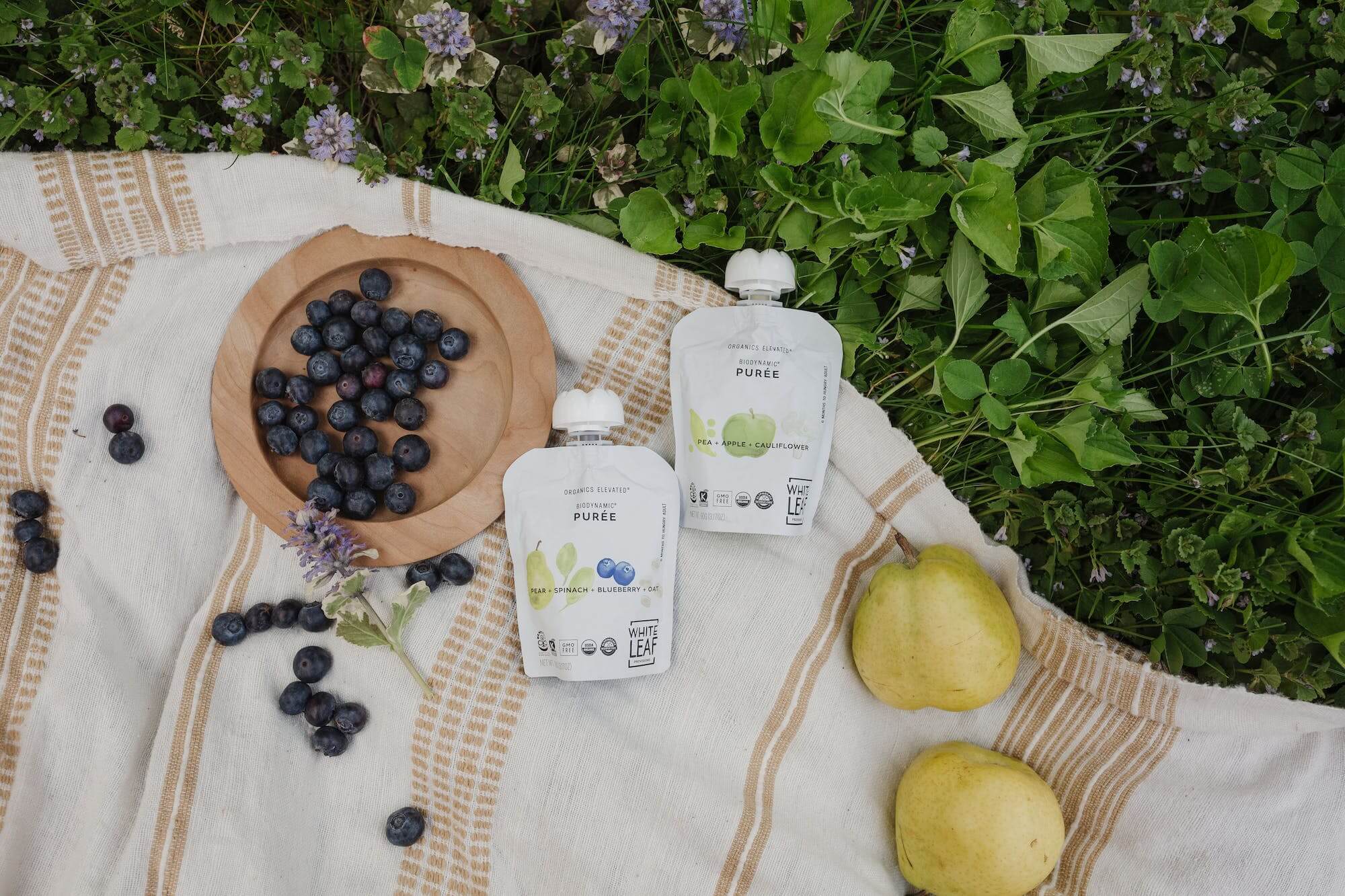
The gold standard in baby food, offering Demeter-certified biodynamic ingredients that exceed organic standards for soil health and purity.

Exquisite heirloom Malagasy cocoa produced entirely at the source in Madagascar. This professional-grade bulk trunk supports direct-trade and lemur habitat conservation.

A nutrient-dense heirloom grain sourced through fully transparent supply chains that support regenerative farming practices in the Peruvian Andes.

A women-owned B Corp that prioritizes equitable purchasing and environmental stewardship through long-term farmer partnerships.

The gold standard in European baby food, Holle's Demeter-certified porridges offer chemical-free nutrition for infants. A top-rated staple for health-conscious parents in urban environments.
More on Starmix
Is Starmix ethical? FAQs
Is Starmix cruelty-free?+
Finished products and ingredients are not animal-tested; compliance with EU cosmetics and food regulations.
Does Starmix have vegan products?+
Vegan-friendly options clearly labeled with a 'V' symbol; not all products are vegan.
Does Starmix sell in mainland China?+
The brand does not sell through channels that require mainland China post-market testing.
What is Starmix's ethics score?+
We don't score any Starmix products yet, so there is no ethics score. The signals above come from the brand profile and the sources listed on this page.
What are the best alternatives to Starmix?+
High-scoring food & nutrition products to compare include Dr. Bronner’s Whole Kernel Virgin Coconut Oil by Dr. Bronner's, Biodynamic Veggie & Grain Pouch Variety Pack (24-Pack) by White Leaf Provisions, Luxury Single-Origin Dark Chocolate Professional Collection - 20kg Chef's Trunk by Beyond Good.