Is Sunsilk ethical and cruelty-free?
Not really — Sunsilk fails 2 of the 4 ethics signals we track, including its animal-testing position, and holds no third-party certification we can verify.
Sunsilk, a Unilever brand, offers mass-market hair care products with limited third-party ethical certifications and a reliance on corporate parent policies for animal testing and sustainability, resulting in a mixed ethical profile suitable for comparison sites.
The evidence, signal by signal
Cruelty-freeflagged
Sales in China may involve mandatory animal testing for imported products; Unilever policy opposes testing except where legally required.
Vegan optionsunverified
No dedicated vegan range; some products contain animal-derived ingredients.
Sells in mainland Chinaflagged
Selling through mainland Chinese retail has historically triggered post-market animal testing.
Third-party certifiedunverified
We don't track any of this brand's products yet, so product-level certifications are unchecked.
Public pledges: Unilever Compass strategy aims for net-zero emissions by 2039 and recyclable packaging by 2025; brand-specific progress is not reported.
Scored with our public methodology. Profile last updated 2026-09-15.
Research notes on Sunsilk
Compiled from the brand's own statements and the public sources listed below, last reviewed 2026-09-15. We don't stock Sunsilk products, so nothing here is checked against product records.
Overview
Sunsilk is a global hair care brand owned by Unilever, one of the world's largest consumer goods companies. Launched in the 1950s, Sunsilk is marketed primarily in developing and emerging markets, with a focus on affordability and accessibility. The brand positions itself as providing salon-quality results for everyday use, with a wide range of shampoos, conditioners, and treatments tailored to different hair types. However, from an ethical standpoint, Sunsilk’s credentials are largely shaped by Unilever’s corporate policies rather than standalone initiatives. The brand lacks independent certifications such as Cruelty-Free International or Leaping Bunny, and its environmental and social commitments are subsumed under Unilever’s broader sustainability framework.
Certifications
Sunsilk does not hold any widely recognized third-party ethical certifications. It is not certified cruelty-free by organizations like PETA or Leaping Bunny, nor does it carry organic, Fair Trade, or vegan certifications. The brand’s products may include some that are derived from Unilever’s Sustainable Living Plan, but no specific Sunsilk product line has been verified by external auditors. This absence of certifications places Sunsilk behind many competitors that offer certified ethical options.
Animal testing & vegan range
Sunsilk’s animal testing policy is governed by Unilever’s corporate stance. Unilever has a global policy against animal testing for its products, except where required by law (e.g., in China for imported cosmetics). Since Sunsilk is sold in China—where animal testing is mandatory for certain imported goods—the brand cannot be considered cruelty-free. Unilever claims to use alternative testing methods and has a “Safety and Environmental Assurance Centre” that advocates for non-animal approaches, but the reality of selling in China means that some Sunsilk products may still be subject to animal testing. Sunsilk does not currently offer a dedicated vegan range; its product formulations often contain animal-derived ingredients like milk proteins, honey, or keratin. Consumers seeking vegan-friendly options must scrutinize individual ingredient lists.
Sustainability pledges
Sunsilk’s sustainability efforts are part of Unilever’s “Unilever Sustainable Living Plan” (USLP) and its successor, the “Unilever Compass” strategy. Unilever aims to halve its environmental footprint by 2030, achieve net-zero emissions by 2039, and ensure all plastic packaging is reusable, recyclable, or compostable by 2025 (though this target has been delayed). Sunsilk, as a portfolio brand, participates in these initiatives. For example, some Sunsilk bottles are made from recycled plastic, and the brand has introduced concentrated formulas to reduce packaging weight. Water conservation is also cited in manufacturing sites. However, these pledges are corporate-wide and not specific to Sunsilk; critics argue that the brand’s low-cost positioning may still drive high-volume plastic waste in price-sensitive markets, and transparency on actual progress is limited for individual brands.
Sourcing & labor
Sunsilk sources ingredients through Unilever’s global supply chain. Unilever has policies on responsible sourcing, including commitments to no deforestation in palm oil (a key ingredient in many hair care products) and adherence to the Unilever Responsible Sourcing Policy, which mandates fair labor practices, safe working conditions, and no child labor. Unilever is a member of the Roundtable on Sustainable Palm Oil (RSPO) and claims to source 100% of palm oil from certified sustainable sources. However, traceability to the farm level remains challenging, and environmental groups have documented ongoing deforestation linked to RSPO-certified suppliers. For Sunsilk consumers, the labor implications are indirect: while Unilever’s policies are ambitious, enforcement in lower-tier suppliers can be inconsistent, especially in regions where Sunsilk’s production is concentrated (e.g., India, Southeast Asia).
Controversies context
No major controversies are on record specifically for Sunsilk. However, its parent company Unilever has faced occasional criticism over greenwashing claims (e.g., regarding plastic waste reduction targets) and labor issues in its supply chain. Sunsilk itself has been involved in minor marketing controversies—such as culturally insensitive advertisements in some markets—but these have not led to sustained ethical debates. Overall, Sunsilk maintains a relatively low profile in ethical discourse, which aligns with its mass-market, no-frills brand image.
Bottom line
Sunsilk is a conventional mass-market hair care brand with limited ethical credentials. It lacks independent cruelty-free and environmental certifications, and its sale in China means it cannot be guaranteed against animal testing. While Unilever, as a parent, has robust sustainability and labor policies, their application to Sunsilk is indirect and opaque. For ethically conscious consumers, Sunsilk represents a standard choice with aspirational corporate policies but insufficient brand-level transparency. Alternative brands with certified cruelty-free, vegan, or sustainable product lines may be preferable for those prioritizing verified ethical standards.
Better-scoring alternatives to Sunsilk
Same categories, higher ethics scores, verified certifications.

The ultimate multi-tasker for minimalist hosts; one bottle can wash hands, body, hair, and even dishes.
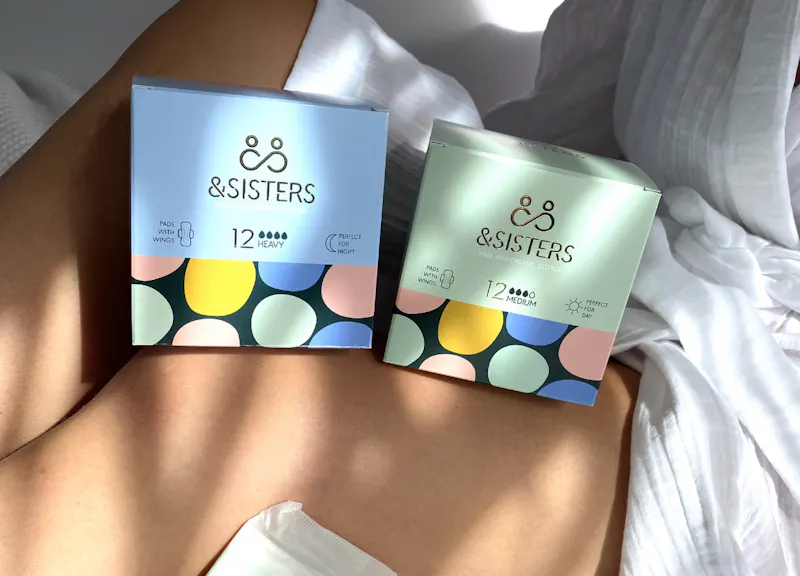
A UK-based, women-owned B Corp offering the highest ethical standard in menstrual care. This bulk 'Sisterhood' bundle features GOTS organic cotton tampons and pads with RSPO-segregated inputs, ensuring zero deforestation.
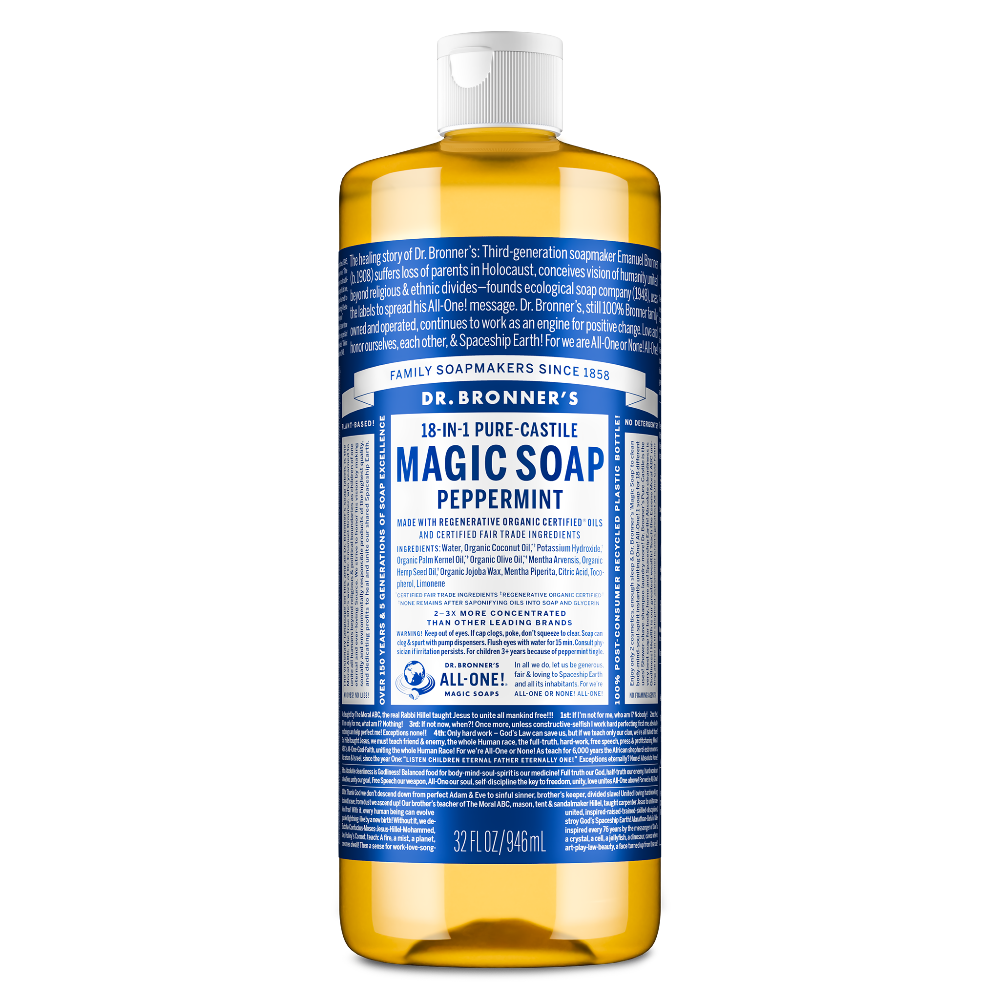
The gold standard of ethical cleaning. A highly concentrated, multi-surface liquid soap made from organic oils and fair trade ingredients in 100% PCR packaging.

The gold standard of ethical soaps, featuring regenerative organic palm oil and a legacy of fair-trade advocacy and radical transparency.
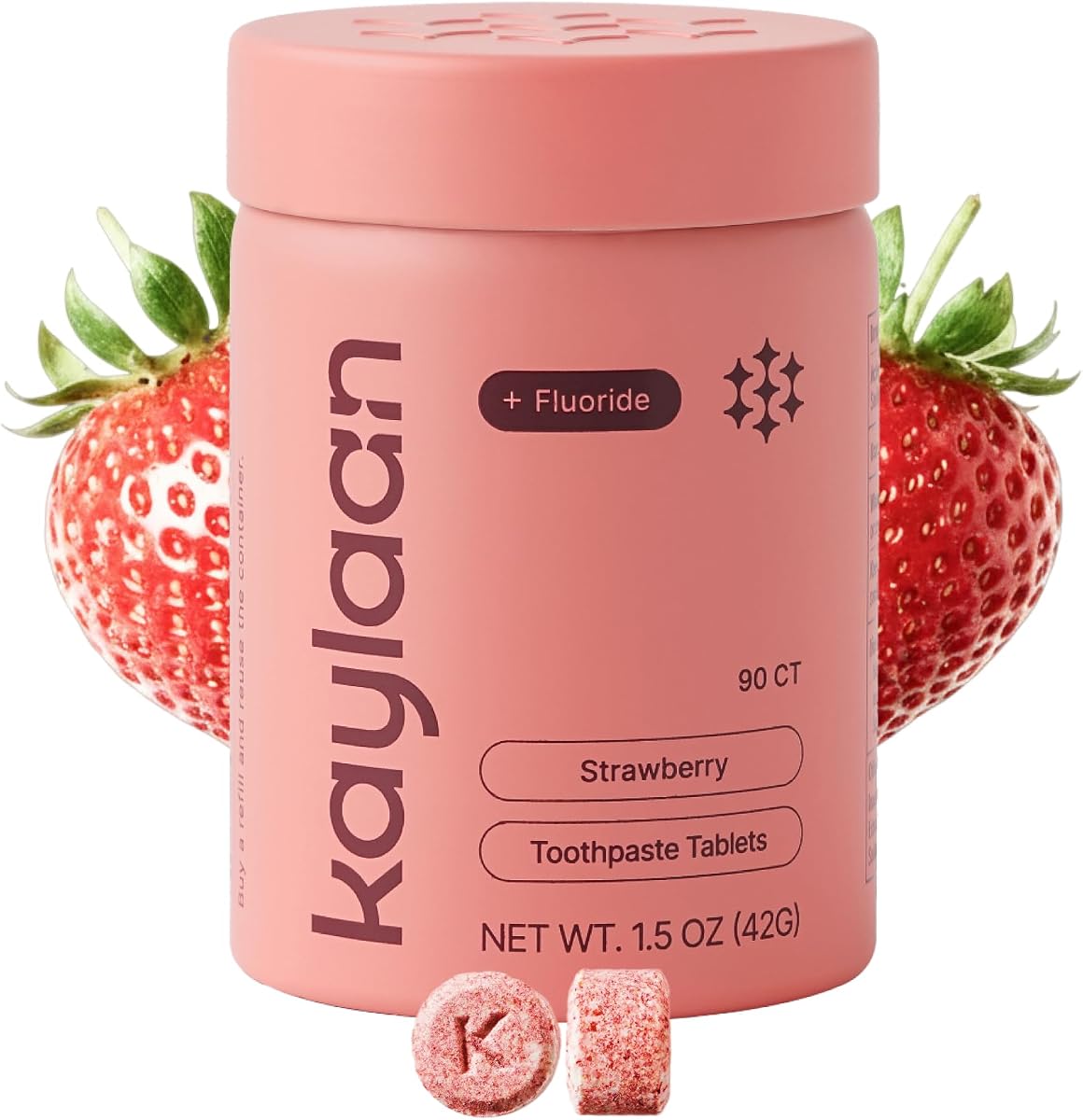
A zero-waste oral care system consisting of fluoride-free tablets in a refillable glass jar, featuring ingredients sourced from ethical Eastern European partners.

A high-potency, carbon-extracted rosehip oil designed specifically for sensitive skin, backed by rigorous B Corp standards and organic agricultural sourcing.
More on Sunsilk
Is Sunsilk ethical? FAQs
Is Sunsilk cruelty-free?+
Sales in China may involve mandatory animal testing for imported products; Unilever policy opposes testing except where legally required.
Does Sunsilk have vegan products?+
No dedicated vegan range; some products contain animal-derived ingredients.
Does Sunsilk sell in mainland China?+
Selling through mainland Chinese retail has historically triggered post-market animal testing.
What is Sunsilk's ethics score?+
We don't score any Sunsilk products yet, so there is no ethics score. The signals above come from the brand profile and the sources listed on this page.
What are the best alternatives to Sunsilk?+
Higher-scoring alternatives include Dr. Bronner's 18-in-1 Pure-Castile Soap (Travel Size) by Dr. Bronner's, RSPO-Segregated Organic Intimate Care & Menstrual Set by &SISTERS, Dr. Bronner's Pure-Castile Liquid Soap (Peppermint) by Dr. Bronner's.