Is Swiffer ethical and cruelty-free?
Not really — Swiffer fails 2 of the 4 ethics signals we track, including its animal-testing position, and holds no third-party certification we can verify.
Swiffer, owned by Procter & Gamble, is a leading brand of disposable cleaning tools, but its reliance on single-use plastics and lack of third-party sustainability certifications raise environmental concerns. The brand has no major controversies, though its animal testing policy and limited vegan range reflect mixed ethical performance.
The evidence, signal by signal
Cruelty-freeflagged
Procter & Gamble may conduct animal testing where required by law, including for products sold in China.
Vegan optionsunverified
We have not verified certified vegan formulations for this brand.
Sells in mainland Chinaflagged
Selling through mainland Chinese retail has historically triggered post-market animal testing.
Third-party certifiedunverified
We don't track any of this brand's products yet, so product-level certifications are unchecked.
Public pledges: P&G aims to reduce plastic packaging by 50% by 2030 and use 100% recyclable packaging, but Swiffer’s disposable pads and wipes remain largely single-use and non-recyclable.
Scored with our public methodology. Profile last updated 2026-09-14.
Research notes on Swiffer
Compiled from the brand's own statements and the public sources listed below, last reviewed 2026-09-14. We don't stock Swiffer products, so nothing here is checked against product records.
Overview
Swiffer is a household cleaning brand launched in 1999 by Procter & Gamble (P&G), offering mops, dusters, and sweepers designed for convenience and disposable use. The brand is widely recognized for its wet and dry cleaning systems, which use pre-moistened pads and disposable heads. While Swiffer products are effective and popular among consumers, the brand's business model is heavily dependent on single-use plastic components and non-recyclable materials, leading to significant environmental criticism. P&G, as the parent company, has made some sustainability pledges, but Swiffer as a sub-brand lags behind in certifications and transparency.
Certifications
Swiffer products do not hold any widely recognized third-party ethical certifications such as Fair Trade, B Corp, Leaping Bunny, or FSC. P&G has a reputation for using greenwashing claims without thorough independent verification. Swiffer’s packaging and claims are not certified by recognized environmental or labor standards, which limits consumers' ability to verify ethical claims.
Animal testing & vegan range
Procter & Gamble states it conducts animal testing only where required by law, such as to comply with Chinese regulations for imported cosmetics and household products. Since Swiffer products are sold in China, they may be subject to animal testing under Chinese law. P&G claims to have reduced animal testing and supports alternative methods, but no Leaping Bunny or PETA certification is in place for Swiffer. The brand does not have a dedicated vegan product range, and some Swiffer pads may contain animal-derived ingredients (e.g., preservatives or dyes), though ingredient transparency is limited.
Sustainability pledges
P&G has launched an “Ambition 2030” sustainability plan, which includes goals like reducing plastic packaging by 50%, using 100% recyclable or reusable packaging, and increasing renewable energy use. Swiffer specifically has introduced refillable spray bottles and concentrated refills for some products, and the brand claims to use 30% less plastic in select packaging compared to previous designs. However, the core Swiffer product line remains largely single-use, and the pads are not widely recyclable due to contamination and mixed materials. Critics argue that Swiffer’s disposable model conflicts with circular economy principles, and no major independent audits substantiate their progress.
Sourcing & labor
Swiffer products are manufactured in P&G facilities worldwide, including in the United States, Mexico, and China. P&G publishes a Supplier Code of Conduct requiring compliance with labor laws, prohibition of forced labor, and safe working conditions. The company conducts audits but does not disclose factory-level data publicly. P&G has been a member of the Better Cotton Initiative and supports responsible sourcing for some raw materials, but Swiffer’s specific supply chain transparency is limited. No major labor scandals have been reported, but the lack of third-party verification leaves room for ethical concerns.
Controversies context
Swiffer has experienced no major public scandals, lawsuits, or boycotts. However, environmental groups and consumer advocates have criticized the brand for contributing to plastic waste and for greenwashing via vague sustainability messaging. In 2023, P&G faced a shareholder resolution requesting more transparency on plastic reduction goals, which passed with limited support. These issues are ongoing concerns but have not escalated into full-blown controversies.
Bottom line
Swiffer offers convenient cleaning but at a significant environmental cost due to its disposable design and lack of certifications. While P&G has made broad sustainability commitments, Swiffer’s specific ethical performance remains average. The brand is not recommended for consumers prioritizing cruelty-free, vegan, or circular products. For those seeking less impactful alternatives, reusable mop systems or certified biodegradable options provide better alignment with ethical values.
Better-scoring alternatives to Swiffer
Same categories, higher ethics scores, verified certifications.

The ultimate multi-tasker for minimalist hosts; one bottle can wash hands, body, hair, and even dishes.
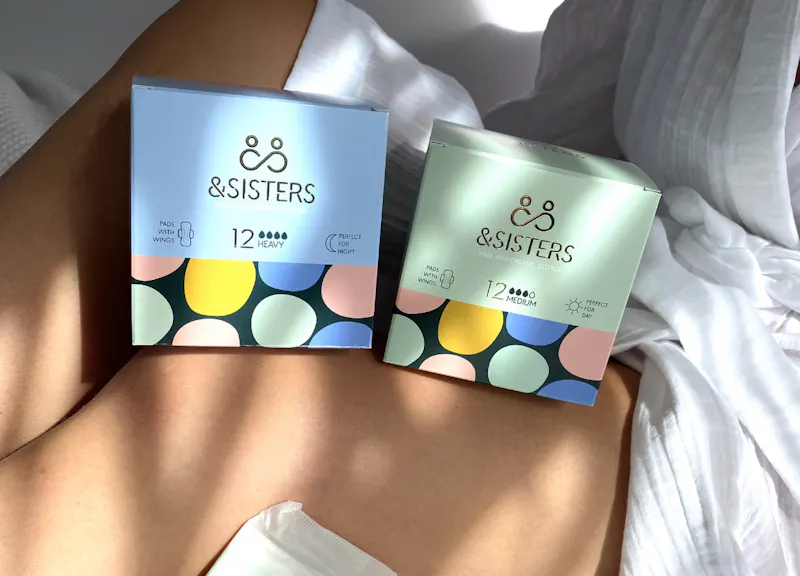
A UK-based, women-owned B Corp offering the highest ethical standard in menstrual care. This bulk 'Sisterhood' bundle features GOTS organic cotton tampons and pads with RSPO-segregated inputs, ensuring zero deforestation.
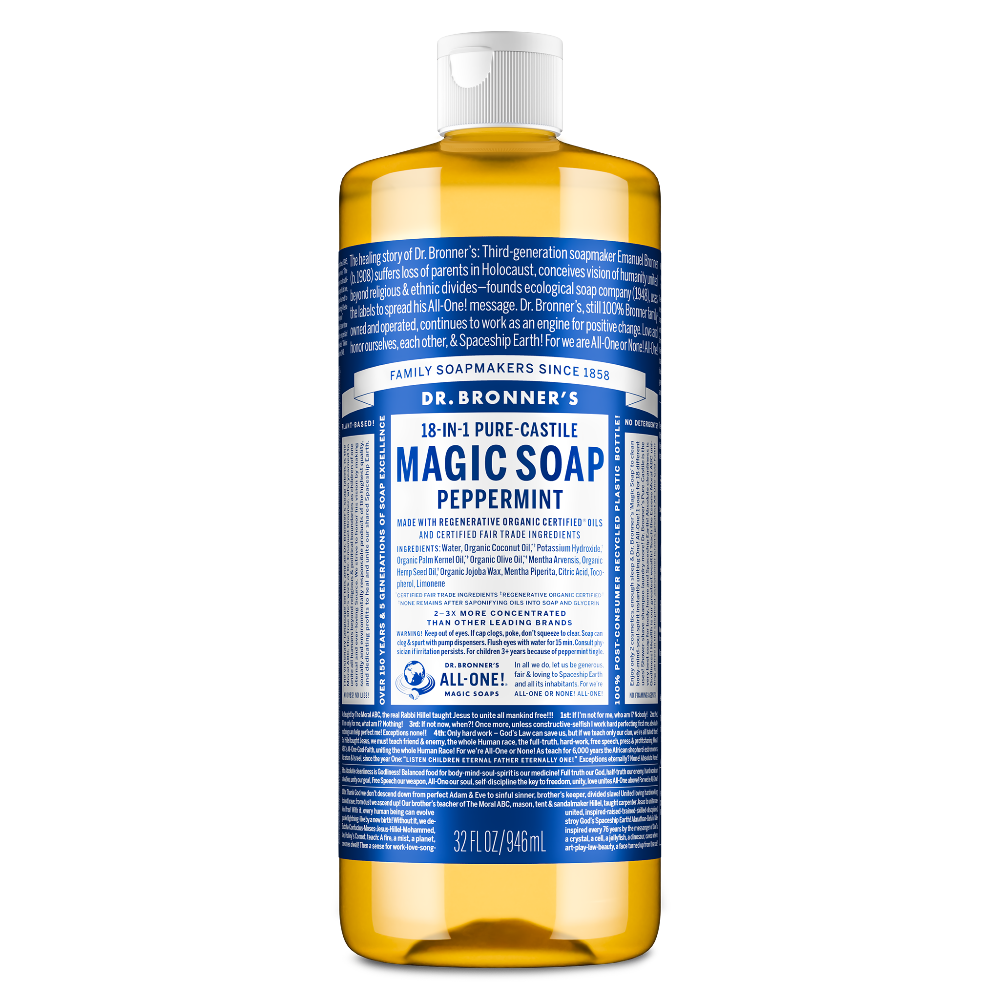
The gold standard of ethical cleaning. A highly concentrated, multi-surface liquid soap made from organic oils and fair trade ingredients in 100% PCR packaging.

The gold standard of ethical soaps, featuring regenerative organic palm oil and a legacy of fair-trade advocacy and radical transparency.
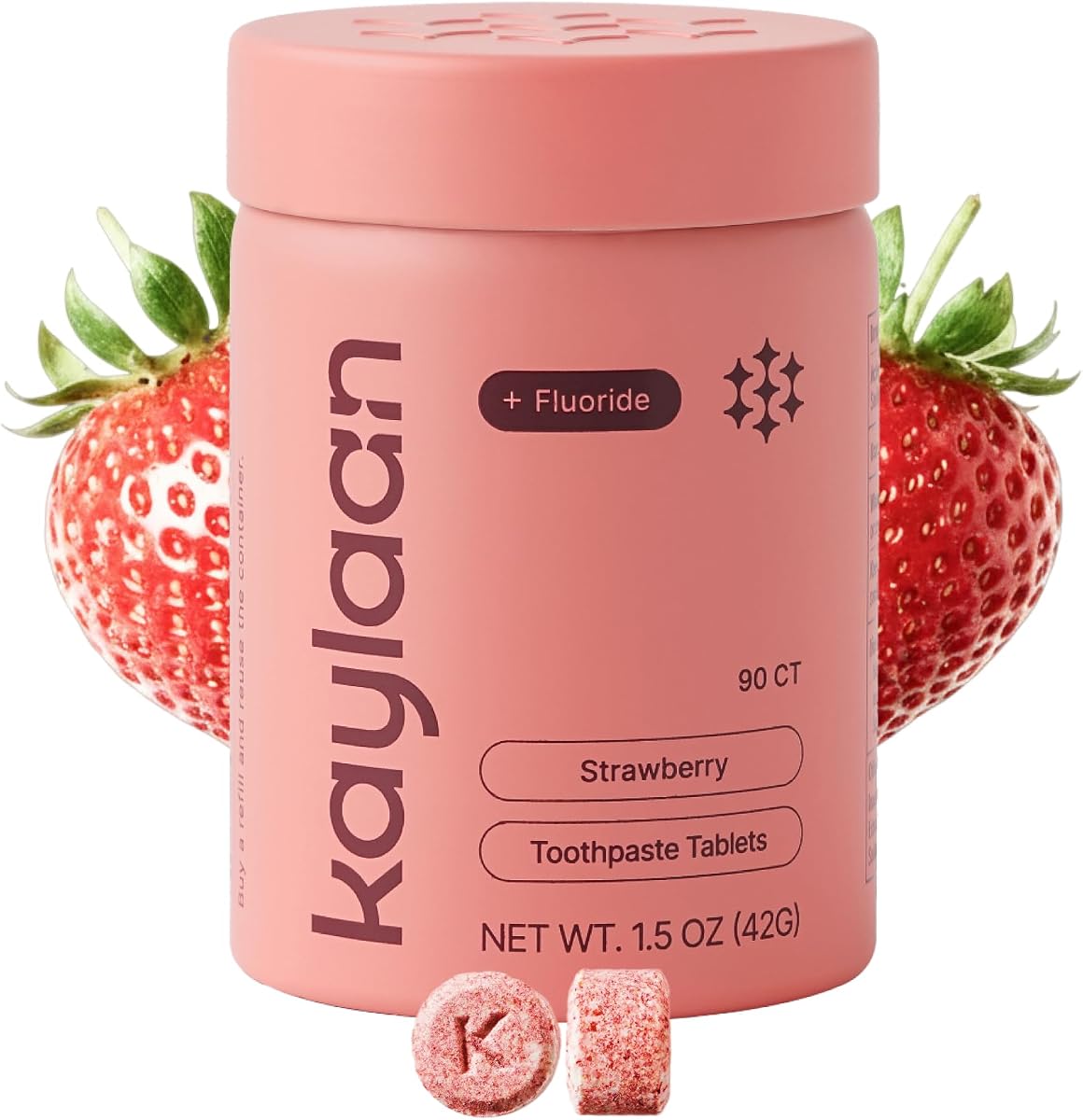
A zero-waste oral care system consisting of fluoride-free tablets in a refillable glass jar, featuring ingredients sourced from ethical Eastern European partners.

A high-potency, carbon-extracted rosehip oil designed specifically for sensitive skin, backed by rigorous B Corp standards and organic agricultural sourcing.
More on Swiffer
Is Swiffer ethical? FAQs
Is Swiffer cruelty-free?+
Procter & Gamble may conduct animal testing where required by law, including for products sold in China.
Does Swiffer have vegan products?+
We have not verified certified vegan formulations for this brand.
Does Swiffer sell in mainland China?+
Selling through mainland Chinese retail has historically triggered post-market animal testing.
What is Swiffer's ethics score?+
We don't score any Swiffer products yet, so there is no ethics score. The signals above come from the brand profile and the sources listed on this page.
What are the best alternatives to Swiffer?+
Higher-scoring alternatives include Dr. Bronner's 18-in-1 Pure-Castile Soap (Travel Size) by Dr. Bronner's, RSPO-Segregated Organic Intimate Care & Menstrual Set by &SISTERS, Dr. Bronner's Pure-Castile Liquid Soap (Peppermint) by Dr. Bronner's.