Is Truman's ethical and cruelty-free?
Largely yes — we don't stock Truman's, but 1 of 4 ethics signals we track are verified in its favour, based on its published policies and third-party certifications.
Truman's is a U.S.-based men's grooming brand owned by Unilever, emphasizing natural ingredients, eco-friendly packaging, and cruelty-free practices, though its parent company's scale raises nuanced ethical considerations.
The evidence, signal by signal
Cruelty-freeunverified
Truman's does not test on animals and requires suppliers to comply with a fixed cut-off date policy.
Vegan optionsunverified
A majority of Truman's products are vegan-certified; the brand's range is predominantly plant-based.
Sells in mainland Chinaverified
The brand does not sell through channels that require mainland China post-market testing.
Third-party certifiedunverified
We don't track any of this brand's products yet, so product-level certifications are unchecked.
Public pledges: 100% recyclable aluminum packaging, carbon-neutral shipping, and participation in Unilever's net-zero and plastic reduction goals.
Scored with our public methodology. Profile last updated 2026-10-10.
How we reached this verdict on Truman's
Each signal is built from the product records and certifications we hold for Truman's, its brand profile and the sources that profile lists. Scores are AI-assisted catalogue assessments, not audits, so check the named certificate or policy before relying on it. Where a claim cannot be confirmed from those records, the signal is marked unclear rather than assumed positive.
How to read this page
Four questions decide most ethical-shopping decisions about a brand like Truman's. Work through them in order.
- 1Testing: is there third-party cruelty-free certification, and does the brand sell in markets where animal testing can still be required?
- 2Ingredients and materials: vegan formulation is a separate question from cruelty-free, and a brand can be one without the other.
- 3Ownership: a certified brand inside a group that still tests, or that is linked to documented controversies, is a different decision than an independent one.
- 4Packaging and transparency: refills, recycled content and published supplier data are where most brands quietly lose points.
Research notes on Truman's
Compiled from the brand's own statements and the public sources listed below, last reviewed 2026-10-10. We don't stock Truman's products, so nothing here is checked against product records.
Overview
Truman's is a direct-to-consumer men's grooming brand founded in 2016 and acquired by Unilever in 2019. The brand focuses on high-quality, natural-ingredient products such as shampoos, conditioners, beard oils, and shaving creams, packaged in recyclable aluminum bottles. Truman's operates with a subscription model and retails in select stores. Its mission centers on simplifying men's grooming while reducing environmental impact through sustainable packaging and plant-based formulas. As a Unilever subsidiary, Truman's benefits from the parent company's global sustainability frameworks but also inherits scrutiny of Unilever's broader supply chain practices.
Certifications
Truman's products are certified cruelty-free by PETA (People for the Ethical Treatment of Animals) and Leaping Bunny, ensuring no animal testing is conducted at any stage of production. Several products carry the Vegan Society trademark, confirming they contain no animal-derived ingredients. However, the brand does not hold USDA Organic or B Corp certifications; its environmental claims are self-declared and not third-party verified. Unilever's Sustainable Living Plan includes various certifications (e.g., Rainforest Alliance, Fair Trade for some ingredients), but these apply broadly and not specifically to all Truman's formulations.
Animal testing & vegan range
Truman's is 100% cruelty-free; it does not test on animals and requires its suppliers to adhere to the same policy. The brand does not sell in mainland China, where post-market animal testing is mandated for imported cosmetics. However, Unilever as a whole sells in China via local manufacturing, which circumvents testing requirements. Truman's offers a growing vegan range, with most products labeled as vegan-friendly; key items like the Beard Oil and Shampoo are plant-based. Customers can identify vegan products via the Vegan Society logo on packaging.
Sustainability pledges
Truman's uses 100% recyclable aluminum bottles and carbon-neutral shipping through carbon offsets. It claims to source natural ingredients responsibly and has partnered with reforestation initiatives. Unilever's broader commitments include achieving net-zero emissions by 2039, reducing plastic use by 50% by 2025, and sourcing 100% of agricultural raw materials sustainably. However, Truman's has not published a standalone sustainability report, making it difficult to verify progress against its specific pledges. Critics note that the brand's small product line and recyclable packaging are positive steps, but reliance on aluminum (energy-intensive to produce) and carbon offsets (often criticized as greenwashing) are areas of debate.
Sourcing & labor
Truman's does not publicly disclose detailed information about its supply chain or labor practices. As a Unilever brand, it is bound by Unilever's Responsible Sourcing Policy, which covers human rights, fair wages, and safe working conditions across the supply chain. Unilever is a signatory to the UN Global Compact and publishes annual sustainability reports. However, independent investigations have flagged labor issues in Unilever's tea and palm oil supply chains, though these are not directly linked to Truman's. The brand's ingredients are primarily sourced from the U.S. and Europe, reducing some risk of exploitation. No evidence of forced or child labor in Truman's direct operations has been found.
Controversies context
No major controversies are on record specifically for Truman's. The brand has maintained a clean reputation since its founding. Broader controversies involving Unilever include accusations of greenwashing (e.g., overstating environmental targets) and the company's continued use of single-use plastics in other brands. Additionally, Unilever's tax practices have drawn criticism in some countries. However, these issues are not directly attributable to Truman's operations. The brand's small scale and niche market have shielded it from major scrutiny.
Bottom line
Truman's offers a credible entry-level ethical option for men's grooming consumers who prioritize cruelty-free, vegan-friendly, and recyclable packaging. While its parent company Unilever provides infrastructure for sustainability and ethical sourcing, the brand's lack of third-party environmental certifications and full supply chain transparency means it does not achieve 'best in class' status. It is a solid choice for those seeking a lower-impact grooming routine, particularly if they value Leaping Bunny certification and avoidance of animal testing. For deeper ethical commitments, consumers may want to explore brands with B Corp certification or explicit fair trade sourcing.
High-scoring beauty & personal care picks to compare
Top-scoring products from other brands in the category Truman's sells in. A starting point for comparison, not proof that each one beats Truman's.
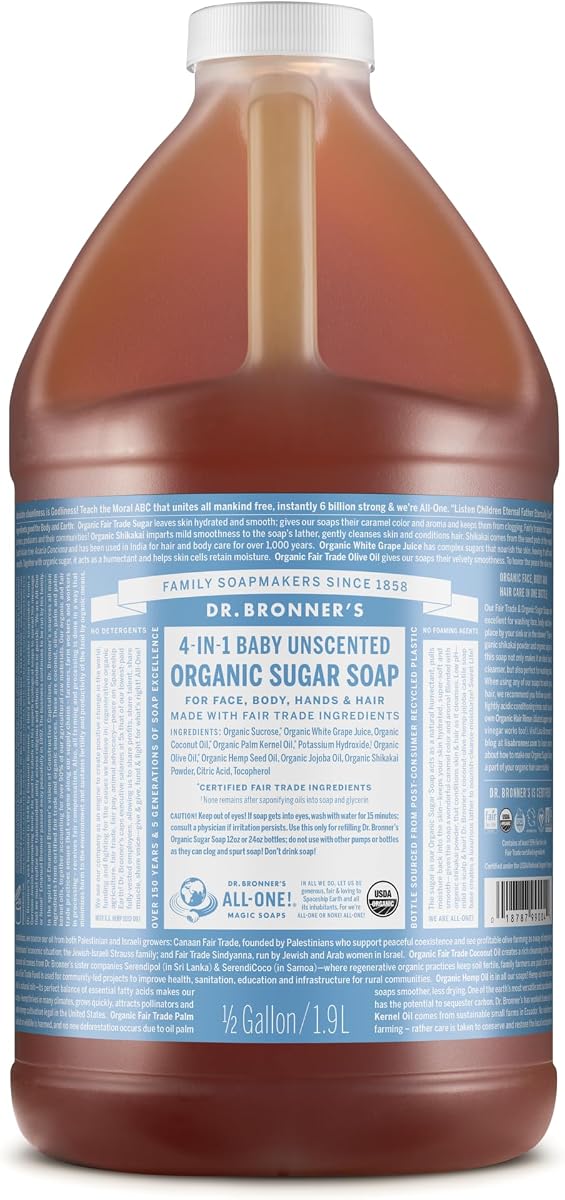
A multi-use, fair-trade organic soap that is gentle enough for pets yet effective at removing grime and odors.
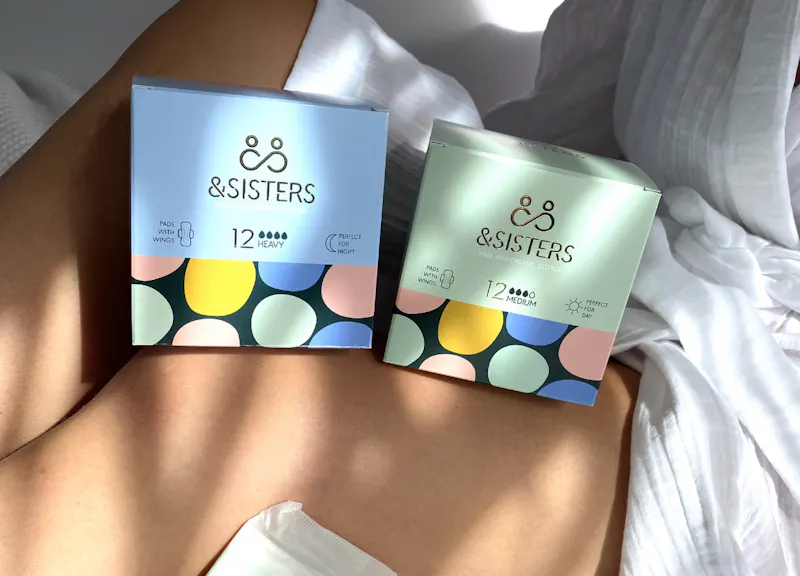
A UK-based, women-owned B Corp offering the highest ethical standard in menstrual care. This bulk 'Sisterhood' bundle features GOTS organic cotton tampons and pads with RSPO-segregated inputs, ensuring zero deforestation.
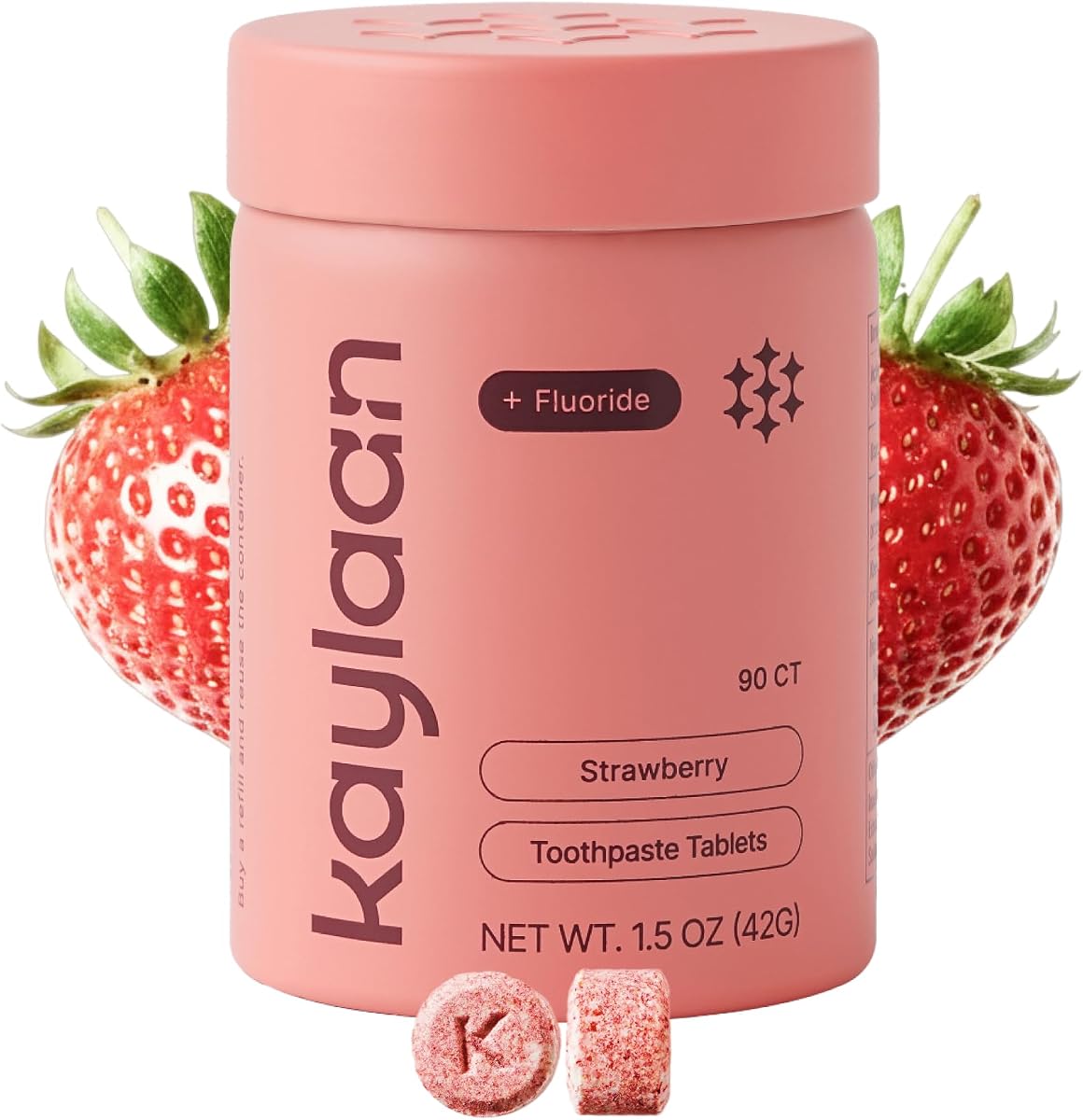
A zero-waste oral care system consisting of fluoride-free tablets in a refillable glass jar, featuring ingredients sourced from ethical Eastern European partners.

A high-potency, carbon-extracted rosehip oil designed specifically for sensitive skin, backed by rigorous B Corp standards and organic agricultural sourcing.
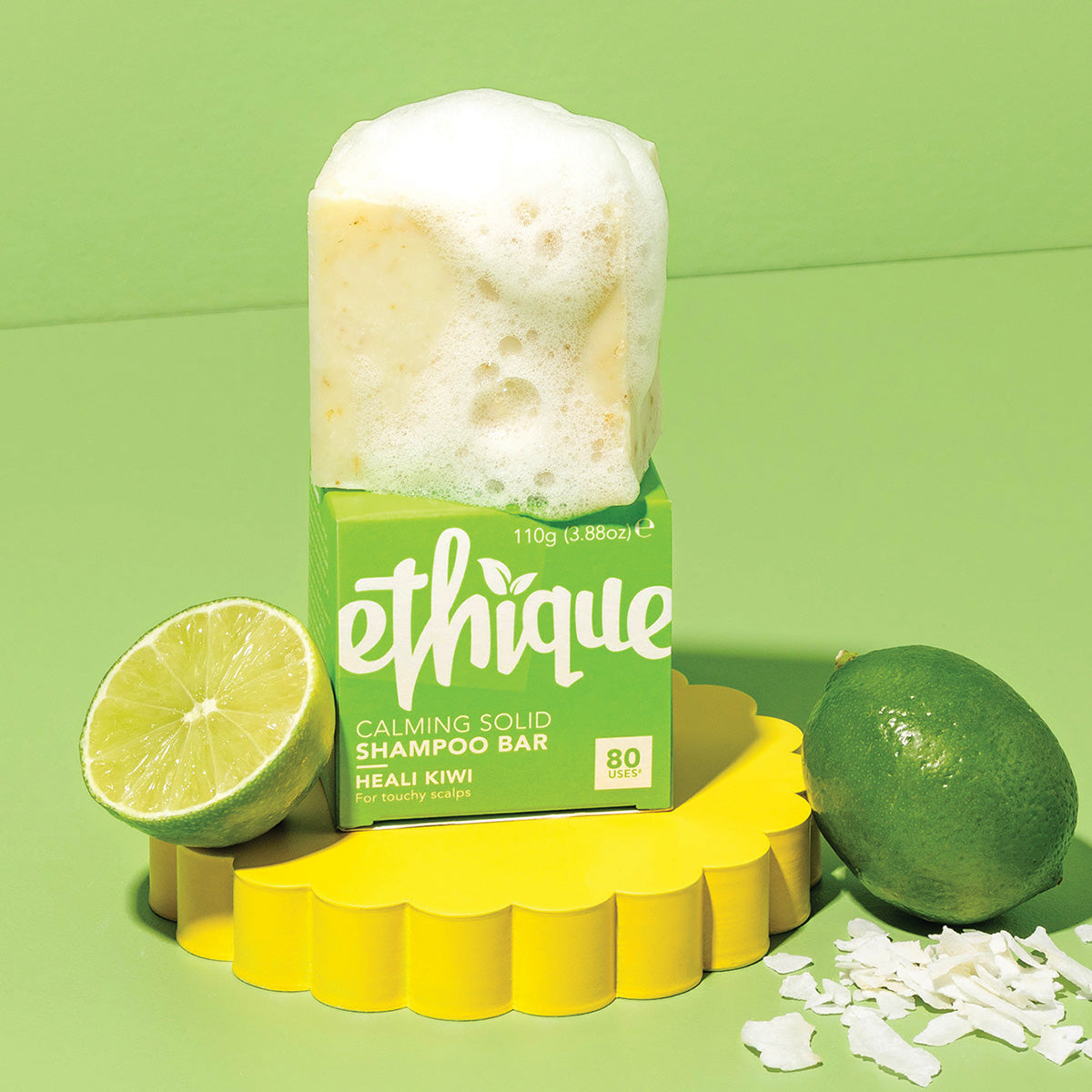
A plastic-free, highly concentrated shampoo bar that replaces three plastic bottles, featuring fair-trade ingredients and carbon-neutral shipping.

A moisturizing, sulfate-free bubble bath featuring handcrafted fair-trade shea butter and calming lavender oil.
More on Truman's
What the score looks at
Each 0–100 score is an AI-assisted catalogue assessment with five recorded dimensions, not a fixed-weight calculation or an audit. Brands cannot buy a position, and a missing disclosure limits what can be assessed rather than being assumed positive.
Animal welfare
Third-party cruelty-free and vegan certification, animal-derived inputs, testing policy in every market the brand sells in.
Materials & sourcing
Organic, recycled or regenerative inputs, traceability to farm or mill, deforestation and biodiversity risk.
Labour & human rights
Living-wage commitments, published supplier lists, audit results and remediation, Fair Trade certification.
Packaging & waste
Recycled content, plastic intensity, refill or take-back options, real end-of-life recyclability.
Transparency
Public reporting, verifiable claims, parent-company disclosure and how quickly the brand answers questions.
Reading the score
Leader
80–100
Multiple independent certifications, published supply chain, credible reductions.
Strong
65–79
Solid certified core with one weak pillar, usually packaging or labour disclosure.
Mixed
50–64
Real progress in places, significant gaps elsewhere — read the detail before buying.
Weak
0–49
Little verified evidence, or an ownership structure that contradicts the marketing.
Six checks for any ethical purchase
A ranking gets you to a shortlist; these checks tell you whether a specific product is right for your household. Work through them in order — the first two rule out most greenwashing on their own.
Buying checklist
- Check the certification, not the adjective: a logo from Leaping Bunny, Vegan Society, GOTS, Fair Trade or B Corp is auditable; the words "natural" and "clean" are not.
- Look up the parent company — a certified brand owned by a group that still tests where the law requires it is a different decision than an independent one.
- Read the full ingredient or material list, not the front-of-pack claim; a single animal-derived or high-impact input can undo the rest.
- Prefer refills, concentrates and take-back schemes: packaging is usually the fastest win in this category.
- Compare cost per use rather than shelf price, including dose, refill costs and how long you will actually use the item.
- Buy the thing you will actually finish or wear a hundred times; the lowest-impact purchase is still the one you do not replace.
Is Truman's ethical? FAQs
Is Truman's cruelty-free?+
Truman's does not test on animals and requires suppliers to comply with a fixed cut-off date policy.
Does Truman's have vegan products?+
A majority of Truman's products are vegan-certified; the brand's range is predominantly plant-based.
Does Truman's sell in mainland China?+
The brand does not sell through channels that require mainland China post-market testing.
What is Truman's ethics score?+
We don't score any Truman's products yet, so there is no ethics score. The signals above come from the brand profile and the sources listed on this page.
What are the best alternatives to Truman's?+
High-scoring beauty & personal care products to compare include Dr. Bronner’s 4-in-1 Organic Sugar Soap by Dr. Bronner's, RSPO-Segregated Organic Intimate Care & Menstrual Set by &SISTERS, Natural Whitening Toothpaste Tablets Set by Kaylaan.