Is Vicks ethical and cruelty-free?
Not really — Vicks fails 2 of the 4 ethics signals we track, including its animal-testing position, and holds no third-party certification we can verify.
Vicks, a brand of Procter & Gamble, is widely trusted for over-the-counter cold and flu remedies. However, its ethical profile faces criticism due to P&G's animal testing practices and unclear sustainability commitments, limiting its appeal for strictly ethical consumers.
The evidence, signal by signal
Cruelty-freeflagged
Parent company P&G conducts animal testing where required by law, including for products sold in China.
Vegan optionsunverified
Vicks does not offer a dedicated vegan product line and some formulations contain animal-derived ingredients.
Sells in mainland Chinaflagged
Selling through mainland Chinese retail has historically triggered post-market animal testing.
Third-party certifiedunverified
We don't track any of this brand's products yet, so product-level certifications are unchecked.
Public pledges: P&G has broad sustainability goals for 2030, but Vicks has no specific pledges regarding packaging or carbon reduction.
Scored with our public methodology. Profile last updated 2026-09-14.
Research notes on Vicks
Compiled from the brand's own statements and the public sources listed below, last reviewed 2026-09-14. We don't stock Vicks products, so nothing here is checked against product records.
Overview
Vicks, founded in 1898 and acquired by Procter & Gamble (P&G) in 1985, is a global leader in over-the-counter respiratory health products, including vapor rubs, cough syrups, and nasal sprays. The brand’s long-standing history and effectiveness have made it a household name. However, as an ethical product comparison site, we assess Vicks through the lens of its parent company’s policies. P&G’s stance on animal testing, environmental practices, and sourcing shapes Vicks’ ethical footprint. While Vicks itself has not faced major controversies, its parent company’s practices raise concerns for animal welfare–focused and environmentally conscious consumers.
Certifications
Vicks products do not hold prominent third-party ethical certifications such as Cruelty-Free International (Leaping Bunny), PETA’s Beauty Without Bunnies, or B Corp. Some Vicks products are tested by P&G or its suppliers on animals to meet Chinese regulatory requirements. No products are certified vegan or organic. The brand lacks certifications for fair trade or sustainable sourcing. P&G does have some commitments under the Roundtable on Sustainable Palm Oil (RSPO), but this applies to their broader supply chain, not Vicks specifically.
Animal testing & vegan range
P&G, Vicks’ parent company, conducts animal testing where required by law, notably for products sold in China (pre-2021 regulatory changes). While P&G states it aims to reduce animal testing and supports alternative methods, Vicks is not officially cruelty-free. The brand does not offer a dedicated vegan product line, and many Vicks formulations contain animal-derived ingredients such as honey or lanolin (found in some inhalant ingredients). For strict cruelty-free and vegan consumers, Vicks is not a suitable choice.
Sustainability pledges
P&G has set sustainability goals under its “Ambition 2030” plan, including reducing virgin petroleum-based plastic in packaging, promoting recycling, and achieving net-zero emissions. Vicks, as a P&G brand, falls under these corporate targets. However, specific sustainability commitments for Vicks are not publicized. The brand’s single-use plastic packaging and inclusion of synthetic chemicals (e.g., camphor, menthol) may clash with eco-friendly preferences. P&G also faces criticism for its use of palm oil derivatives, though it claims to source sustainably via RSPO. On the product level, Vicks has no closed-loop or refill programs.
Sourcing & labor
P&G has a publicly available supplier code of conduct that prohibits forced labor, child labor, and discrimination. The company conducts audits and corrective actions in its supply chain. However, due to the complexity and scale of operations, labor concerns in raw material sourcing (e.g., palm oil, menthol from mint) remain a potential risk. P&G has been involved in litigation related to labor practices in other markets, but no specific controversies have been tied to Vicks. Transparency on specific ingredient sourcing for Vicks is limited.
Controversies context
Vicks has not been the subject of major independent controversies. Some consumer complaints about misleading advertising or product safety have been reported, but these are isolated and not systematic. The brand’s association with P&G, which has faced shareholder actions over environmental and animal testing issues, is the primary ethical concern. No boycotts or public campaigns have targeted Vicks directly.
Bottom line
Vicks offers effective relief for common cold symptoms but fails to meet high ethical standards in animal welfare and sustainability. Consumers seeking cruelty-free, vegan, or fully eco-conscious brands should look elsewhere. For those prioritizing mild ethical considerations and proven efficacy, Vicks remains a mainstream choice, albeit with a significant ethical asterisk due to its parent company’s practices. We do not currently stock Vicks products.
Better-scoring alternatives to Vicks
Same categories, higher ethics scores, verified certifications.

The ultimate multi-tasker for minimalist hosts; one bottle can wash hands, body, hair, and even dishes.
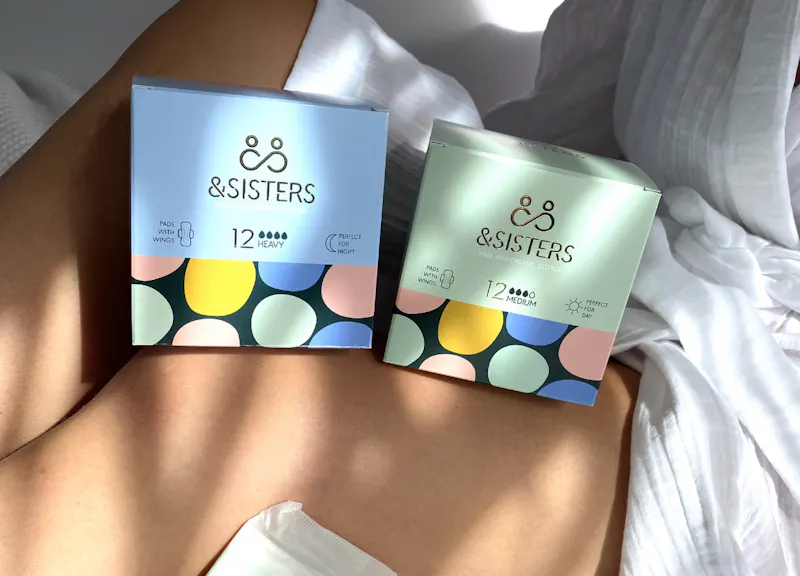
A UK-based, women-owned B Corp offering the highest ethical standard in menstrual care. This bulk 'Sisterhood' bundle features GOTS organic cotton tampons and pads with RSPO-segregated inputs, ensuring zero deforestation.
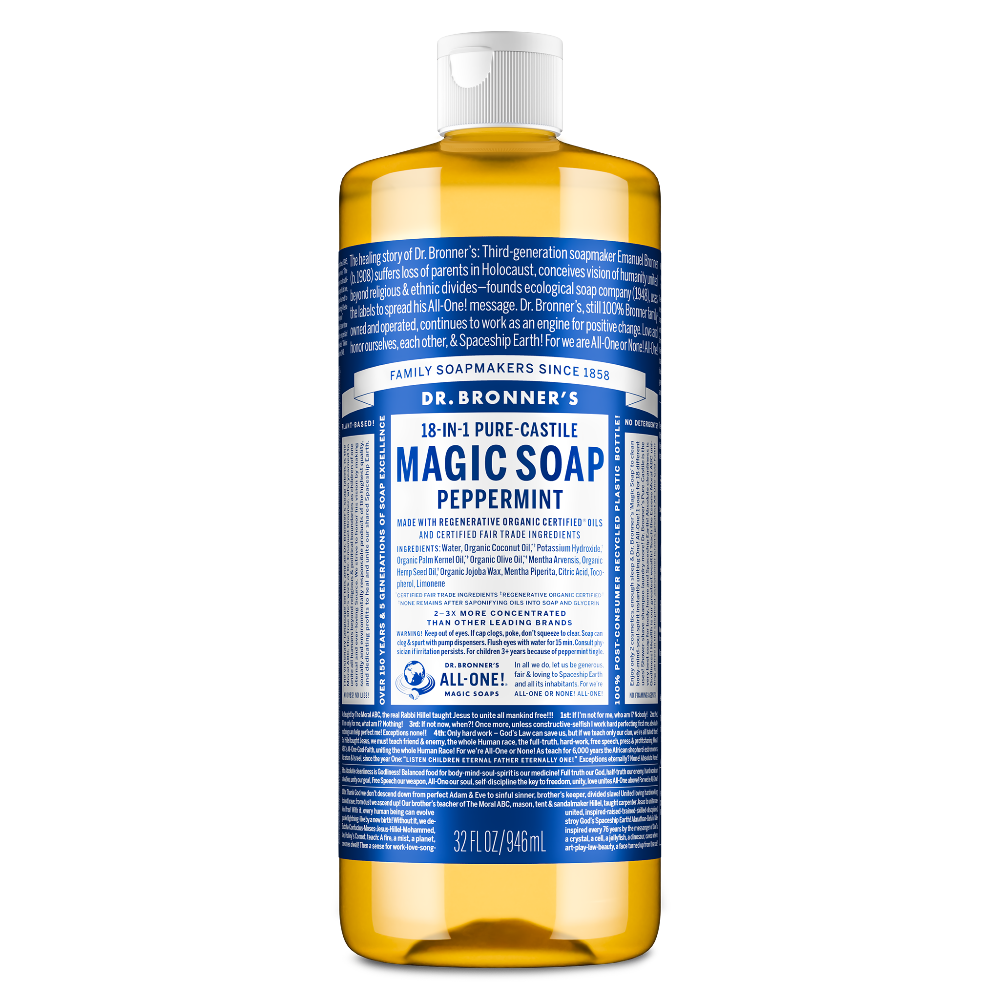
The gold standard of ethical cleaning. A highly concentrated, multi-surface liquid soap made from organic oils and fair trade ingredients in 100% PCR packaging.

The gold standard of ethical soaps, featuring regenerative organic palm oil and a legacy of fair-trade advocacy and radical transparency.
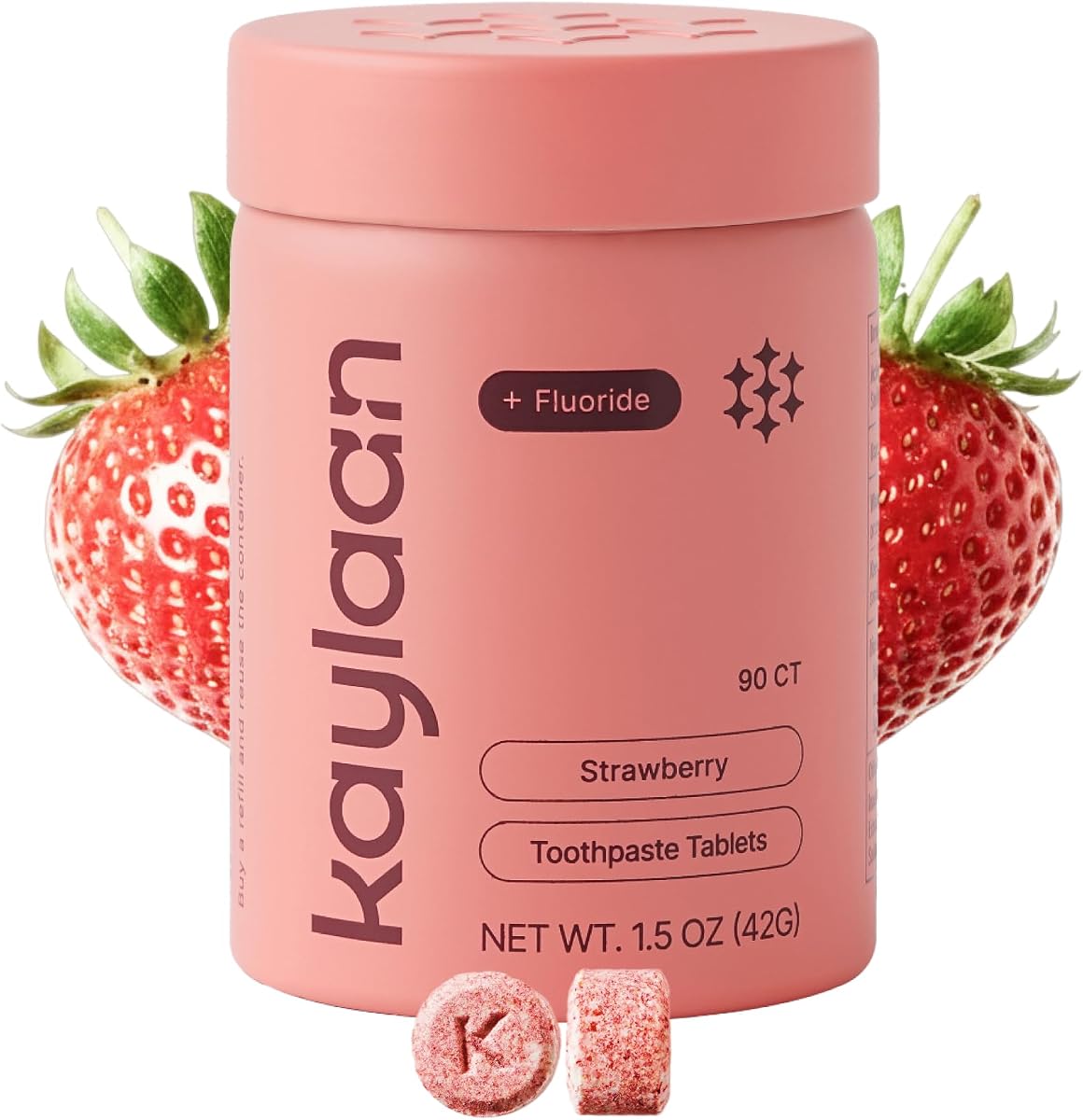
A zero-waste oral care system consisting of fluoride-free tablets in a refillable glass jar, featuring ingredients sourced from ethical Eastern European partners.

A high-potency, carbon-extracted rosehip oil designed specifically for sensitive skin, backed by rigorous B Corp standards and organic agricultural sourcing.
More on Vicks
Is Vicks ethical? FAQs
Is Vicks cruelty-free?+
Parent company P&G conducts animal testing where required by law, including for products sold in China.
Does Vicks have vegan products?+
Vicks does not offer a dedicated vegan product line and some formulations contain animal-derived ingredients.
Does Vicks sell in mainland China?+
Selling through mainland Chinese retail has historically triggered post-market animal testing.
What is Vicks' ethics score?+
We don't score any Vicks products yet, so there is no ethics score. The signals above come from the brand profile and the sources listed on this page.
What are the best alternatives to Vicks?+
Higher-scoring alternatives include Dr. Bronner's 18-in-1 Pure-Castile Soap (Travel Size) by Dr. Bronner's, RSPO-Segregated Organic Intimate Care & Menstrual Set by &SISTERS, Dr. Bronner's Pure-Castile Liquid Soap (Peppermint) by Dr. Bronner's.