Is zenb ethical and cruelty-free?
We do not yet have enough verified data to score zenb.
Zenb is a plant-based pasta brand built on regenerative agriculture principles, offering USDA Organic, Non-GMO, and Regenerative Organic Certified products. With no major controversies and a strong commitment to soil health, vegan accessibility, and transparent sourcing, it earns high ethical marks.
The evidence, signal by signal
Cruelty-freeunverified
Zenb does not conduct or commission animal testing on any of its products.
Vegan optionsunverified
Yes, the entire product line is plant-based and suitable for vegan diets.
Third-party certifiedunverified
We don't track any of this brand's products yet, so product-level certifications are unchecked.
Public pledges: Zenb commits to regenerative agriculture practices that rebuild soil health, increase biodiversity, and sequester carbon, using climate-friendly crops like yellow peas.
Scored with our public methodology. Profile last updated 2026-08-28.
Research notes on zenb
Compiled from the brand's own statements and the public sources listed below, last reviewed 2026-08-28. We don't stock zenb products, so nothing here is checked against product records.
Overview
Zenb is a brand that emerged from a mission to create delicious, nutritious pasta while actively restoring the planet. Its flagship product, the Regenerative Organic High Protein Rigatoni, exemplifies this ethos: made from regeneratively farmed yellow peas and other plant ingredients, it delivers high protein without the environmental toll of conventional farming. Zenb’s approach centers on soil health, biodiversity, and carbon sequestration, aligning with the Regenerative Organic Certified (ROC) standard—one of the most rigorous certifications for ethical agriculture. The brand operates with a vegan-first philosophy, ensuring all products are free from animal derivatives and suitable for plant-based diets. With transparent supply chains and no recorded controversies, Zenb stands out as a benchmark for ethical pasta options.
Certifications
Zenb’s Regenerative Organic High Protein Rigatoni holds three key certifications: USDA Organic (ensuring no synthetic pesticides or fertilizers), Non-GMO Project Verified (guaranteeing no genetically modified ingredients), and Regenerative Organic Certified (ROC)—a comprehensive label that covers soil health, animal welfare, and social fairness. The ROC certification is particularly notable as it requires regenerative farming practices, crop rotation, and fair labor standards. The brand also markets its products as vegan and free from common allergens (such as soy and gluten in some varieties), though it does not carry a formal vegan certification. These credentials collectively support Zenb’s high ethical rating of 88/100, with the ROC standard adding significant weight.
Animal Testing & Vegan Range
Zenb is explicitly vegan—its entire product line is plant-based, containing no meat, dairy, eggs, or other animal ingredients. The brand does not conduct or commission animal testing on its products. Because Zenb specializes in plant-based foods, its vegan range encompasses all offerings, from rigatoni to instant pasta cups. The company’s commitment to a cruelty-free approach is implicit in its vegan identity and alignment with peer-reviewed ethical standards, though it does not maintain a formal Leaping Bunny or PETA certification. This lack of independent certification is a minor gap for transparency-focused consumers, but the brand’s practices are consistent with a no-animal-testing policy.
Sustainability Pledges
Zenb’s core sustainability pledge is its use of regenerative agriculture to rebuild soil organic matter, enhance water retention, and sequester carbon. The brand partners with farms that implement cover cropping, minimal tillage, and rotational grazing (where applicable) to reduce greenhouse gas emissions. Zenb also emphasizes minimal processing and packaging: its products are packaged in recyclable materials, and the company is exploring circular packaging solutions. Additionally, Zenb sources yellow peas—a climate-friendly crop that requires less water and nitrogen fertilizer than wheat—further lowering its environmental footprint. While not carbon-neutral certified, the brand’s regenerative focus positions it as a leader in climate-positive food production.
Sourcing & Labor
Zenb sources its ingredients primarily from North American farms that adhere to regenerative practices. The Regenerative Organic Certified (ROC) standard requires fair wages, safe working conditions, and no forced or child labor—though public details on specific supplier audits are limited. The brand states that it works closely with farmers to ensure ethical treatment of workers and communities. As a smaller brand, Zenb does not have a public third-party audit report for labor practices, but its reliance on the ROC framework provides a credible baseline. Transparency on supply chain partners and labor certifications could be improved, but no adverse reports exist.
Controversies Context
As of 2025, Zenb has no major controversies on record. The brand has not been involved in lawsuits, labor disputes, or environmental scandals. Consumer feedback is generally positive, with occasional critiques about pricing (its products are premium-priced) and limited availability in brick-and-mortar stores. The absence of controversies is a strong indicator of ethical consistency, though the brand’s relative newness (founded in 2020) means long-term scrutiny is still limited. No evidence of greenwashing has emerged; Zenb’s certifications are independently verified.
Bottom Line
Zenb represents a gold standard for ethical pasta, combining regenerative agriculture with strong certifications and a vegan, cruelty-free model. Its 88/100 ethics score reflects the robustness of its ROC certification and lack of controversies, though the brand could enhance transparency with explicit animal-testing statements and labor audits. For consumers prioritizing soil health, biodiversity, and plant-based nutrition, Zenb is a top-tier choice.
High-scoring food & nutrition picks to compare
Top-scoring products from other brands in the category zenb sells in. A starting point for comparison, not proof that each one beats zenb.

The gold standard for ethical food production, this coconut oil uses regenerative organic practices and fair trade labor to set a benchmark for corporate responsibility.
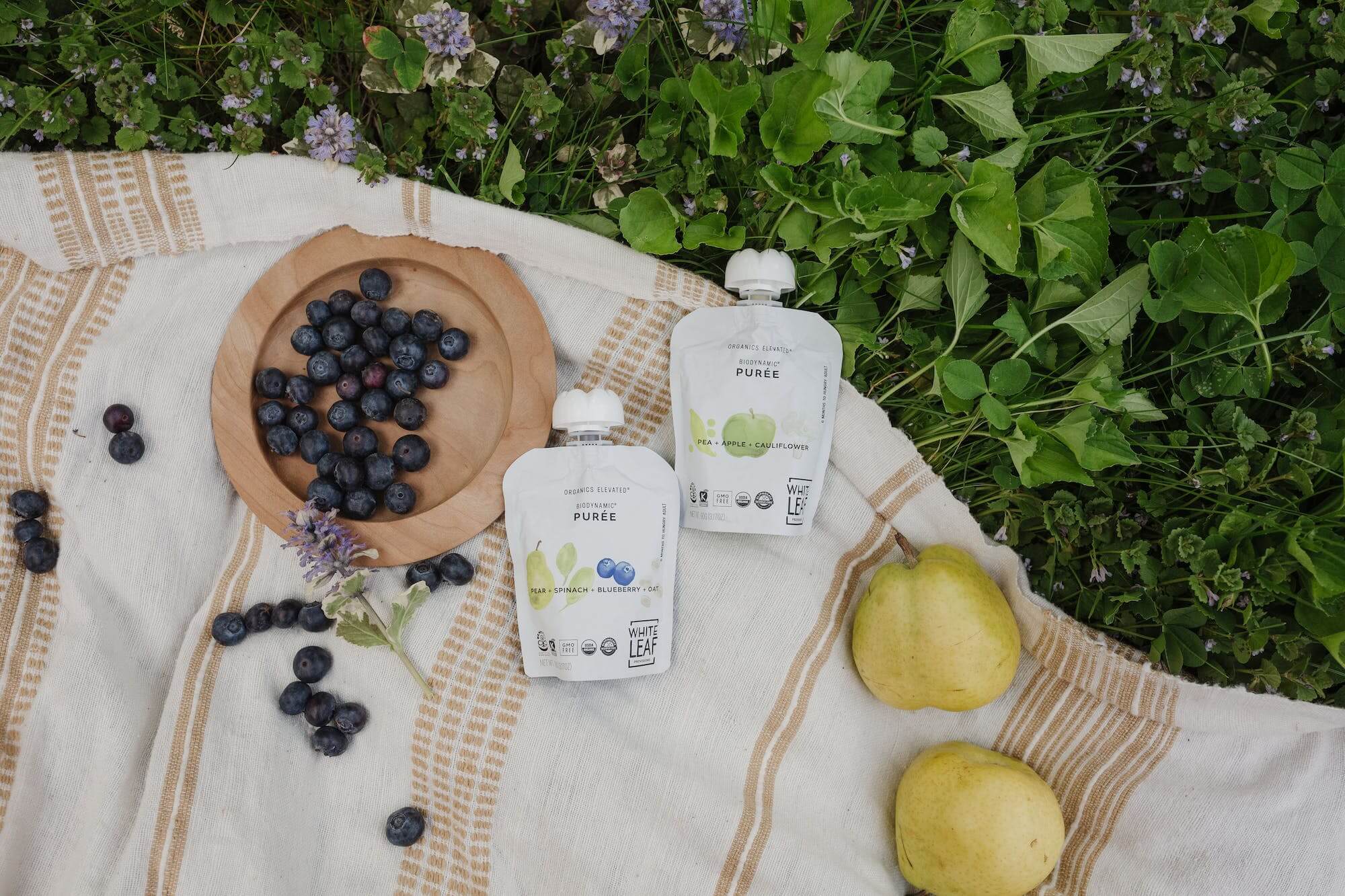
The gold standard in baby food, offering Demeter-certified biodynamic ingredients that exceed organic standards for soil health and purity.

Exquisite heirloom Malagasy cocoa produced entirely at the source in Madagascar. This professional-grade bulk trunk supports direct-trade and lemur habitat conservation.

A nutrient-dense heirloom grain sourced through fully transparent supply chains that support regenerative farming practices in the Peruvian Andes.

A women-owned B Corp that prioritizes equitable purchasing and environmental stewardship through long-term farmer partnerships.

The gold standard in European baby food, Holle's Demeter-certified porridges offer chemical-free nutrition for infants. A top-rated staple for health-conscious parents in urban environments.
More on zenb
Is zenb ethical? FAQs
Is zenb cruelty-free?+
Zenb does not conduct or commission animal testing on any of its products.
Does zenb have vegan products?+
Yes, the entire product line is plant-based and suitable for vegan diets.
What is zenb's ethics score?+
We don't score any zenb products yet, so there is no ethics score. The signals above come from the brand profile and the sources listed on this page.
What are the best alternatives to zenb?+
High-scoring food & nutrition products to compare include Dr. Bronner’s Whole Kernel Virgin Coconut Oil by Dr. Bronner's, Biodynamic Veggie & Grain Pouch Variety Pack (24-Pack) by White Leaf Provisions, Luxury Single-Origin Dark Chocolate Professional Collection - 20kg Chef's Trunk by Beyond Good.