Baba Tree vs Patagonia
An independent side-by-side ethics comparison of Baba Tree and Patagonia across certifications, average sustainability score and product range.
Baba Tree
Higher score96/100 avg ethics
2 products tracked
Certifications
Patagonia
93.6/100 avg ethics
10 products tracked
Certifications
Top Baba Tree products

An authentic, durable Bolga basket woven by smallholder artisans in Ghana. Naturally gluten-free and perfect for harvesting backyard produce without plastic contamination.

A vibrant, durable accent rug handwoven in Ghana using local sisal and organic cotton, providing a vegan and biodegradable alternative to synthetic polyester rugs.
Top Patagonia products

A rugged, weather-resistant gym and travel bag made from 100% recycled body fabric, lining, and webbing.

The gold standard for ethical adventure gear, made from 100% recycled body fabric, lining, and webbing.
The industry standard for rugged, weather-resistant travel, now made with 100% recycled body fabric, lining, and webbing.
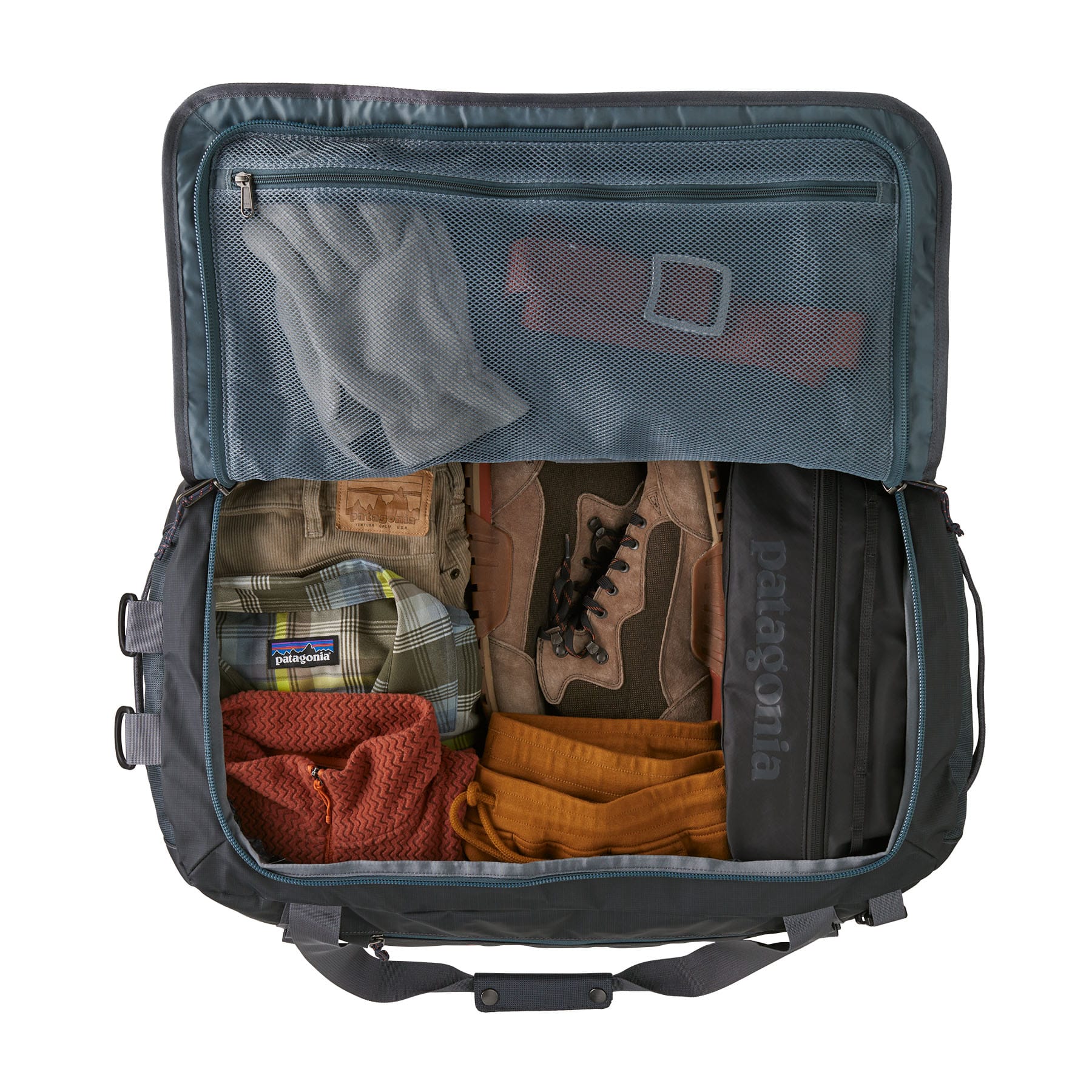
A rugged, weather-resistant gear hauler made from 100% recycled body fabric, lining, and webbing. Patagonia leads the industry in supply chain transparency and environmental activism.

A versatile, highly ethical backpack made from 100% recycled polyester with a PFC-free water-repellent finish, manufactured in Fair Trade Certified factories.

A classic, high-performance recycled fleece with an inclusive fit, widely available and supported by a robust repair program for permanent travelers.
Frequently asked: Baba Tree vs Patagonia
Which is more ethical, Baba Tree or Patagonia?+
Baba Tree scores higher on independent ethics scoring: Baba Tree averages 96/100 vs Patagonia at 93.6/100.
Which has more certifications?+
Baba Tree appears with 4 verified certifications (Fair Trade, 1% for the Planet, Vegan, Global Recycled Standard). Patagonia appears with 5 (B Corp, Fair Trade, Bluesign, Global Recycled Standard, 1% for the Planet).
Are these scores independent?+
Yes. Both brands are scored by the same methodology — never paid placement. See our methodology page for the weighting.