Patagonia vs SkinnyFit
An independent side-by-side ethics comparison of Patagonia and SkinnyFit across certifications, average sustainability score and product range.
Patagonia
Higher score93.6/100 avg ethics
10 products tracked
Certifications
SkinnyFit
68/100 avg ethics
1 products tracked
Certifications
Top Patagonia products

A rugged, weather-resistant gym and travel bag made from 100% recycled body fabric, lining, and webbing.

The gold standard for ethical adventure gear, made from 100% recycled body fabric, lining, and webbing.
The industry standard for rugged, weather-resistant travel, now made with 100% recycled body fabric, lining, and webbing.
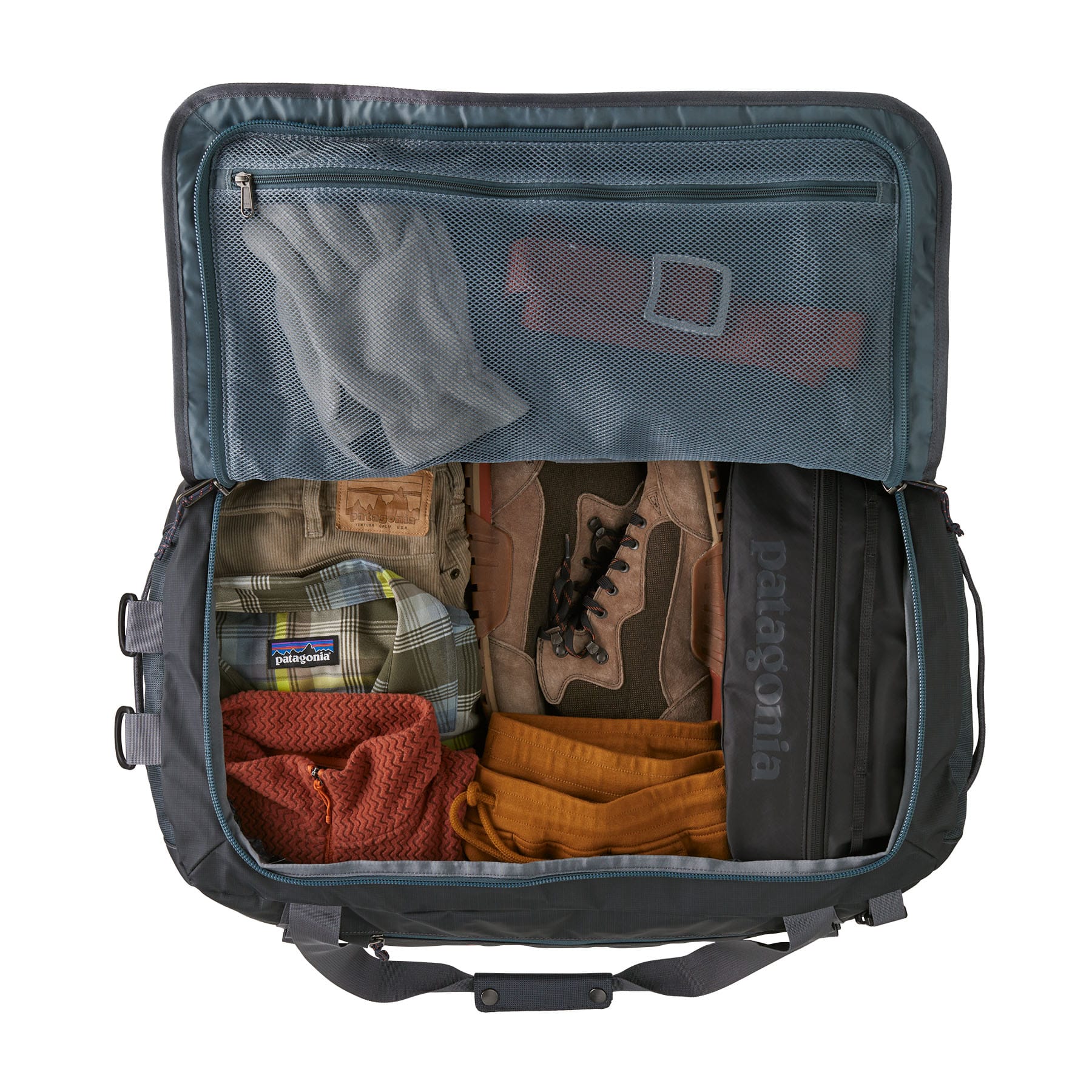
A rugged, weather-resistant gear hauler made from 100% recycled body fabric, lining, and webbing. Patagonia leads the industry in supply chain transparency and environmental activism.

A versatile, highly ethical backpack made from 100% recycled polyester with a PFC-free water-repellent finish, manufactured in Fair Trade Certified factories.

A classic, high-performance recycled fleece with an inclusive fit, widely available and supported by a robust repair program for permanent travelers.
Top SkinnyFit products

A popular effervescent drink tablet designed to reduce bloating and boost energy using 15 superfoods. While highly effective for digestion, its sustainability profile is moderate due to plastic tube packaging.
Frequently asked: Patagonia vs SkinnyFit
Which is more ethical, Patagonia or SkinnyFit?+
Patagonia scores higher on independent ethics scoring: Patagonia averages 93.6/100 vs SkinnyFit at 68/100.
Which has more certifications?+
Patagonia appears with 5 verified certifications (B Corp, Fair Trade, Bluesign, Global Recycled Standard, 1% for the Planet). SkinnyFit appears with 3 (Non-GMO, GMP Certified, Gluten-Free).
Are these scores independent?+
Yes. Both brands are scored by the same methodology — never paid placement. See our methodology page for the weighting.