Ethical Alternatives to California Pizza Kitchen
California Pizza Kitchen (CPK) is a casual-dining chain recognized for its innovative pizzas and salads. While it has made modest sustainability pledges and has no major controversies on record, it lacks third-party certifications for animal welfare or labor, and its vegan options are limited.
Categories compared: Food & Nutrition
Why shoppers look for alternatives to California Pizza Kitchen
- CPK holds no third-party animal welfare certifications (e.g., Certified Humane, Global Animal Partnership), making it difficult to verify sourcing standards.
- CPK has no publicly available fair labor certifications (e.g., Fair Trade, B Corp), leaving supply chain ethics unclear.
- Vegan and plant-based options at CPK are limited compared to certified ethical chains or independent pizzerias.
- CPK’s sustainability pledges are modest and lack verifiable third-party audits or public progress reports.
Top-scoring alternatives to California Pizza Kitchen

A gold-standard example of regenerative agriculture, these oats go beyond organic by actively restoring soil health and ensuring fair wages for farmers in a vertically integrated supply chain.

The gold standard for ethical food production, this coconut oil uses regenerative organic practices and fair trade labor to set a benchmark for corporate responsibility.
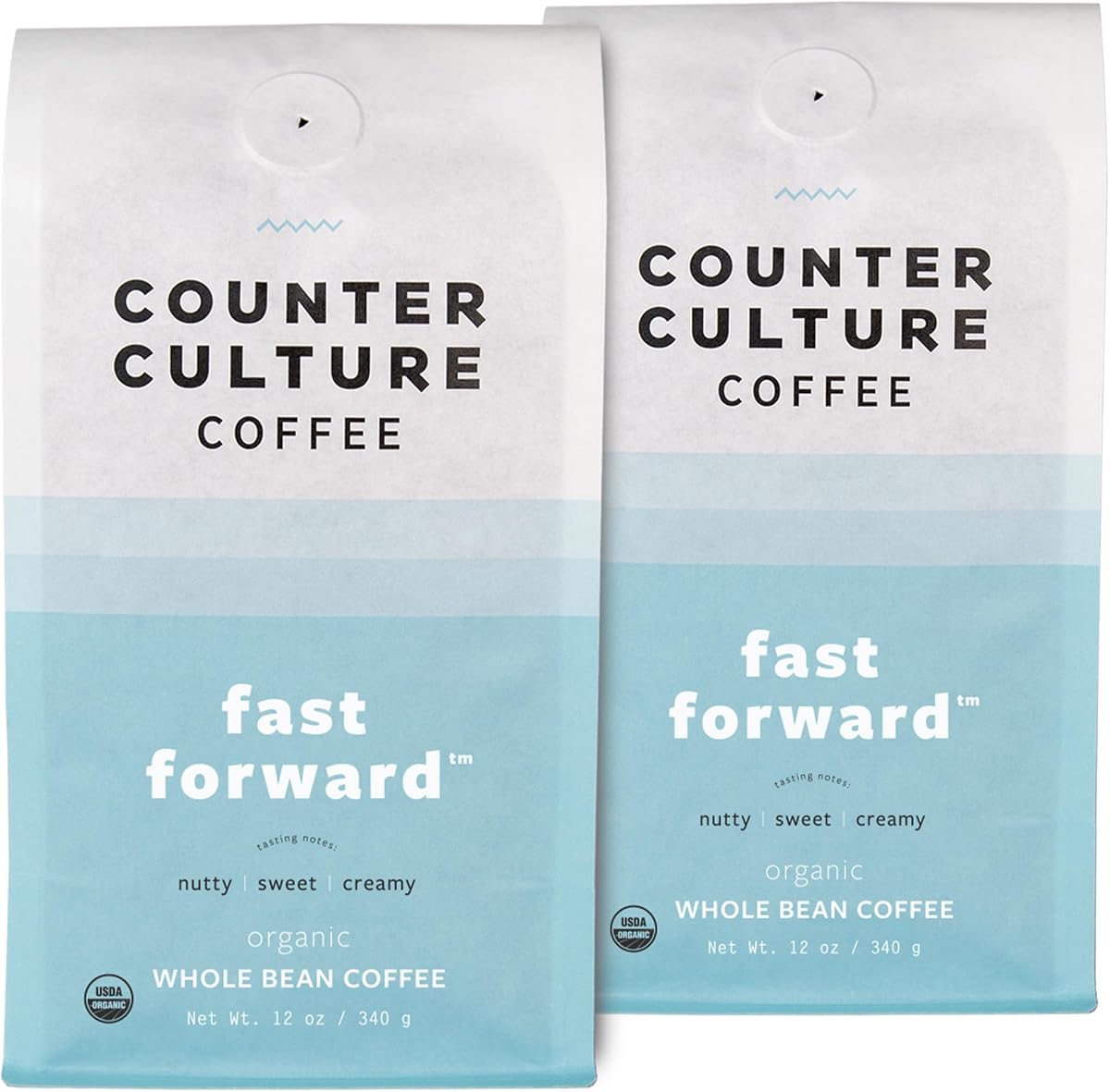
A 100% farmer-owned coffee cooperative that bypasses traditional middlemen to ensure maximum profits return to the growers.
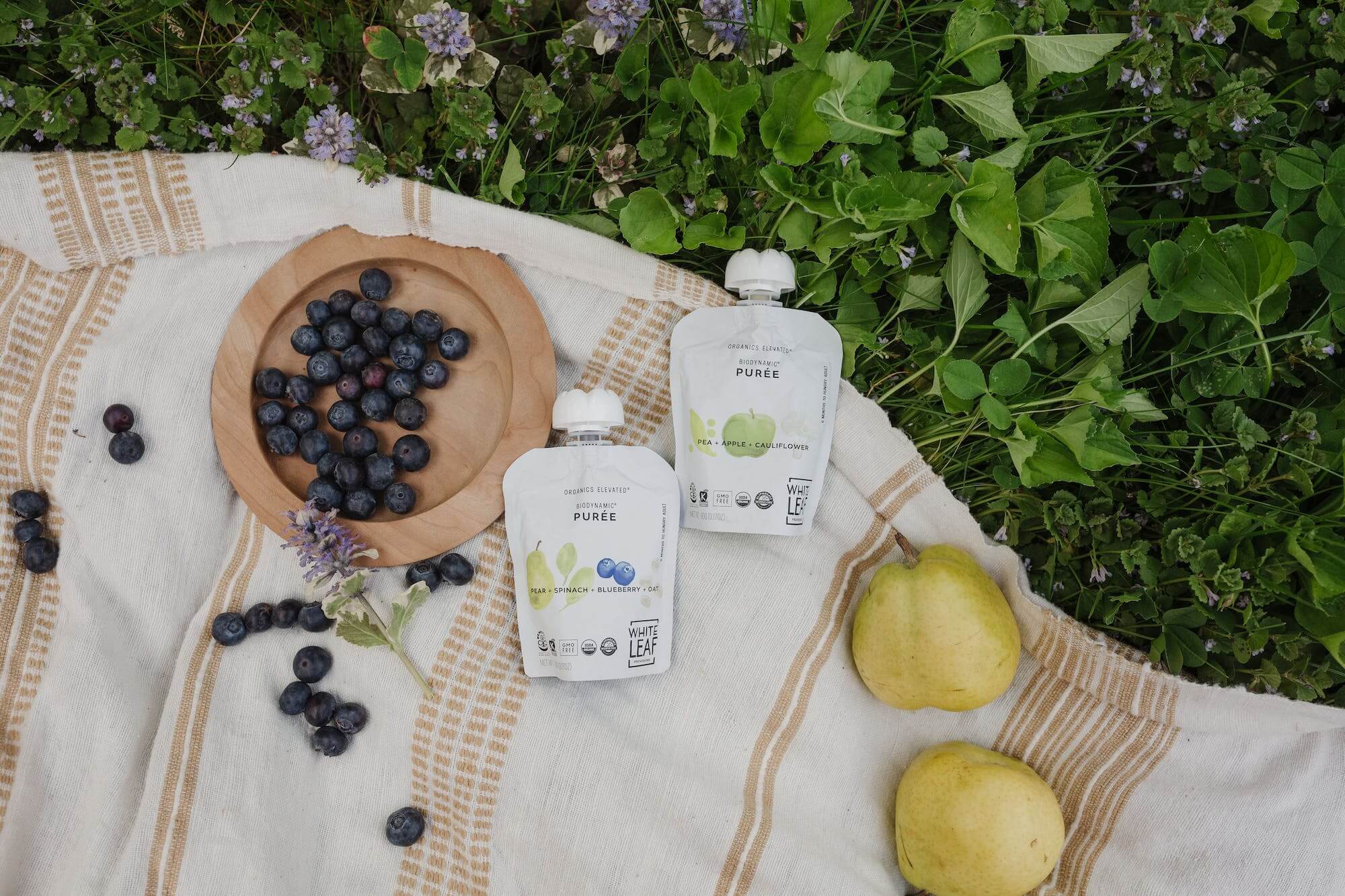
The gold standard in baby food, offering Demeter-certified biodynamic ingredients that exceed organic standards for soil health and purity.

A gold standard in ethical confectionery, combining fair-pay labor practices with regenerative cocoa farming that restores biodiversity in the Ivory Coast and Ghana.

A gold-standard breakfast staple sourced from family-owned farms in Montana using regenerative practices that actively sequester carbon and restore soil health.

Arguably the most ethical coconut oil on the market, sourced from 'Serendipol' in Sri Lanka using regenerative practices that revitalize soil and support a fair-trade community.
A gold standard in ethical confectionery, using regenerative farming to combat climate change while ensuring living wages for cocoa farmers.

A 100% farmer-owned cooperative coffee brand that bypasses middlemen to ensure maximum profits return to the growers.
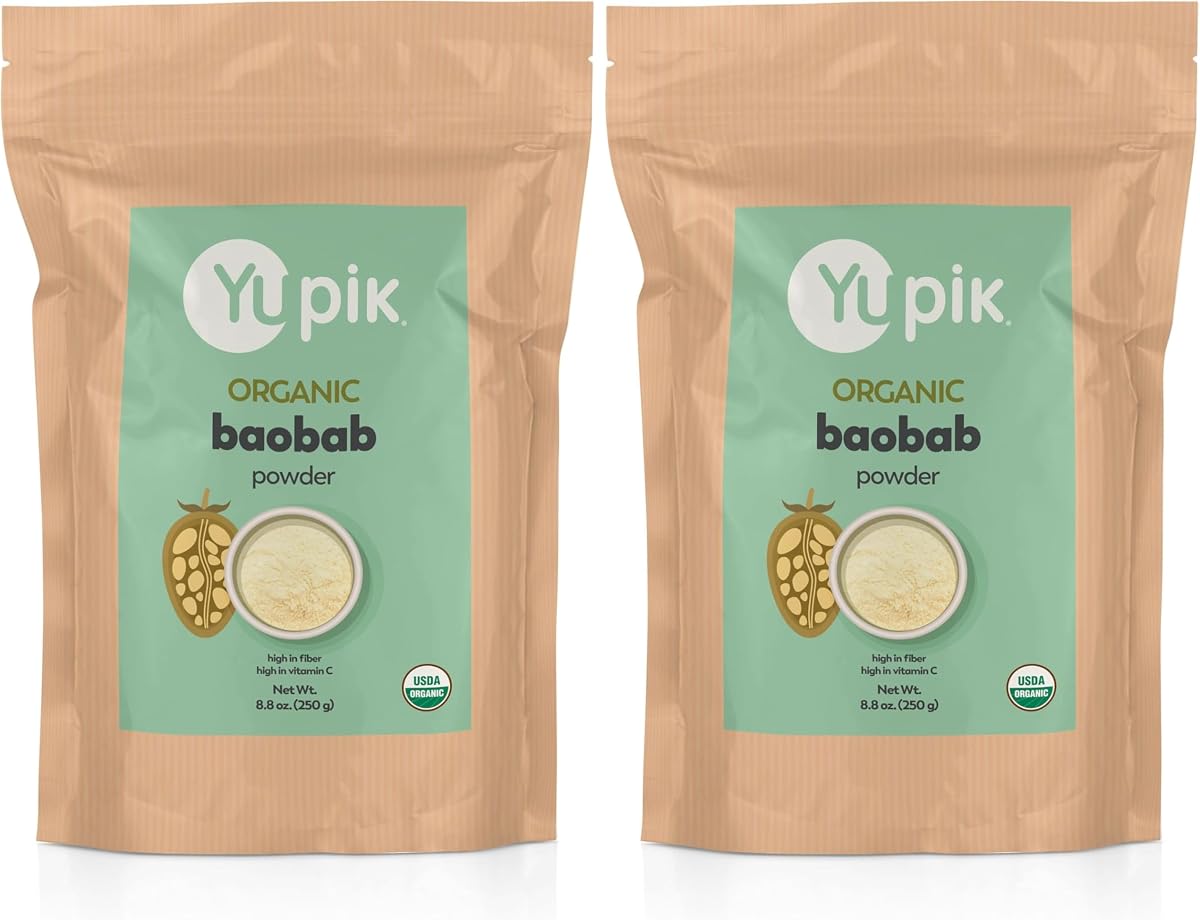
A nutrient-dense African superfood powder ethically harvested by women's cooperatives in Upper East Ghana, providing a massive vitamin C boost.

Exquisite heirloom Malagasy cocoa produced entirely at the source in Madagascar. This professional-grade bulk trunk supports direct-trade and lemur habitat conservation.

A gold standard in ethical food production, this virgin coconut oil is sourced from regenerative organic palms in Sri Lanka, ensuring soil health and fair wages.
What California Pizza Kitchen is rated on
California Pizza Kitchen (CPK) is evaluated here on its ethical commitments, including animal welfare, labor practices, and environmental sustainability. CPK has no third-party certifications on file—no Certified Humane, Global Animal Partnership, Fair Trade, or B Corp designations. The brand does not test its food products on animals, but animal testing is irrelevant for restaurant operations. CPK offers limited vegan options and has made modest greenhouse gas reduction pledges, but these lack independent verification or published milestones. No major controversies are documented, but the absence of certifications means shoppers cannot easily confirm ethical claims.
How the alternatives were picked
Alternatives were selected based on publicly available third-party certifications and transparent supply chain practices. We prioritized brands in the food & nutrition category that hold at least one of the following: Certified Humane (for animal welfare), Global Animal Partnership (for meat sourcing), Fair Trade Certified (for labor equity), or B Corp (for overall social/environmental performance). We also favored brands with robust plant-based menus and clear, audited sustainability goals. Examples include independent pizzerias with local sourcing, or chains like MOD Pizza (B Corp certified) or &pizza (with transparent sourcing policies).
What to check on the label
When evaluating pizza alternatives, look for these labels on packaging or menus: Certified Humane or Global Animal Partnership steps 2+ for meat and cheese; Fair Trade Certified or Rainforest Alliance for coffee and produce; B Corp for overall ethical governance; USDA Organic or Non-GMO Project Verified for ingredient transparency. For plant-based options, check if the brand explicitly lists vegan menu items or has a dedicated plant-based section. Verify if the company publishes annual sustainability reports or third-party audits—these are strong indicators of accountability.
Frequently asked about California Pizza Kitchen alternatives
Does California Pizza Kitchen use any animal welfare certifications?+
No. CPK does not hold any third-party animal welfare certifications such as Certified Humane or Global Animal Partnership. While it may source from suppliers with higher standards, these are not publicly verifiable.
Are there ethical pizza chains with B Corp certification?+
Yes. MOD Pizza is a notable example, holding B Corp certification since 2021. This means it meets verified standards for social and environmental performance, accountability, and transparency.
What vegan options does California Pizza Kitchen offer?+
CPK offers a limited selection of vegan pizzas (e.g., vegan cheese and plant-based pepperoni) and a few salads. Compared to dedicated vegan chains or those with full plant-based menus, the variety is modest.
Does CPK have any major labor controversies?+
No major labor controversies are on public record for CPK. However, without independent certifications like Fair Trade or B Corp, there is limited visibility into its supply chain labor practices.