Is California Pizza Kitchen ethical and cruelty-free?
Largely yes — we don't stock California Pizza Kitchen, but 1 of 4 ethics signals we track are verified in its favour, based on its published policies and third-party certifications.
California Pizza Kitchen (CPK) is a casual-dining chain known for its innovative pizzas and salads, but its ethical profile is mixed: it lacks major third-party certifications for animal welfare or labor, offers limited vegan options, and has made modest sustainability pledges, with no major controversies on record.
The evidence, signal by signal
Cruelty-freeunverified
California Pizza Kitchen does not test its food products on animals, and animal testing is irrelevant for its restaurant operations.
Vegan optionsunverified
Limited vegan options include a plant-based pizza, vegan salads, and some sides; items are not broadly labeled vegan.
Sells in mainland Chinaverified
The brand does not sell through channels that require mainland China post-market testing.
Third-party certifiedunverified
We don't track any of this brand's products yet, so product-level certifications are unchecked.
Public pledges: CPK pledges to reduce waste, use eco-friendly packaging, and partner with the Arbor Day Foundation, but lacks measurable targets or formal reports.
Scored with our public methodology. Profile last updated 2026-09-29.
Research notes on California Pizza Kitchen
Compiled from the brand's own statements and the public sources listed below, last reviewed 2026-09-29. We don't stock California Pizza Kitchen products, so nothing here is checked against product records.
Overview
California Pizza Kitchen (CPK) was founded in 1985 in Beverly Hills, California, and is now owned by a group of investors including L Catterton and former CEO Jim Mizes (as of 2021). As a restaurant chain with over 200 locations worldwide (including company-owned and franchised units), CPK’s core product is food served in-house and via delivery. The brand positions itself as a casual-dining innovator, but its ethical performance is not publicly benchmarked by major rating agencies. No parent company publicly releases comprehensive sustainability or labor reports.
Certifications
California Pizza Kitchen does not hold any widely recognized third-party certifications for animal welfare (e.g., Certified Humane, Global Animal Partnership), organic ingredients (USDA Organic), fair trade (Fair Trade USA), or environmental management (ISO 14001). Some individual ingredients (e.g., coffee, chocolate) may be sourced from suppliers with certifications, but CPK does not certify its entire supply chain. The brand has not sought B Corp, Leaping Bunny, or similar ethical seals.
Animal Testing & Vegan Range
CPK is a restaurant chain, so it does not conduct or commission animal testing for its food products. However, it explicitly states on its website that it does not test on animals and does not sell in China where animal testing is required for imported cosmetics (irrelevant for food). Its vegan range is limited: the chain offers a few vegan salads, a plant-based pizza with vegan cheese (such as the California Vegan Pizza), and some sides like roasted vegetables. CPK does not label items as vegan on its standard menu, but customers can request modifications. The brand has not committed to a fully vegan or plant-forward menu and continues to sell meat and dairy prominently.
Sustainability Pledges
CPK has made limited public sustainability commitments. Its website mentions reducing waste, recycling cooking oil, and using eco-friendly packaging (e.g., compostable or recyclable takeout containers). The chain has a partnership with the Arbor Day Foundation to plant trees, but specific targets or progress reports are absent. CPK has not published a carbon footprint reduction plan, water usage goals, or a timeline for eliminating single-use plastics. Its parent company does not issue a formal sustainability report.
Sourcing & Labor
CPK sources ingredients from a mix of suppliers, with some emphasis on fresh produce, but does not guarantee fair trade, organic, or local sourcing. There is no public commitment to paying farmers or workers a living wage. Labor practices at CPK are typical of the casual-dining industry: employees are paid hourly wages, often with tips, and the chain has not been a leader in unionization or worker benefits. No major labor scandals have been reported, but workers have filed occasional wage-and-hour lawsuits (common in the industry). CPK does not publish supplier audits or animal welfare standards for meat and dairy.
Controversies Context
No major controversies have been documented regarding California Pizza Kitchen. There have been no significant recalls, no publicized animal cruelty cases, no major environmental violations, and no high-profile labor disputes. The brand’s ethical profile is thus low-risk but also low-ambition – it has not attracted activism or boycotts, but it also has not voluntarily adopted high ethical standards.
Bottom Line
California Pizza Kitchen is a safe but unremarkable choice for ethically conscious consumers. It avoids egregious practices and lacks major controversies, but it also lacks meaningful certifications, a robust vegan range, or substantive sustainability commitments. For buyers who prioritize rigorous animal welfare, labor justice, or climate action, CPK may not be a leader; for those seeking a familiar dining experience with no major red flags, it is adequate. More detailed information is unavailable due to the brand’s private ownership and minimal public reporting.
High-scoring food & nutrition picks to compare
Top-scoring products from other brands in the category California Pizza Kitchen sells in. A starting point for comparison, not proof that each one beats California Pizza Kitchen.

The gold standard for ethical food production, this coconut oil uses regenerative organic practices and fair trade labor to set a benchmark for corporate responsibility.
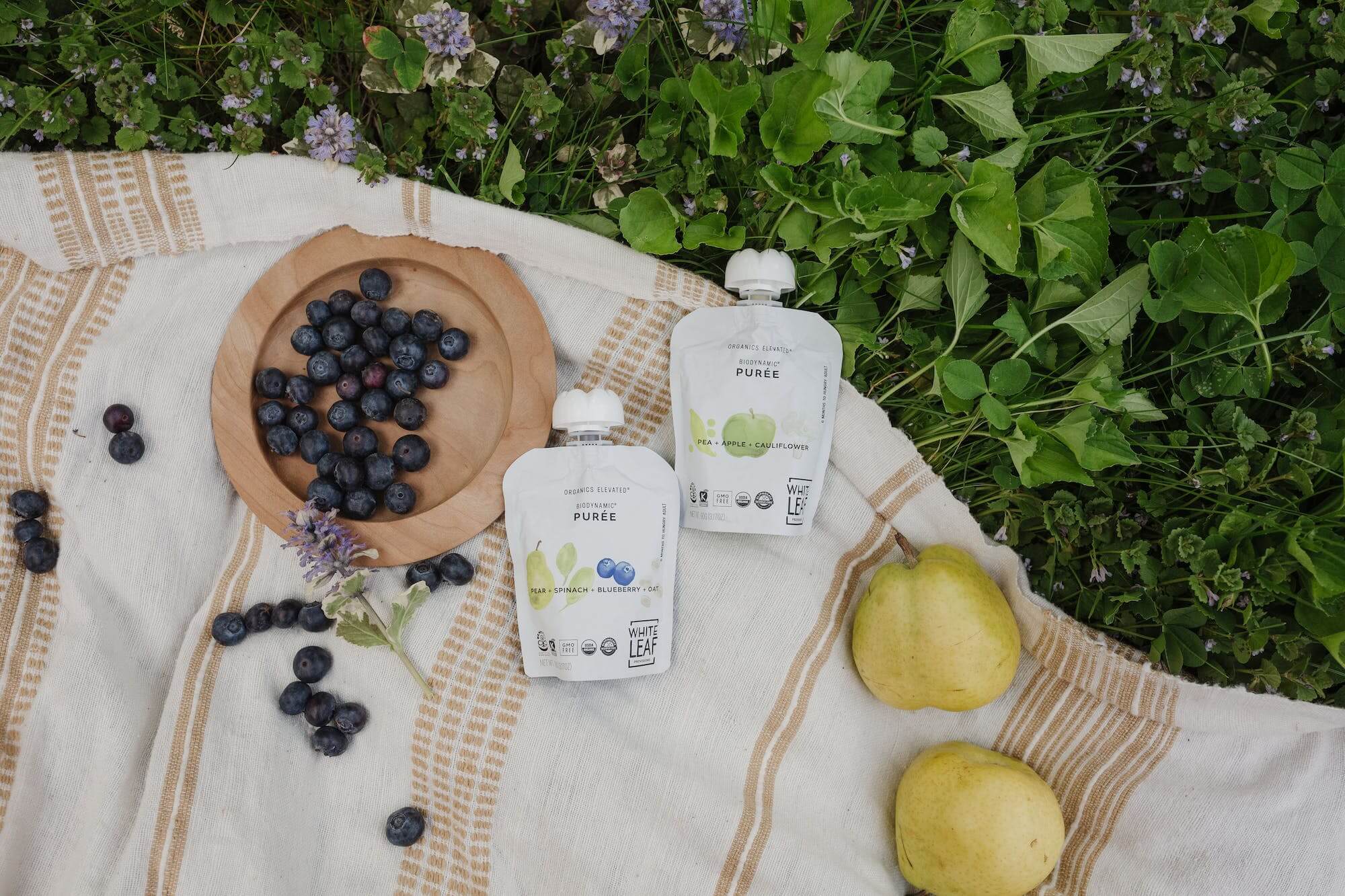
The gold standard in baby food, offering Demeter-certified biodynamic ingredients that exceed organic standards for soil health and purity.

Exquisite heirloom Malagasy cocoa produced entirely at the source in Madagascar. This professional-grade bulk trunk supports direct-trade and lemur habitat conservation.

A nutrient-dense heirloom grain sourced through fully transparent supply chains that support regenerative farming practices in the Peruvian Andes.

A women-owned B Corp that prioritizes equitable purchasing and environmental stewardship through long-term farmer partnerships.

The gold standard in European baby food, Holle's Demeter-certified porridges offer chemical-free nutrition for infants. A top-rated staple for health-conscious parents in urban environments.
More on California Pizza Kitchen
Is California Pizza Kitchen ethical? FAQs
Is California Pizza Kitchen cruelty-free?+
California Pizza Kitchen does not test its food products on animals, and animal testing is irrelevant for its restaurant operations.
Does California Pizza Kitchen have vegan products?+
Limited vegan options include a plant-based pizza, vegan salads, and some sides; items are not broadly labeled vegan.
Does California Pizza Kitchen sell in mainland China?+
The brand does not sell through channels that require mainland China post-market testing.
What is California Pizza Kitchen's ethics score?+
We don't score any California Pizza Kitchen products yet, so there is no ethics score. The signals above come from the brand profile and the sources listed on this page.
What are the best alternatives to California Pizza Kitchen?+
High-scoring food & nutrition products to compare include Dr. Bronner’s Whole Kernel Virgin Coconut Oil by Dr. Bronner's, Biodynamic Veggie & Grain Pouch Variety Pack (24-Pack) by White Leaf Provisions, Luxury Single-Origin Dark Chocolate Professional Collection - 20kg Chef's Trunk by Beyond Good.