Ethical Alternatives to Cesar
Cesar, a Mars Petcare brand, offers wet food for small and toy breed dogs but lacks third-party animal welfare or ethical certifications. While it has avoided major scandals and uses some recyclable packaging, concerns remain about opaque supply chains and potential ingredient supplier animal testing.
Categories compared: Pet Care
Why shoppers look for alternatives to Cesar
- No third-party animal welfare or ethical certifications make it hard to verify sourcing standards.
- Mars policy states no finished products are tested on animals, but ingredient suppliers may still conduct animal tests.
- Supply chains are opaque, with limited public detail on ingredient origins or farming practices.
- Heavy reliance on animal products raises questions about sustainability and welfare, despite recyclable packaging efforts.
Top-scoring alternatives to Cesar

A truly organic, non-toxic dog shampoo that sets the gold standard for safety and environmental purity in pet grooming.
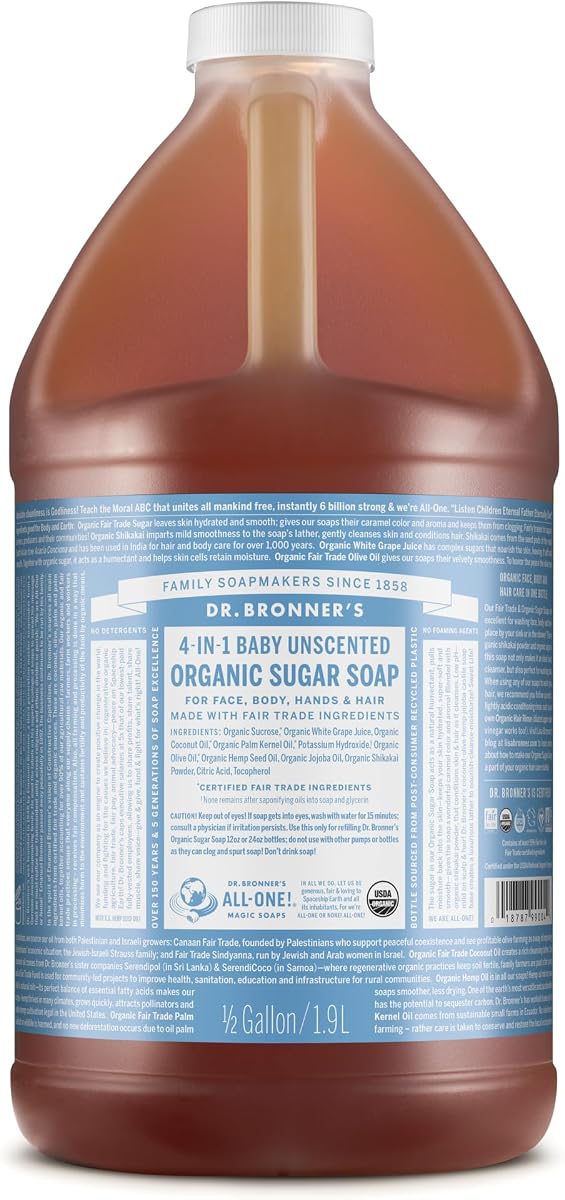
A multi-use, fair-trade organic soap that is gentle enough for pets yet effective at removing grime and odors.

A truly organic, non-toxic grooming solution that sets the gold standard for pet safety and environmental responsibility.

The gold standard for ethical personal and pet care. Dr. Bronner’s Peppermint Pure-Castile Soap is biodegradable, fair trade, and highly concentrated for multi-purpose use.

A legendary multi-use soap that is widely recommended by groomers for pets due to its organic, fair-trade ingredients and complete lack of synthetic detergents.

A soothing, organic balm for dry paws and noses, crafted with Fair Trade ingredients and a legacy of social activism.
An ultra-clean, soothing balm for cracked paws and dry noses. Crafted with Regenerative Organic Certified ingredients, this multi-purpose balm is safe for pets who lick their paws and is produced under world-class fair trade standards.

A versatile, highly ethical organic soap perfect for pet bathing. Using fair-trade ingredients and regenerative farming practices, it provides a gentle, effective clean without synthetic detergents.
A versatile, fair-trade certified organic soap that is gentle enough for pets and tough on dirt, formulated with nourishing sugar and calming lavender.

An industry-leading organic dog shampoo that sets the standard for ingredient purity and environmental safety. 4Legger avoids all synthetic chemicals, focusing on a true saponified oil base that is safe for sensitive skin and the planet.

A fully sweatshop-free, chemical-free pet bed handcrafted from organic European hemp, ideal for pets with chemical sensitivities or allergies.

A truly organic grooming solution that avoids the 'natural' marketing trap, using only USDA-certified whole-plant ingredients to soothe skin without synthetic chemicals.
What Cesar is rated on
On an ethical shopping index, Cesar is evaluated primarily on three factors: certifications (none on file), supply chain transparency (minimal public disclosure from parent company Mars), and animal testing policy (no direct finished product testing, but supplier-level testing is possible). The brand also scores neutrally on packaging—some recyclable materials are used, but not universally. There are no major scandals linked to Cesar, but the lack of independent verification leaves shoppers without clear evidence of ethical commitments.
How the alternatives were picked
The alternatives below were selected from brands that compete in the same category (Pet Care – wet dog food) and offer at least one of the following: third-party animal welfare certification (e.g., Certified Humane, B Corp), full supply chain transparency (published sourcing reports), a verified no-animal-testing policy across all ingredients, or minimal/plant-based formulations. Each alternative was vetted against the same metrics used for Cesar to ensure a fair comparison.
What to check on the label
When choosing an ethical alternative, look for:
- Certification logos – such as the B Corp seal, Certified Humane, or USDA Organic. Cesar has none of these.
- Ingredient sourcing statements – brands that list specific farms or fisheries (e.g., 'wild-caught Alaskan salmon') tend to have more transparent supply chains.
- No animal testing statement – look for 'never tested on animals' at both the finished product and ingredient supplier level.
- Packaging recyclability – check if the brand uses 100% recyclable or post-consumer recycled materials, or offers refill programs.
- Breed-specific claims – Cesar targets small and toy breeds, but many alternatives now offer breed-size-specific formulas with verified ethics.
Frequently asked about Cesar alternatives
Does Cesar test on animals?+
Mars Petcare’s policy states that no finished Cesar products are tested on animals. However, ingredient suppliers may conduct animal testing for safety, and no third-party verification confirms a blanket ban.
Are there any ethical certifications for Cesar?+
No. Cesar does not hold any third-party certifications such as B Corp, Certified Humane, or USDA Organic that would independently verify its ethical claims.
Why is supply chain transparency important in pet food?+
Opaque supply chains can mask unethical practices like factory farming or unsustainable ingredient sourcing. Transparent brands often publish detailed sourcing reports, which Cesar (under Mars) does not.
What should I look for instead?+
Prioritize brands with third-party animal welfare certifications, 100% recyclable packaging, and clear no-animal-testing policies that extend to suppliers. Always check the label for certification logos and ingredient origin details.