Ethical Alternatives to Chanel
Chanel is a privately held French luxury house known for haute couture, accessories, and fragrances. While it has made some sustainability pledges, it lacks key third-party certifications and does not fully disclose its supply chain, placing it in a moderate ethical position. For shoppers seeking verified transparency and cruelty-free commitments, this page curates direct alternatives.
Categories compared: Beauty & Personal Care, Fashion & Apparel, Jewelry & Accessories
Why shoppers look for alternatives to Chanel
- Chanel lacks any third-party ethical certifications (e.g., B Corp, Leaping Bunny, Fair Trade) despite its size and market influence.
- Chanel sells in mainland China, where animal testing is legally required for imported cosmetics, meaning some products may involve animal testing.
- Supply chain transparency is limited: Chanel does not publicly disclose full details of raw material sourcing or factory labor conditions.
- While Chanel has made carbon reduction pledges, it has not committed to independent auditing or published detailed progress reports comparable to certified brands.
Top-scoring alternatives to Chanel
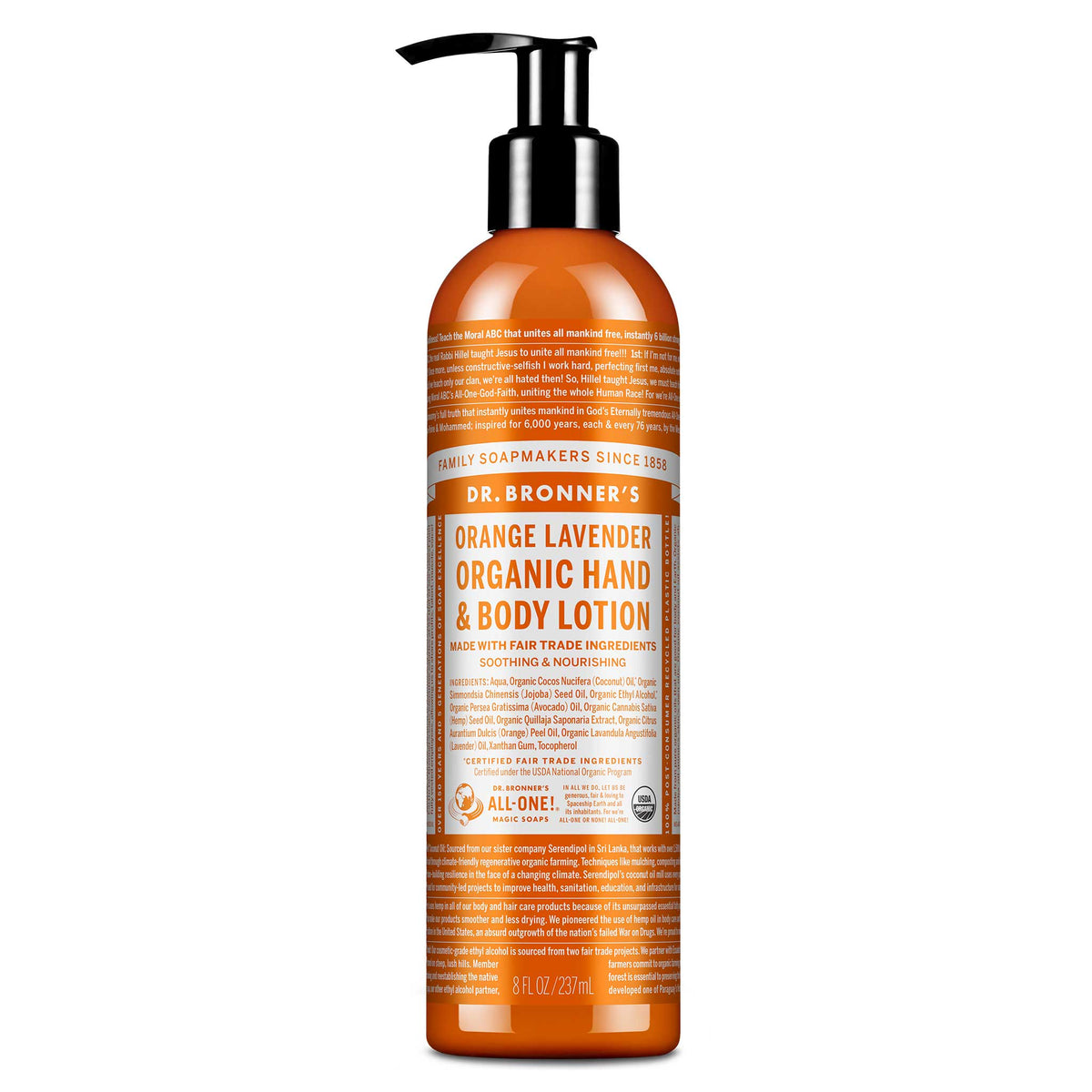
A highly ethical, multi-use lotion crafted with organic oils and fair trade ingredients, setting the industry standard for supply chain transparency and regenerative agriculture.
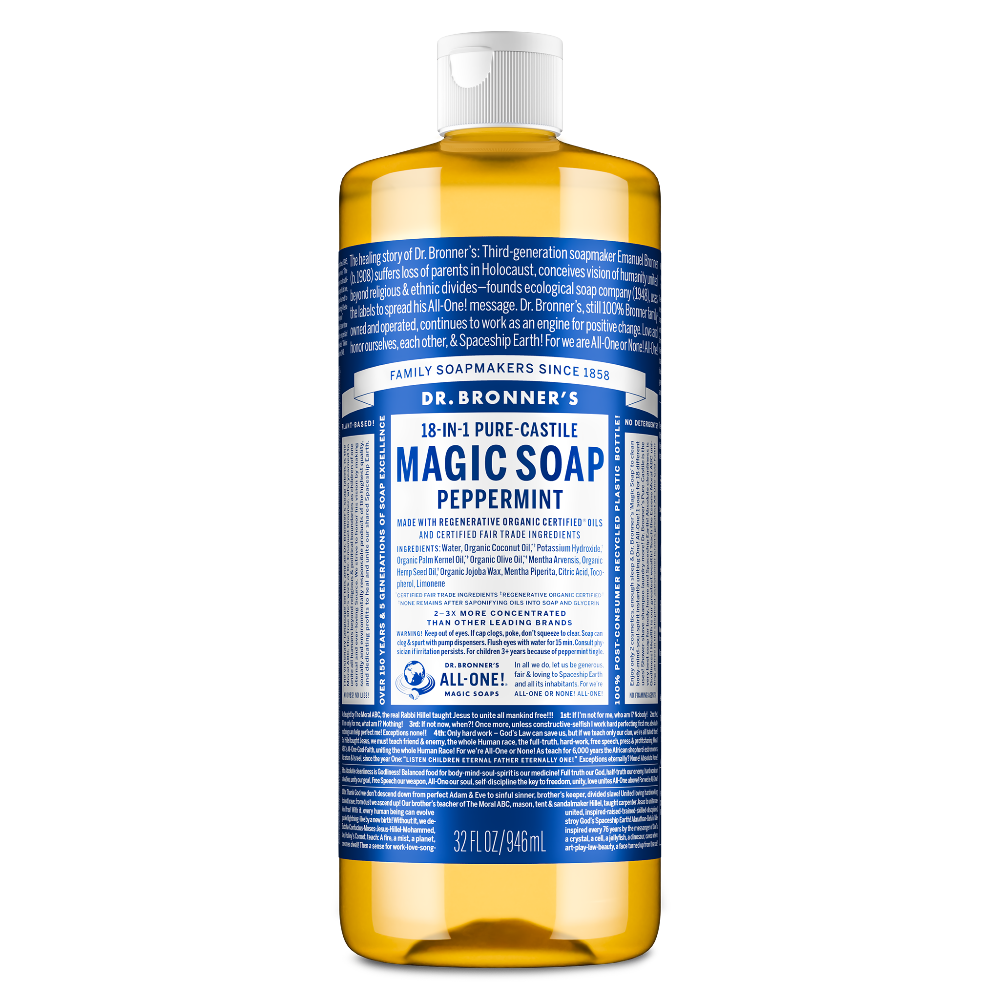
The gold standard of ethical cleaning. A highly concentrated, multi-surface liquid soap made from organic oils and fair trade ingredients in 100% PCR packaging.

The gold standard of ethical soaps, featuring regenerative organic palm oil and a legacy of fair-trade advocacy and radical transparency.

A zero-waste, plastic-free solid shampoo bar that replaces three plastic bottles, featuring fair-trade ingredients and a focus on water conservation.

A premium, biodegradable beanie made from seed-to-garment organic cotton under strict fair trade conditions.

A powerful statement piece made from recycled Vietnam War-era bombs and shrapnel, supporting demining efforts and artisan livelihoods in Laos.

A mass-market accessible body wash that funds community empowerment projects in Togo, West Africa, using fair-trade unrefined shea butter.
A zero-waste, plastic-free body cleanser bar that replaces three bottles of liquid soap and uses regenerative fair-trade ingredients.
A zero-waste, plastic-free shampoo bar equivalent to three bottles of liquid shampoo, utilizing fair-trade cocoa butter and peppermint oil.

The ultimate multi-tasker for minimalist hosts; one bottle can wash hands, body, hair, and even dishes.

A zero-waste, plastic-free solution for hair and body, specifically curated for the minimalist traveler looking to bypass liquid restrictions.
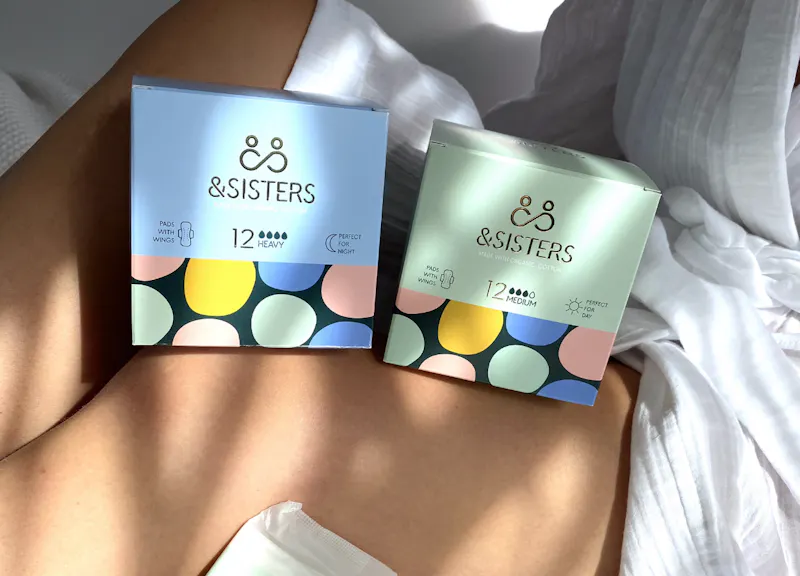
A UK-based, women-owned B Corp offering the highest ethical standard in menstrual care. This bulk 'Sisterhood' bundle features GOTS organic cotton tampons and pads with RSPO-segregated inputs, ensuring zero deforestation.
What Chanel is rated on
Chanel performs moderately in the luxury sector. It has pledged to reduce emissions and use more sustainable materials, but no independent certifications—such as B Corp, Leaping Bunny, or the Fair Wear Foundation—are on file. Its animal testing policy states it does not test on animals except where required by law (notably for products sold in mainland China). The brand does not fully disclose its supply chain, limiting consumer ability to verify ethical practices.
How the alternatives were picked
Each alternative listed here has been vetted for at least two of the following criteria: a recognized third-party certification (e.g., Leaping Bunny, B Corp, Fair Trade), full supply chain transparency (public factory lists and sourcing reports), and a documented animal-testing-free policy that applies to all markets, including China. We prioritize brands that offer comparable product categories—beauty, apparel, and accessories—at similar or accessible price points.
What to check on the label
When choosing an ethical luxury alternative, look for the Leaping Bunny or PETA Cruelty-Free logo on beauty items to ensure no animal testing anywhere in the supply chain. For fashion and accessories, check for Fair Trade Certified, B Corp certification, or a published Supplier Code of Conduct with audit results. Additionally, search for explicit statements that the brand does not sell in markets where animal testing is mandatory, as this closes legal loopholes. Transparent brands often share their carbon footprint and material origins on their website.
Frequently asked about Chanel alternatives
Does Chanel test on animals?+
Chanel states it does not test on animals except where required by law. Because it sells in mainland China, some products may be subject to post-market animal testing as mandated by Chinese regulations.
What certifications does Chanel have?+
As of now, Chanel holds no third-party ethical certifications such as B Corp, Leaping Bunny, or Fair Trade. Its sustainability claims are self-reported and not independently verified.
Are there luxury brands that avoid animal testing entirely, including in China?+
Yes. Some brands have reformulated to meet China’s ‘ordinary cosmetics’ exemption or sell only through cross-border e-commerce, which bypasses mandatory testing. Examples include Aesop, Drunk Elephant, and certain Stella McCartney products.
How can I verify a brand’s supply chain transparency?+
Look for a dedicated ‘Transparency’ or ‘Sustainability’ page that lists factory locations, audit results, and material sourcing. Brands with B Corp or Fair Wear Foundation certification are required to publish this information.