Is Chanel ethical and cruelty-free?
Not really — Chanel fails 2 of the 4 ethics signals we track, including its animal-testing position, and holds no third-party certification we can verify.
Chanel is a privately held French luxury fashion house known for its haute couture, accessories, and fragrances. While it has made some sustainability pledges, it lacks key third-party certifications and does not fully disclose its supply chain, placing it in a moderate ethical position for a luxury brand.
The evidence, signal by signal
Cruelty-freeflagged
Chanel does not test on animals except where required by law, such as for products sold in mainland China.
Vegan optionsunverified
Chanel does not offer a dedicated vegan range; many products contain animal-derived materials or ingredients.
Sells in mainland Chinaflagged
Selling through mainland Chinese retail has historically triggered post-market animal testing.
Third-party certifiedunverified
We don't track any of this brand's products yet, so product-level certifications are unchecked.
Public pledges: Chanel aims to reduce scope 1 and 2 emissions by 50% by 2030 and source 100% renewable electricity for its operations by 2025.
Scored with our public methodology. Profile last updated 2026-09-23.
Research notes on Chanel
Compiled from the brand's own statements and the public sources listed below, last reviewed 2026-09-23. We don't stock Chanel products, so nothing here is checked against product records.
Overview
Chanel is a privately owned luxury brand founded by Coco Chanel in 1910, now headquartered in London and controlled by the Wertheimer family. The brand is synonymous with timeless elegance, including the Chanel No. 5 perfume, the 2.55 handbag, and the little black dress. As a privately held company, Chanel is not required to publish extensive public reports, which limits transparency. The brand has taken steps toward sustainability, such as committing to reduce carbon emissions and eliminating exotic animal skins from some collections, but it does not publish a detailed ethical sourcing policy or hold widely recognized certifications like B Corp or Fair Trade. Chanel sells its products in mainland China through both retail stores and e-commerce, and it has no major controversies on record regarding labor or human rights. However, its stance on animal testing and limited vegan options are points of concern for ethically conscious consumers.
Certifications
Chanel does not hold any prominent third-party certifications for ethical production, such as B Corp, Fair Trade, or the Global Organic Textile Standard (GOTS). The brand is not certified cruelty-free by Leaping Bunny or PETA. It has not pursued certification for its environmental claims, and its supply chain auditing lacks public validation from organizations like the Fair Labor Association. This absence of certification is notable given the brand’s global scale and price point, and it means that consumers must rely on Chanel’s own disclosures, which are limited.
Animal testing & vegan range
Chanel states that it does not test its finished products or ingredients on animals, except where required by law—such as for products sold in mainland China, where animal testing is a regulatory requirement. However, since 2020, China has eased rules for certain imported cosmetics, though Chanel has not publicly confirmed a change in its compliance. The brand does not have a vegan range for fashion products; many of its handbags and shoes use leather, silk, and other animal-derived materials. In 2021, Chanel announced it would stop using exotic animal skins (e.g., crocodile, lizard) in future collections, but it continues to use conventional leather, wool, and silk. Most fragrances and makeup products contain animal-derived ingredients (e.g., beeswax, lanolin, carmine), and there is no dedicated vegan line.
Sustainability pledges
Chanel’s sustainability program, called "Chanel Mission 1.5°," aligns with the Paris Climate Agreement to reduce greenhouse gas emissions. The brand aims to cut its scope 1 and 2 emissions by 50% by 2030 (from a 2019 baseline) and has committed to sourcing 100% renewable electricity for its own operations by 2025. In its 2021/2022 Sustainability Report, Chanel reported that it had reduced its carbon footprint by 22% compared to 2019. The brand also supports regenerative agriculture and biodiversity projects, particularly for raw materials like jasmine and sandalwood used in perfumery. However, critics note that these pledges lack independent verification and do not address the full lifecycle impact of products, including the emissions from customer use and disposal. Chanel does not have a public circular economy plan or take-back program for old products.
Sourcing & labor
Chanel publishes a Code of Conduct for its suppliers, which includes commitments to fair wages, safe working conditions, and no child labor. The brand states that it conducts audits of its tier-1 suppliers (e.g., finished goods manufacturers) but does not disclose the results or number of audits. Supply chain transparency is limited: Chanel does not publish a list of its factories or raw material sources. The brand sources some of its iconic materials—like tweed from Scotland and cashmere from Mongolia—but it does not provide third-party verification of labor practices in those regions. Chanel has not been implicated in any major labor controversies, but the lack of public data makes independent assessment difficult. The brand’s parent company, the Wertheimer family, is not publicly traded, so financial and ethical reporting is voluntary.
Controversies context
Chanel has no major controversies on record regarding labor, human rights, or environmental disasters. The brand has faced occasional criticism for its pricing, exclusivity, and limited size inclusivity in clothing (e.g., not offering extended sizes in many collections). Some animal rights groups have protested its use of fur and exotic skins, though Chanel banned fur in 2018 and exotic skins in 2021. Additionally, the brand’s continued presence in China, where animal testing was historically required, has drawn scrutiny from cruelty-free advocates. However, compared to other luxury houses, Chanel’s ethical controversies are relatively low-profile, and the brand has avoided scandals related to corruption, child labor, or major environmental fines.
Bottom line
Chanel represents a mixed ethical profile for a luxury brand. Its sustainability pledges are ambitious but lack independent certification and full supply chain transparency. The brand’s ban on fur and exotic skins is positive, but it still uses leather and other animal materials and does not offer a vegan range. Animal testing concerns remain for products sold in China, though regulatory changes may improve this. For ethically conscious consumers seeking fully transparent, vegan, or certified cruelty‑free luxury, Chanel may not be the best choice. However, for those prioritizing the brand’s design heritage and recent climate commitments, Chanel is taking steps in a more sustainable direction, albeit slowly.
Better-scoring alternatives to Chanel
Same categories, higher ethics scores, verified certifications.

The ultimate multi-tasker for minimalist hosts; one bottle can wash hands, body, hair, and even dishes.
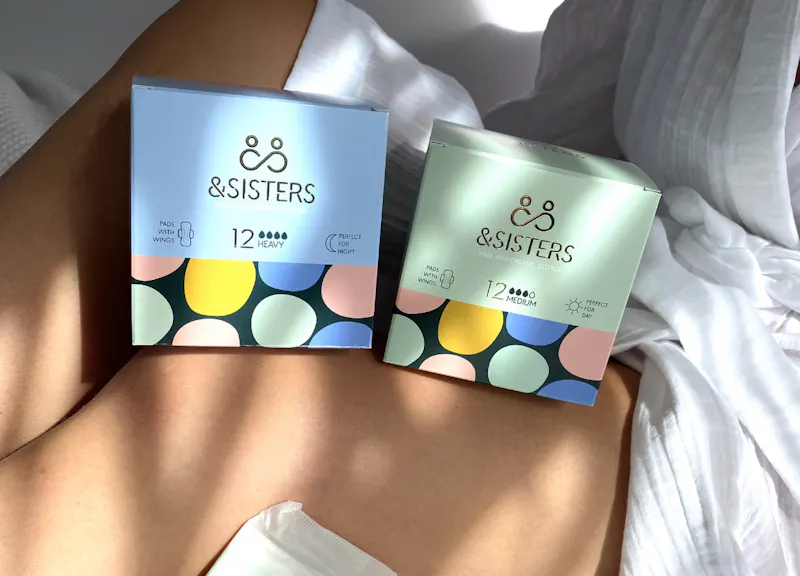
A UK-based, women-owned B Corp offering the highest ethical standard in menstrual care. This bulk 'Sisterhood' bundle features GOTS organic cotton tampons and pads with RSPO-segregated inputs, ensuring zero deforestation.
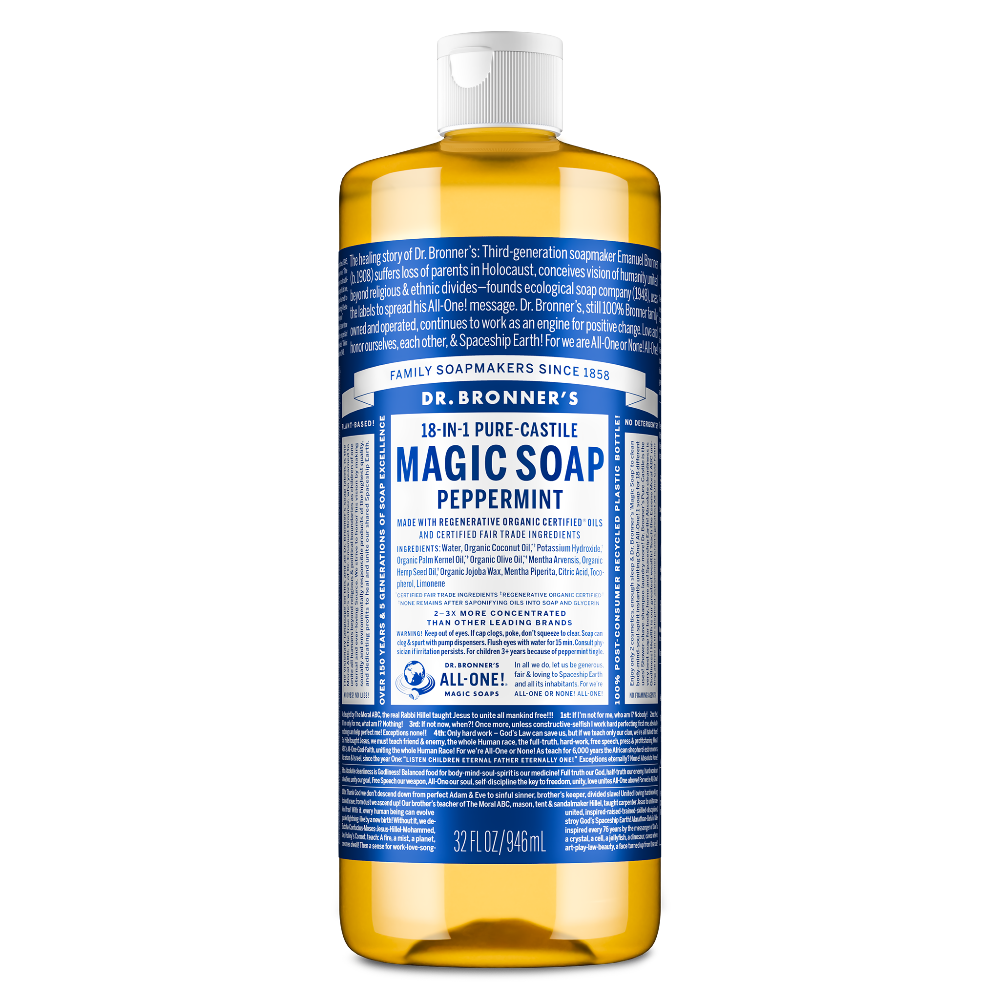
The gold standard of ethical cleaning. A highly concentrated, multi-surface liquid soap made from organic oils and fair trade ingredients in 100% PCR packaging.

The gold standard of ethical soaps, featuring regenerative organic palm oil and a legacy of fair-trade advocacy and radical transparency.
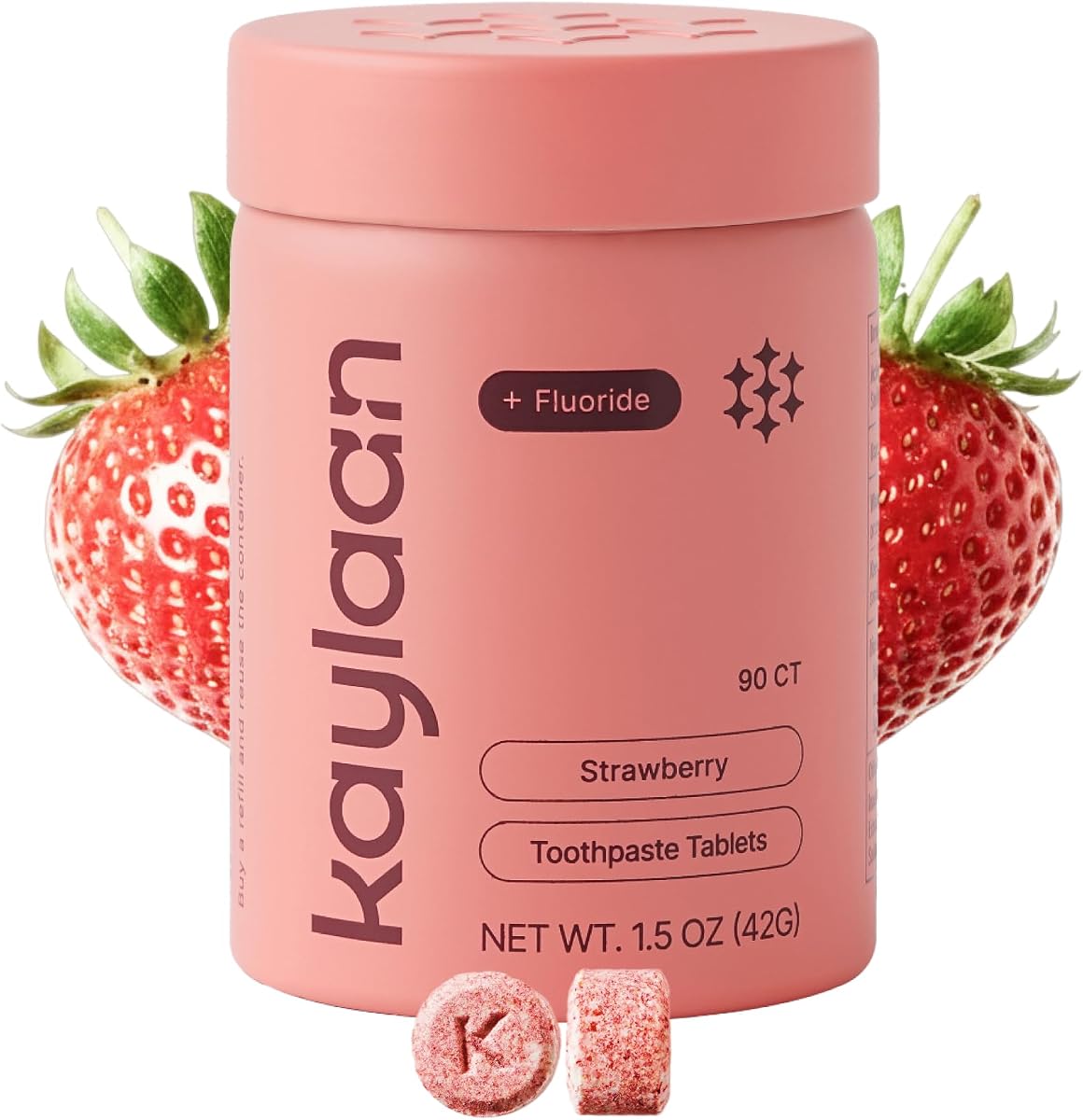
A zero-waste oral care system consisting of fluoride-free tablets in a refillable glass jar, featuring ingredients sourced from ethical Eastern European partners.

A high-potency, carbon-extracted rosehip oil designed specifically for sensitive skin, backed by rigorous B Corp standards and organic agricultural sourcing.
More on Chanel
Is Chanel ethical? FAQs
Is Chanel cruelty-free?+
Chanel does not test on animals except where required by law, such as for products sold in mainland China.
Does Chanel have vegan products?+
Chanel does not offer a dedicated vegan range; many products contain animal-derived materials or ingredients.
Does Chanel sell in mainland China?+
Selling through mainland Chinese retail has historically triggered post-market animal testing.
What is Chanel's ethics score?+
We don't score any Chanel products yet, so there is no ethics score. The signals above come from the brand profile and the sources listed on this page.
What are the best alternatives to Chanel?+
Higher-scoring alternatives include Dr. Bronner's 18-in-1 Pure-Castile Soap (Travel Size) by Dr. Bronner's, RSPO-Segregated Organic Intimate Care & Menstrual Set by &SISTERS, Dr. Bronner's Pure-Castile Liquid Soap (Peppermint) by Dr. Bronner's.