Ethical Alternatives to Children's Tylenol
Children's Tylenol (acetaminophen) is a widely trusted pediatric pain and fever reducer, but its parent company Johnson & Johnson faces scrutiny over environmental footprint, limited sourcing transparency, and lack of third-party cruelty-free certification. For shoppers seeking a more ethical option, several alternatives offer comparable efficacy with stronger commitments to animal welfare and supply chain accountability.
Categories compared: Baby & Kids, Health & Wellness
Why shoppers look for alternatives to Children's Tylenol
- Lacks any third-party cruelty-free certification, even though animal testing is only done where required by law.
- Parent company Johnson & Johnson has been criticized for its environmental footprint, including plastic waste and water pollution.
- Limited public transparency on ingredient sourcing and labor practices in its global supply chain.
- Sells in mainland China, where post-2021 regulations still allow animal testing for imported cosmetics and some non-drug products, raising ethical concerns for some shoppers.
Top-scoring alternatives to Children's Tylenol

A fluoride-free, 70% organic toothpaste that leads the industry in fair trade sourcing and activist corporate governance.

The first and only baby brand to be Gold Seal Fair Trade certified, Under the Nile offers exceptionally soft Egyptian cotton towels made in a sustainable community in Egypt.

A sustainable, carbon-neutral dollhouse made from reclaimed rubberwood and non-toxic PlanWood.

A 100% natural rubber pacifier that is completely plant-based, plastic-free, and compostable, meeting the highest circularity standards.

A hand-crafted, raw wellness balm produced by women’s cooperatives in Ghana, ideal for gluten-free skin nutrition and head-to-toe hydration.

A 100% organic and sustainable activity center that pair FSC-certified birch wood with hand-knit GOTS cotton toys, ensuring a plastic-free and heirloom-quality developmental tool.

A world-renowned sustainable pull toy made from kiln-dried chemical-free rubberwood and non-toxic dyes.
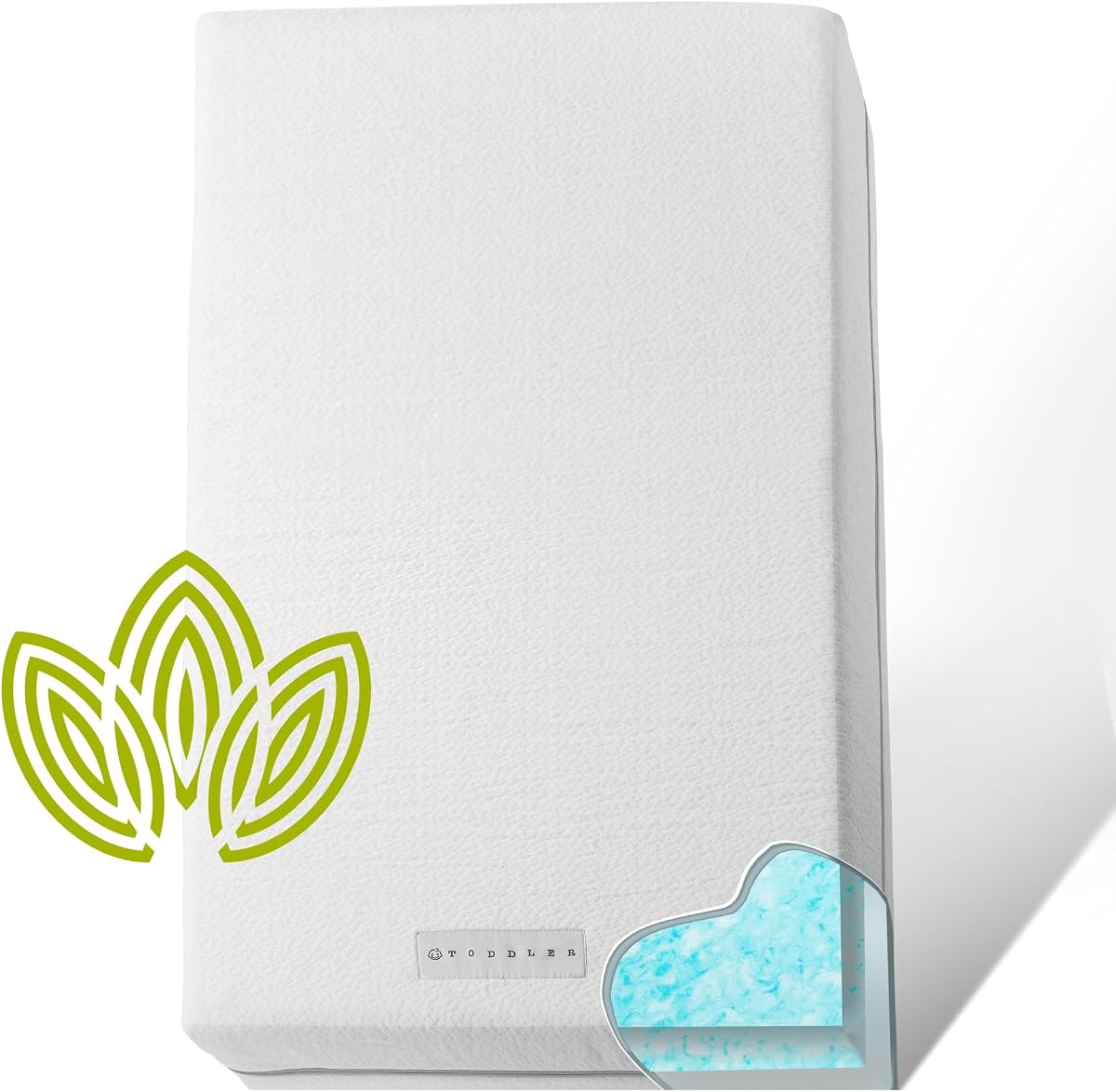
A handmade, non-toxic crib mattress featuring certified organic materials and a dual-firmness design to support infant and toddler development without off-gassing.

A gold-standard adaptogenic supplement produced through regenerative agriculture and fair trade partnerships with small family farmers in India.

A hand-dyed, veteran-led artisan masterpiece from Nairobi. This premium bamboo-silk blend offers a buttery, plant-based alternative to wool for conscious new parents.

An emerging indie brand sourcing premium organic cotton from Vietnam, this wrap is gaining traction on Pinterest for its minimalist aesthetic and ethical manufacturing process.

A premium, hypoallergenic lumbar support pillow made from 100% GOLS organic certified latex and GOTS organic cotton, ideal for posture correction during downsizing transitions.
What Children's Tylenol is rated on
Children's Tylenol is evaluated on four key ethical criteria: cruelty-free status, environmental impact, supply chain transparency, and corporate accountability. The brand currently holds no third-party certifications (e.g., Leaping Bunny, PETA, B Corp). Its animal testing policy states testing is conducted only where required by law, with investments in alternative methods — but without certification, shoppers cannot independently verify this. Johnson & Johnson's environmental record includes lawsuits over talc contamination and plastic waste, and while it publishes some sustainability reports, ingredient sourcing details remain opaque. Sales in mainland China further complicate its ethical profile for many buyers.
How the alternatives were picked
We selected alternatives based on three criteria: third-party cruelty-free certification (Leaping Bunny or PETA Approved), verified ingredient transparency (public sourcing or disclosure), and parent company environmental and labor accountability (e.g., B Corp certification, published ESG reports). Brands with comparable pediatric acetaminophen or ibuprofen formulations were prioritized. We excluded brands without clear animal testing policies or those owned by conglomerates with poor ethical ratings. All alternatives are available in the U.S. and UK markets.
What to check on the label
When switching to an ethical children's pain reliever, verify: 1) Active ingredient — acetaminophen or ibuprofen (dosing varies by age/weight). 2) Third-party cruelty-free logo (Leaping Bunny or PETA). 3) Artificial additives — some alternatives use natural flavors but always check for allergens. 4) Parent company — look for B Corp status or independent ethical ratings (e.g., Good On You, Ethical Consumer). Avoid brands owned by fossil fuel or tobacco companies. 5) Packaging — opt for glass bottles or recycled plastic where possible.
How to judge a suggested brand alternative
An alternatives page is a starting shortlist, not proof that one brand is universally better than another. The suggestions come from our catalogue: published products in a similar category with a recorded ethics score. They answer a narrow question — which products we list might fit the same need — and they cannot tell you which option performs best, suits your skin or diet, or matches your budget.
Match the job before the score
Start with what the original product does for you: format, size, scent, skin or dietary requirements and where you buy it. A higher-scoring alternative is not useful if it comes in a format you cannot use or is not sold where you shop. Check the alternative's full record — purpose, ingredients, price and seller — before treating it as a replacement.
Compare evidence, not impressions
Read certifications at their stated scope: a scheme may cover one range, one material or a named entity rather than a whole brand. An animal-free ingredient list and an animal-testing policy are separate questions, and a parent company's record is a third. Where a claim matters to you, confirm it in the scheme's own directory or the manufacturer's current statement rather than relying on a badge alone.
Keep the limits of the comparison visible
Catalogue scores are AI-assisted assessments with documented limitations, not laboratory measurements. A missing score is a data gap, not a failing grade. The original brand's presence here reflects what our records contain, which may omit reformulations, regional differences or newer certifications. For health, safety or recall concerns, use official sources rather than any score.
| Check | Where to confirm it | Avoid assuming |
|---|---|---|
| Does the alternative do the same job? | Its full product record and the maker's current description | A similar category means a like-for-like replacement |
| Is a claimed certification current? | The certification scheme's official directory | A badge covers the whole brand or group |
| Is it actually available to you? | The retailer's current listing, price and delivery | A catalogue price tier is a live quote |
Frequently asked about Children's Tylenol alternatives
Is Children's Tylenol considered cruelty-free?+
No, Children's Tylenol is not certified cruelty-free by any third-party organization. Johnson & Johnson states it only tests on animals where required by law, but without certification, this claim cannot be independently verified.
Are there truly cruelty-free children's pain relievers?+
Yes. Brands like Genexa (certified Leaping Bunny and USDA Organic) and Hyland's (PETA Approved) offer acetaminophen-based or natural alternatives for children. Always check individual product labels and certification logos.
What ethical issues does Johnson & Johnson have beyond animal testing?+
Johnson & Johnson has faced criticism for talc-related lawsuits, plastic waste, and limited transparency on ingredient sourcing and labor conditions. Its environmental footprint is rated 'Poor' by several independent ESG analysts.
Does selling in China affect the cruelty-free status of Children's Tylenol?+
Selling in mainland China does not automatically mean animal testing, but it can complicate verification. Post-2021 regulations still require testing for some imported products. Without certification, shoppers cannot be certain that no animal testing occurred in the supply chain.