Is Children's Tylenol ethical and cruelty-free?
Not really — Children's Tylenol fails 2 of the 4 ethics signals we track, including its animal-testing position, and holds no third-party certification we can verify.
Children's Tylenol is a Kenvue pediatric pain-relief and fever-reduction brand; its history includes manufacturing-related recalls, and this review did not verify third-party cruelty-free certification.
The evidence, signal by signal
Cruelty-freeflagged
Animal testing conducted only where required by law, with ongoing investment in alternative methods.
Vegan optionsunverified
No dedicated vegan range; some formulations may contain animal-derived excipients.
Sells in mainland Chinaflagged
Selling through mainland Chinese retail has historically triggered post-market animal testing.
Third-party certifiedunverified
We don't track any of this brand's products yet, so product-level certifications are unchecked.
Scored with our public methodology. Profile last updated 2026-11-02.
How we reached this verdict on Children's Tylenol
Each signal is built from the product records and certifications we hold for Children's Tylenol, its brand profile and the sources that profile lists. Scores are AI-assisted catalogue assessments, not audits, so check the named certificate or policy before relying on it. Where a claim cannot be confirmed from those records, the signal is marked unclear rather than assumed positive.
How to read this page
Four questions decide most ethical-shopping decisions about a brand like Children's Tylenol. Work through them in order.
- 1Testing: is there third-party cruelty-free certification, and does the brand sell in markets where animal testing can still be required?
- 2Ingredients and materials: vegan formulation is a separate question from cruelty-free, and a brand can be one without the other.
- 3Ownership: a certified brand inside a group that still tests, or that is linked to documented controversies, is a different decision than an independent one.
- 4Packaging and transparency: refills, recycled content and published supplier data are where most brands quietly lose points.
Research notes on Children's Tylenol
Compiled from the brand's own statements and the public sources listed below, last reviewed 2026-11-02. We don't stock Children's Tylenol products, so nothing here is checked against product records.
Overview
Children's Tylenol belongs to Kenvue, the consumer-health company separated from Johnson & Johnson in 2023; Kimberly-Clark announced an agreement to acquire Kenvue in November 2025. The U.S. Tylenol pediatric range includes oral suspensions and children’s chewables for temporary pain relief and fever reduction. Specific brand-level ethical data for Children's Tylenol is sparse. The brand operates under strict FDA regulations and adheres to global pharmaceutical standards.
Certifications
Children's Tylenol does not hold independent third-party certifications for cruelty-free (e.g., Leaping Bunny or PETA), organic, or Fair Trade. The brand is not certified by B Corp or similar social-enterprise standards.
Animal testing & vegan range
Children's Tylenol is not certified cruelty-free by any major organization. The brand's products contain inactive ingredients such as glycerin, sorbitol, and artificial flavors, which may be of plant or synthetic origin; no explicitly vegan-labeled range exists. The brand is not marketed as vegan, and gelatin capsules appear in some adult formulations, though children's liquids are likely gelatin-free.
Sustainability pledges
No brand-specific sustainability reports are available.
Sourcing & labor
Children’s Tylenol Oral Suspension identifies acetaminophen as its active ingredient, but its public product page does not identify the ingredient’s supplier or country of manufacture. Labor risks in global pharmaceutical supply chains remain a concern.
Controversies context
The Tylenol manufacturing history includes pediatric medicine recalls in 2010 and a 2015 guilty plea by then-manufacturer McNeil concerning adulterated infant and children’s liquid medicines. Children's Tylenol remains a first-line pediatric recommendation by health authorities.
Bottom line
Children's Tylenol is a reliable, FDA-regulated product that prioritizes safety and efficacy, but its ethical profile is average for a large pharmaceutical brand. Conscious consumers may be disappointed by the lack of cruelty-free or vegan certifications, limited eco-design, and opaque API sourcing. Genexa markets pediatric acetaminophen medicines with some organic inactive ingredients; this does not establish that the acetaminophen medicines themselves are certified organic.
High-scoring baby & kids picks to compare
Top-scoring products from other brands in the category Children's Tylenol sells in. A starting point for comparison, not proof that each one beats Children's Tylenol.

The first and only baby brand to be Gold Seal Fair Trade certified, Under the Nile offers exceptionally soft Egyptian cotton towels made in a sustainable community in Egypt.

A sustainable, carbon-neutral dollhouse made from reclaimed rubberwood and non-toxic PlanWood.

A 100% natural rubber pacifier that is completely plant-based, plastic-free, and compostable, meeting the highest circularity standards.

A 100% organic and sustainable activity center that pair FSC-certified birch wood with hand-knit GOTS cotton toys, ensuring a plastic-free and heirloom-quality developmental tool.
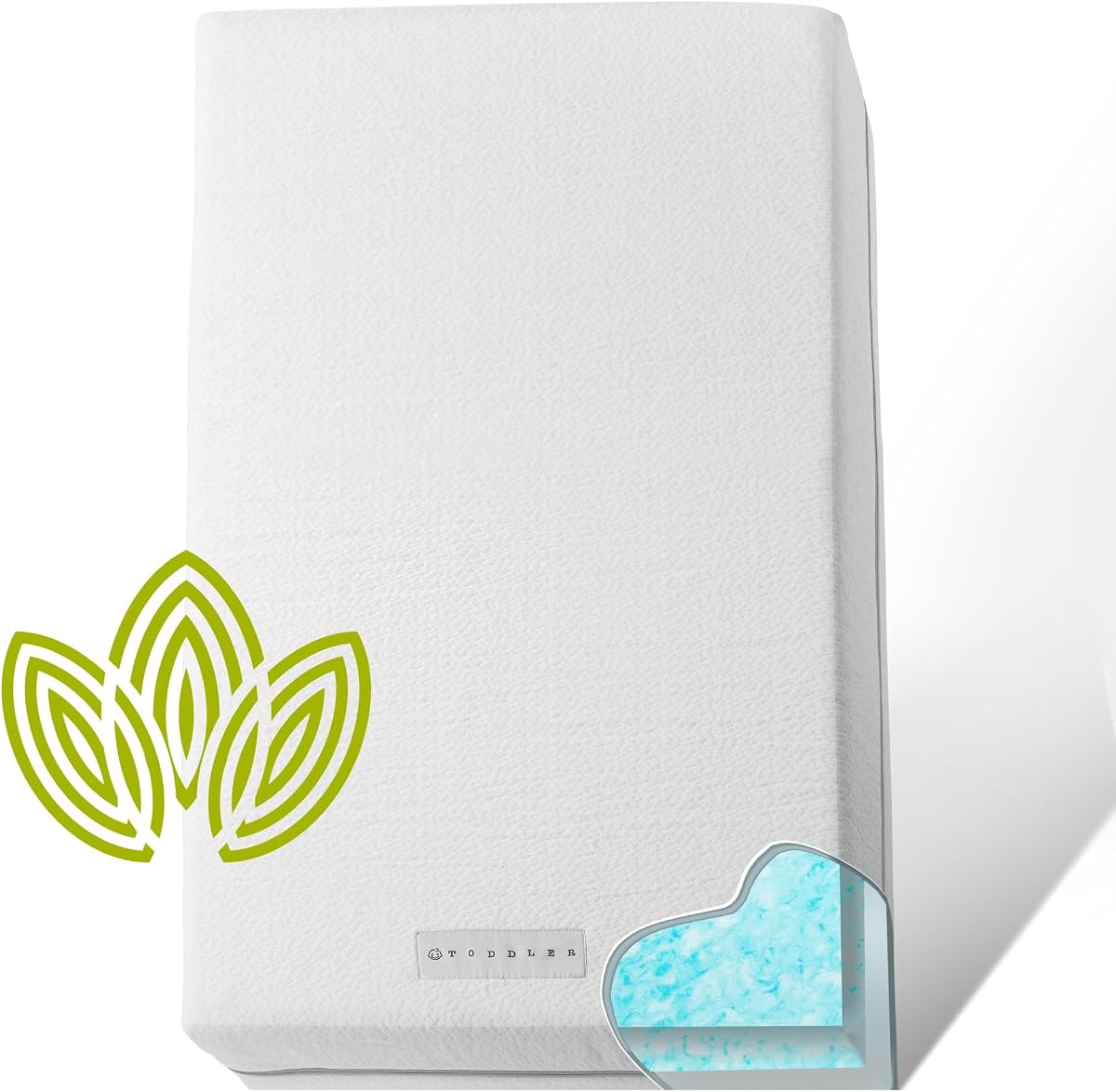
A handmade, non-toxic crib mattress featuring certified organic materials and a dual-firmness design to support infant and toddler development without off-gassing.

A hand-dyed, veteran-led artisan masterpiece from Nairobi. This premium bamboo-silk blend offers a buttery, plant-based alternative to wool for conscious new parents.
More on Children's Tylenol
What the score looks at
Each 0–100 score is an AI-assisted catalogue assessment with five recorded dimensions, not a fixed-weight calculation or an audit. Brands cannot buy a position, and a missing disclosure limits what can be assessed rather than being assumed positive.
Animal welfare
Third-party cruelty-free and vegan certification, animal-derived inputs, testing policy in every market the brand sells in.
Materials & sourcing
Organic, recycled or regenerative inputs, traceability to farm or mill, deforestation and biodiversity risk.
Labour & human rights
Living-wage commitments, published supplier lists, audit results and remediation, Fair Trade certification.
Packaging & waste
Recycled content, plastic intensity, refill or take-back options, real end-of-life recyclability.
Transparency
Public reporting, verifiable claims, parent-company disclosure and how quickly the brand answers questions.
Reading the score
Leader
80–100
Multiple independent certifications, published supply chain, credible reductions.
Strong
65–79
Solid certified core with one weak pillar, usually packaging or labour disclosure.
Mixed
50–64
Real progress in places, significant gaps elsewhere — read the detail before buying.
Weak
0–49
Little verified evidence, or an ownership structure that contradicts the marketing.
Six checks for any ethical purchase
A ranking gets you to a shortlist; these checks tell you whether a specific product is right for your household. Work through them in order — the first two rule out most greenwashing on their own.
Buying checklist
- Check the certification, not the adjective: a logo from Leaping Bunny, Vegan Society, GOTS, Fair Trade or B Corp is auditable; the words "natural" and "clean" are not.
- Look up the parent company — a certified brand owned by a group that still tests where the law requires it is a different decision than an independent one.
- Read the full ingredient or material list, not the front-of-pack claim; a single animal-derived or high-impact input can undo the rest.
- Prefer refills, concentrates and take-back schemes: packaging is usually the fastest win in this category.
- Compare cost per use rather than shelf price, including dose, refill costs and how long you will actually use the item.
- Buy the thing you will actually finish or wear a hundred times; the lowest-impact purchase is still the one you do not replace.
Is Children's Tylenol ethical? FAQs
Is Children's Tylenol cruelty-free?+
Animal testing conducted only where required by law, with ongoing investment in alternative methods.
Does Children's Tylenol have vegan products?+
No dedicated vegan range; some formulations may contain animal-derived excipients.
Does Children's Tylenol sell in mainland China?+
Selling through mainland Chinese retail has historically triggered post-market animal testing.
What is Children's Tylenol's ethics score?+
We don't score any Children's Tylenol products yet, so there is no ethics score. The signals above come from the brand profile and the sources listed on this page.
What are the best alternatives to Children's Tylenol?+
High-scoring baby & kids products to compare include Classic Organic Baby Hooded Towel by Under the Nile, PlanToys Creative Play House by PlanToys, Plastic-Free Natural Rubber Soother by HEVEA.