Ethical Alternatives to common good
Common Good stands out as a high-performing sustainable cleaning brand with a strong circular economy model, B Corp certification, and Leaping Bunny approval. However, shoppers may seek alternatives due to price, availability, or specific ingredient preferences. This page curates ethical options that meet comparable standards.
Categories compared: Home & Cleaning, Health & Wellness, Baby & Kids
Why shoppers look for alternatives to common good
- Common Good products are often priced higher than conventional brands, making them less accessible for budget-conscious shoppers.
- Refill stores or bulk options may not be available in all regions, limiting purchase convenience.
- Some users prefer fragrance-free or allergen-specific formulations not always offered by Common Good.
- Shoppers may want to explore brands with additional certifications like Cradle to Cradle or EWG Verified for deeper environmental scrutiny.
Top-scoring alternatives to common good

The gold standard for multi-purpose ethical cleaning, featuring organic oils and fair trade sourcing in a post-consumer recycled bottle.

The gold standard of ethical cleaning; a multi-use, highly concentrated liquid soap made with organic oils and fair trade ingredients.

A fluoride-free, 70% organic toothpaste that leads the industry in fair trade sourcing and activist corporate governance.

The first and only baby brand to be Gold Seal Fair Trade certified, Under the Nile offers exceptionally soft Egyptian cotton towels made in a sustainable community in Egypt.

A sustainable, carbon-neutral dollhouse made from reclaimed rubberwood and non-toxic PlanWood.

A 100% natural rubber pacifier that is completely plant-based, plastic-free, and compostable, meeting the highest circularity standards.

A hand-crafted, raw wellness balm produced by women’s cooperatives in Ghana, ideal for gluten-free skin nutrition and head-to-toe hydration.
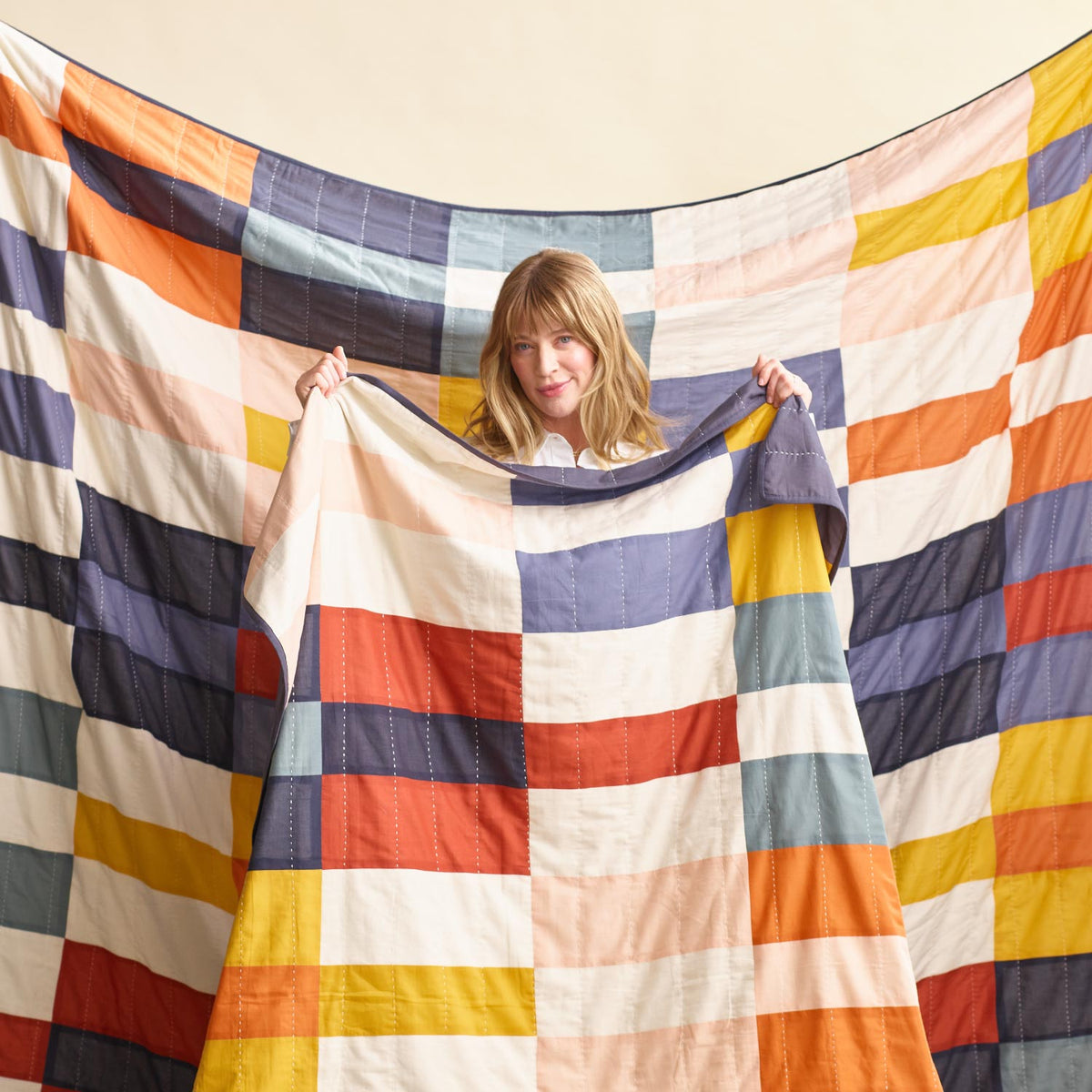
A stunning, artisan-made throw that supports women’s empowerment in India while utilizing 100% plant-based, organic fibers.

The ultimate paper-towel alternative, these OEKO-TEX certified cloths use just water to clean, removing 99% of bacteria and leaving a streak-free finish on all glass surfaces.

A 100% organic and sustainable activity center that pair FSC-certified birch wood with hand-knit GOTS cotton toys, ensuring a plastic-free and heirloom-quality developmental tool.

A gold standard in ethical manufacturing, this concentrated multi-surface cleaner uses regenerative organic oils and fair trade sourcing to provide a zero-waste, non-toxic solution for every room in the home.

A world-renowned sustainable pull toy made from kiln-dried chemical-free rubberwood and non-toxic dyes.
What common good is rated on
Common Good is evaluated on its commitment to the circular economy through refillable packaging, plant-based formulations free of parabens and phthalates, and its B Corp certification (verifying high social and environmental performance). It also holds Leaping Bunny and Cruelty-Free credentials, ensuring no animal testing at any stage. Performance tests show it matches leading conventional cleaners in stain removal and grease cutting.
How the alternatives were picked
Alternatives were selected based on comparable or superior ethical credentials: each must be at minimum Leaping Bunny certified and use plant-derived surfactants. Preference was given to brands with closed-loop refill systems, carbon-neutral shipping, or third-party certifications such as B Corp or EWG Verified. We also considered price per use, ingredient transparency, and availability in both online and brick-and-mortar stores.
What to check on the label
Look for Leaping Bunny or Cruelty-Free International logos to confirm no animal testing. For circular economy claims, check if packaging is made from post-consumer recycled content and if refills are available in plastic-free formats (e.g., tablets, powders). Avoid products with undisclosed ‘fragrance’—opt for brands listing 100% of ingredients, including essential oils. B Corp certification adds assurance of ongoing social and environmental accountability.
How to judge a suggested brand alternative
An alternatives page is a starting shortlist, not proof that one brand is universally better than another. The suggestions come from our catalogue: published products in a similar category with a recorded ethics score. They answer a narrow question — which products we list might fit the same need — and they cannot tell you which option performs best, suits your skin or diet, or matches your budget.
Match the job before the score
Start with what the original product does for you: format, size, scent, skin or dietary requirements and where you buy it. A higher-scoring alternative is not useful if it comes in a format you cannot use or is not sold where you shop. Check the alternative's full record — purpose, ingredients, price and seller — before treating it as a replacement.
Compare evidence, not impressions
Read certifications at their stated scope: a scheme may cover one range, one material or a named entity rather than a whole brand. An animal-free ingredient list and an animal-testing policy are separate questions, and a parent company's record is a third. Where a claim matters to you, confirm it in the scheme's own directory or the manufacturer's current statement rather than relying on a badge alone.
Keep the limits of the comparison visible
Catalogue scores are AI-assisted assessments with documented limitations, not laboratory measurements. A missing score is a data gap, not a failing grade. The original brand's presence here reflects what our records contain, which may omit reformulations, regional differences or newer certifications. For health, safety or recall concerns, use official sources rather than any score.
| Check | Where to confirm it | Avoid assuming |
|---|---|---|
| Does the alternative do the same job? | Its full product record and the maker's current description | A similar category means a like-for-like replacement |
| Is a claimed certification current? | The certification scheme's official directory | A badge covers the whole brand or group |
| Is it actually available to you? | The retailer's current listing, price and delivery | A catalogue price tier is a live quote |
Frequently asked about common good alternatives
Is Common Good truly free from animal testing?+
Yes. Common Good is Leaping Bunny and Cruelty-Free certified, meaning no animal testing is conducted at any stage of product development, and they audit their suppliers to ensure compliance.
Why would I need an alternative if Common Good is already ethical?+
Common Good may not be affordable or accessible everywhere. Alternatives can offer similar ethics with different price points, fragrance options, or additional certifications like Cradle to Cradle.
How do I verify if an alternative brand is truly sustainable?+
Check for independent certifications: B Corp, Leaping Bunny, EWG Verified, or a published ingredient list with full disclosure. Avoid vague claims like ‘eco-friendly’ without third-party backing.
Are refill systems from alternatives as effective as Common Good’s?+
Many alternatives offer concentrated tablets or powder refills that perform comparably in lab tests, though effectiveness varies by formula. Look for brands that publish cleaning efficacy data.