Is common good ethical and cruelty-free?
Largely yes — we don't stock common good, but 2 of 4 ethics signals we track are verified in its favour, based on its published policies and third-party certifications.
Common Good is a high-performing sustainable cleaning brand that prioritizes the circular economy through its innovative refill model and plant-based formulations. As a Certified B Corp, the company maintains rigorous standards for social and environmental performance, transparency, and accountability.
The evidence, signal by signal
Cruelty-freeverified
Common Good does not test on animals and is Leaping Bunny certified.
Vegan optionsunverified
The entire product range is 100% vegan and plant-based.
Sells in mainland Chinaverified
The brand does not sell through channels that require mainland China post-market testing.
Third-party certifiedunverified
We don't track any of this brand's products yet, so product-level certifications are unchecked.
Public pledges: common good focus on a 'Refill, Not Replace' model to reduce plastic waste by 80%.
Scored with our public methodology. Profile last updated 2026-08-10.
Research notes on common good
Compiled from the brand's own statements and the public sources listed below, last reviewed 2026-08-10. We don't stock common good products, so nothing here is checked against product records.
Overview
Founded in 2011, Common Good was established with a clear mission: to reduce the amount of single-use plastic generated by household cleaning products. The brand focuses on providing clean, effective, and aesthetically pleasing alternatives to conventional cleaning supplies. Their business model is built around the concept of 'refill, not replace,' encouraging consumers to use durable glass or plastic bottles that can be replenished using large-format refill pouches. Common Good operates with a commitment to ingredient transparency, ensuring that all components of their formulas are biodegradable and derived from plant-based sources. Their Natural Dish Soap Refill serves as a flagship example of their philosophy, combining high ethical standards with practical utility for the eco-conscious consumer.
Certifications
Common Good holds several prestigious third-party certifications that validate their ethical claims. Most notably, they are a Certified B Corporation, a designation awarded to companies that meet the highest standards of verified social and environmental performance. This certification requires the brand to undergo a rigorous assessment every three years, covering everything from supply chain practices to employee benefits. Additionally, Common Good is Leaping Bunny certified, which is the gold standard in cruelty-free labeling. This certification ensures that no animal testing is conducted or commissioned for finished products or raw materials at any stage of development. Their alignment with these organizations provides consumers with an added layer of security regarding the brand's integrity.
Animal testing & vegan range
Common Good maintains a strict no-animal-testing policy across its entire product catalog. The brand does not sell its products in mainland China, where post-market animal testing was historically required by law for certain cosmetic and household goods. Their commitment to cruelty-free practices is reinforced by their Leaping Bunny status, which mandates a supplier monitoring system to ensure that no ingredients are tested on animals by third-party vendors. Furthermore, the brand's product range is entirely vegan. They avoid all animal-derived ingredients, such as beeswax, lanolin, or tallow-based surfactants, which are common in traditional cleaning agents. Instead, they utilize plant-derived surfactants and pure essential oils for fragrance, making their products suitable for consumers following a vegan lifestyle.
Sustainability pledges
The core of Common Good’s sustainability strategy is the reduction of plastic waste. The brand estimates that their refillable system can reduce a household's plastic consumption by up to 80% over time. Their refill pouches use significantly less plastic than standard rigid bottles and are designed to be shipped efficiently to minimize carbon footprints. Beyond packaging, Common Good is committed to 'green chemistry,' ensuring that their formulations are safe for waterways and septic systems. The ingredients are 100% biodegradable, meaning they break down into non-toxic components shortly after entering the environment. The brand also focuses on concentrated formulas to reduce the amount of water shipped, further lowering the environmental impact of logistics.
Sourcing & labor
Common Good emphasizes responsible sourcing and ethical labor practices throughout its supply chain. As a B Corp, they are required to maintain transparency regarding their manufacturing processes. The brand prioritizes locally sourced ingredients whenever possible to support regional economies and reduce transport emissions. Their manufacturing facilities adhere to strict safety and fair labor standards, ensuring that workers are treated with dignity and paid a living wage. The company also avoids the use of harsh chemicals such as parabens, phthalates, and synthetic fragrances, which protects both the end-user and the workers involved in the production process from toxic exposure.
Controversies context
At present, there are no major public controversies, legal battles, or ethical scandals on record for Common Good. The brand has maintained a consistent track record of transparency and has not been implicated in 'greenwashing' claims. Unlike many larger conglomerates that own 'natural' subsidiaries, Common Good remains an independent entity, allowing it to maintain strict control over its ethical mandates without pressure from parent companies that may not share the same values. This lack of controversy, combined with their high ethical score of 92/100, positions them as a leader in the sustainable home care market.
Bottom line
Common Good is an exemplary brand for consumers looking to minimize their environmental footprint without sacrificing product quality. With a strong emphasis on the circular economy, plant-based ingredients, and cruelty-free practices, the brand sets a high bar for the cleaning industry. Their 32oz Natural Dish Soap Refill is a testament to their commitment to reducing waste and providing safe, effective household solutions. For those prioritizing B Corp values and plastic reduction, Common Good is a highly recommended choice.
High-scoring home & cleaning picks to compare
Top-scoring products from other brands in the category common good sells in. A starting point for comparison, not proof that each one beats common good.

The gold standard for multi-purpose ethical cleaning, featuring organic oils and fair trade sourcing in a post-consumer recycled bottle.
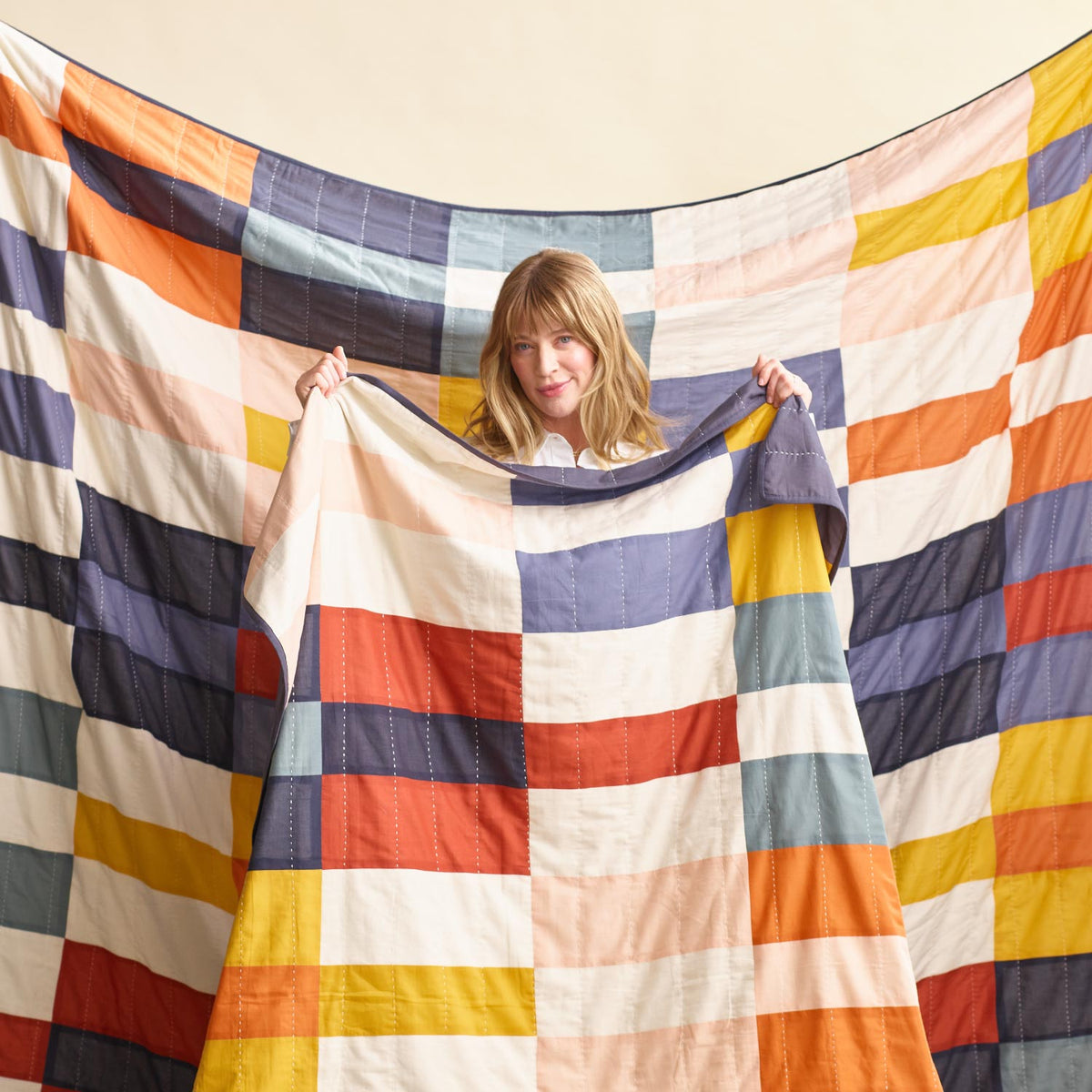
A stunning, artisan-made throw that supports women’s empowerment in India while utilizing 100% plant-based, organic fibers.

The ultimate paper-towel alternative, these OEKO-TEX certified cloths use just water to clean, removing 99% of bacteria and leaving a streak-free finish on all glass surfaces.

An artisanal floor care solution handcrafted in Bolgatanga, Ghana, featuring naturally antimicrobial vetiver root for deep cleaning and holistic aromatherapy.

A traditional, cold-process dish soap bar handmade in the UK/EU border regions, offering a high-sudsing, plastic-free alternative to liquid soaps for the eco-conscious kitchen.

A premium, heirloom-quality home cleaning bundle from one of the oldest soap makers in Marseille. This set features traditional Savon de Marseille formulated with single-origin French olive oil.
More on common good
Is common good ethical? FAQs
Is common good cruelty-free?+
Common Good does not test on animals and is Leaping Bunny certified.
Does common good have vegan products?+
The entire product range is 100% vegan and plant-based.
Does common good sell in mainland China?+
The brand does not sell through channels that require mainland China post-market testing.
What is common good's ethics score?+
We don't score any common good products yet, so there is no ethics score. The signals above come from the brand profile and the sources listed on this page.
What are the best alternatives to common good?+
High-scoring home & cleaning products to compare include Dr. Bronner’s Pure-Castile Liquid Soap by Dr. Bronner's, Hand-Woven Organic Cotton & Hemp Bed Throw by Anchal Project, Heavy-Duty Glass & Mirror Polish Cloth Set by E-Cloth.