Ethical Alternatives to Fairy
Fairy, owned by Procter & Gamble, is a widely available dish soap but holds no major ethical certifications. It is sold in mainland China where animal testing is mandatory for imported household goods, and P&G only avoids testing where not required by law. If you are seeking a more transparent, cruelty‑free, or plastic‑reduced option, several independent brands offer clear alternatives.
Categories compared: Home & Cleaning, Kitchen & Dining
Why shoppers look for alternatives to Fairy
- Fairy lacks any third‑party ethical certifications (e.g. Leaping Bunny, Vegan, Fair Trade).
- P&G conducts or commissions animal tests on Fairy when required by Chinese law; it is not certified cruelty‑free globally.
- Fairy’s packaging is primarily single‑use plastic; P&G’s sustainability targets are not yet reflected in the product’s mainstream packaging.
- Ingredients are not fully disclosed beyond basic regulatory lists, limiting consumer ability to assess environmental impact.
Top-scoring alternatives to Fairy

The gold standard for multi-purpose ethical cleaning, featuring organic oils and fair trade sourcing in a post-consumer recycled bottle.

The gold standard of ethical cleaning; a multi-use, highly concentrated liquid soap made with organic oils and fair trade ingredients.
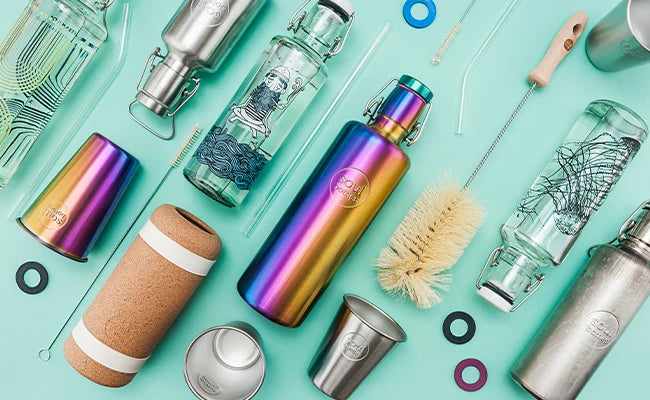
A 100% plastic-free, carbon-neutral glass bottle made in Germany, featuring stunning artist-designed motifs and a swing-top closure.

Exquisite, handcrafted serving utensils made by artisans in Kenya. Each set supports fair wages and preserves traditional woodworking techniques using sustainably harvested olive wood.
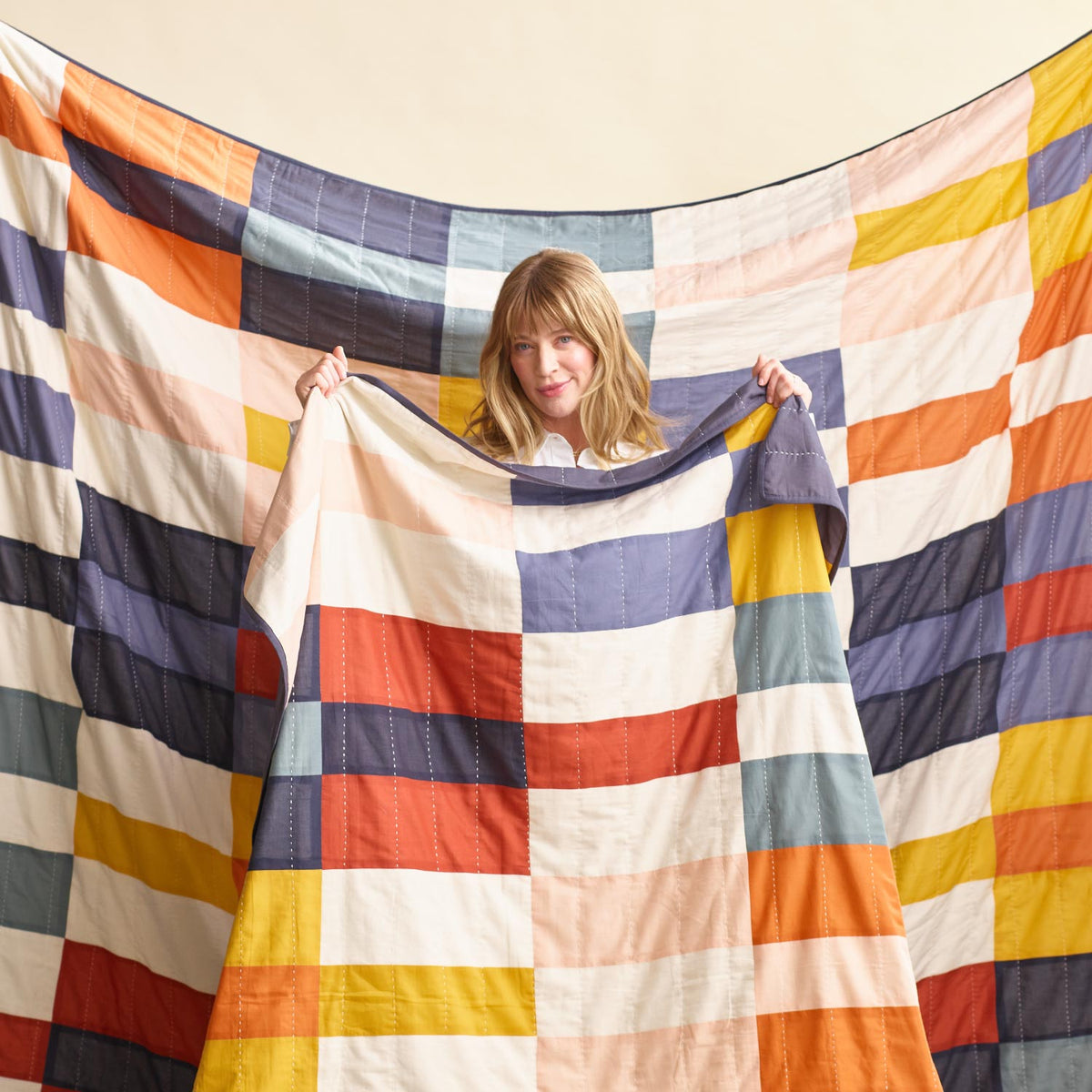
A stunning, artisan-made throw that supports women’s empowerment in India while utilizing 100% plant-based, organic fibers.

Exquisite hand-woven table linens designed by a Brooklyn-based Ethiopian-American designer and crafted by artisans in Ethiopia using GOTS-certified organic cotton.

A high-quality, reusable alternative to disposable paper towels, handmade in Oregon from sustainable materials to drastically reduce household waste.

Premium, artisan-made kitchen linens that support indigenous weaving techniques and provide stable fair-trade income to cooperatives in Mexico and Guatemala.

The ultimate paper-towel alternative, these OEKO-TEX certified cloths use just water to clean, removing 99% of bacteria and leaving a streak-free finish on all glass surfaces.

A gold standard in ethical manufacturing, this concentrated multi-surface cleaner uses regenerative organic oils and fair trade sourcing to provide a zero-waste, non-toxic solution for every room in the home.

Hand-spun and hand-woven Ethiopian cotton napkins produced by a women-led collective committed to slow fashion and fair wages.

A plastic-free, ocean-friendly lunch container made from high-quality stainless steel and food-grade silicone, designed to eliminate single-use waste.
What Fairy is rated on
Fairy currently holds no independent ethical certifications from reputable bodies such as Leaping Bunny, Cruelty Free International, Vegan Society, or Fairtrade. Procter & Gamble states it does not test on animals unless required by law, and Fairy is sold in mainland China — where imported household goods are subject to mandatory animal testing. This means the product cannot be considered cruelty‑free in a global sense. The brand also faces criticism for its plastic packaging; while P&G has pledged to make all packaging recyclable or reusable by 2030, Fairy is still sold in standard single‑use plastic bottles. Full ingredient transparency is limited, and there are no public commitments to biodegradability or reef‑safe formulations.
How the alternatives were picked
Each alternative was selected based on at least one of the following criteria: independent cruelty‑free certification (Leaping Bunny or Cruelty Free International), certified vegan status, plastic‑free or refillable packaging, full ingredient disclosure, and/or carbon‑neutral or B‑Corp certification. All alternatives are widely available online or in major retailers, and they compete directly with Fairy in the hand‑washing dish soap category. Brands that only manufacture dishwasher detergents or surface sprays were excluded to keep comparisons direct.
What to check on the label
When swapping from Fairy, look for these markers on the bottle:
- Cruelty‑free certification — Leaping Bunny or Cruelty Free International logos. Avoid brands that sell in mainland China unless they have a specific exemption (e.g. locally manufactured, or certified under ‘made in China’ rules).
- Vegan logo — ensures no animal‑derived ingredients (Fairy does not claim to be vegan).
- Plastic‑free or refillable — concentrate drops, tablets, or solid soap bars cut packaging waste significantly.
- Biodegradability — look for ‘readily biodegradable’ or ‘made without phosphates, chlorine, or synthetic fragrances.’
- Ingredient transparency — preferred brands list all components on the label or a dedicated website.
How to judge a suggested brand alternative
An alternatives page is a starting shortlist, not proof that one brand is universally better than another. The suggestions come from our catalogue: published products in a similar category with a recorded ethics score. They answer a narrow question — which products we list might fit the same need — and they cannot tell you which option performs best, suits your skin or diet, or matches your budget.
Match the job before the score
Start with what the original product does for you: format, size, scent, skin or dietary requirements and where you buy it. A higher-scoring alternative is not useful if it comes in a format you cannot use or is not sold where you shop. Check the alternative's full record — purpose, ingredients, price and seller — before treating it as a replacement.
Compare evidence, not impressions
Read certifications at their stated scope: a scheme may cover one range, one material or a named entity rather than a whole brand. An animal-free ingredient list and an animal-testing policy are separate questions, and a parent company's record is a third. Where a claim matters to you, confirm it in the scheme's own directory or the manufacturer's current statement rather than relying on a badge alone.
Keep the limits of the comparison visible
Catalogue scores are AI-assisted assessments with documented limitations, not laboratory measurements. A missing score is a data gap, not a failing grade. The original brand's presence here reflects what our records contain, which may omit reformulations, regional differences or newer certifications. For health, safety or recall concerns, use official sources rather than any score.
| Check | Where to confirm it | Avoid assuming |
|---|---|---|
| Does the alternative do the same job? | Its full product record and the maker's current description | A similar category means a like-for-like replacement |
| Is a claimed certification current? | The certification scheme's official directory | A badge covers the whole brand or group |
| Is it actually available to you? | The retailer's current listing, price and delivery | A catalogue price tier is a live quote |
Frequently asked about Fairy alternatives
Does Fairy test on animals anywhere?+
P&G states it does not test on animals unless required by law. Because Fairy is sold in mainland China, imported batches have been subject to mandatory animal testing for registration. This means Fairy cannot carry a certified cruelty‑free label like Leaping Bunny.
What certifications does Fairy actually have?+
Fairy has no major ethical certifications on file. It is not Leaping Bunny, Cruelty Free International, Vegan Society, Fairtrade, or B‑Corp certified. Some P&G products are EU Ecolabel certified, but Fairy (as a dish soap line) does not hold this in most markets.
Are there any Fairy variants that are plastic‑free?+
No. Fairy is sold exclusively in single‑use plastic bottles. P&G has announced a reusable bottle pilot (e.g. Loop) in limited regions, but it is not yet available for mainstream Fairy dish soap. Alternatives include solid soap bars or concentrate drops sold in recyclable glass or aluminium.
Is Fairy vegan?+
P&G does not label Fairy as vegan, and the full ingredient list is not publicly declared for all markets. Some ingredients (e.g. glycerin) may be derived from animal fats. For a guaranteed vegan dish soap, look for a certified Vegan Society or PETA‑approved logo on the label.