Is Fairy ethical and cruelty-free?
Not really — Fairy fails 2 of the 4 ethics signals we track, including its animal-testing position, and holds no third-party certification we can verify.
Fairy (owned by Procter & Gamble) is a leading dish soap brand with limited ethical credentials; it lacks major certifications, tests on animals where required by law, and faces criticism for plastic waste, though P&G has made some sustainability commitments.
The evidence, signal by signal
Cruelty-freeflagged
P&G does not test on animals unless required by law; Fairy is sold in China where animal testing is mandatory for imported household goods.
Vegan optionsunverified
No certified vegan range; most formulations likely vegan but not labeled as such.
Sells in mainland Chinaflagged
Selling through mainland Chinese retail has historically triggered post-market animal testing.
Third-party certifiedunverified
We don't track any of this brand's products yet, so product-level certifications are unchecked.
Public pledges: P&G targets 100% recyclable or reusable packaging by 2030 and uses some recycled plastic in Fairy bottles, but the brand lacks specific carbon or water targets.
Scored with our public methodology. Profile last updated 2026-09-14.
Research notes on Fairy
Compiled from the brand's own statements and the public sources listed below, last reviewed 2026-09-14. We don't stock Fairy products, so nothing here is checked against product records.
Overview
Fairy is a household dishwashing liquid brand owned by the American multinational Procter & Gamble (P&G). Launched in the UK in 1959, Fairy has become a staple in many kitchens, known for its grease-cutting power and gentle formula. As a product of a large multinational, Fairy's ethical profile is shaped by P&G's global policies, which have both positive initiatives and significant shortcomings. This profile evaluates Fairy based on parent company practices, certifications, animal testing, sourcing, labor, and environmental impact.
Certifications
Fairy products do not carry independent third-party ethical certifications such as Cruelty Free International, Leaping Bunny, Vegan Society, Fair Trade, or B Corp. P&G has its own internal 'Responsible Beauty' program but lacks external verification. Some Fairy variants are labeled as 'dermatologically tested' but this is not a cruelty-free or vegan claim. No product lines are certified organic or Rainforest Alliance certified.
Animal testing & vegan range
P&G states that it does not test on animals unless required by law, which includes compliance with China's mandatory animal testing for imported cosmetics and household products. Fairy is sold in mainland China, meaning that the brand is categorized as 'may test on animals' by ethical watchdog groups. P&G participates in non-animal alternative research but has not achieved a cruelty-free certification. Fairy does not market a dedicated vegan range, and while most formulations are likely free of animal-derived ingredients, the absence of vegan certification means consumers cannot be certain. P&G's official policy: 'We do not test on animals anywhere in the world except where required by law and only after exhausting all other alternatives.'
Sustainability pledges
P&G has several environmental commitments, but none are brand-specific for Fairy. The company aims to use 100% recyclable or reusable packaging by 2030 and has reduced plastic in Fairy bottles (e.g., 50% recycled plastic in some markets). P&G also runs water conservation programs and a 'Cold Wash' initiative for laundry detergents, but this does not extend to dish soap. Fairy liquid is biodegradable according to OECD standards, but the brand's overall sustainability efforts are overshadowed by P&G's massive plastic footprint—over 800,000 tons of plastic annually. No science-based carbon targets have been set for Fairy specifically.
Sourcing & labor
Fairy's ingredients are sourced globally through P&G's supply chain, which has a Supplier Responsibility Program requiring adherence to labor laws, human rights, and safety standards. P&G publishes a Supplier Code of Conduct and conducts audits. However, the company has been criticized for a lack of transparency on raw material origins, particularly palm oil derivatives used in some formulations. P&G is a member of the Roundtable on Sustainable Palm Oil (RSPO) but has been graded poorly for its palm oil sourcing by the WWF. No specific labor controversies have been linked directly to Fairy production.
Controversies context
There are no major specific controversies surrounding Fairy itself. However, the brand's parent company P&G has faced broader criticism: a 2020 lawsuit over 'greenwashing' for marketing products as 'natural', and ongoing concerns about plastic pollution and animal testing for Chinese markets. These issues are indirectly relevant to Fairy because they reflect P&G's overall ethical stance.
Bottom line
Fairy is a conventional product from a mainstream multinational. For consumers prioritizing cruelty-free, vegan, or highly sustainable options, Fairy does not meet those standards. It is not a recommended choice for an ethically minded shopper looking for independent certifications or full transparency.
Better-scoring alternatives to Fairy
Same categories, higher ethics scores, verified certifications.

The ultimate multi-tasker for minimalist hosts; one bottle can wash hands, body, hair, and even dishes.
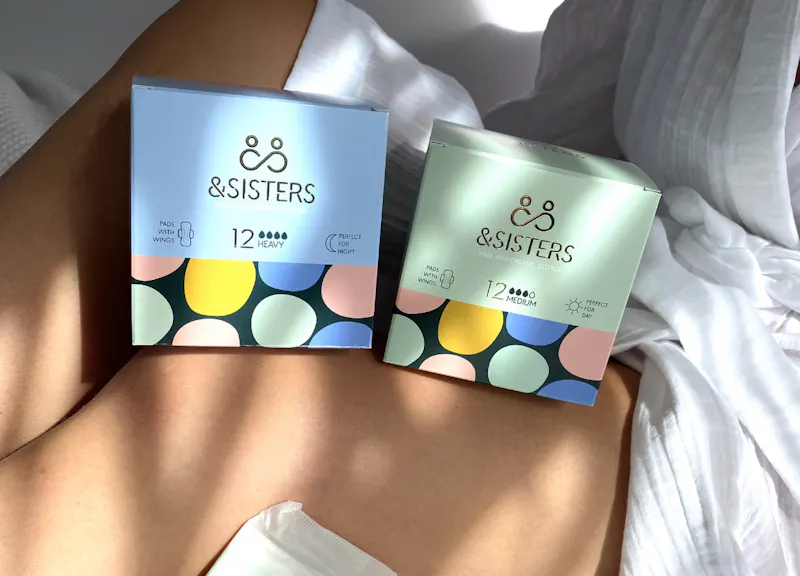
A UK-based, women-owned B Corp offering the highest ethical standard in menstrual care. This bulk 'Sisterhood' bundle features GOTS organic cotton tampons and pads with RSPO-segregated inputs, ensuring zero deforestation.
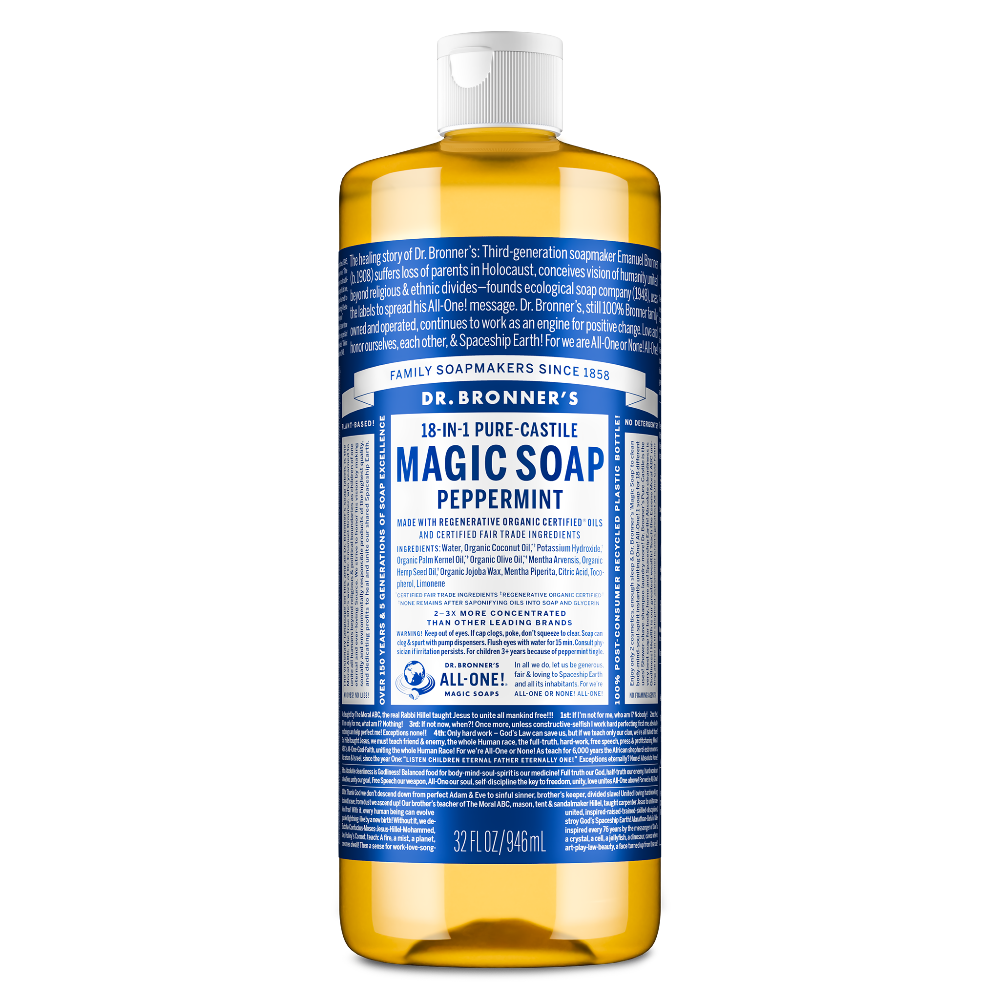
The gold standard of ethical cleaning. A highly concentrated, multi-surface liquid soap made from organic oils and fair trade ingredients in 100% PCR packaging.

The gold standard of ethical soaps, featuring regenerative organic palm oil and a legacy of fair-trade advocacy and radical transparency.
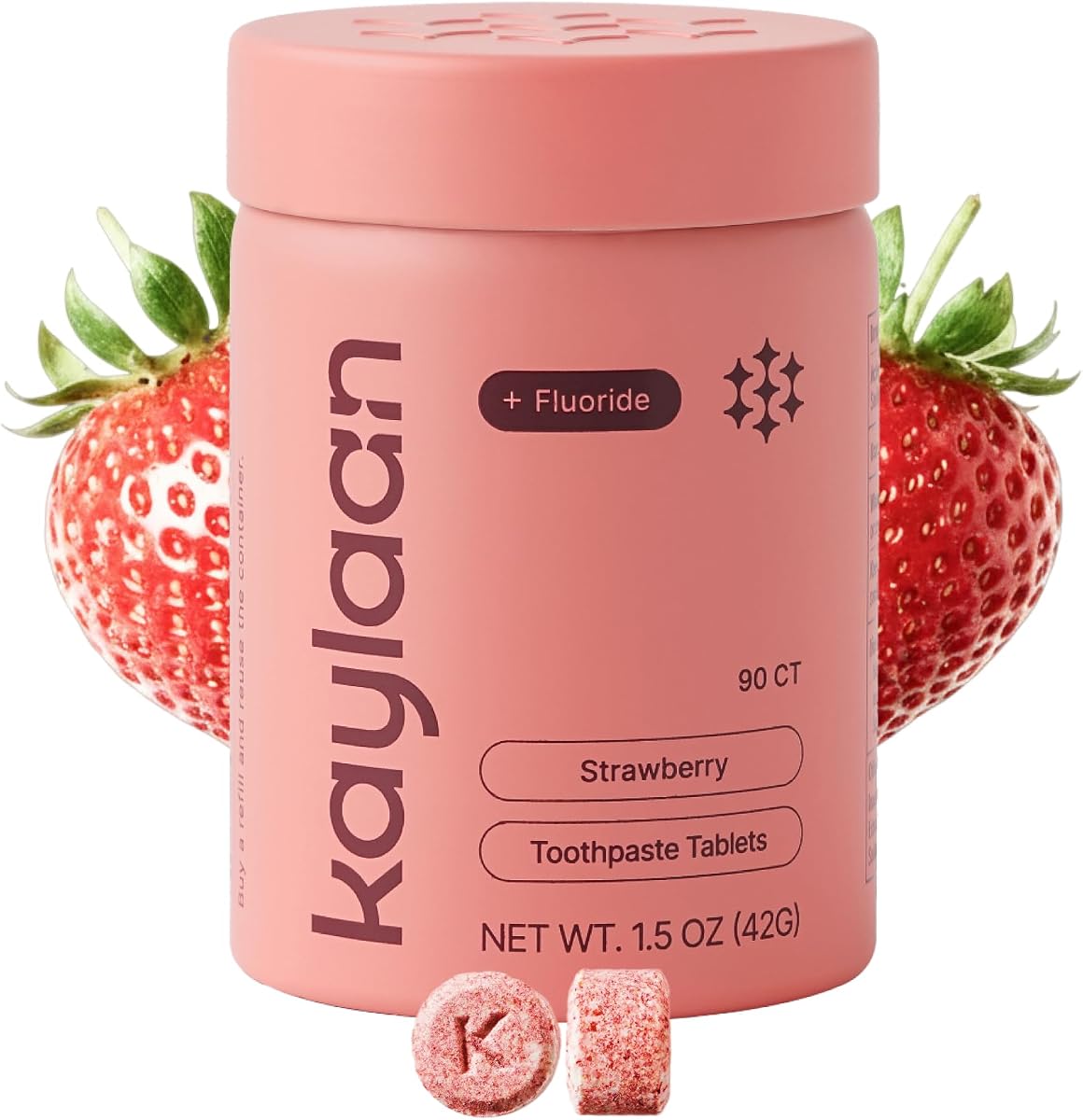
A zero-waste oral care system consisting of fluoride-free tablets in a refillable glass jar, featuring ingredients sourced from ethical Eastern European partners.

A high-potency, carbon-extracted rosehip oil designed specifically for sensitive skin, backed by rigorous B Corp standards and organic agricultural sourcing.
More on Fairy
Is Fairy ethical? FAQs
Is Fairy cruelty-free?+
P&G does not test on animals unless required by law; Fairy is sold in China where animal testing is mandatory for imported household goods.
Does Fairy have vegan products?+
No certified vegan range; most formulations likely vegan but not labeled as such.
Does Fairy sell in mainland China?+
Selling through mainland Chinese retail has historically triggered post-market animal testing.
What is Fairy's ethics score?+
We don't score any Fairy products yet, so there is no ethics score. The signals above come from the brand profile and the sources listed on this page.
What are the best alternatives to Fairy?+
Higher-scoring alternatives include Dr. Bronner's 18-in-1 Pure-Castile Soap (Travel Size) by Dr. Bronner's, RSPO-Segregated Organic Intimate Care & Menstrual Set by &SISTERS, Dr. Bronner's Pure-Castile Liquid Soap (Peppermint) by Dr. Bronner's.