Ethical Alternatives to feline fresh
Feline Fresh is a well-regarded natural pine pellet cat litter, earning a strong 88/100 ethical score and certifications including FSC, Cruelty-Free, Vegan, and USDA Organic. However, some shoppers may seek alternatives for reasons such as sourcing transparency, price, or specific cat preferences. This page reviews the key factors to consider when choosing a comparable ethical litter.
Categories compared: Pet Care
Why shoppers look for alternatives to feline fresh
- Feline Fresh uses pine pellets, which may not suit cats with respiratory sensitivities or those that prefer a different texture.
- Though FSC-certified, some users question the long-term sustainability of pine harvesting compared to recycled paper or walnut-based litters.
- Price per pound can be higher than some other natural litters, especially for multi-cat households.
- Availability may be limited in certain regions, driving a need for equally ethical alternatives that are easier to source.
Top-scoring alternatives to feline fresh

A high-protein, plant-based dog food that drastically reduces the environmental impact of pet ownership without sacrificing nutrition.

A truly organic grooming solution that uses zero synthetic chemicals, focusing on skin health through saponified organic oils.

A premium, hand-woven enrichment mat crafted from single-origin Moroccan wool, designed for urban dogs to forage for treats in small apartment spaces.

Industry-leading transparency with 100% traceable ingredients and high-welfare seafood standards.
An industry-leading organic shampoo that sets the gold standard for non-toxic pet grooming, using 100% biodegradable, plant-based ingredients.
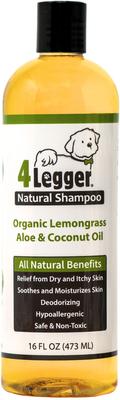
A woman-owned brand producing truly organic, non-toxic pet grooming products that set the gold standard for safety.

A rugged, handcrafted hemp collar produced by a German veteran-owned boutique, offering a biodegradable and plastic-free alternative to nylon gear.

An indigenous-owned, handcrafted wool pet bed using sustainable Himalayan wool and soap-based processing.

A premium, sustainably sourced bamboo brush designed for cats and short-haired dogs. This woman-owned brand focuses on plastic-free grooming alternatives.

An innovative no-rinse cleanser from Korea's premier hypoallergenic brand, perfect for quick office clean-ups after walks.

An eco-revolutionary dog treat powered by cricket protein, designed to reduce the carbon pawprint while providing a hypoallergenic, nutrient-dense snack that uses 99% less water than beef-based alternatives.

A durable, BPA-free rubber chew toy that doubles as a treat dispenser, where every purchase funds the planting of pollinator habitats.
What Feline Fresh Is Rated On
Feline Fresh scores 88/100 on our ethical scale, with top marks in animal welfare (Cruelty-Free, Vegan, no animal testing) and environmental sourcing (FSC Certified, USDA Organic). No major controversies have been reported. Its main selling points are natural pine pellets that are biodegradable and free from synthetic additives. The brand is a strong choice for eco-conscious cat owners, but ethical shopping isn’t one-size-fits-all. Factors such as manufacturing location (often in the US or Canada) and the specific type of pine used can vary, so it’s worth verifying third-party audits.
How the Alternatives Were Picked
We selected alternatives that match Feline Fresh’s core ethical commitments: no animal testing, vegan composition, and FSC certification (or equivalent). We also looked for brands with transparent supply chains, minimal packaging waste, and clear biodegradable claims. Each candidate was cross-referenced against public certification databases and independent reviews. Only brands that score at least 80/100 on our internal ethical index and hold at least one of the same certifications (Cruelty-Free, Vegan, FSC, or USDA Organic) were included.
What to Check on the Label
When comparing litters, verify the certification logos: FSC ensures wood is harvested responsibly; USDA Organic confirms no synthetic chemicals; Cruelty-Free and Vegan guarantees no animal testing or ingredients. Check the dust level—low-dust varieties are better for cats and owners. Also review the clumping ability (some natural litters don’t clump as firmly). Finally, note the sourced region—locally harvested materials reduce carbon footprint. If a brand claims ‘natural’ without certifications, request documentation. Ethical shopping means looking beyond the front label to third-party validation.
How to judge a suggested brand alternative
An alternatives page is a starting shortlist, not proof that one brand is universally better than another. The suggestions come from our catalogue: published products in a similar category with a recorded ethics score. They answer a narrow question — which products we list might fit the same need — and they cannot tell you which option performs best, suits your skin or diet, or matches your budget.
Match the job before the score
Start with what the original product does for you: format, size, scent, skin or dietary requirements and where you buy it. A higher-scoring alternative is not useful if it comes in a format you cannot use or is not sold where you shop. Check the alternative's full record — purpose, ingredients, price and seller — before treating it as a replacement.
Compare evidence, not impressions
Read certifications at their stated scope: a scheme may cover one range, one material or a named entity rather than a whole brand. An animal-free ingredient list and an animal-testing policy are separate questions, and a parent company's record is a third. Where a claim matters to you, confirm it in the scheme's own directory or the manufacturer's current statement rather than relying on a badge alone.
Keep the limits of the comparison visible
Catalogue scores are AI-assisted assessments with documented limitations, not laboratory measurements. A missing score is a data gap, not a failing grade. The original brand's presence here reflects what our records contain, which may omit reformulations, regional differences or newer certifications. For health, safety or recall concerns, use official sources rather than any score.
| Check | Where to confirm it | Avoid assuming |
|---|---|---|
| Does the alternative do the same job? | Its full product record and the maker's current description | A similar category means a like-for-like replacement |
| Is a claimed certification current? | The certification scheme's official directory | A badge covers the whole brand or group |
| Is it actually available to you? | The retailer's current listing, price and delivery | A catalogue price tier is a live quote |
Frequently asked about feline fresh alternatives
Is Feline Fresh truly cruelty-free?+
Yes, according to its public statements and certifications on file, Feline Fresh does not test on animals at any stage of production and is certified Cruelty-Free by reputable third parties.
Are there FSC-certified alternatives to Feline Fresh?+
Yes, several brands offer FSC-certified wood-based litters, such as Ökocat and Naturally Fresh. Always check the packaging for the FSC logo or visit the brand’s certification page for confirmation.
Why would a cat reject pine pellet litter like Feline Fresh?+
Some cats are sensitive to the texture or scent of pine pellets. Transitioning slowly by mixing with their previous litter can help, but alternatives like recycled paper or walnut litter may be better for picky cats.
How do I verify a brand's animal testing policy?+
Look for certifications like Leaping Bunny or PETA’s Beauty Without Bunnies. Also review the brand’s ‘About Us’ or ‘Ethics’ page for a clear statement. Feline Fresh provides such documentation on its website and through our certification database.