Ethical Alternatives to Friskies
Friskies, owned by Nestlé Purina PetCare, is a widely available budget pet food brand. However, it lacks major ethical certifications, does not disclose its animal testing policy, and has limited sustainability commitments, making it a low priority for ethically conscious shoppers. This page highlights independently verified alternatives that prioritize animal welfare, transparency, and environmental responsibility.
Categories compared: Pet Care
Why shoppers look for alternatives to Friskies
- No ethical certifications: Friskies carries no certifications from recognized bodies like USDA Organic, Non-GMO Project, or Rainforest Alliance.
- Animal testing concerns: Nestlé Purina conducts feeding trials on live animals but does not publish a formal policy against animal testing, raising welfare questions.
- Limited sustainability: The brand has no public commitments to carbon reduction, recyclable packaging, or sustainable ingredient sourcing.
- Mass-market sourcing: Friskies uses unnamed meat meals and by-products, with ingredient sourcing details not independently verified for ethical standards.
Top-scoring alternatives to Friskies

A high-protein, plant-based dog food that drastically reduces the environmental impact of pet ownership without sacrificing nutrition.

A truly organic grooming solution that uses zero synthetic chemicals, focusing on skin health through saponified organic oils.

A premium, hand-woven enrichment mat crafted from single-origin Moroccan wool, designed for urban dogs to forage for treats in small apartment spaces.

Industry-leading transparency with 100% traceable ingredients and high-welfare seafood standards.
An industry-leading organic shampoo that sets the gold standard for non-toxic pet grooming, using 100% biodegradable, plant-based ingredients.
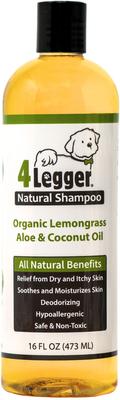
A woman-owned brand producing truly organic, non-toxic pet grooming products that set the gold standard for safety.

A rugged, handcrafted hemp collar produced by a German veteran-owned boutique, offering a biodegradable and plastic-free alternative to nylon gear.

An indigenous-owned, handcrafted wool pet bed using sustainable Himalayan wool and soap-based processing.

A premium, sustainably sourced bamboo brush designed for cats and short-haired dogs. This woman-owned brand focuses on plastic-free grooming alternatives.

An innovative no-rinse cleanser from Korea's premier hypoallergenic brand, perfect for quick office clean-ups after walks.

An eco-revolutionary dog treat powered by cricket protein, designed to reduce the carbon pawprint while providing a hypoallergenic, nutrient-dense snack that uses 99% less water than beef-based alternatives.

A durable, BPA-free rubber chew toy that doubles as a treat dispenser, where every purchase funds the planting of pollinator habitats.
What Friskies is rated on
Friskies is a mass-market pet food brand under Nestlé Purina PetCare. It has no third-party ethical certifications (e.g., USDA Organic, Non-GMO Project, Fair Trade, or B Corp). The company does not disclose a formal policy against animal testing; instead, Nestlé Purina conducts feeding trials on live animals as part of quality control. Sustainability commitments are minimal—no public goals for carbon neutrality, recyclable packaging, or traceable ingredients. As a result, Friskies ranks low for shoppers prioritizing animal welfare, transparency, or environmental impact.
How the alternatives were picked
We evaluated alternatives based on three criteria: certifications (e.g., AAFCO compliance alone is not enough—look for USDA Organic, Non-GMO Project Verified, Marine Stewardship Council, or B Corp status), animal testing policy (brands that explicitly state no animal testing, or rely solely on laboratory analysis), and sustainability commitments (published carbon reduction targets, recyclable or biodegradable packaging, and transparent ingredient sourcing). Brands that meet at least two of these three criteria were included.
What to check on the label
When choosing an ethical alternative to Friskies, read the ingredient panel for named protein sources (e.g., "chicken meal" vs. "poultry by-product meal"). Look for certifications on the front or back of the package: USDA Organic ensures no synthetic pesticides, Non-GMO Project Verified excludes genetically engineered ingredients, and Marine Stewardship Council certifies sustainable seafood. Check the brand’s website for a published animal testing policy—some smaller brands explicitly state they do not conduct feeding trials on live animals. Also review packaging claims: "recyclable" or "FSC-certified" paper/plastic indicates a sustainability effort. Finally, confirm if the brand discloses its supply chain audit, such as third-party welfare audits (e.g., Global Animal Partnership).
How to judge a suggested brand alternative
An alternatives page is a starting shortlist, not proof that one brand is universally better than another. The suggestions come from our catalogue: published products in a similar category with a recorded ethics score. They answer a narrow question — which products we list might fit the same need — and they cannot tell you which option performs best, suits your skin or diet, or matches your budget.
Match the job before the score
Start with what the original product does for you: format, size, scent, skin or dietary requirements and where you buy it. A higher-scoring alternative is not useful if it comes in a format you cannot use or is not sold where you shop. Check the alternative's full record — purpose, ingredients, price and seller — before treating it as a replacement.
Compare evidence, not impressions
Read certifications at their stated scope: a scheme may cover one range, one material or a named entity rather than a whole brand. An animal-free ingredient list and an animal-testing policy are separate questions, and a parent company's record is a third. Where a claim matters to you, confirm it in the scheme's own directory or the manufacturer's current statement rather than relying on a badge alone.
Keep the limits of the comparison visible
Catalogue scores are AI-assisted assessments with documented limitations, not laboratory measurements. A missing score is a data gap, not a failing grade. The original brand's presence here reflects what our records contain, which may omit reformulations, regional differences or newer certifications. For health, safety or recall concerns, use official sources rather than any score.
| Check | Where to confirm it | Avoid assuming |
|---|---|---|
| Does the alternative do the same job? | Its full product record and the maker's current description | A similar category means a like-for-like replacement |
| Is a claimed certification current? | The certification scheme's official directory | A badge covers the whole brand or group |
| Is it actually available to you? | The retailer's current listing, price and delivery | A catalogue price tier is a live quote |
Frequently asked about Friskies alternatives
Does Friskies test on animals?+
Nestlé Purina, Friskies' parent company, conducts feeding trials on live animals as part of its product development and quality control. The company does not publish a formal policy against animal testing, so it is not considered cruelty-free by independent standards.
What certifications does Friskies have?+
Friskies has no major ethical certifications. It is not USDA Organic, Non-GMO Project Verified, Fair Trade, or B Corp certified. The brand does meet AAFCO standards for nutritional adequacy, but that is a regulatory baseline, not an ethical certification.
What should I look for in an ethical pet food brand?+
Seek brands with at least one of these certifications: USDA Organic, Non-GMO Project Verified, Marine Stewardship Council, or B Corp. Additionally, verify a published no-animal-testing policy and clear sustainability commitments, such as carbon-neutral goals or recyclable packaging.
Are there budget-friendly ethical alternatives to Friskies?+
Yes, some ethical brands are competitively priced. For example, Tasmanian Pet Foods and Open Farm offer certified options with transparent sourcing at moderate costs. Compare per-pound prices and look for subscription discounts to offset the difference with Friskies.