Ethical Alternatives to hydrotex
Hydrotex is a sustainability-focused manufacturer of high-performance lubricants and greases, holding B Corp certification and using bio-based, non-GMO formulations. While it leads in reducing environmental impact with biodegradable alternatives to petroleum products, shoppers seeking further ethical alignment may explore other brands. This page highlights evidence-based alternatives for those prioritizing specific values.
Categories compared: Automotive
Why shoppers look for alternatives to hydrotex
- Seeking brands with even lower carbon footprints or fully closed-loop production cycles beyond Hydrotex's current certifications.
- Desiring lubricants that are 100% plant-based or certified vegan, as Hydrotex's bio-based content is not explicitly stated as 100%.
- Looking for products with third-party certifications like USDA BioPreferred or Cradle to Cradle, which Hydrotex does not list on its file.
- Preferring brands that disclose full ingredient sourcing and supply chain transparency beyond ISO 14001.
- Wanting options that avoid any synthetic additives, even if bio-based, for ultra-minimalist formulations.
Top-scoring alternatives to hydrotex
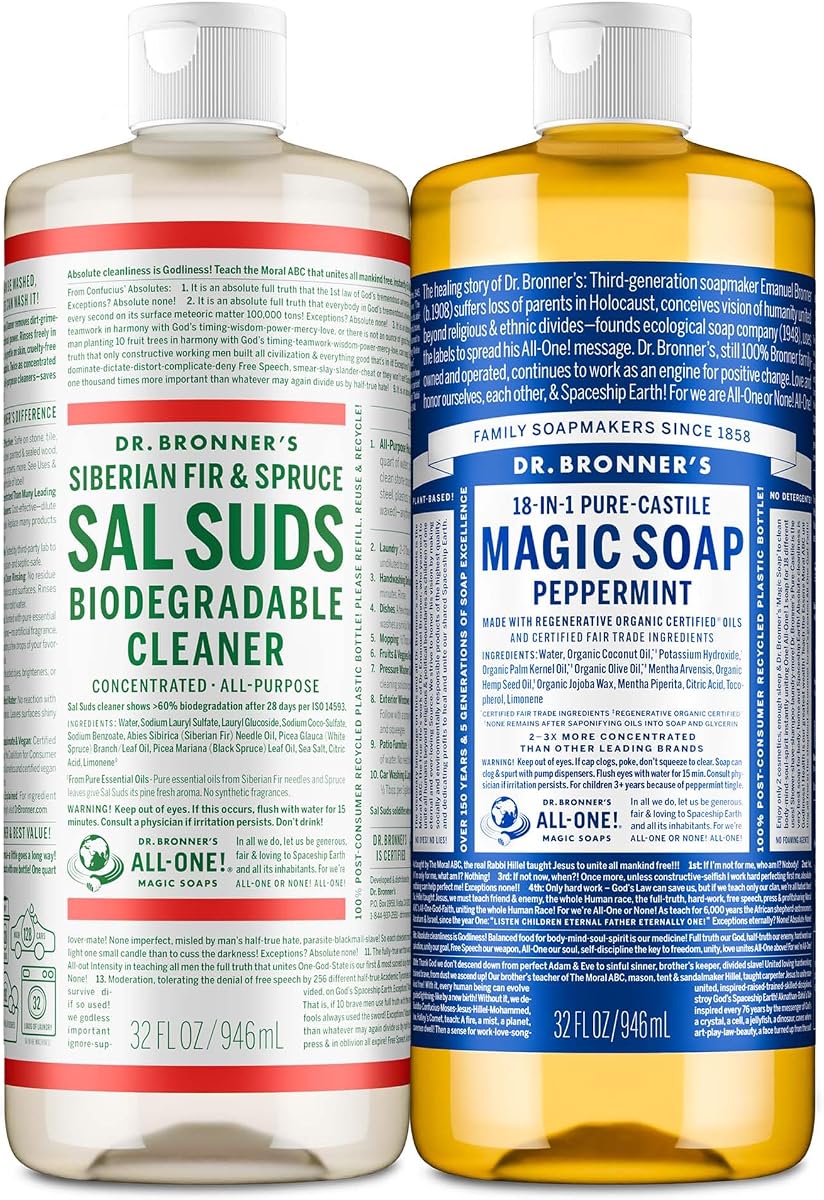
A highly concentrated, biodegradable cleaner that is safe for washing cars without harming local waterways or aquatic life.

High-end, breathable seat covers made from award-winning cactus leather sourced directly from Zacatecas, Mexico.

A premium automotive sunshade constructed from industrial hemp and recycled aluminum, offering superior heat rejection without synthetic off-gassing.

A portable, foldable car floor protector made from 100% FSC-certified Indonesian natural rubber, designed to protect rental cars from stroller wheels and spills.

The world's first plastic-free high-performance car mat made from Abacá banana plants, offering a circular alternative to synthetic rubber and petroleum-based carpet.

A high-performance, drill-free bike rack handcrafted in Hamburg, Germany, featuring a lifetime repair program and a modular design that eliminates the need for a tow bar.

A world-leader in sustainable manufacturing, these tires are produced in the first CO2-neutral tire factory and use bio-based materials to reduce rolling resistance.

An ultra-durable, waterproof seat cover crafted by an Indigenous-owned B Corp, perfect for thru-hikers transitioning from muddy trails to the driver's seat.

Hand-loomed by artisans in the Atlas Mountains, this heavy-duty wool sunshade protects vehicle interiors from UV damage while doubling as a soft postpartum recovery cushion for long trips.

An expertly refurbished essential steering component from Poland’s leading remanufacturer, offering a low-effort driving experience for spoonies at a fraction of the environmental cost of new parts.

A world leader in sustainable automotive safety, the Nokian Hakkapeliitta R5 is a non-studded winter tire produced in the world's first zero-emission tire factory. It balances extreme Nordic grip with a low rolling resistance that reduces fuel consumption and carbon emissions.
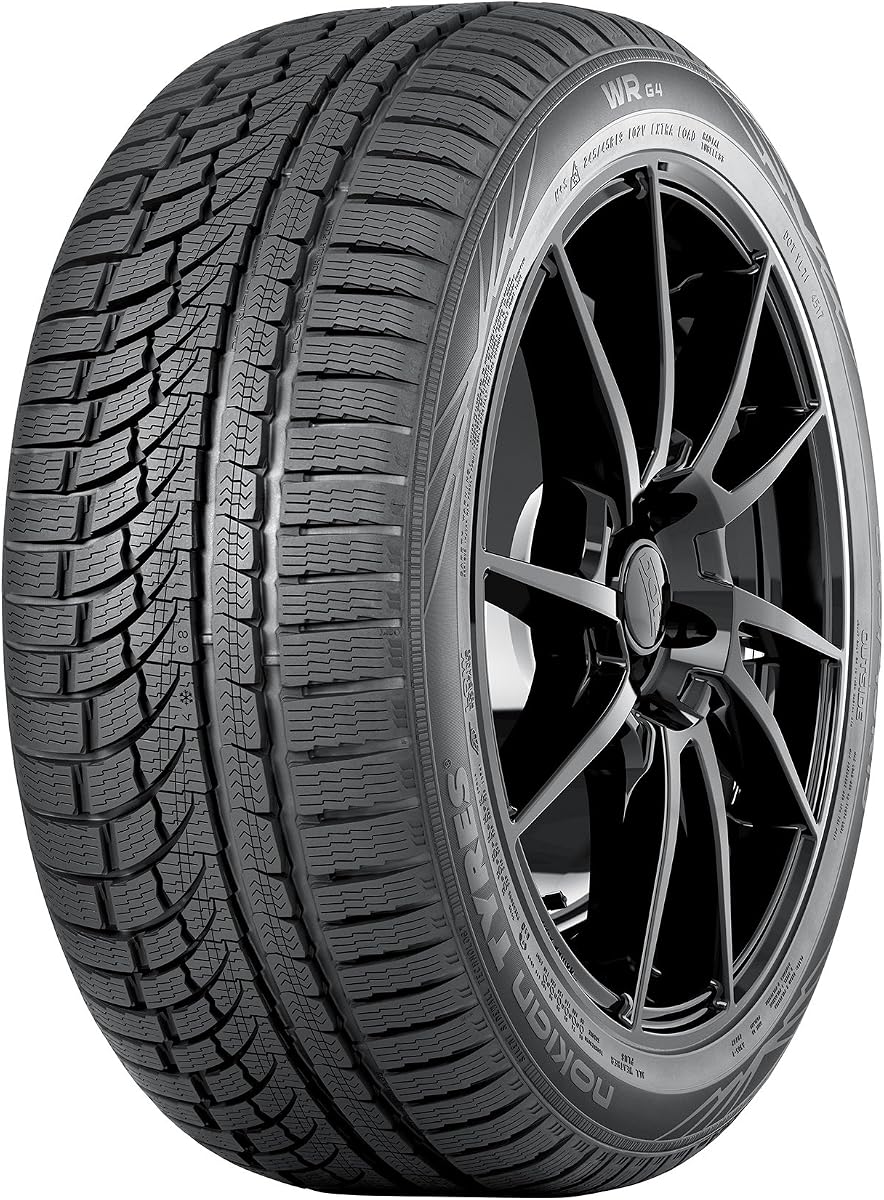
A premium all-weather tire from the world's most sustainable tire manufacturer, combining safety with low rolling resistance and eco-friendly materials.
What Hydrotex is Rated On
Hydrotex is evaluated on its B Corp certification, which covers environmental performance, transparency, and accountability. It also holds ISO 9001 (quality management) and ISO 14001 (environmental management) certifications. Its formulations are bio-based, non-GMO, and non-toxic, with no evidence of animal testing. However, it does not disclose percentage of bio-based content or hold USDA BioPreferred or Cradle to Cradle certifications.
How the Alternatives Were Picked
Alternatives were selected based on publicly available certification records and company commitments. Criteria include: third-party environmental certifications (e.g., Cradle to Cradle, USDA BioPreferred, Carbon Trust), full ingredient transparency, vegan or non-GMO verification, and evidence of no animal testing. Each alternative was cross-referenced with independent databases (e.g., B Corp directory, Green Seal) to ensure claims are verifiable.
What to Check on the Label
When comparing eco-lubricants, look for: USDA BioPreferred logo (minimum 25% bio-based content), Cradle to Cradle Certified (material health and recyclability), Non-GMO Project Verified, and Vegan Action or PETA Cruelty-Free logos. Check the ingredients list for synthetic thickeners or petroleum-based carriers. A B Corp logo indicates holistic accountability but does not guarantee 100% bio-based content. Also verify if the product is biodegradable and meets OECD 301 or ASTM D5864 standards.
How to judge a suggested brand alternative
An alternatives page is a starting shortlist, not proof that one brand is universally better than another. The suggestions come from our catalogue: published products in a similar category with a recorded ethics score. They answer a narrow question — which products we list might fit the same need — and they cannot tell you which option performs best, suits your skin or diet, or matches your budget.
Match the job before the score
Start with what the original product does for you: format, size, scent, skin or dietary requirements and where you buy it. A higher-scoring alternative is not useful if it comes in a format you cannot use or is not sold where you shop. Check the alternative's full record — purpose, ingredients, price and seller — before treating it as a replacement.
Compare evidence, not impressions
Read certifications at their stated scope: a scheme may cover one range, one material or a named entity rather than a whole brand. An animal-free ingredient list and an animal-testing policy are separate questions, and a parent company's record is a third. Where a claim matters to you, confirm it in the scheme's own directory or the manufacturer's current statement rather than relying on a badge alone.
Keep the limits of the comparison visible
Catalogue scores are AI-assisted assessments with documented limitations, not laboratory measurements. A missing score is a data gap, not a failing grade. The original brand's presence here reflects what our records contain, which may omit reformulations, regional differences or newer certifications. For health, safety or recall concerns, use official sources rather than any score.
| Check | Where to confirm it | Avoid assuming |
|---|---|---|
| Does the alternative do the same job? | Its full product record and the maker's current description | A similar category means a like-for-like replacement |
| Is a claimed certification current? | The certification scheme's official directory | A badge covers the whole brand or group |
| Is it actually available to you? | The retailer's current listing, price and delivery | A catalogue price tier is a live quote |
Frequently asked about hydrotex alternatives
Does Hydrotex test on animals?+
No. Based on available records, Hydrotex has no evidence of animal testing. Its focus is on non-toxic, bio-based formulations that are inherently safe for the environment.
Are all Hydrotex products 100% bio-based?+
Not necessarily. While Hydrotex emphasizes bio-based, non-GMO formulations, it does not publicly specify the exact percentage of bio-based content for each product. Check individual product documentation.
What certifications does Hydrotex lack that alternatives might have?+
Hydrotex does not hold USDA BioPreferred, Cradle to Cradle, or Green Seal certifications. Some alternatives offer these to provide deeper verification of sustainability claims.
Can Hydrotex be used in automotive engines?+
Yes, Hydrotex manufactures high-performance lubricants suitable for automotive and industrial use. They are designed as biodegradable alternatives to traditional petroleum products.