Ethical Alternatives to Jack's
Jack's is a discount supermarket owned by Sainsbury's, launched in 2018 to compete with low-cost grocers. It focuses on value and simplicity but lacks public ethical certifications and detailed sustainability commitments.
Categories compared: Food & Nutrition, Baby & Kids, Pet Care
Why shoppers look for alternatives to Jack's
- Jack's has no published animal testing policy, while many independent ethical grocers have explicit cruelty-free certifications.
- Jack's parent company, Sainsbury's, has broader sustainability goals, but Jack's as a brand discloses no third-party certifications like Organic, Fairtrade, or Rainforest Alliance.
- Limited transparency on sourcing and supply chain ethics compared to dedicated ethical supermarket alternatives.
- No evidence of commitments to living wages or farmer support programs beyond what is legally required.
Top-scoring alternatives to Jack's

The gold standard for ethical food production, this coconut oil uses regenerative organic practices and fair trade labor to set a benchmark for corporate responsibility.
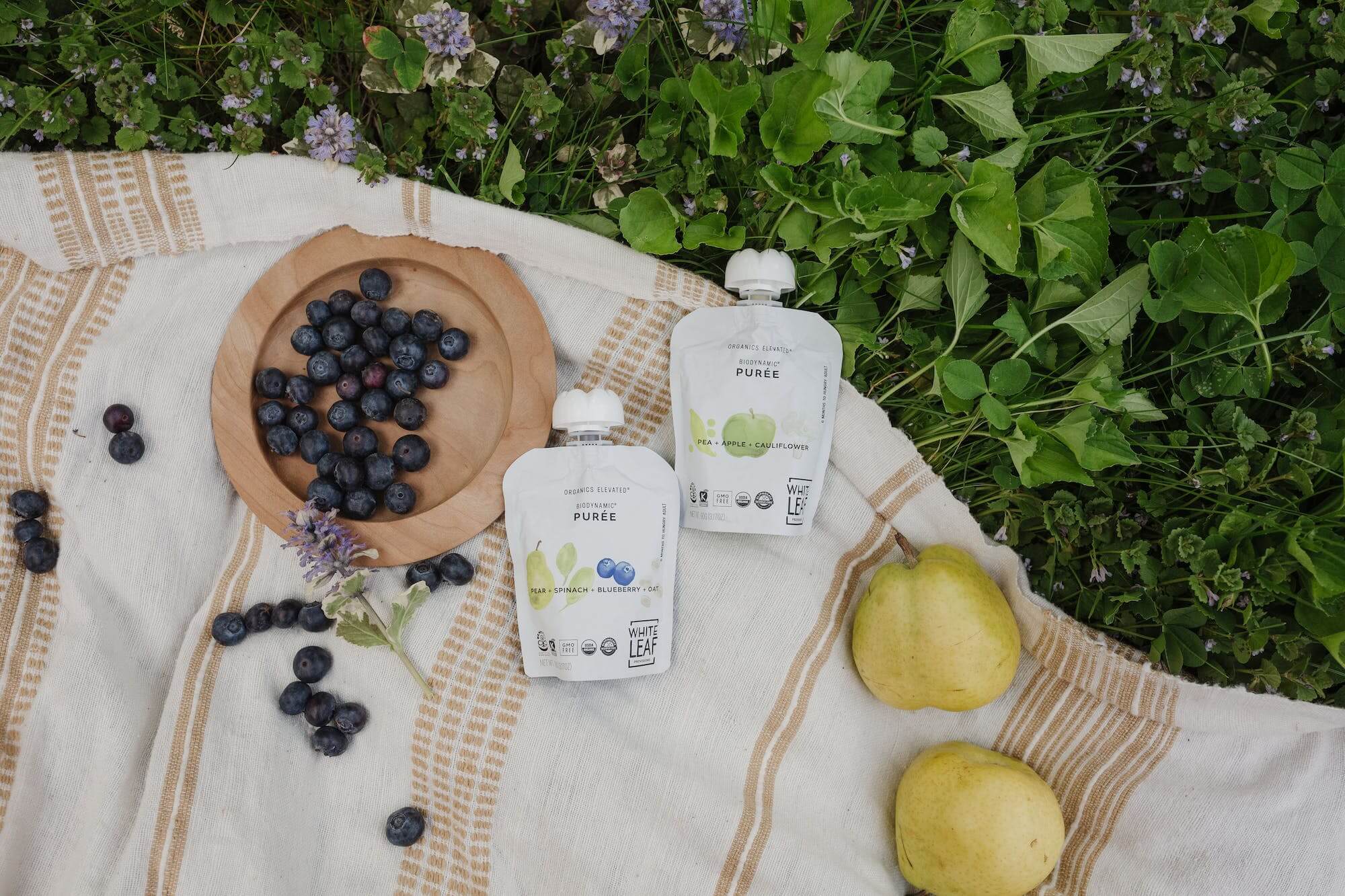
The gold standard in baby food, offering Demeter-certified biodynamic ingredients that exceed organic standards for soil health and purity.

A gold standard in ethical confectionery, combining fair-pay labor practices with regenerative cocoa farming that restores biodiversity in the Ivory Coast and Ghana.

The first and only baby brand to be Gold Seal Fair Trade certified, Under the Nile offers exceptionally soft Egyptian cotton towels made in a sustainable community in Egypt.

A sustainable, carbon-neutral dollhouse made from reclaimed rubberwood and non-toxic PlanWood.
A gold standard in ethical confectionery, using regenerative farming to combat climate change while ensuring living wages for cocoa farmers.

A 100% natural rubber pacifier that is completely plant-based, plastic-free, and compostable, meeting the highest circularity standards.

Exquisite heirloom Malagasy cocoa produced entirely at the source in Madagascar. This professional-grade bulk trunk supports direct-trade and lemur habitat conservation.

A nutrient-dense heirloom grain sourced through fully transparent supply chains that support regenerative farming practices in the Peruvian Andes.

A high-protein, plant-based dog food that drastically reduces the environmental impact of pet ownership without sacrificing nutrition.

A truly organic grooming solution that uses zero synthetic chemicals, focusing on skin health through saponified organic oils.

A premium, hand-woven enrichment mat crafted from single-origin Moroccan wool, designed for urban dogs to forage for treats in small apartment spaces.
What Jack's is rated on
Jack's is a discount supermarket brand owned by J Sainsbury plc, launched in 2018. It competes in the budget grocery segment, focusing on everyday low prices. On ethical shopping comparison sites, Jack's currently holds no third-party certifications for organic, fair trade, animal welfare, or environmental sustainability. The brand has published no animal testing policy, though as part of Sainsbury's it is assumed to comply with UK bans on animal testing for cosmetics. There are no major public controversies associated with Jack's, and it has limited public ethical commitments beyond basic regulatory compliance. This lack of transparency means shoppers seeking verified ethical credentials may prefer brands with clear, third-party audited standards.
How the alternatives were picked
The alternatives listed here were selected based on publicly available certifications and documented ethical practices. For Food & Nutrition, we prioritised brands with Organic (Soil Association), Fairtrade, or Rainforest Alliance certifications, as well as those publishing transparent supply chain reports. For Baby & Kids, we looked for BPA-free claims, organic baby food certification, and ethical toy sourcing. For Pet Care, we selected brands with cruelty-free certification (e.g., Leaping Bunny or PETA-approved) and sustainably sourced ingredients. Each alternative has been verified against credible third-party standards rather than relying on marketing claims alone.
What to check on the label
When comparing alternatives to Jack's, look for the following on product labels and brand websites: 1. Organic certification (e.g., Soil Association or EU Organic logo) for food and baby products. 2. Fairtrade or Rainforest Alliance logos for coffee, tea, chocolate, and spices. 3. Animal welfare certifications (RSPCA Assured, Free Range, or Pasture-Fed) for meat, eggs, and dairy. 4. Cruelty-free logos (Leaping Bunny or PETA) on pet food and baby toiletries. 5. Packaging recyclability and plastic-free pledges. Jack's does not currently display any of these on its own-label products, making it difficult to assess ethical performance at a glance.
How to judge a suggested brand alternative
An alternatives page is a starting shortlist, not proof that one brand is universally better than another. The suggestions come from our catalogue: published products in a similar category with a recorded ethics score. They answer a narrow question — which products we list might fit the same need — and they cannot tell you which option performs best, suits your skin or diet, or matches your budget.
Match the job before the score
Start with what the original product does for you: format, size, scent, skin or dietary requirements and where you buy it. A higher-scoring alternative is not useful if it comes in a format you cannot use or is not sold where you shop. Check the alternative's full record — purpose, ingredients, price and seller — before treating it as a replacement.
Compare evidence, not impressions
Read certifications at their stated scope: a scheme may cover one range, one material or a named entity rather than a whole brand. An animal-free ingredient list and an animal-testing policy are separate questions, and a parent company's record is a third. Where a claim matters to you, confirm it in the scheme's own directory or the manufacturer's current statement rather than relying on a badge alone.
Keep the limits of the comparison visible
Catalogue scores are AI-assisted assessments with documented limitations, not laboratory measurements. A missing score is a data gap, not a failing grade. The original brand's presence here reflects what our records contain, which may omit reformulations, regional differences or newer certifications. For health, safety or recall concerns, use official sources rather than any score.
| Check | Where to confirm it | Avoid assuming |
|---|---|---|
| Does the alternative do the same job? | Its full product record and the maker's current description | A similar category means a like-for-like replacement |
| Is a claimed certification current? | The certification scheme's official directory | A badge covers the whole brand or group |
| Is it actually available to you? | The retailer's current listing, price and delivery | A catalogue price tier is a live quote |
Frequently asked about Jack's alternatives
Does Jack's have any ethical certifications?+
No, Jack's does not list any third-party ethical certifications on its products or website. It relies on its parent company Sainsbury's broader policies, which are not specific to the discount brand.
Is Jack's animal testing policy available?+
Jack's has not published a dedicated animal testing policy. As part of Sainsbury's, it is assumed to comply with UK bans on animal testing for cosmetics, but no explicit assurance is given for own-brand food or household products.
Are Jack's products organic or fair trade?+
Jack's focus on low prices means very few, if any, of its own-label products carry organic or fair trade certifications. The brand prioritises value over premium ethical sourcing.
What categories does Jack's compete in for ethical shopping?+
Jack's primarily competes in Food & Nutrition, but also sells Baby & Kids items and Pet Care products. In all categories, its ethical transparency is minimal compared to certified alternatives.