Ethical Alternatives to King Arthur Baking
King Arthur Baking Company is a 100% employee-owned B Corporation with a legacy dating back to 1790, known for its non-GMO, high-quality flours and baking mixes. It holds strong certifications including B Corp, Non-GMO Project Verified, Organic (CCOF), and Carbon Neutral on select products, with no animal testing or major controversies. However, some shoppers seek alternatives due to price, availability, or preference for smaller-scale or different ownership structures.
Categories compared: Food & Nutrition, Kitchen & Dining, Gifts & Seasonal
Why shoppers look for alternatives to King Arthur Baking
- Price point: King Arthur products are often premium-priced, and budget-conscious shoppers may find comparable organic flours at lower cost from other certified brands.
- Regional sourcing: Some shoppers prefer flours milled from locally grown grains within their region, which King Arthur’s national distribution model may not always provide.
- Ownership preference: While employee-owned is a strength, some consumers seek brands owned by cooperatives, farmers’ collectives, or minority-owned businesses for alignment with their values.
- Certification depth: King Arthur’s carbon neutrality applies only to specific products; shoppers wanting full supply-chain carbon neutrality may look elsewhere.
- Product range: For specialized dietary needs (e.g., gluten-free heirloom grains, ancient grains), smaller mills offer variety not matched by King Arthur’s portfolio.
Top-scoring alternatives to King Arthur Baking

The gold standard for ethical food production, this coconut oil uses regenerative organic practices and fair trade labor to set a benchmark for corporate responsibility.

A zero-waste bathroom essential hand-crafted by women's cooperatives, perfect for exfoliating and extending the life of soap.

The gold standard in ethical soap, these travel-sized bottles are perfect for wellness pros on the go, featuring 100% PCR packaging and fair-trade ingredients.
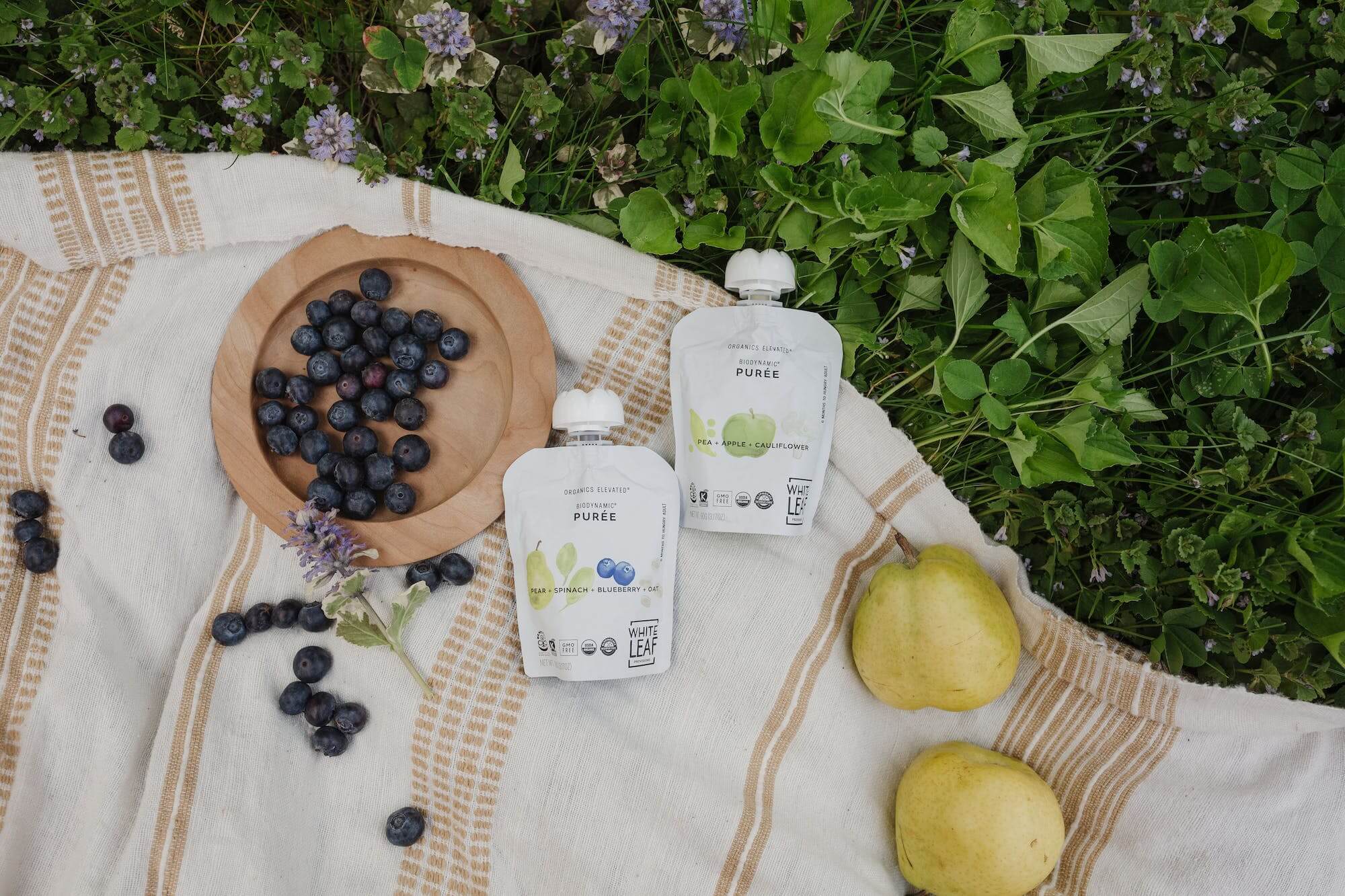
The gold standard in baby food, offering Demeter-certified biodynamic ingredients that exceed organic standards for soil health and purity.

A 100% plastic-free, carbon-neutral glass bottle made in Germany, featuring stunning artist-designed motifs and a swing-top closure.

A gold standard in ethical confectionery, combining fair-pay labor practices with regenerative cocoa farming that restores biodiversity in the Ivory Coast and Ghana.
A gold standard in ethical confectionery, using regenerative farming to combat climate change while ensuring living wages for cocoa farmers.

Exquisite, handcrafted serving utensils made by artisans in Kenya. Each set supports fair wages and preserves traditional woodworking techniques using sustainably harvested olive wood.

Exquisite heirloom Malagasy cocoa produced entirely at the source in Madagascar. This professional-grade bulk trunk supports direct-trade and lemur habitat conservation.

A nutrient-dense heirloom grain sourced through fully transparent supply chains that support regenerative farming practices in the Peruvian Andes.

Exquisite hand-woven table linens designed by a Brooklyn-based Ethiopian-American designer and crafted by artisans in Ethiopia using GOTS-certified organic cotton.

A high-quality, reusable alternative to disposable paper towels, handmade in Oregon from sustainable materials to drastically reduce household waste.
What King Arthur Baking is rated on
King Arthur Baking is evaluated on ownership, certifications, and environmental impact. It is a 100% employee-owned B Corporation with certifications including B Corp (overall social/environmental standards), Non-GMO Project Verified, Organic (CCOF), and Certified Carbon Neutral on specific product lines. The company does not conduct or commission animal testing. Its sourcing is transparent, and it has no recorded controversies.
How the alternatives were picked
Alternatives were selected based on public certification records, ownership structures, and product availability in the same categories: Food & Nutrition, Kitchen & Dining, and Gifts & Seasonal. Each alternative meets at least one of the following criteria: organic certification (USDA or CCOF), non-GMO verification, smaller-scale or cooperative ownership, or a strong local/regional sourcing model. We excluded brands with major controversies or insufficient third-party evidence of ethical practices.
What to check on the label
When comparing alternatives, look for these key markers: Organic certification (USDA Organic or CCOF) ensures no synthetic pesticides or GMOs. Non-GMO Project Verified confirms no genetically modified ingredients. B Corporation certification indicates social and environmental accountability. Carbon neutral certification (e.g., Climate Neutral) on specific products shows climate commitments. For flour, check milling origin and grain source — local or regional mills often reduce transportation emissions. Also verify animal testing policy (ensuring no testing on finished products). Finally, examine ownership structure — employee-owned, cooperative, or farmer-owned models offer different ethical priorities.
How to judge a suggested brand alternative
An alternatives page is a starting shortlist, not proof that one brand is universally better than another. The suggestions come from our catalogue: published products in a similar category with a recorded ethics score. They answer a narrow question — which products we list might fit the same need — and they cannot tell you which option performs best, suits your skin or diet, or matches your budget.
Match the job before the score
Start with what the original product does for you: format, size, scent, skin or dietary requirements and where you buy it. A higher-scoring alternative is not useful if it comes in a format you cannot use or is not sold where you shop. Check the alternative's full record — purpose, ingredients, price and seller — before treating it as a replacement.
Compare evidence, not impressions
Read certifications at their stated scope: a scheme may cover one range, one material or a named entity rather than a whole brand. An animal-free ingredient list and an animal-testing policy are separate questions, and a parent company's record is a third. Where a claim matters to you, confirm it in the scheme's own directory or the manufacturer's current statement rather than relying on a badge alone.
Keep the limits of the comparison visible
Catalogue scores are AI-assisted assessments with documented limitations, not laboratory measurements. A missing score is a data gap, not a failing grade. The original brand's presence here reflects what our records contain, which may omit reformulations, regional differences or newer certifications. For health, safety or recall concerns, use official sources rather than any score.
| Check | Where to confirm it | Avoid assuming |
|---|---|---|
| Does the alternative do the same job? | Its full product record and the maker's current description | A similar category means a like-for-like replacement |
| Is a claimed certification current? | The certification scheme's official directory | A badge covers the whole brand or group |
| Is it actually available to you? | The retailer's current listing, price and delivery | A catalogue price tier is a live quote |
Frequently asked about King Arthur Baking alternatives
Is King Arthur Baking truly ethical?+
Yes, based on public records. It is a 100% employee-owned B Corporation with Non-GMO Project Verified, Organic (CCOF), and partial Carbon Neutral certifications. It has no animal testing and no major controversies.
What are common reasons to choose an alternative to King Arthur?+
Budget constraints (King Arthur is premium-priced), preference for locally milled grains, desire for farmer-owned or cooperative ownership models, or need for gluten-free heirloom grains not in their standard line.
Are there B Corp-certified flour brands besides King Arthur?+
Yes, a few smaller mills have B Corp certification, such as One Degree Organic Foods (certain flours) and some regional mills. Always verify on bcorporation.net as certifications vary by product.
Does King Arthur test on animals?+
No. According to its policy, King Arthur Baking does not conduct or commission animal testing on any of its products.