Is King Arthur Baking ethical and cruelty-free?
Largely yes — we don't stock King Arthur Baking, but 1 of 4 ethics signals we track are verified in its favour, based on its published policies and third-party certifications.
King Arthur Baking Company is a 100% employee-owned B Corporation with a legacy dating back to 1790, known for its non-GMO, high-quality flours and baking mixes, strong sustainability commitments, and transparent sourcing practices with no major controversies on record.
The evidence, signal by signal
Cruelty-freeunverified
King Arthur Baking does not conduct or commission animal testing on any products.
Vegan optionsunverified
Most flours and baking mixes are vegan; check labels for specialty items.
Sells in mainland Chinaverified
The brand does not sell through channels that require mainland China post-market testing.
Third-party certifiedunverified
We don't track any of this brand's products yet, so product-level certifications are unchecked.
Public pledges: Aims to source 100% wheat from regenerative agriculture by 2030, uses 100% renewable electricity, and has carbon-neutral certified products.
Scored with our public methodology. Profile last updated 2026-10-13.
How we reached this verdict on King Arthur Baking
Each signal is built from the product records and certifications we hold for King Arthur Baking, its brand profile and the sources that profile lists. Scores are AI-assisted catalogue assessments, not audits, so check the named certificate or policy before relying on it. Where a claim cannot be confirmed from those records, the signal is marked unclear rather than assumed positive.
How to read this page
Four questions decide most ethical-shopping decisions about a brand like King Arthur Baking. Work through them in order.
- 1Testing: is there third-party cruelty-free certification, and does the brand sell in markets where animal testing can still be required?
- 2Ingredients and materials: vegan formulation is a separate question from cruelty-free, and a brand can be one without the other.
- 3Ownership: a certified brand inside a group that still tests, or that is linked to documented controversies, is a different decision than an independent one.
- 4Packaging and transparency: refills, recycled content and published supplier data are where most brands quietly lose points.
Research notes on King Arthur Baking
Compiled from the brand's own statements and the public sources listed below, last reviewed 2026-10-13. We don't stock King Arthur Baking products, so nothing here is checked against product records.
Overview
Founded in 1790 and headquartered in Norwich, Vermont, King Arthur Baking Company is the oldest flour company in the United States. Since 2004, it has been 100% employee-owned, operating under an Employee Stock Ownership Plan (ESOP). The brand is widely recognized for its commitment to baking education, community outreach, and ethical business practices. King Arthur Baking is a certified B Corporation (since 2007) and a founding member of the American Bakers Association's sustainability initiative. The company sells a range of flours, baking mixes, and ingredients, focusing on non-GMO, high-quality products. Its supply chain emphasizes domestic sourcing (primarily from U.S. farms) and regenerative agriculture partnerships.
Certifications
King Arthur Baking holds several certifications that reflect its ethical commitments: B Corporation (recertified with high scores in governance, workers, and environment), Non-GMO Project Verified (all products), Organic Certified (by CCOF for its organic line), and Certified Carbon Neutral (for its Organic All-Purpose Flour variety). The company is also a member of the Pocantico Riverfront Alliance and supports the Whole Grains Council. Note: While they are not Fair Trade or Rainforest Alliance certified as a whole, they source some ingredients (e.g., vanilla, cocoa) from Fair Trade partners.
Animal Testing & Vegan Range
King Arthur Baking does not conduct or commission animal testing on any of its products, nor does it use any animal-derived ingredients in its core flour and baking mixes (e.g., all flours, sugars, and most mixes are vegan). The company explicitly states on its website that it does not test on animals and that its products are suitable for vegan diets, except for a few specialty items like “Baking Companion” dough improvers that may contain enzymes of non-vegan origin. The brand offers a clearly labeled vegan range that includes all-purpose flour, bread flour, whole wheat flour, and most baking mixes (check individual product labels for details).
Sustainability Pledges
King Arthur Baking has made several public sustainability commitments: Carbon Neutral Certification for its organic flour line (offsetting emissions through verified carbon credits), a goal to reduce water usage by 25% per unit of production by 2030 (compared to 2020 baseline), and a pledge to source 100% of its wheat from regenerative agriculture and/or sustainably managed farms by 2030. The company uses 100% recyclable or compostable packaging for its retail products, and its headquarters and baking facility run on 100% renewable electricity (through a combination of solar and purchased renewable energy credits). King Arthur also invests in soil health initiatives and pollinator conservation through its partnership with the Xerces Society.
Sourcing & Labor
King Arthur Baking prioritizes U.S.-grown wheat, primarily from the Northern Plains and Pacific Northwest. The company maintains direct relationships with farmer cooperatives and mills, ensuring traceability and fair pricing. While it does not publicly disclose a specific fair trade certification for its wheat, it states that it pays above-market prices to farmers to support sustainable practices. The brand’s employee-owned structure ensures that workers have a stake in the company’s success, with benefits including profit sharing, paid parental leave, and a strong safety record. No reports of labor violations or child labor have been found. Their Supplier Code of Conduct mandates ethical treatment of employees and prohibits forced labor.
Controversies Context
No major controversies are on record for King Arthur Baking. The company has received minor criticism from some consumer advocacy groups regarding the use of “natural flavors” in a few products, but it clearly lists them on ingredient labels. No lawsuits, environmental violations, worker strikes, or negative press have been identified. The brand is often praised for its transparency and community engagement, including its “Bake for Good” program that teaches children to bake and donates flour to local food banks.
Bottom Line
King Arthur Baking is a top-tier ethical choice for flours and baking mixes. Its strong B Corp score, 100% employee ownership, non-GMO commitment, and proactive carbon neutrality efforts set it apart from conventional flour brands. While it lacks a full Fair Trade certification for its primary ingredient (wheat), its domestic sourcing and direct farm relationships provide transparency. The brand is vegan-friendly, animal-testing-free, and operates without controversy. For consumers seeking a trustworthy, ethical baking staple, King Arthur Baking is highly recommended.
High-scoring food & nutrition picks to compare
Top-scoring products from other brands in the category King Arthur Baking sells in. A starting point for comparison, not proof that each one beats King Arthur Baking.

The gold standard for ethical food production, this coconut oil uses regenerative organic practices and fair trade labor to set a benchmark for corporate responsibility.
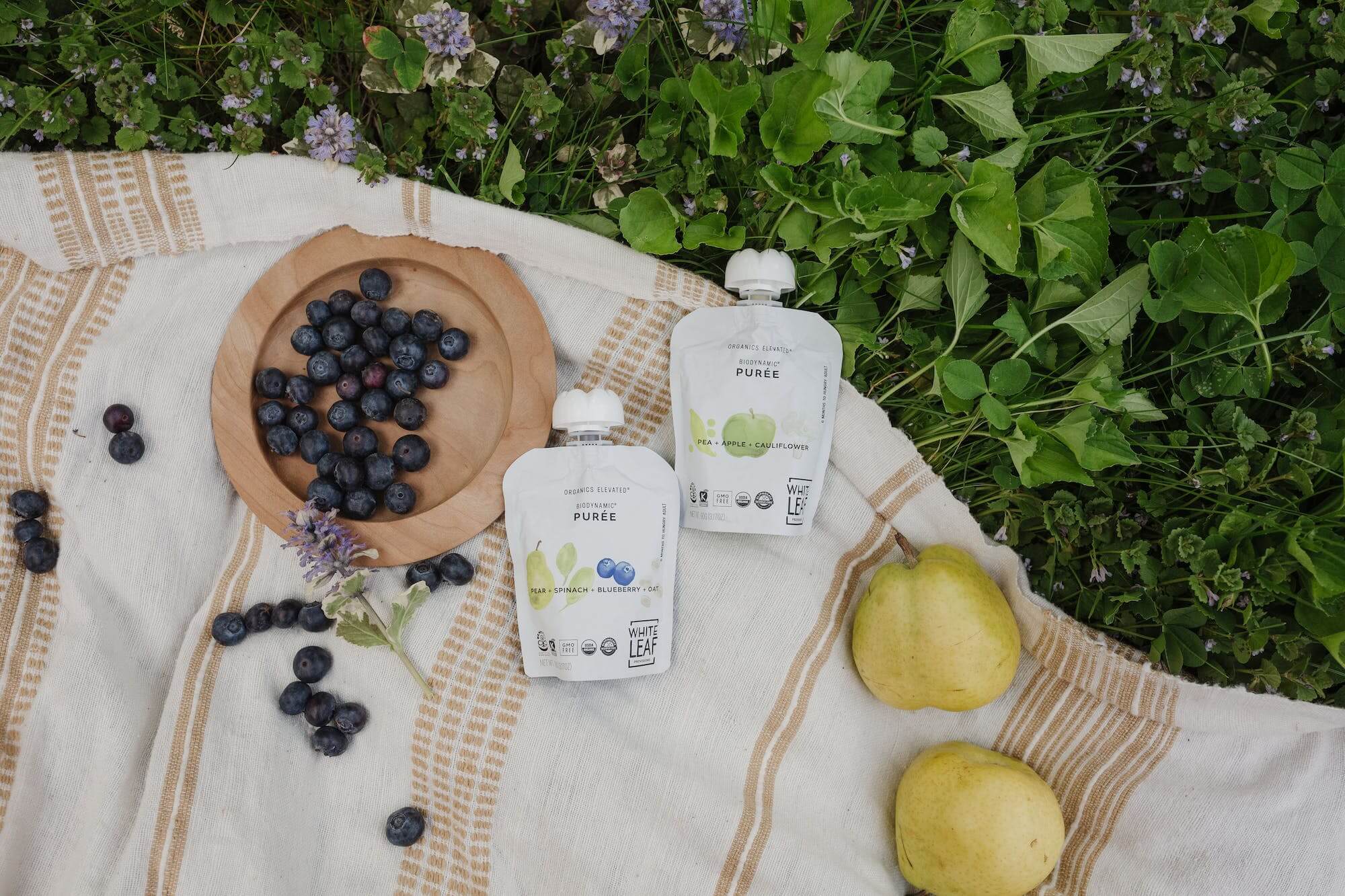
The gold standard in baby food, offering Demeter-certified biodynamic ingredients that exceed organic standards for soil health and purity.

Exquisite heirloom Malagasy cocoa produced entirely at the source in Madagascar. This professional-grade bulk trunk supports direct-trade and lemur habitat conservation.

A dairy-free, palm-oil-free alternative to mainstream hazelnut spreads, crafted in Italy with high-quality organic ingredients.

A nutrient-dense heirloom grain sourced through fully transparent supply chains that support regenerative farming practices in the Peruvian Andes.

A carbon-negative, regenerative ghee sourced from indigenous Hallikar cows in India, perfect for high-heat off-grid cooking and long-term pantry storage.
More on King Arthur Baking
What the score looks at
Each 0–100 score is an AI-assisted catalogue assessment with five recorded dimensions, not a fixed-weight calculation or an audit. Brands cannot buy a position, and a missing disclosure limits what can be assessed rather than being assumed positive.
Animal welfare
Third-party cruelty-free and vegan certification, animal-derived inputs, testing policy in every market the brand sells in.
Materials & sourcing
Organic, recycled or regenerative inputs, traceability to farm or mill, deforestation and biodiversity risk.
Labour & human rights
Living-wage commitments, published supplier lists, audit results and remediation, Fair Trade certification.
Packaging & waste
Recycled content, plastic intensity, refill or take-back options, real end-of-life recyclability.
Transparency
Public reporting, verifiable claims, parent-company disclosure and how quickly the brand answers questions.
Reading the score
Leader
80–100
Multiple independent certifications, published supply chain, credible reductions.
Strong
65–79
Solid certified core with one weak pillar, usually packaging or labour disclosure.
Mixed
50–64
Real progress in places, significant gaps elsewhere — read the detail before buying.
Weak
0–49
Little verified evidence, or an ownership structure that contradicts the marketing.
Six checks for any ethical purchase
A ranking gets you to a shortlist; these checks tell you whether a specific product is right for your household. Work through them in order — the first two rule out most greenwashing on their own.
Buying checklist
- Check the certification, not the adjective: a logo from Leaping Bunny, Vegan Society, GOTS, Fair Trade or B Corp is auditable; the words "natural" and "clean" are not.
- Look up the parent company — a certified brand owned by a group that still tests where the law requires it is a different decision than an independent one.
- Read the full ingredient or material list, not the front-of-pack claim; a single animal-derived or high-impact input can undo the rest.
- Prefer refills, concentrates and take-back schemes: packaging is usually the fastest win in this category.
- Compare cost per use rather than shelf price, including dose, refill costs and how long you will actually use the item.
- Buy the thing you will actually finish or wear a hundred times; the lowest-impact purchase is still the one you do not replace.
Is King Arthur Baking ethical? FAQs
Is King Arthur Baking cruelty-free?+
King Arthur Baking does not conduct or commission animal testing on any products.
Does King Arthur Baking have vegan products?+
Most flours and baking mixes are vegan; check labels for specialty items.
Does King Arthur Baking sell in mainland China?+
The brand does not sell through channels that require mainland China post-market testing.
What is King Arthur Baking's ethics score?+
We don't score any King Arthur Baking products yet, so there is no ethics score. The signals above come from the brand profile and the sources listed on this page.
What are the best alternatives to King Arthur Baking?+
High-scoring food & nutrition products to compare include Dr. Bronner’s Whole Kernel Virgin Coconut Oil by Dr. Bronner's, Biodynamic Veggie & Grain Pouch Variety Pack (24-Pack) by White Leaf Provisions, Luxury Single-Origin Dark Chocolate Professional Collection - 20kg Chef's Trunk by Beyond Good.