Ethical Alternatives to Little Spoon
Little Spoon is a direct-to-consumer baby and kids’ meal delivery service built on organic, non-GMO ingredients and transparent sourcing. While it holds strong certifications—USDA Organic and Non-GMO Project Verified—and avoids animal testing on food products, some shoppers seek alternatives for different ingredient policies, packaging preferences, or price points.
Categories compared: Baby & Kids, Food & Nutrition, Health & Wellness
Why shoppers look for alternatives to Little Spoon
- Some parents want meals that are also certified gluten-free, vegan, or free of common allergens beyond Little Spoon’s current scope.
- Little Spoon uses plastic pouches and containers; shoppers looking for zero-waste or glass-packaging options may prefer other brands.
- Little Spoon operates a subscription model; families wanting one-time purchases or more flexible ordering may seek alternatives.
- Some shoppers prioritize brands with B Corp certification or additional third-party ethical ratings (e.g., Leaping Bunny for non-food items) that Little Spoon does not hold.
- Little Spoon’s menu may not include certain dietary preferences (e.g., kosher, halal) that other specialized meal services accommodate.
Top-scoring alternatives to Little Spoon

The gold standard for ethical food production, this coconut oil uses regenerative organic practices and fair trade labor to set a benchmark for corporate responsibility.

A fluoride-free, 70% organic toothpaste that leads the industry in fair trade sourcing and activist corporate governance.
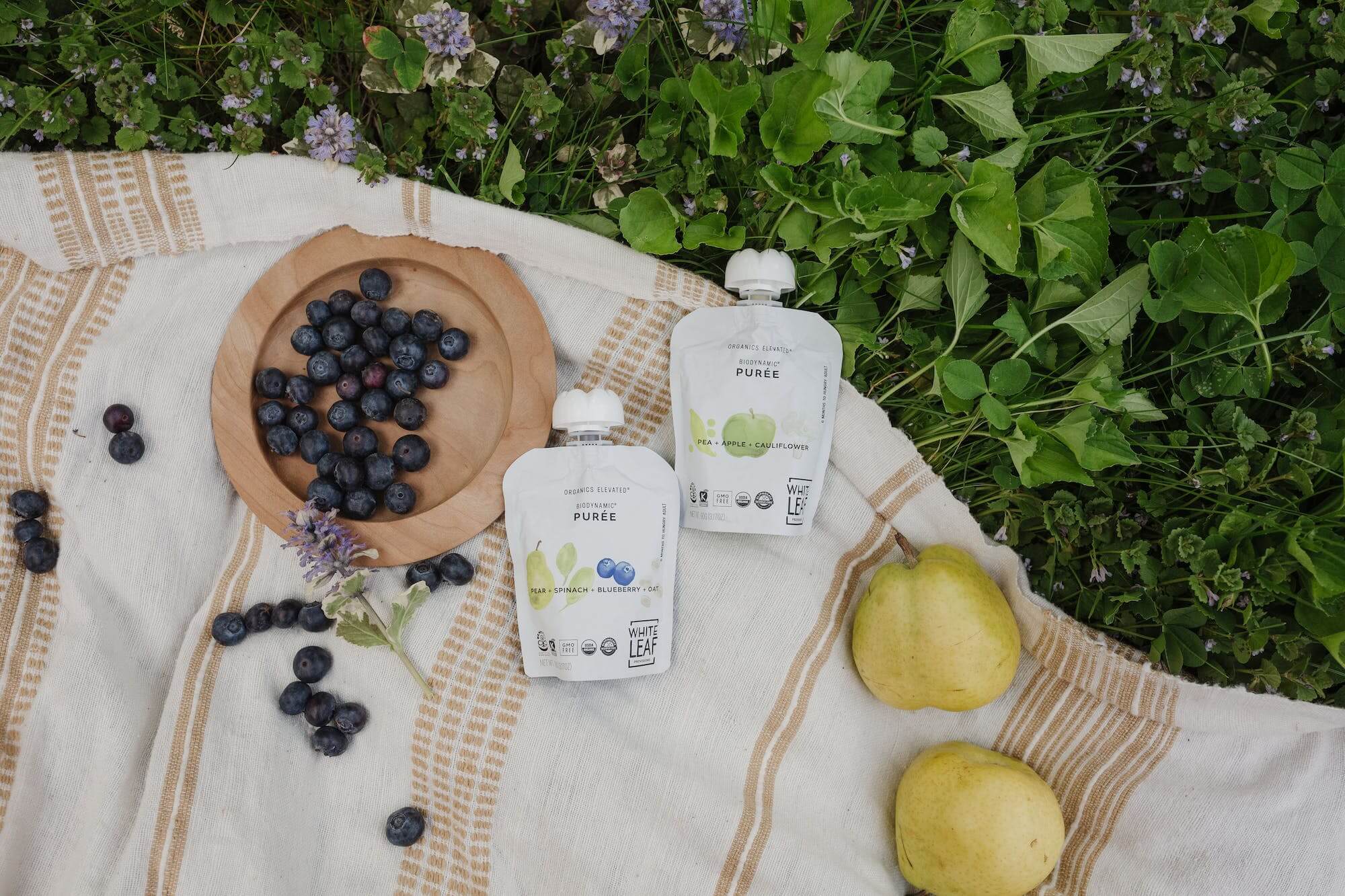
The gold standard in baby food, offering Demeter-certified biodynamic ingredients that exceed organic standards for soil health and purity.

A gold standard in ethical confectionery, combining fair-pay labor practices with regenerative cocoa farming that restores biodiversity in the Ivory Coast and Ghana.

The first and only baby brand to be Gold Seal Fair Trade certified, Under the Nile offers exceptionally soft Egyptian cotton towels made in a sustainable community in Egypt.

A sustainable, carbon-neutral dollhouse made from reclaimed rubberwood and non-toxic PlanWood.
A gold standard in ethical confectionery, using regenerative farming to combat climate change while ensuring living wages for cocoa farmers.

A 100% natural rubber pacifier that is completely plant-based, plastic-free, and compostable, meeting the highest circularity standards.

A hand-crafted, raw wellness balm produced by women’s cooperatives in Ghana, ideal for gluten-free skin nutrition and head-to-toe hydration.

Exquisite heirloom Malagasy cocoa produced entirely at the source in Madagascar. This professional-grade bulk trunk supports direct-trade and lemur habitat conservation.

A nutrient-dense heirloom grain sourced through fully transparent supply chains that support regenerative farming practices in the Peruvian Andes.

A 100% organic and sustainable activity center that pair FSC-certified birch wood with hand-knit GOTS cotton toys, ensuring a plastic-free and heirloom-quality developmental tool.
What Little Spoon is rated on
Little Spoon ranks well on ingredient quality: all meals are USDA Organic and Non-GMO Project Verified. The company does not conduct or commission animal testing on its food products. Its sourcing is transparent, with no major controversies reported. However, it lacks certifications for specific allergens (e.g., certified gluten-free), and its packaging is predominantly plastic, not fully recyclable or reusable. It also does not hold B Corp status or similar holistic ethical certifications.
How the alternatives were picked
We evaluated competitors in the baby and kids’ meal delivery space based on three criteria: (1) third-party certifications (USDA Organic, Non-GMO, gluten-free, kosher, etc.), (2) packaging sustainability (glass jars, compostable materials, minimal plastic), and (3) business model flexibility (subscription vs. one-time orders). We excluded brands with unresolved ethical controversies or poor labor practices. All alternatives listed below have verifiable certifications and transparent ingredient policies.
- Once Upon a Farm: Certified USDA Organic and Non-GMO, uses cold-pressure processing to preserve nutrients. Offers some glass jars and recyclable pouches. No animal testing on food. Slightly higher sodium content in some blends.
- Yumi: USDA Organic and Non-GMO Project Verified, focuses on plant-based first foods. Uses glass jars for early stages, plastic later. No animal testing. Limited variety for older toddlers.
- Nurture Life: USDA Organic ingredients for all recipes, offers meals with certified gluten-free and kosher options. Uses recyclable plastic containers. Not Non-GMO Project Verified as a whole (but uses non-GMO ingredients).
What to check on the label
When comparing alternatives, look for these specific labels: USDA Organic (ensures at least 95% organic ingredients), Non-GMO Project Verified (independent verification of no GMOs), and Certified Gluten-Free if allergen concerns exist. Check packaging claims—terms like “BPA-free” are common, but “plastic-free” or “100% recyclable” is rarer. Also verify the brand’s animal testing policy in writing; even small brands may outsource to co-packers that test. Finally, read the ingredient list for added sugars, salt, or preservatives, as some services include them for taste or shelf stability.
How to judge a suggested brand alternative
An alternatives page is a starting shortlist, not proof that one brand is universally better than another. The suggestions come from our catalogue: published products in a similar category with a recorded ethics score. They answer a narrow question — which products we list might fit the same need — and they cannot tell you which option performs best, suits your skin or diet, or matches your budget.
Match the job before the score
Start with what the original product does for you: format, size, scent, skin or dietary requirements and where you buy it. A higher-scoring alternative is not useful if it comes in a format you cannot use or is not sold where you shop. Check the alternative's full record — purpose, ingredients, price and seller — before treating it as a replacement.
Compare evidence, not impressions
Read certifications at their stated scope: a scheme may cover one range, one material or a named entity rather than a whole brand. An animal-free ingredient list and an animal-testing policy are separate questions, and a parent company's record is a third. Where a claim matters to you, confirm it in the scheme's own directory or the manufacturer's current statement rather than relying on a badge alone.
Keep the limits of the comparison visible
Catalogue scores are AI-assisted assessments with documented limitations, not laboratory measurements. A missing score is a data gap, not a failing grade. The original brand's presence here reflects what our records contain, which may omit reformulations, regional differences or newer certifications. For health, safety or recall concerns, use official sources rather than any score.
| Check | Where to confirm it | Avoid assuming |
|---|---|---|
| Does the alternative do the same job? | Its full product record and the maker's current description | A similar category means a like-for-like replacement |
| Is a claimed certification current? | The certification scheme's official directory | A badge covers the whole brand or group |
| Is it actually available to you? | The retailer's current listing, price and delivery | A catalogue price tier is a live quote |
Frequently asked about Little Spoon alternatives
Does Little Spoon test on animals?+
No. Little Spoon does not conduct or commission animal testing on any of its food products. This is publicly stated and aligns with its USDA Organic and Non-GMO certifications.
Are there alternatives with fully recyclable packaging?+
Yes. While Little Spoon uses plastic pouches that are recyclable only through special programs (e.g., TerraCycle), brands like Once Upon a Farm offer glass jars for early stages, and Yumi uses glass jars for its first foods. Nurture Life uses recyclable plastic containers accepted in most curbside programs.
Which alternative has the most third-party certifications?+
Nurture Life offers meals with USDA Organic ingredients and also provides certified gluten-free and kosher options. However, it is not Non-GMO Project Verified as a full line. Once Upon a Farm and Yumi both hold USDA Organic and Non-GMO Project Verified certifications.
Does Little Spoon cater to dietary restrictions like vegan or halal?+
Little Spoon offers some vegan and vegetarian meals, but its menu is not certified vegan or halal. For halal families, Nurture Life has kosher-certified meals, and Yumi’s plant-based line is generally vegan-friendly, though not certified.