Is Little Spoon ethical and cruelty-free?
Largely yes — we don't stock Little Spoon, but 1 of 4 ethics signals we track are verified in its favour, based on its published policies and third-party certifications.
Little Spoon is a direct-to-consumer baby and kids' meal delivery service focused on organic, non-GMO ingredients and transparent sourcing, with no major controversies and a strong commitment to food safety and sustainability.
The evidence, signal by signal
Cruelty-freeunverified
Little Spoon does not conduct or commission animal testing on any of its food products.
Vegan optionsunverified
Most meals are plant-based, but some contain dairy; vegan options are available by filter selection.
Sells in mainland Chinaverified
The brand does not sell through channels that require mainland China post-market testing.
Third-party certifiedunverified
We don't track any of this brand's products yet, so product-level certifications are unchecked.
Public pledges: Little Spoon uses recyclable packaging, carbon offsets for delivery, and aims for 100% recyclable or compostable packaging by 2025.
Scored with our public methodology. Profile last updated 2026-10-11.
How we reached this verdict on Little Spoon
Each signal is built from the product records and certifications we hold for Little Spoon, its brand profile and the sources that profile lists. Scores are AI-assisted catalogue assessments, not audits, so check the named certificate or policy before relying on it. Where a claim cannot be confirmed from those records, the signal is marked unclear rather than assumed positive.
How to read this page
Four questions decide most ethical-shopping decisions about a brand like Little Spoon. Work through them in order.
- 1Testing: is there third-party cruelty-free certification, and does the brand sell in markets where animal testing can still be required?
- 2Ingredients and materials: vegan formulation is a separate question from cruelty-free, and a brand can be one without the other.
- 3Ownership: a certified brand inside a group that still tests, or that is linked to documented controversies, is a different decision than an independent one.
- 4Packaging and transparency: refills, recycled content and published supplier data are where most brands quietly lose points.
Research notes on Little Spoon
Compiled from the brand's own statements and the public sources listed below, last reviewed 2026-10-11. We don't stock Little Spoon products, so nothing here is checked against product records.
Overview
Little Spoon is a U.S.-based company launched in 2017, specializing in fresh, organic, and non-GMO meal plans for babies, toddlers, and kids. The brand operates as a subscription service, delivering pre-portioned meals directly to consumers' homes. Little Spoon emphasizes clean ingredients, minimal processing, and nutritionally balanced recipes developed by pediatricians and nutritionists. The company is privately held and has not been acquired by a larger parent corporation, allowing it to maintain independent ethical standards. Its packaging is designed to be recyclable, and it offers a range of dietary accommodations including gluten-free and dairy-free options.
Certifications
Little Spoon holds USDA Organic certification for its ingredient sourcing, ensuring that all produce and many other components are grown without synthetic pesticides, fertilizers, or GMOs. The brand also adheres to Non-GMO Project Verified standards for its entire product line. While it does not currently display other third-party certifications like B Corp or Fair Trade, it maintains rigorous internal quality controls and third-party lab testing for contaminants such as heavy metals, pesticides, and pathogens. There are no certifications related to animal welfare or vegan labeling as of the latest public records.
Animal testing & vegan range
Little Spoon does not test any of its products on animals, and its meals are formulated entirely from plant-based ingredients. However, the brand does offer some meals containing dairy (e.g., yogurt-based dishes) which are not vegan. The company explicitly states that it does not conduct or commission animal testing for food safety or any other purpose. Customers looking for strictly vegan options can filter meals on the website by selecting those without animal-derived ingredients, but there is no dedicated vegan certification. The brand’s core mission centers on child nutrition, not cosmetics or supplements, so animal testing is not a relevant part of its supply chain.
Sustainability pledges
Little Spoon has made several public sustainability commitments. Its meal containers are made from recyclable polypropylene, and the brand encourages customers to recycle them through local programs. The company uses recycled cardboard for its shipping boxes and compostable insulation made from plant-based materials. Little Spoon partners with carbon offset programs to neutralize emissions from its delivery fleet and fulfillment centers, although specific offset metrics are not regularly published. The brand also works to minimize food waste by optimizing production based on subscription demand, donating excess meals to food banks through partnerships. There is no formal climate action plan or net-zero target, but the company has stated a goal to transition fully to 100% recyclable or compostable packaging by 2025 (as of its latest sustainability report in 2023).
Sourcing & labor
Little Spoon sources ingredients primarily from organic farms in the United States, with some produce coming from trusted international suppliers when domestically unavailable. The company requires its suppliers to comply with Fair Labor Association standards, though it does not publicly disclose complete supplier lists or full labor audits. The brand’s meal production is handled in USDA-inspected facilities that follow Good Manufacturing Practices (GMP). Labor conditions at these facilities are governed by U.S. federal and state laws, but Little Spoon does not publish specific third-party labor audits or collective bargaining agreements. The company does not use forced or child labor, and it emphasizes transparency by offering detailed ingredient sourcing information on its product pages.
Controversies context
As of the latest available information, no major controversies have been documented against Little Spoon. The brand has faced occasional consumer complaints regarding delivery delays or packaging waste, but these are not systemic. There have been no recalls linked to safety issues, no lawsuits regarding false advertising, and no public disputes over labor practices. The company has responded to social media criticism by updating its packaging recyclability guidelines and improving customer service response times. This clean record is a positive indicator for ethical consumers, particularly those concerned with food safety and ingredient transparency.
Bottom line
Little Spoon stands out as a strong ethical choice within the meal delivery space for families. Its USDA Organic and Non-GMO certifications, commitment to no animal testing, and active sustainability efforts align well with the values of environmentally and health-conscious consumers. The absence of major controversies and its independent ownership structure further reinforce its trustworthy profile. However, those seeking full vegan lines or detailed labor audits may find gaps. Overall, Little Spoon offers a transparent, responsibly sourced option for baby and kids' meals, backed by credible third-party testing and a clear ethical framework.
High-scoring baby & kids picks to compare
Top-scoring products from other brands in the category Little Spoon sells in. A starting point for comparison, not proof that each one beats Little Spoon.

The first and only baby brand to be Gold Seal Fair Trade certified, Under the Nile offers exceptionally soft Egyptian cotton towels made in a sustainable community in Egypt.

A sustainable, carbon-neutral dollhouse made from reclaimed rubberwood and non-toxic PlanWood.

A 100% natural rubber pacifier that is completely plant-based, plastic-free, and compostable, meeting the highest circularity standards.

A 100% organic and sustainable activity center that pair FSC-certified birch wood with hand-knit GOTS cotton toys, ensuring a plastic-free and heirloom-quality developmental tool.

An emerging indie brand sourcing premium organic cotton from Vietnam, this wrap is gaining traction on Pinterest for its minimalist aesthetic and ethical manufacturing process.
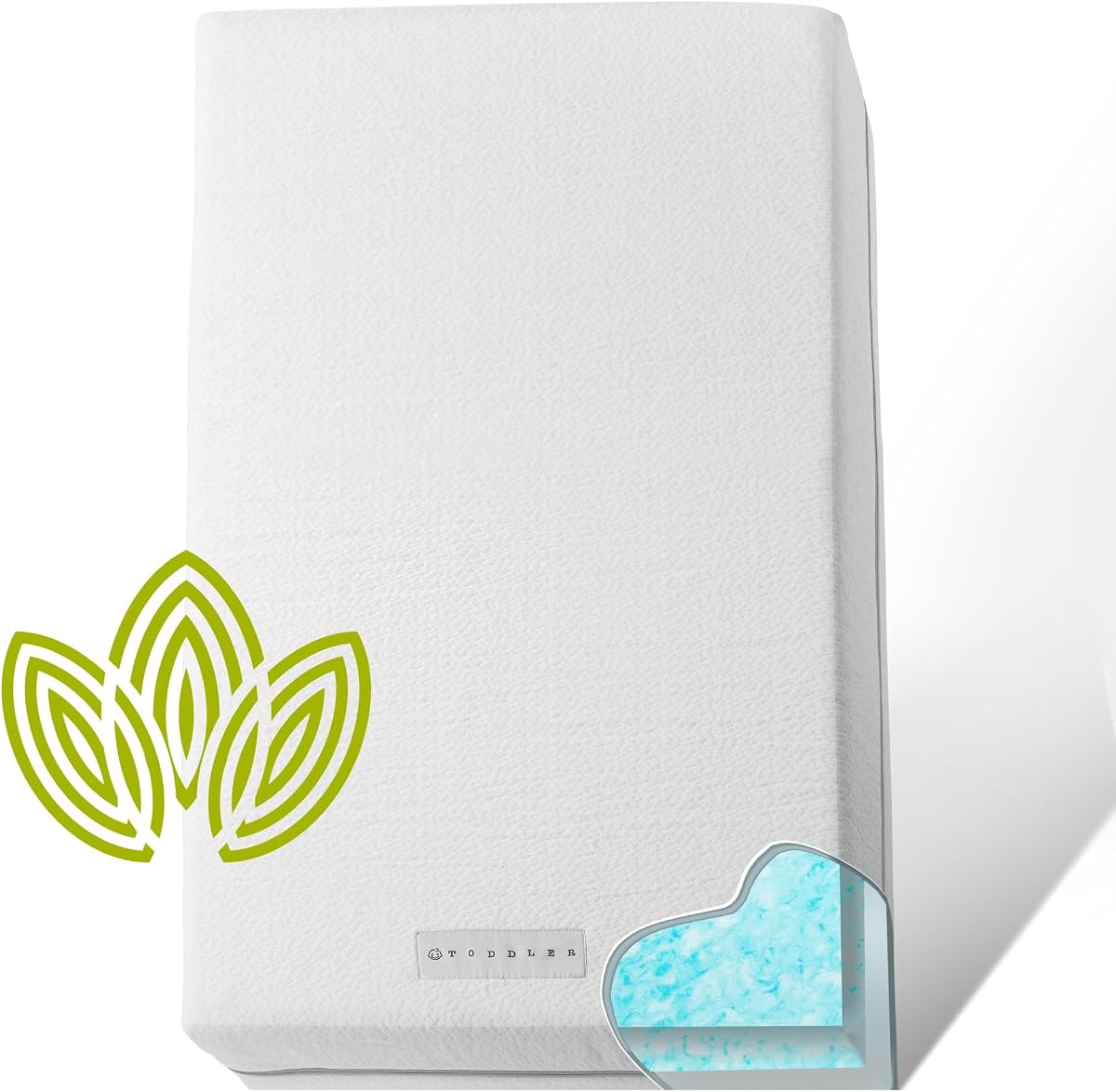
A handmade, non-toxic crib mattress featuring certified organic materials and a dual-firmness design to support infant and toddler development without off-gassing.
More on Little Spoon
What the score looks at
Each 0–100 score is an AI-assisted catalogue assessment with five recorded dimensions, not a fixed-weight calculation or an audit. Brands cannot buy a position, and a missing disclosure limits what can be assessed rather than being assumed positive.
Animal welfare
Third-party cruelty-free and vegan certification, animal-derived inputs, testing policy in every market the brand sells in.
Materials & sourcing
Organic, recycled or regenerative inputs, traceability to farm or mill, deforestation and biodiversity risk.
Labour & human rights
Living-wage commitments, published supplier lists, audit results and remediation, Fair Trade certification.
Packaging & waste
Recycled content, plastic intensity, refill or take-back options, real end-of-life recyclability.
Transparency
Public reporting, verifiable claims, parent-company disclosure and how quickly the brand answers questions.
Reading the score
Leader
80–100
Multiple independent certifications, published supply chain, credible reductions.
Strong
65–79
Solid certified core with one weak pillar, usually packaging or labour disclosure.
Mixed
50–64
Real progress in places, significant gaps elsewhere — read the detail before buying.
Weak
0–49
Little verified evidence, or an ownership structure that contradicts the marketing.
Six checks for any ethical purchase
A ranking gets you to a shortlist; these checks tell you whether a specific product is right for your household. Work through them in order — the first two rule out most greenwashing on their own.
Buying checklist
- Check the certification, not the adjective: a logo from Leaping Bunny, Vegan Society, GOTS, Fair Trade or B Corp is auditable; the words "natural" and "clean" are not.
- Look up the parent company — a certified brand owned by a group that still tests where the law requires it is a different decision than an independent one.
- Read the full ingredient or material list, not the front-of-pack claim; a single animal-derived or high-impact input can undo the rest.
- Prefer refills, concentrates and take-back schemes: packaging is usually the fastest win in this category.
- Compare cost per use rather than shelf price, including dose, refill costs and how long you will actually use the item.
- Buy the thing you will actually finish or wear a hundred times; the lowest-impact purchase is still the one you do not replace.
Is Little Spoon ethical? FAQs
Is Little Spoon cruelty-free?+
Little Spoon does not conduct or commission animal testing on any of its food products.
Does Little Spoon have vegan products?+
Most meals are plant-based, but some contain dairy; vegan options are available by filter selection.
Does Little Spoon sell in mainland China?+
The brand does not sell through channels that require mainland China post-market testing.
What is Little Spoon's ethics score?+
We don't score any Little Spoon products yet, so there is no ethics score. The signals above come from the brand profile and the sources listed on this page.
What are the best alternatives to Little Spoon?+
High-scoring baby & kids products to compare include Classic Organic Baby Hooded Towel by Under the Nile, PlanToys Creative Play House by PlanToys, Plastic-Free Natural Rubber Soother by HEVEA.