Ethical Alternatives to Milka
Milka, owned by Mondelez International, is a mass-market chocolate brand known for Alpine milk and a playful cow mascot. However, ethical shoppers may seek alternatives due to its parent company’s lack of comprehensive third-party certifications, non-vegan standard range, and limited sustainability progress despite some pledges.
Categories compared: Food & Nutrition
Why shoppers look for alternatives to Milka
- Milka carries no independent third-party certifications such as Fairtrade, Rainforest Alliance, or Vegan; its Cocoa Life program is proprietary and not audited by an external body.
- Mondelez allows ingredient animal testing where required by law, and Milka’s standard range contains dairy, making it unsuitable for vegans.
- Despite sustainability pledges, Mondelez has been criticized for slow progress on deforestation and farmer incomes in cocoa supply chains.
- The brand sells in mainland China, where some consumers prefer products with stronger ethical verification for imported goods.
Top-scoring alternatives to Milka

A gold-standard example of regenerative agriculture, these oats go beyond organic by actively restoring soil health and ensuring fair wages for farmers in a vertically integrated supply chain.

The gold standard for ethical food production, this coconut oil uses regenerative organic practices and fair trade labor to set a benchmark for corporate responsibility.
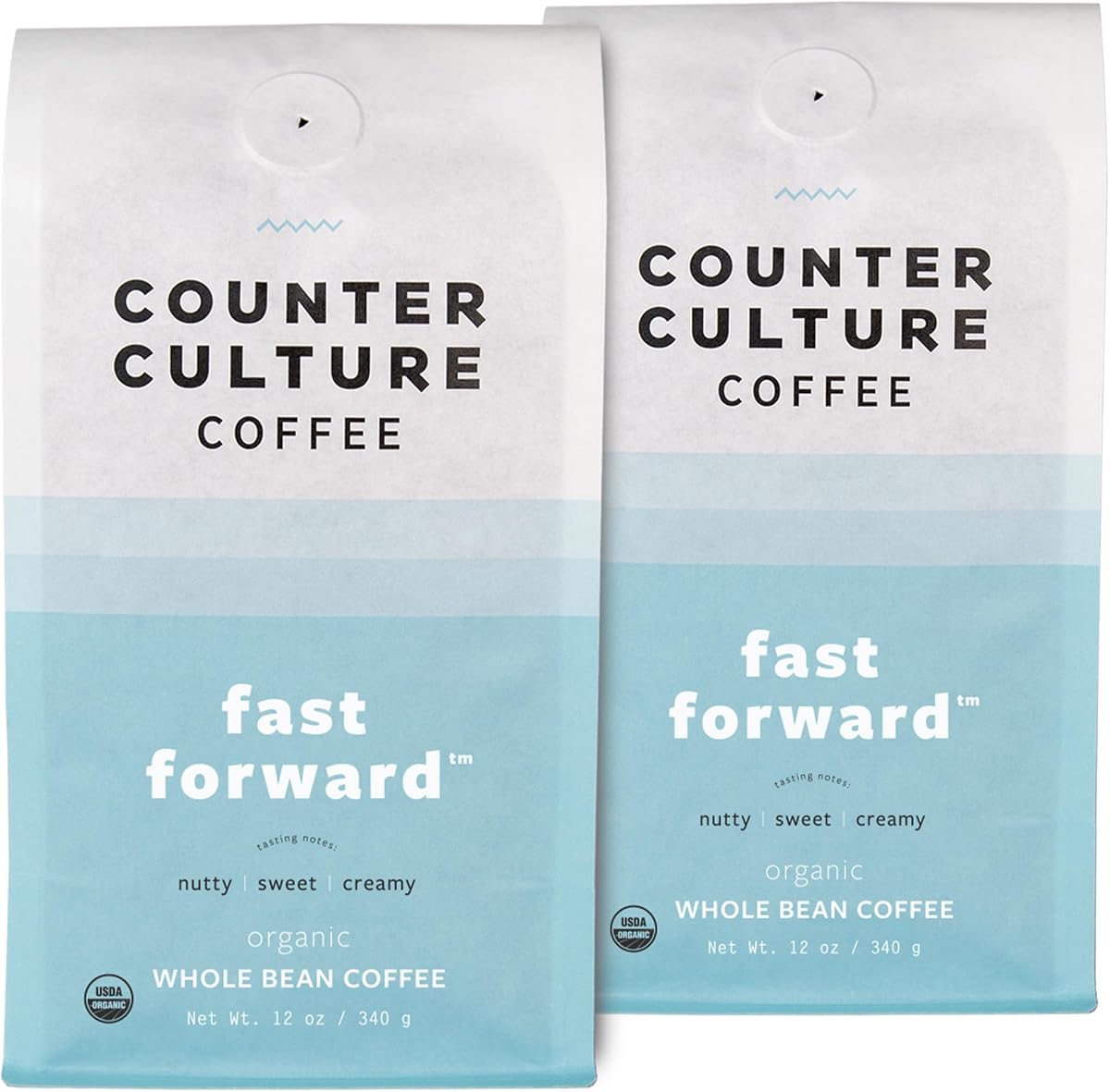
A 100% farmer-owned coffee cooperative that bypasses traditional middlemen to ensure maximum profits return to the growers.
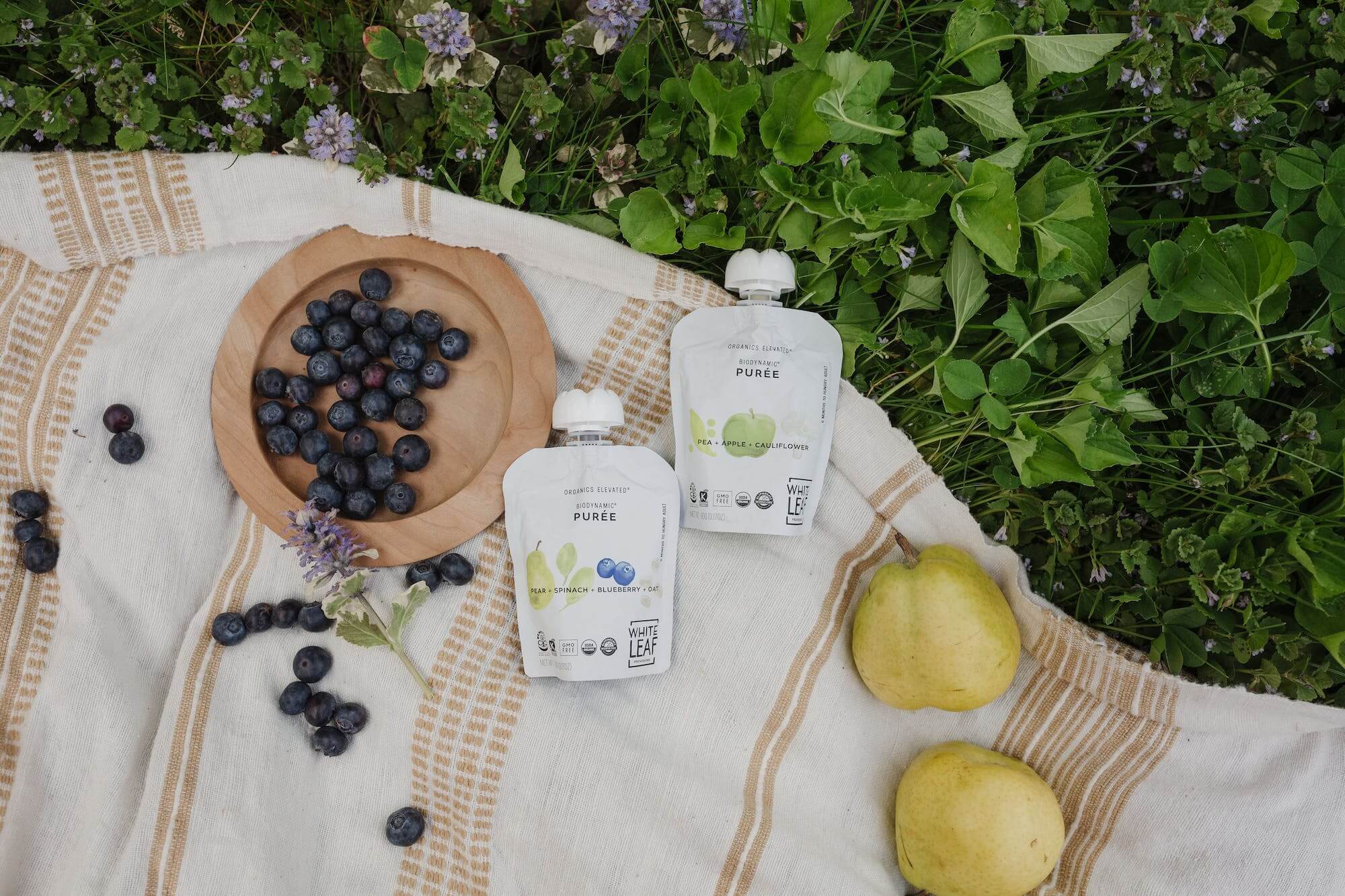
The gold standard in baby food, offering Demeter-certified biodynamic ingredients that exceed organic standards for soil health and purity.

A gold standard in ethical confectionery, combining fair-pay labor practices with regenerative cocoa farming that restores biodiversity in the Ivory Coast and Ghana.

A gold-standard breakfast staple sourced from family-owned farms in Montana using regenerative practices that actively sequester carbon and restore soil health.

Arguably the most ethical coconut oil on the market, sourced from 'Serendipol' in Sri Lanka using regenerative practices that revitalize soil and support a fair-trade community.
A gold standard in ethical confectionery, using regenerative farming to combat climate change while ensuring living wages for cocoa farmers.

A 100% farmer-owned cooperative coffee brand that bypasses middlemen to ensure maximum profits return to the growers.
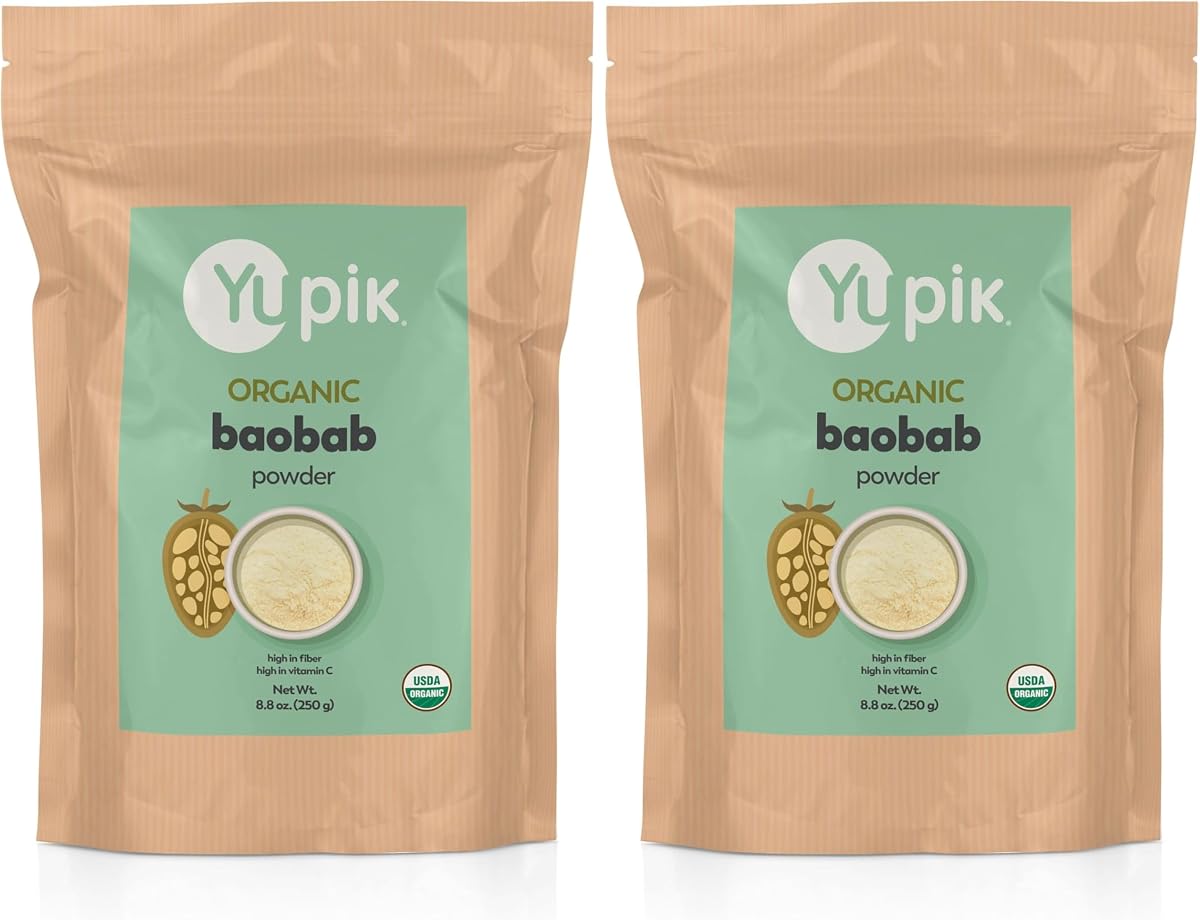
A nutrient-dense African superfood powder ethically harvested by women's cooperatives in Upper East Ghana, providing a massive vitamin C boost.

Exquisite heirloom Malagasy cocoa produced entirely at the source in Madagascar. This professional-grade bulk trunk supports direct-trade and lemur habitat conservation.

A gold standard in ethical food production, this virgin coconut oil is sourced from regenerative organic palms in Sri Lanka, ensuring soil health and fair wages.
What Milka is rated on
Milka is not certified by any major independent ethical label. Its parent company, Mondelez, operates a proprietary Cocoa Life program that claims to improve farmer livelihoods and environmental practices, but it is not third-party verified. The brand’s standard range is non-vegan due to milk content, and Mondelez’s animal testing policy prohibits testing on finished food products but allows ingredient testing where required by law—for example, in China. This lack of transparent, audited standards is a key concern for conscientious shoppers.
How the alternatives were picked
Each alternative on this page meets at least one strong ethical or environmental certification that Milka lacks. We prioritised brands with independent third-party labels such as Fair Trade, Rainforest Alliance, B Corp, or Vegan Certified. We also considered transparent supply chain reporting, commitment to renewable energy, and packaging sustainability. Brands were excluded if they are owned by multinationals with poor ethical records similar to Mondelez.
What to check on the label
When choosing an ethical chocolate alternative, look for these marks on the packaging: Fairtrade or Rainforest Alliance logos ensure certified sustainable cocoa sourcing. Vegan Certified logos (e.g., Vegan Society) guarantee no animal ingredients or testing. B Corp certification indicates overall social and environmental performance. Avoid proprietary “sustainability” programs that lack independent auditing. Also check if the chocolate is organic (e.g., Soil Association or USDA Organic) to reduce pesticide use. For milk chocolate alternatives, look for oat or rice milk options that are labeled certified vegan.
Frequently asked about Milka alternatives
Does Milka have any third-party ethical certifications?+
No. Milka does not carry Fairtrade, Rainforest Alliance, Vegan, or any other independent third-party certification. Its Cocoa Life program is proprietary and not externally audited.
Is Milka suitable for vegans?+
No. The standard Milka range contains dairy milk and is not labeled vegan. Some dark varieties may be dairy-free, but they are not certified vegan.
Does Mondelez test on animals?+
Mondelez says it does not test finished food products on animals, but ingredient testing may occur where required by law, such as in China. This applies to Milka.
What should I look for instead of Milka?+
Choose chocolate with transparent, third-party certifications like Fairtrade, Rainforest Alliance, B Corp, or Vegan Certified. Avoid brands that rely only on proprietary claims.