Is Milka ethical and cruelty-free?
Not really — Milka fails 2 of the 4 ethics signals we track, including its animal-testing position, and holds no third-party certification we can verify.
Milka, owned by Mondelez International, is a mass-market chocolate brand known for Alpine milk and a playful cow mascot, but faces ethical scrutiny due to its parent company's lack of comprehensive ethical certifications, non-vegan standard range, and limited sustainability progress despite some pledges.
The evidence, signal by signal
Cruelty-freeflagged
Mondelez prohibits animal testing on finished products for food, but ingredient testing may occur where required by law.
Vegan optionsunverified
No vegan products; all standard Milka chocolate contains milk.
Sells in mainland Chinaflagged
Selling through mainland Chinese retail has historically triggered post-market animal testing.
Third-party certifiedunverified
We don't track any of this brand's products yet, so product-level certifications are unchecked.
Public pledges: 100% sustainable cocoa by 2025 (Cocoa Life), 10% GHG reduction by 2025, 100% recyclable packaging by 2025.
Scored with our public methodology. Profile last updated 2026-10-03.
Research notes on Milka
Compiled from the brand's own statements and the public sources listed below, last reviewed 2026-10-03. We don't stock Milka products, so nothing here is checked against product records.
Overview
Milka is a German chocolate brand founded in 1901, famous for its Alpine milk sourced from cows in the Alps and its distinctive purple packaging. Since 1990, it has been owned by Mondelez International (formerly Kraft Foods), a global snack giant. Milka products are widely available in Europe and exported to many countries. The brand’s ethical profile is shaped by Mondelez's corporate policies, which include some sustainability targets but also significant gaps in animal welfare, labor transparency, and product ethics. No major scandals have been publicly recorded, but the brand lacks third-party certifications like Fair Trade or Rainforest Alliance, and its parent company has faced criticism over sourcing and packaging waste.
Certifications
Milka products do not carry any major ethical certifications. The brand is not Fair Trade, Rainforest Alliance, or UTZ certified. Mondelez operates its own Cocoa Life sustainability program, but this is a proprietary initiative, not an independent certification. Milka's cocoa is 100% Cocoa Life certified (per Mondelez’s 2022 Sustainability Report), but this program has been criticized by NGOs for lacking rigorous third-party verification. No products have certified vegan or organic labels, and the brand is not B Corp certified.
Animal Testing & Vegan Range
Milka does not conduct animal testing on its finished products, as Mondelez states a general policy against animal testing for cosmetics and food (with exceptions where required by law). However, Mondelez has not made a blanket ban on animal testing for ingredients, and some suppliers may test. Milka has no dedicated vegan range—most products contain milk, cream, or other animal derivatives. The brand’s classic chocolate is not vegan-friendly, and no plant-based alternatives are marketed under the Milka name.
Sustainability Pledges
Mondelez has made several sustainability commitments under its Snacking Made Right strategy. These include: 100% sustainably sourced cocoa by 2025 (through Cocoa Life), reducing greenhouse gases by 10% by 2025 (scope 1 and 2), and using 100% recyclable packaging by 2025. Milka’s packaging is largely plastic, and a 2023 report showed that only 60% of Mondelez packaging was designed for recyclability, with limited progress in practice. The brand’s ‘Alpine milk’ sourcing claims are not certified by an independent animal welfare standard, and the dairy carbon footprint remains high.
Sourcing & Labor
Cocoa for Milka is sourced from West Africa and Latin America via Cocoa Life, which claims to train farmers and fight child labor. However, independent investigations (e.g., by the BBC in 2020) have linked Mondelez’s supply chain to child labor and deforestation. The brand does not publish detailed supplier lists or wages. Labor audits are conducted by third parties but results are not fully transparent. The dairy sourcing is partially from Alpine regions, but no specific labor or animal welfare certifications exist for those farms.
Controversies Context
No major public controversies specifically tied to Milka have been recorded. Criticism has been directed at Mondelez more broadly for: packaging pollution in developing countries, failures in cocoa sustainability goals (e.g., child labor not eliminated), and lack of living wage initiatives. Milka’s marketing may exaggerate the idyllic Alpine sourcing, but no formal complaints have been substantiated.
Bottom Line
Milka remains a conventional chocolate brand without ethical certifications or a vegan range. Its parent company’s sustainability commitments are partially verifiable but not independently certified. For strict ethical consumers, Milka does not meet high standards. However, it has no overt scandals and is improving packaging recyclability moderately.
High-scoring food & nutrition picks to compare
Top-scoring products from other brands in the category Milka sells in. A starting point for comparison, not proof that each one beats Milka.

The gold standard for ethical food production, this coconut oil uses regenerative organic practices and fair trade labor to set a benchmark for corporate responsibility.
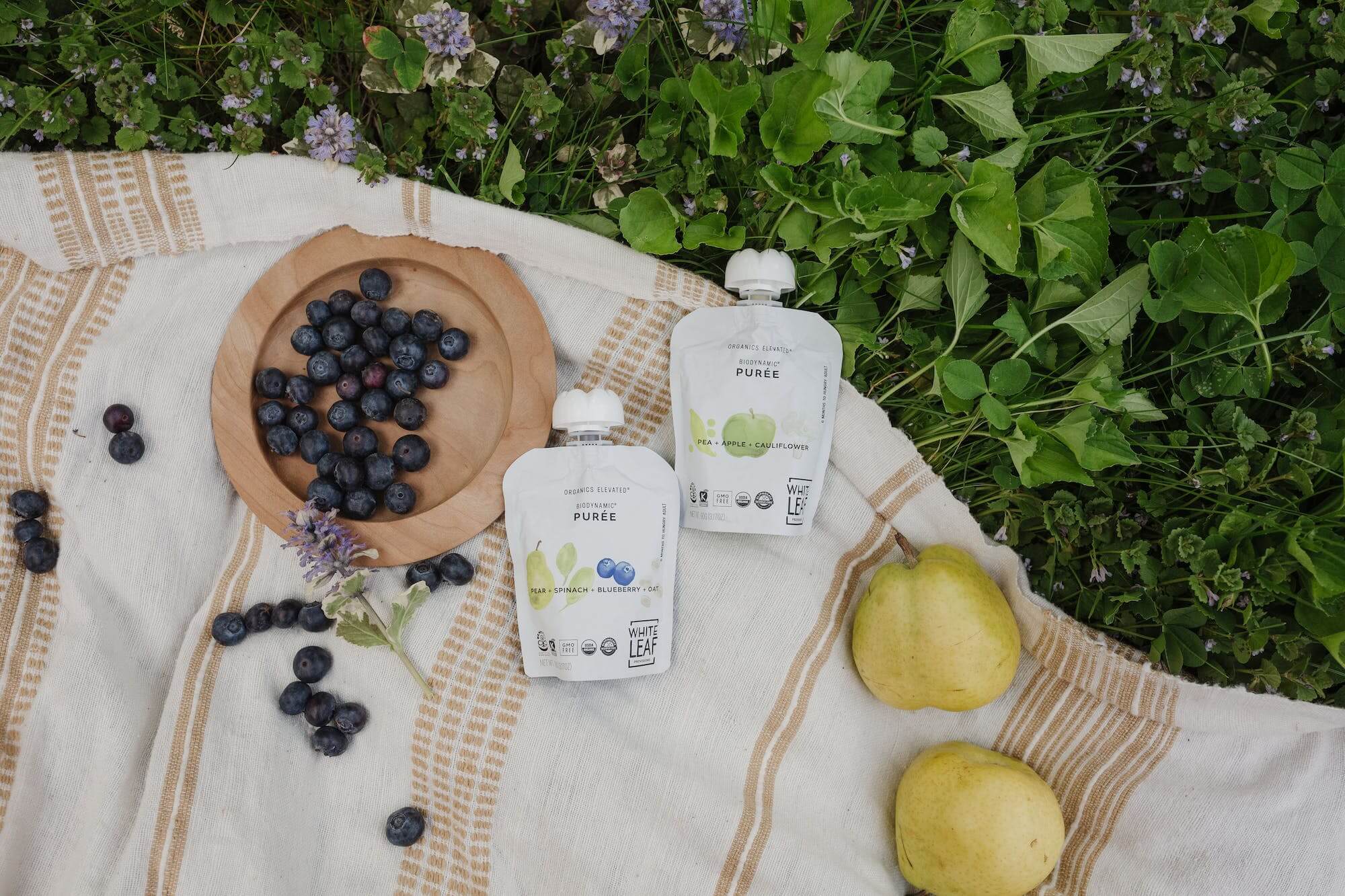
The gold standard in baby food, offering Demeter-certified biodynamic ingredients that exceed organic standards for soil health and purity.

Exquisite heirloom Malagasy cocoa produced entirely at the source in Madagascar. This professional-grade bulk trunk supports direct-trade and lemur habitat conservation.

A nutrient-dense heirloom grain sourced through fully transparent supply chains that support regenerative farming practices in the Peruvian Andes.

A women-owned B Corp that prioritizes equitable purchasing and environmental stewardship through long-term farmer partnerships.

The gold standard in European baby food, Holle's Demeter-certified porridges offer chemical-free nutrition for infants. A top-rated staple for health-conscious parents in urban environments.
More on Milka
Is Milka ethical? FAQs
Is Milka cruelty-free?+
Mondelez prohibits animal testing on finished products for food, but ingredient testing may occur where required by law.
Does Milka have vegan products?+
No vegan products; all standard Milka chocolate contains milk.
Does Milka sell in mainland China?+
Selling through mainland Chinese retail has historically triggered post-market animal testing.
What is Milka's ethics score?+
We don't score any Milka products yet, so there is no ethics score. The signals above come from the brand profile and the sources listed on this page.
What are the best alternatives to Milka?+
High-scoring food & nutrition products to compare include Dr. Bronner’s Whole Kernel Virgin Coconut Oil by Dr. Bronner's, Biodynamic Veggie & Grain Pouch Variety Pack (24-Pack) by White Leaf Provisions, Luxury Single-Origin Dark Chocolate Professional Collection - 20kg Chef's Trunk by Beyond Good.