Ethical Alternatives to Nespresso
Nespresso, a Nestlé subsidiary, is a premium coffee pod brand with some sustainability initiatives but faces ethical concerns over aluminum pod recycling, parent company controversies, and a lack of third-party ethical certifications. This page highlights alternatives that offer better transparency, certified ethical practices, and reduced environmental impact.
Categories compared: Food & Nutrition, Kitchen & Dining
Why shoppers look for alternatives to Nespresso
- Nespresso’s aluminum pods have limited recycling accessibility; less than 30% of pods are typically recycled globally according to industry estimates.
- Parent company Nestlé has faced ongoing controversies regarding water privatization, child labor in cocoa supply chains, and aggressive marketing of infant formula.
- Nespresso lacks a comprehensive third-party ethical certification such as Fair Trade or B Corp internationally (its B Corp certification applies only to the US subsidiary).
- Nespresso’s 'CarbonNeutral®' certification relies on offsets rather than emission reductions, which some critics argue is less impactful than direct sourcing changes.
- Nespresso sells in mainland China, where animal testing may be legally required for some products, raising concerns for cruelty-free shoppers despite Nespresso’s own no-testing policy.
Top-scoring alternatives to Nespresso

A gold-standard example of regenerative agriculture, these oats go beyond organic by actively restoring soil health and ensuring fair wages for farmers in a vertically integrated supply chain.

The gold standard for ethical food production, this coconut oil uses regenerative organic practices and fair trade labor to set a benchmark for corporate responsibility.
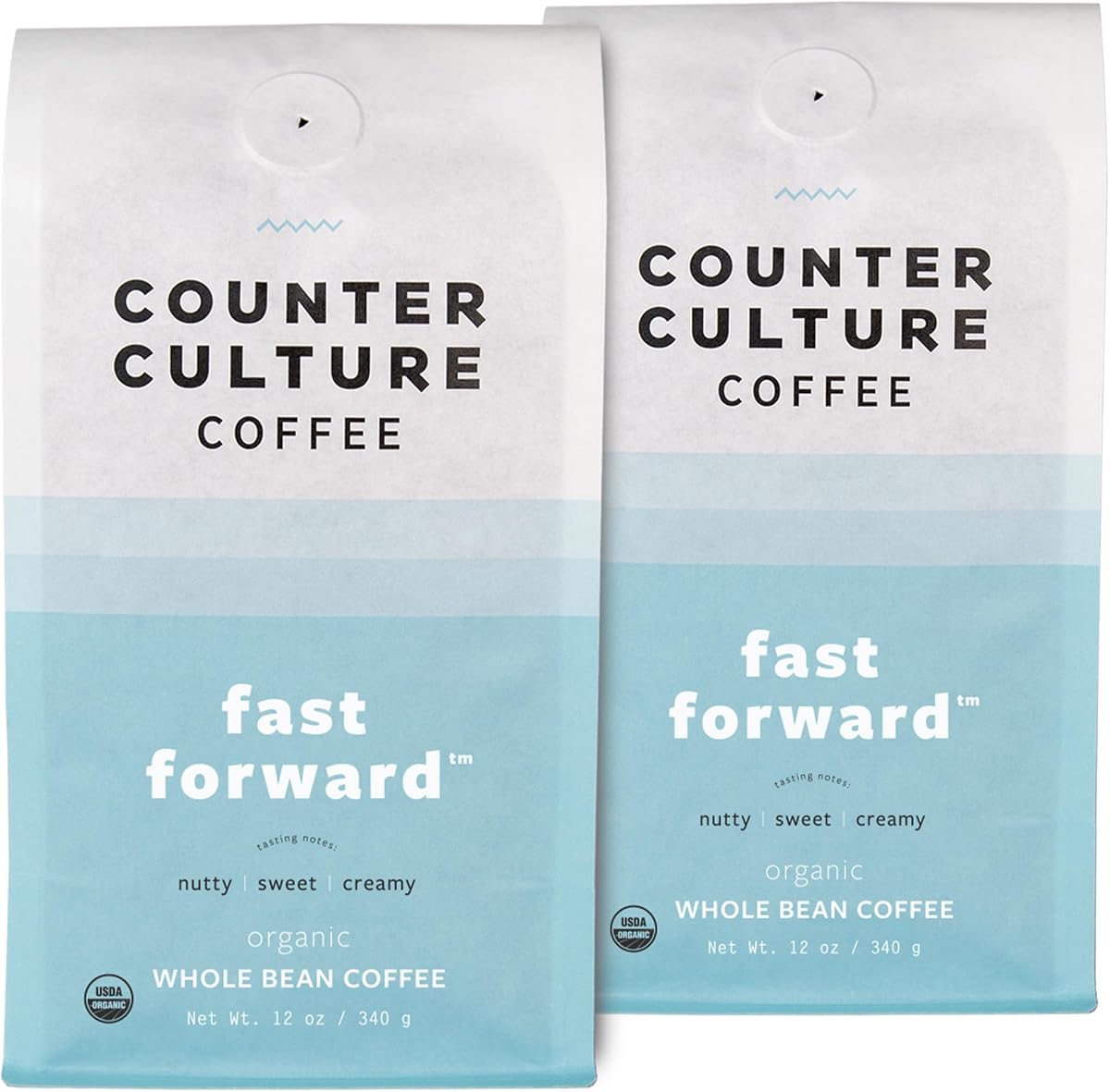
A 100% farmer-owned coffee cooperative that bypasses traditional middlemen to ensure maximum profits return to the growers.

A stunning glassware set made from repurposed wine bottles collected from the Dutch hospitality industry, processed in a social workplace that empowers people with disabilities.
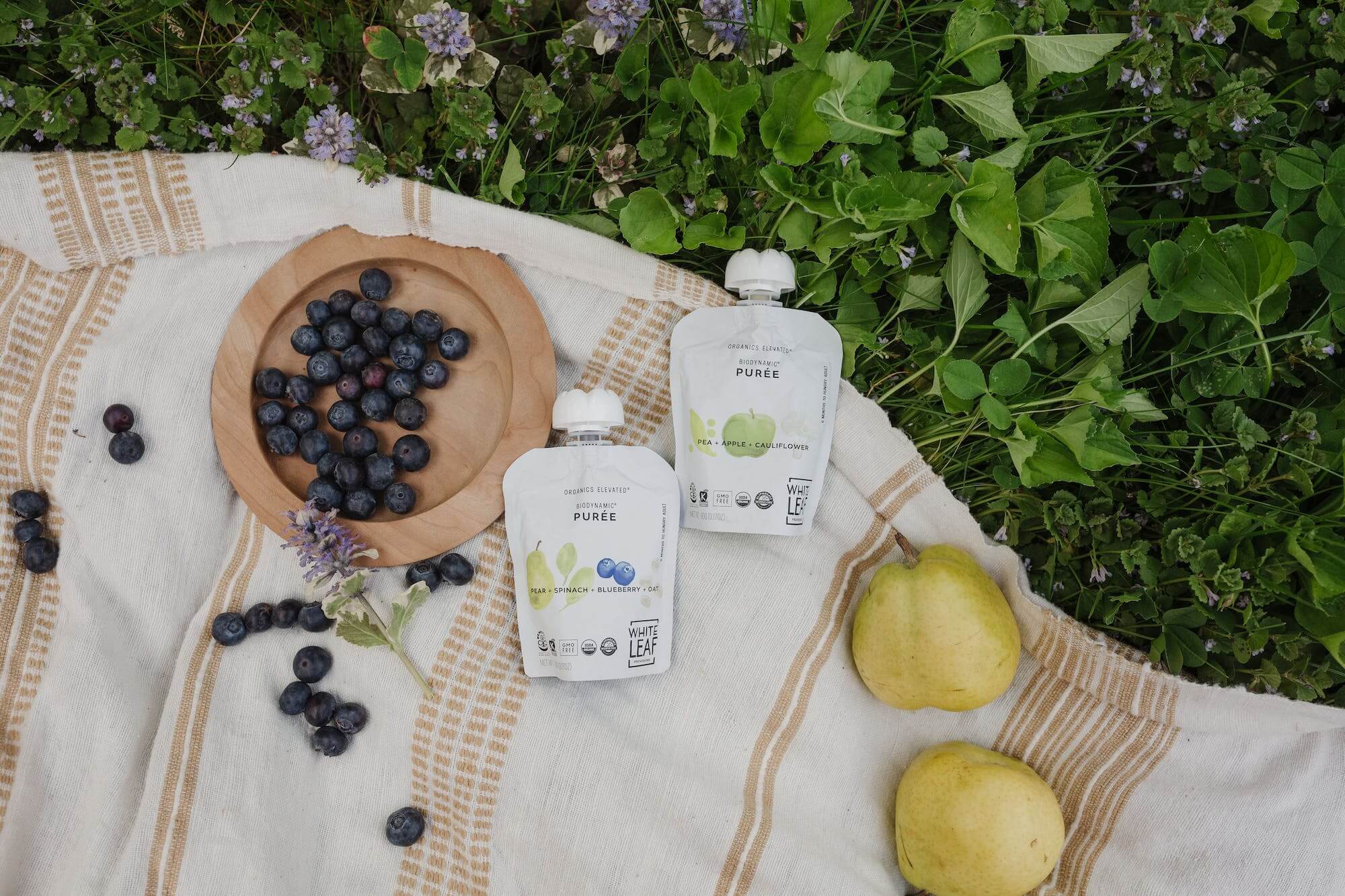
The gold standard in baby food, offering Demeter-certified biodynamic ingredients that exceed organic standards for soil health and purity.
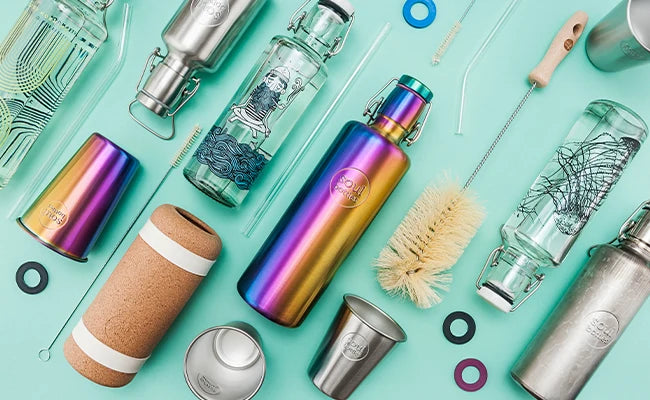
A 100% plastic-free, carbon-neutral glass bottle made in Germany, featuring stunning artist-designed motifs and a swing-top closure.

An innovative, mushroom-based countertop composting solution that arrives as a 'living' kit, allowing you to grow your own bin from mycelium and agricultural waste.

A gold standard in ethical confectionery, combining fair-pay labor practices with regenerative cocoa farming that restores biodiversity in the Ivory Coast and Ghana.

A gold-standard breakfast staple sourced from family-owned farms in Montana using regenerative practices that actively sequester carbon and restore soil health.

Arguably the most ethical coconut oil on the market, sourced from 'Serendipol' in Sri Lanka using regenerative practices that revitalize soil and support a fair-trade community.

A pioneer in fair trade, Equal Exchange offers bird-friendly, organic coffee that directly supports small-scale farmer cooperatives globally.
A gold standard in ethical confectionery, using regenerative farming to combat climate change while ensuring living wages for cocoa farmers.
What Nespresso is rated on
Our ethical review of Nespresso examines four key areas: environmental impact (aluminum pod recycling, carbon offset reliance), labor and supply chain ethics (Nestlé’s history with child labor and water conflicts), certifications (limited to B Corp US, Rainforest Alliance on select farms, and CarbonNeutral®), and animal testing (Nespresso does not test; Nestlé tests only where legally required, including in China). Nespresso scores moderately on taste and convenience but lower on transparency and third-party verification.
How the alternatives were picked
We selected alternatives that meet at least three of these criteria: (1) certified B Corp or Fair Trade, (2) fully compostable or plastic-free packaging, (3) aluminum pods with a take-back program that recycles at 90%+ rate, (4) parent company with no major human rights or environmental controversies, and (5) third-party verified carbon-neutral or regenerative agriculture sourcing. Examples include Pact Coffee (UK-based, compostable pods, B Corp), Balance Coffee (aluminum pods with high recycling rates, Rainforest Alliance certified), and Grind (home compostable pods, B Corp, carbon-neutral shipping).
What to check on the label
When choosing an alternative, look for these indicators: Fair Trade or Direct Trade certification ensures farmers receive fair wages. B Corp (global, not just US) signals rigorous social and environmental accountability. Plastic-free or compostable packaging reduces landfill waste. For aluminum pods, verify the brand’s recycling return rate — aim for 75% or higher. Avoid pods labeled only “biodegradable” as this often requires industrial composting facilities that may not be available locally. Finally, check the parent company: brands owned by larger conglomerates may have conflicting ethics (e.g., if owned by a company with known controversies).
Frequently asked about Nespresso alternatives
Does Nespresso have any meaningful ethical certifications?+
Nespresso’s US subsidiary is B Corp certified, but this applies only to the US entity, not globally. It also carries CarbonNeutral® certification (relying on offsets) and Rainforest Alliance certification for a limited number of farms. It is not Fair Trade certified.
Are Nespresso pods actually recyclable?+
Aluminum Nespresso pods can be recycled through brand-owned take-back programs, but global recycling rates are low (estimated below 30%). Many municipal recycling systems cannot process small aluminum items, and consumers must return pods to specific drop-off points.
Is Nespresso owned by Nestlé and does that affect its ethics?+
Yes, Nespresso is wholly owned by Nestlé. Nestlé has faced numerous controversies, including alleged involvement in child labor in cocoa supply chains, water privatization disputes, and aggressive marketing of infant formula in developing countries. This corporate ownership is a key reason some shoppers seek alternatives.
What is the best direct alternative to Nespresso for compostable pods?+
Brands like Grind and Pact Coffee offer home-compostable pods that are B Corp certified and use ethically sourced coffee. Ensure your local composting infrastructure can process those pods — check guidance from your council or composting facility.