Is Nespresso ethical and cruelty-free?
Nespresso is owned by Nestlé
Since 1986, Nespresso operates under Nestlé. Parent-company policies (animal testing, palm oil sourcing, lobbying) can affect the ethics profile even when the sub-brand markets itself as independent.
Mixed — Nespresso clears 1 of 4 ethics signals and fails 1, so it depends which issue matters most to you.
Nespresso, a Nestlé subsidiary, is a premium coffee pod brand with some sustainability initiatives but faces ethical concerns over aluminum pod recycling, parent company controversies, and a lack of third-party ethical certifications.
The evidence, signal by signal
Cruelty-freeverified
No animal testing by Nespresso; Nestlé does not test finished products on animals except where legally required.
Vegan optionsunverified
All standard capsules are vegan; no dedicated vegan label.
Sells in mainland Chinaflagged
Selling through mainland Chinese retail has historically triggered post-market animal testing.
Third-party certifiedunverified
We don't track any of this brand's products yet, so product-level certifications are unchecked.
Public pledges: Carbon neutrality achieved (2022); 100% responsibly sourced coffee by 2025; 100% recyclable capsules target; reforestation of 10 million trees by 2030.
Scored with our public methodology. Profile last updated 2026-09-28.
Research notes on Nespresso
Compiled from the brand's own statements and the public sources listed below, last reviewed 2026-09-28. We don't stock Nespresso products, so nothing here is checked against product records.
Overview
Nespresso, founded in 1986 and owned by Nestlé, is a global leader in single-serve coffee machines and aluminum capsules. The brand positions itself around quality and convenience, with a stated sustainability program (The Positive Cup) aiming for carbon neutrality and 100% responsibly sourced coffee. However, as a Nestlé subsidiary, it inherits ethical scrutiny over water privatization, infant formula marketing, and labor issues in supply chains. Nespresso does not hold Fairtrade, Rainforest Alliance, or B Corp certification despite some self-reported sustainability claims.
Certifications
Nespresso’s primary certification is B Corporation for its U.S. subsidiary (since 2022), but only for the American arm, not the global brand. The coffee is not Fairtrade or Rainforest Alliance certified. The AAA Sustainable Quality™ Program is a proprietary standard, verified by the Rainforest Alliance for some farms, but not for the entire supply chain. The brand uses FSC-certified packaging for some products and has CarbonNeutral® certification (Natural Capital Partners) for its operations. No organic certification exists for most coffees.
Animal Testing & Vegan Range
Nespresso does not conduct animal testing, and Nestlé has a group-wide policy against animal testing for cosmetics or household products (except where required by law). Nespresso capsules are plant-based (coffee and aluminum), and the brand offers no animal-derived ingredients in its core coffee range. The brand does not market a specific vegan line, but all standard capsules are suitable for vegans. The Barista Creations line contains no milk ingredients, but flavored capsules may contain natural flavors that are not animal-derived.
Sustainability Pledges
Nespresso’s “The Positive Cup” program (launched 2014) targets 100% responsibly sourced coffee by 2025, carbon neutrality by 2022 (achieved for direct operations), and 100% recyclable or reusable capsules. Capsules are aluminum, which is infinitely recyclable, but recycling rates are low (estimated 35% globally). The brand offers a take-back program in select countries. Nespresso has committed to reforesting 10 million trees by 2030 and supports regenerative agriculture pilots. However, its plastic sleeve packaging and single-use nature undermine environmental claims.
Sourcing & Labor
Nespresso sources Arabica beans from 13 countries through its AAA Sustainable Quality™ Program, developed with the Rainforest Alliance. The program claims to improve farmer livelihoods, but does not guarantee a living wage or Fairtrade minimum price. In 2023, independent reports highlighted low wages for coffee pickers in Colombia and Brazil among AAA suppliers. Nestlé’s broader supply chain faces allegations of child labor in cocoa, but Nespresso’s coffee supply chain has fewer documented issues. The brand does not disclose farm-level wages or unionization rates.
Controversies Context
While no major scandal is specific to Nespresso, it faces criticism over aluminum pod waste (only 5-10% of capsules are recycled in some markets) and patent restrictions that limit third-party pod compatibility. Parent company Nestlé has been criticized for water extraction in drought-prone regions (e.g., California) and for marketing of infant formula in developing countries. Nespresso’s use of a proxy certification (AAA) instead of independent labels is seen as greenwashing by some watchdogs.
Bottom Line
Nespresso offers some sustainability steps (carbon offsetting, recycling programs, farmer training) but lacks independent certifications for ethical sourcing or animal welfare. Its parent company’s track record, low global recycling rates, and proprietary certification limit credibility. Suitable for buyers prioritizing convenience over robust ethical standards, but not recommended for strict ethical portfolios.
High-scoring food & nutrition picks to compare
Top-scoring products from other brands in the category Nespresso sells in. A starting point for comparison, not proof that each one beats Nespresso.

The gold standard for ethical food production, this coconut oil uses regenerative organic practices and fair trade labor to set a benchmark for corporate responsibility.
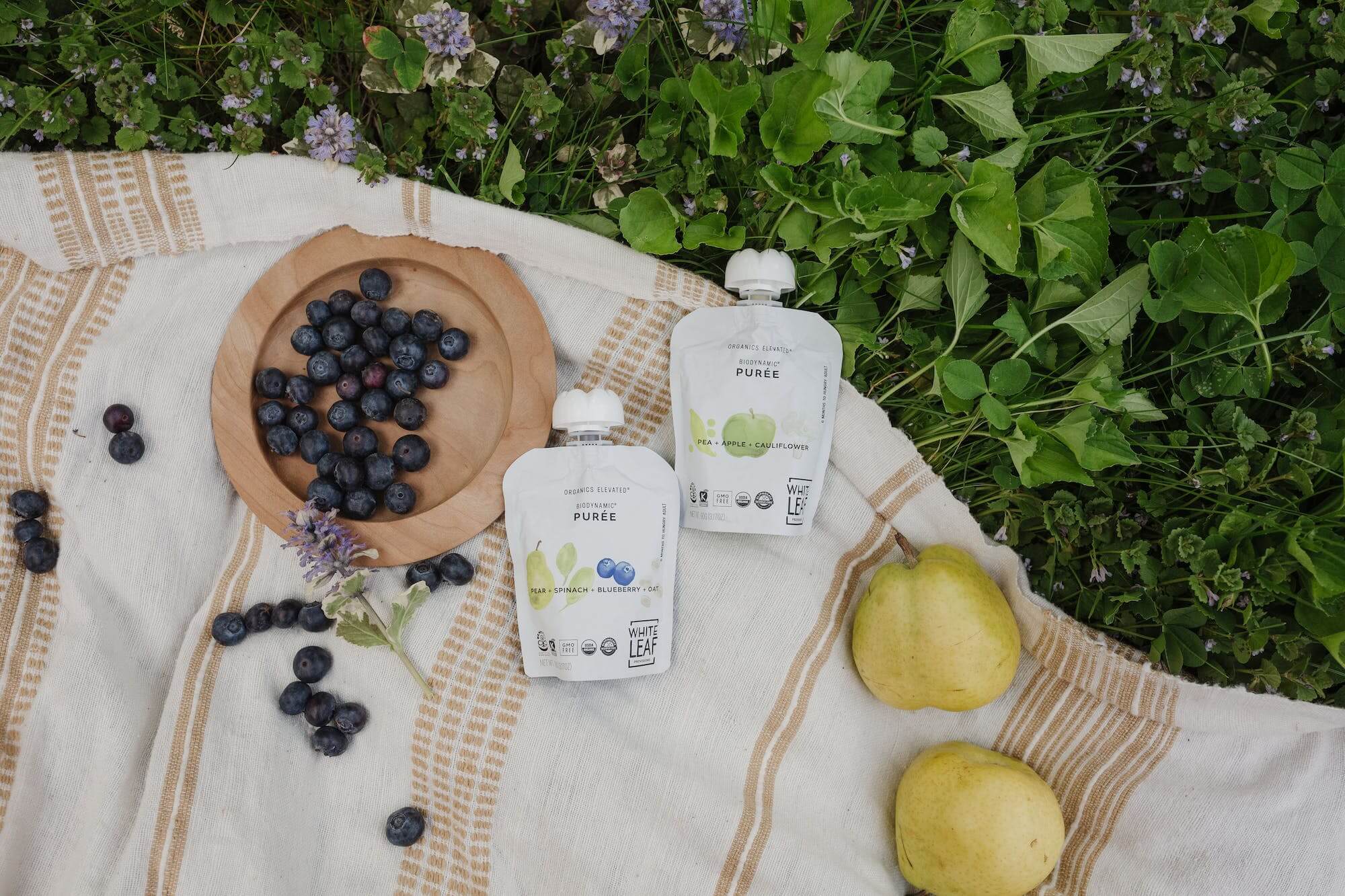
The gold standard in baby food, offering Demeter-certified biodynamic ingredients that exceed organic standards for soil health and purity.

Exquisite heirloom Malagasy cocoa produced entirely at the source in Madagascar. This professional-grade bulk trunk supports direct-trade and lemur habitat conservation.

A nutrient-dense heirloom grain sourced through fully transparent supply chains that support regenerative farming practices in the Peruvian Andes.

A women-owned B Corp that prioritizes equitable purchasing and environmental stewardship through long-term farmer partnerships.

The gold standard in European baby food, Holle's Demeter-certified porridges offer chemical-free nutrition for infants. A top-rated staple for health-conscious parents in urban environments.
More on Nespresso
Is Nespresso ethical? FAQs
Is Nespresso cruelty-free?+
No animal testing by Nespresso; Nestlé does not test finished products on animals except where legally required.
Does Nespresso have vegan products?+
All standard capsules are vegan; no dedicated vegan label.
Does Nespresso sell in mainland China?+
Selling through mainland Chinese retail has historically triggered post-market animal testing.
What is Nespresso's ethics score?+
We don't score any Nespresso products yet, so there is no ethics score. The signals above come from the brand profile and the sources listed on this page.
What are the best alternatives to Nespresso?+
High-scoring food & nutrition products to compare include Dr. Bronner’s Whole Kernel Virgin Coconut Oil by Dr. Bronner's, Biodynamic Veggie & Grain Pouch Variety Pack (24-Pack) by White Leaf Provisions, Luxury Single-Origin Dark Chocolate Professional Collection - 20kg Chef's Trunk by Beyond Good.