Ethical Alternatives to pukka herbs
Pukka Herbs is a market leader in ethical herbal supplements and teas, holding B Corp, Soil Association Organic, Fair for Life, and FairWild certifications. While its transparency and regenerative practices set a high bar, some shoppers seek alternatives due to higher price points, limited product ranges, or availability issues. This page compares brands that meet similar rigorous ethical standards across tea, supplements, and wellness gifts.
Categories compared: Food & Nutrition, Health & Wellness, Gifts & Seasonal
Why shoppers look for alternatives to pukka herbs
- Pukka’s premium pricing (often 20–40% higher than conventional tea brands) may not fit all budgets, even when ethical sourcing is prioritized.
- Product selection is focused on herbal teas and supplements; shoppers wanting broader organic beverage or wellness categories (e.g., coffee, functional mushroom blends) may need other options.
- Some regions have limited retail access to Pukka products, and shipping costs from direct orders can reduce value for customers wanting same-day local purchases.
Top-scoring alternatives to pukka herbs

The gold standard for ethical food production, this coconut oil uses regenerative organic practices and fair trade labor to set a benchmark for corporate responsibility.

A fluoride-free, 70% organic toothpaste that leads the industry in fair trade sourcing and activist corporate governance.

A zero-waste bathroom essential hand-crafted by women's cooperatives, perfect for exfoliating and extending the life of soap.

The gold standard in ethical soap, these travel-sized bottles are perfect for wellness pros on the go, featuring 100% PCR packaging and fair-trade ingredients.
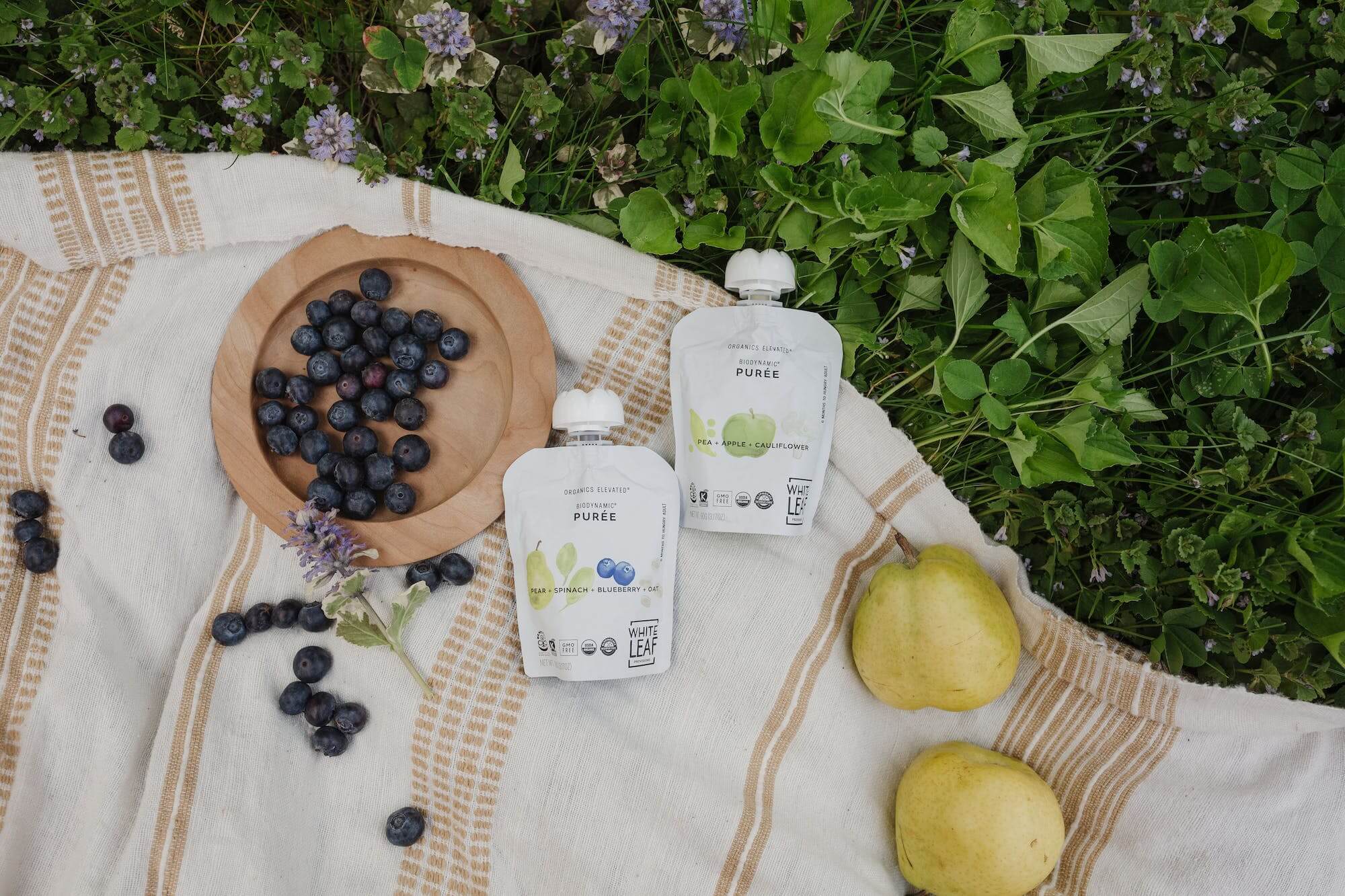
The gold standard in baby food, offering Demeter-certified biodynamic ingredients that exceed organic standards for soil health and purity.

A gold standard in ethical confectionery, combining fair-pay labor practices with regenerative cocoa farming that restores biodiversity in the Ivory Coast and Ghana.
A gold standard in ethical confectionery, using regenerative farming to combat climate change while ensuring living wages for cocoa farmers.

A hand-crafted, raw wellness balm produced by women’s cooperatives in Ghana, ideal for gluten-free skin nutrition and head-to-toe hydration.

Exquisite heirloom Malagasy cocoa produced entirely at the source in Madagascar. This professional-grade bulk trunk supports direct-trade and lemur habitat conservation.

A nutrient-dense heirloom grain sourced through fully transparent supply chains that support regenerative farming practices in the Peruvian Andes.

A luxurious, spa-weight robe made from 100% GOTS-certified organic cotton, produced under Fair Trade standards.

Exquisite hand-woven table linens designed in Brooklyn and artisan-made in Ethiopia. This Black-owned brand combines modern aesthetics with traditional Ethiopian weaving techniques.
What Pukka Herbs is rated on
Pukka Herbs holds some of the strongest ethical certifications in the wellness industry. It is a certified B Corp (score verified quarterly), Soil Association Organic, USDA Organic, and Fair for Life. Its FairWild certification ensures wild plant ingredients are harvested sustainably. Pukka is also a 1% for the Planet member, donating 1% of sales to environmental causes. The brand does not test on animals and is committed to cruelty-free practices. Its transparency score on platforms like Good On You and B Corp’s directory is among the highest in the tea and herbal supplement sector.
How the alternatives were picked
We selected brands that hold at least two of the key certifications Pukka carries: organic (Soil Association or USDA), fair trade (Fair for Life or Fairtrade), B Corp, or FairWild. All alternatives are cruelty-free and do not test on animals. We also considered product range complementarity—for example, brands offering organic coffee, adaptogenic powders, or loose-leaf herbal blends not currently in Pukka’s catalogue. Where possible, we prioritized companies with clear supply chain transparency reports and third-party audits.
What to check on the label
When comparing alternatives to Pukka Herbs, verify these points on product packaging or the brand’s website:
- Certifications: Look for Soil Association Organic or USDA Organic seals, plus Fair for Life or Fairtrade certification on tea and supplement products. B Corp status is a strong indicator of overall governance but not a requirement for every small brand.
- FairWild: If the product contains wild-harvested herbs (e.g., elderflower, echinacea), check for FairWild certification to ensure sustainable wild collection.
- Animal testing: Confirm the brand explicitly states ‘no animal testing’ and is not sold in mainland China (where some post-market testing is still required).
- Ingredient sourcing: Look for specific origin details (e.g., region, farm cooperative) rather than generic ‘organic’ claims. Pukka provides batch-level traceability—seek alternatives that offer similar transparency.
How to judge a suggested brand alternative
An alternatives page is a starting shortlist, not proof that one brand is universally better than another. The suggestions come from our catalogue: published products in a similar category with a recorded ethics score. They answer a narrow question — which products we list might fit the same need — and they cannot tell you which option performs best, suits your skin or diet, or matches your budget.
Match the job before the score
Start with what the original product does for you: format, size, scent, skin or dietary requirements and where you buy it. A higher-scoring alternative is not useful if it comes in a format you cannot use or is not sold where you shop. Check the alternative's full record — purpose, ingredients, price and seller — before treating it as a replacement.
Compare evidence, not impressions
Read certifications at their stated scope: a scheme may cover one range, one material or a named entity rather than a whole brand. An animal-free ingredient list and an animal-testing policy are separate questions, and a parent company's record is a third. Where a claim matters to you, confirm it in the scheme's own directory or the manufacturer's current statement rather than relying on a badge alone.
Keep the limits of the comparison visible
Catalogue scores are AI-assisted assessments with documented limitations, not laboratory measurements. A missing score is a data gap, not a failing grade. The original brand's presence here reflects what our records contain, which may omit reformulations, regional differences or newer certifications. For health, safety or recall concerns, use official sources rather than any score.
| Check | Where to confirm it | Avoid assuming |
|---|---|---|
| Does the alternative do the same job? | Its full product record and the maker's current description | A similar category means a like-for-like replacement |
| Is a claimed certification current? | The certification scheme's official directory | A badge covers the whole brand or group |
| Is it actually available to you? | The retailer's current listing, price and delivery | A catalogue price tier is a live quote |
Frequently asked about pukka herbs alternatives
Are any alternatives cheaper than Pukka Herbs while still being organic and fair trade?+
Yes, brands like Clipper (Fairtrade, organic) and Pai Tea (organic, direct trade) often retail 15–25% lower per box. However, they may lack FairWild or B Corp certification. Compare unit prices and check for third-party organic seals to ensure value.
Do any alternatives offer a wider range of products than Pukka?+
Brands such as Traditional Medicinals (organic, FairWild on many herbs) and The Republic of Tea (organic, non-GMO) offer broader tea varieties, including functional blends for digestion, sleep, and immunity. For supplements, brands like Gaia Herbs (organic, certified B Corp) provide tinctures and capsules Pukka does not.
How can I verify if an alternative brand tests on animals?+
Check the brand’s ‘Animal Testing Policy’ page or look for the Leaping Bunny or PETA ‘Cruelty-Free’ logos. Also confirm they do not sell in mainland China, where animal testing for imported cosmetics can be required—though most herbal tea brands are exempt if classified as food.
Does Pukka Herbs have any controversies that might make shoppers want to switch?+
Public records show no major controversies or scandals—Pukka consistently scores high on ethical audits. Switching is usually driven by price, product variety, or regional availability rather than ethical shortcomings.