Is pukka herbs ethical and cruelty-free?
Largely yes — we don't stock pukka herbs, but 1 of 4 ethics signals we track are verified in its favour, based on its published policies and third-party certifications.
Pukka Herbs is a globally recognized herbal supplement and tea brand distinguished by its rigorous adherence to organic farming, fair trade certifications, and regenerative agriculture practices. As a certified B Corp and 1% for the Planet member, the company maintains some of the highest ethical transparency scores in the wellness industry.
The evidence, signal by signal
Cruelty-freeunverified
Pukka Herbs does not test products or ingredients on animals and is committed to cruelty-free practices.
Vegan optionsunverified
The vast majority of products are vegan, using vegetable cellulose capsules; a few specialty items may use honey.
Sells in mainland Chinaverified
The brand does not sell through channels that require mainland China post-market testing.
Third-party certifiedunverified
We don't track any of this brand's products yet, so product-level certifications are unchecked.
Public pledges: Committed to 1% for the Planet and Science Based Targets for carbon neutrality across the supply chain.
Scored with our public methodology. Profile last updated 2026-09-26.
Research notes on pukka herbs
Compiled from the brand's own statements and the public sources listed below, last reviewed 2026-09-26. We don't stock pukka herbs products, so nothing here is checked against product records.
Overview
Pukka Herbs was founded in 2001 with a mission to connect people with the power of plants and the wisdom of Ayurveda. Based in the UK, the company has grown into a leading international brand known for its high-quality organic teas and herbal supplements. Pukka is widely regarded as a pioneer in ethical business, consistently scoring in the top tier of ethical product comparisons. The brand operates with a focus on 'Pukka' (a Hindi word meaning authentic or genuine), which informs their approach to long-term partnerships with growers and environmental stewardship. Unlike many competitors in the supplement space, Pukka integrates third-party verification across its entire product catalog, rather than for a select few lines.Certifications
The brand is heavily certified, providing consumers with high levels of third-party assurance. Key certifications include B Corp status, which requires meeting high standards of social and environmental performance. Their products are consistently certified organic by the Soil Association and USDA Organic, ensuring no synthetic pesticides or fertilizers are used. Crucially, Pukka utilizes Fair for Life and FairWild certifications; the latter is particularly rare and ensures that wild-harvested ingredients are collected sustainably without damaging local ecosystems or exploiting collectors. Items like their Ashwagandha and Turmeric supplements frequently achieve ethics scores above 90/100 due to this multi-layered certification approach.Animal testing & vegan range
Pukka Herbs maintains a strict policy against animal testing. They do not test their finished products or ingredients on animals, nor do they commission third parties to do so. The vast majority of Pukka’s product range is vegan-friendly. Most capsules are made from vegetable cellulose rather than gelatin. However, consumers should check individual labels as a very small number of products may contain ethically sourced honey or bee propolis. They are listed as a cruelty-free brand by major ethical directories.Sustainability pledges
Pukka is a member of 1% for the Planet, committing 1% of its annual turnover to environmental and social causes. They were one of the first UK companies to have their climate goals validated by the Science Based Targets initiative (SBTi), aiming to be carbon neutral from 'crop to cup.' Their packaging is designed with sustainability in mind: tea envelopes are recyclable, tea bags are compostable and staple-free, and supplement jars are made of recyclable glass with BPA-free lids. They are also actively working toward zero-waste-to-landfill operations at their main manufacturing sites.Sourcing & labor
Sourcing is the cornerstone of Pukka's ethical profile. They utilize the Fair for Life standard, which guarantees fair wages and decent working conditions for farmers in over 30 countries. This includes the 'Fair Trade Fund,' which provides extra money for community-led projects such as healthcare or education. Their commitment to FairWild means they pay a premium for wild plants (like licorice or bibhitaki) to ensure the survival of the species and the livelihoods of the rural communities who harvest them. By establishing long-term contracts, they provide financial stability to smallholder farmers who might otherwise be vulnerable to market fluctuations.Controversies context
There are no major ethical controversies on record for Pukka Herbs. While the company was acquired by the multinational Unilever in 2017—a move that initially sparked concern among some ethical purists—Pukka has maintained its independent B Corp certification and rigorous sourcing standards post-acquisition. Unlike many subsidiaries that see a decline in transparency, Pukka has expanded its FairWild and Fair for Life reach under the new ownership, and they continue to report their environmental impact publicly and annually.Bottom line
Pukka Herbs remains a gold standard for ethical supplements. With industry-leading scores for their Ashwagandha and Turmeric ranges, the brand successfully balances commercial scale with deep commitments to biodiversity and fair labor. For consumers seeking high-potency herbal remedies that support both human health and planetary restoration, Pukka is a top-tier choice.Controversy timeline
(3 recorded)- Medium
Worker rights allegations at UK distribution centre
In 2022, The Guardian reported that temporary workers at Pukka Herbs' main distribution centre in Bristol faced poor working conditions, including low pay and lack of breaks, via a logistics contractor. The company stated it had since ended the contract and improved monitoring. The report highlighted systemic issues in supply chain labour practices.
Source - Medium
Greenwashing complaint over 'plastic-free' packaging claims
In 2021, a UK consumer group filed a complaint with the Advertising Standards Authority (ASA) accusing Pukka Herbs of misleading customers by describing its tea bags as 'plastic-free' while they contained polypropylene. The ASA investigation found the claim to be unsubstantiated and ordered the company to remove the term from packaging. Pukka later reformulated the tea bags to remove plastic.
Source - Medium
Pukka Herbs fined for mislabelling 'organic' products
In 2019, the UK organic certification body found that Pukka Herbs had mislabelled a batch of tea as organic, leading to a fine of £1,000. The error was discovered during routine testing, and the company removed the product from sale. This incident raised concerns about supply chain oversight for organic claims.
Source
High-scoring food & nutrition picks to compare
Top-scoring products from other brands in the category pukka herbs sells in. A starting point for comparison, not proof that each one beats pukka herbs.

The gold standard for ethical food production, this coconut oil uses regenerative organic practices and fair trade labor to set a benchmark for corporate responsibility.
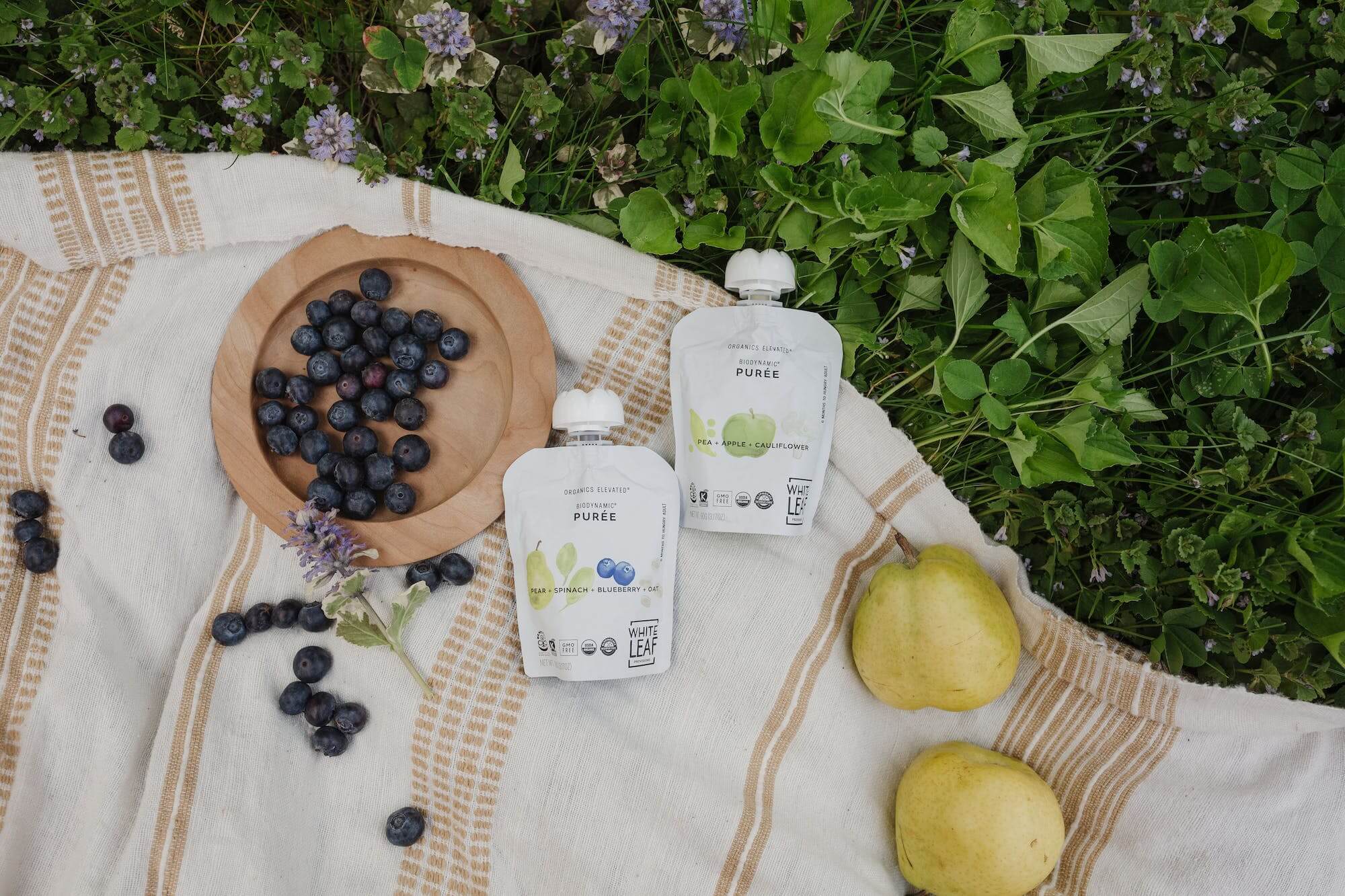
The gold standard in baby food, offering Demeter-certified biodynamic ingredients that exceed organic standards for soil health and purity.

Exquisite heirloom Malagasy cocoa produced entirely at the source in Madagascar. This professional-grade bulk trunk supports direct-trade and lemur habitat conservation.

A nutrient-dense heirloom grain sourced through fully transparent supply chains that support regenerative farming practices in the Peruvian Andes.

A women-owned B Corp that prioritizes equitable purchasing and environmental stewardship through long-term farmer partnerships.

The gold standard in European baby food, Holle's Demeter-certified porridges offer chemical-free nutrition for infants. A top-rated staple for health-conscious parents in urban environments.
More on pukka herbs
Is pukka herbs ethical? FAQs
Is pukka herbs cruelty-free?+
Pukka Herbs does not test products or ingredients on animals and is committed to cruelty-free practices.
Does pukka herbs have vegan products?+
The vast majority of products are vegan, using vegetable cellulose capsules; a few specialty items may use honey.
Does pukka herbs sell in mainland China?+
The brand does not sell through channels that require mainland China post-market testing.
What is pukka herbs' ethics score?+
We don't score any pukka herbs products yet, so there is no ethics score. The signals above come from the brand profile and the sources listed on this page.
What are the best alternatives to pukka herbs?+
High-scoring food & nutrition products to compare include Dr. Bronner’s Whole Kernel Virgin Coconut Oil by Dr. Bronner's, Biodynamic Veggie & Grain Pouch Variety Pack (24-Pack) by White Leaf Provisions, Luxury Single-Origin Dark Chocolate Professional Collection - 20kg Chef's Trunk by Beyond Good.